



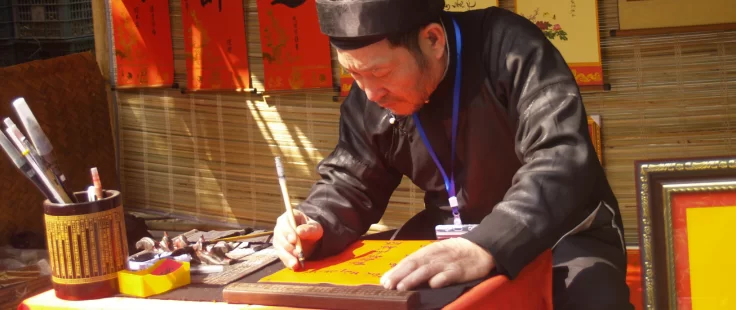
Le confucianisme au Vietnam
Le confucianisme : inventé par Confucius (551-479 av. J.-C.), ministre chinois de la Justice en exil, le confucianisme ne se préoccupe pas des origines du monde, ni des fins dernières de l'homme, mais il édicte un code moral fondé sur 5 vertus : l'humanisme, l'équité, l'urbanité, l'intelligence et l'honnêteté

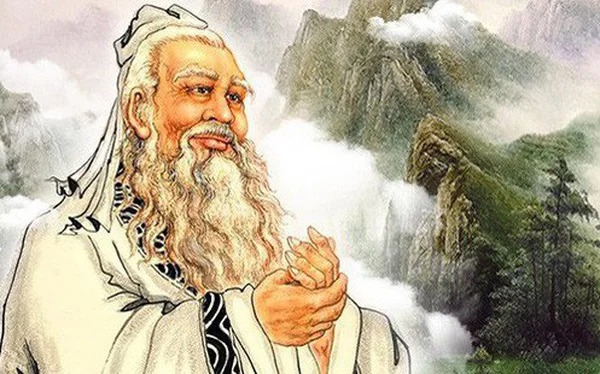
Parmi les nombreuses croyances et religions présentes au Vietnam, le confucianisme demeure sans doute la pratique la plus ancrée dans les mentalités. Fondé par le sage Confucius (K’ong-tseu en chinois, Khổng Tử en vietnamien), ce courant de pensée a façonné la structure sociale du pays pendant des millénaires.
Table des matières
Les Origines
Confucius naquit en Chine vers 551 av. J.-C. Il devint non seulement un grand éducateur, mais aussi un moralisateur essentiel de la société antique.
Selon des documents historiques et des légendes, sa naissance fut marquée par des phénomènes extraordinaires : cinq étoiles étranges apparurent dans le ciel, se transformant en un vieillard venu le visiter, tandis que trois dragons veillaient autour de sa maison. Ces signes furent interprétés comme un bon augure, annonçant l’arrivée d’un homme au destin exceptionnel.
Une vie de médiation et d'enseignement
Dès sa tendre enfance, Confucius se montrait déjà très intelligent et assoiffé de connaissances (soif d’études). Bien qu’issu d’une famille modeste, il accéda au poste prestigieux de mandarin par ses propres mérites et son travail acharné.
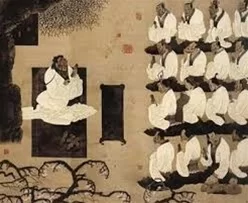
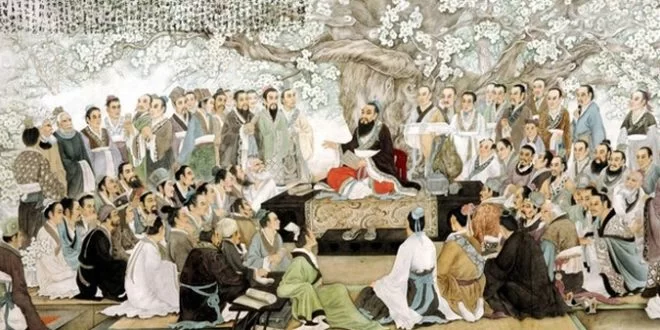
Cependant, victime d’une intrigue de cour, il se vit déchu de son grade. Il quitta alors sa ville natale pour errer, méditant longuement sur les injustices des hommes et les faiblesses des institutions. C'est durant cet exil qu'il gagna peu à peu à sa cause de hauts fonctionnaires lettrés et fonda une école de discipline rigoureuse, s’appuyant sur les codes de la bienséance, la morale et l’équité.
Ses élèves se chiffraient à 3000, dont 72 disciples devinrent très célèbres. Il décéda à l’âge de 73 ans. Après sa mort, son enseignement fut perpétué grâce à un ouvrage littéraire majeur : Le Livre des Entretiens (ou Lun Yu).
Ce recueil est constitué de dialogues entre les élèves et le maître, où l’élève doit trouver les réponses aux questions posées sous forme de métaphores. Cette méthode n'est pas sans rappeler la maïeutique de Socrate ; c’est peut-être juste une question d’approche qui sépare la pédagogie de l’Orient de celle de l’Occident.
La Doctrine
Le confucianisme traite avant tout du rapport entre l’homme et l’État, ainsi que de la discipline familiale.
La hiérarchie et l'Homme de Bien
Dans cette philosophie, le rôle du père ou de l’ancêtre est essentiel : il est le seul détenteur de la sagesse, et on lui doit une obéissance parfois absolue. De même, la hiérarchie sociale et le souverain doivent être scrupuleusement respectés.
Confucius oppose deux types d'hommes :
-
L’homme de bien (Junzi) : Il est cultivé, humaniste, moral et agit avec patience et honêteté. Il respecte les rites et les lois.
-
L’homme de peu (Xiaoren) : Il est vulgaire et guidé par son seul profit.
Il est difficile de parler de "religion transcendante" avec le confucianisme, car il ne se réfère à aucun dieu créateur. Il instaure plutôt une philosophie morale basée sur le respect de la hiérarchie familiale et sociale, la bonté naturelle de l’homme et sa capacité infinie à se perfectionner. Le confucianisme ne se préoccupe pas des origines du monde, ni des fins dernières de l'homme, mais il édicte un code moral fondé sur 5 vertus cardinales :
-
L’humanisme (Nhân)
-
L’équité (Nghĩa)
-
L’urbanité/La bienséance (Lễ)
-
L’intelligence (Trí)
-
L’honnêteté/La loyauté (Tín)
Le perfectionnement de soi
Selon Confucius, l’homme naît bon ; sa nature profonde le porte à faire le bien. Or, la plupart des hommes se révèlent mauvais par la suite. À quoi tient cette dépravation ? Elle vient de la négligence de leurs facultés intellectuelles, qui subissent l’influence néfaste du milieu extérieur et s’atrophient dans la routine.
On peut s’en sortir en se perfectionnant soi-même. Pour cela, il y a 4 prescriptions à suivre :
-
S’intéresser à toute chose qui existe.
-
Pénétrer le secret des choses.
-
Avoir des idées nettes.
-
Maintenir la pureté du cœur.
En définitive, ceux qui pratiquent le bien en sont toujours récompensés. La règle d'or est simple : “Ne faites pas à autrui ce que vous ne voulez pas qu’on vous fasse à vous-même.” Pour Confucius, il est absurde de prier les dieux du ciel, car aucune prière n’est en mesure d’infléchir la volonté divine ou le destin.
L'Évolution
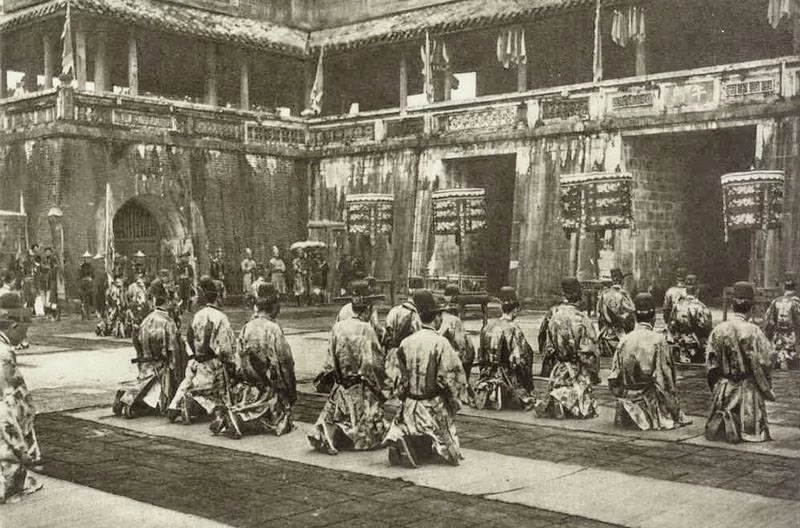
À la mort de Confucius, d'autres penseurs ont enrichi la doctrine. Mencius (Manh Tu), son disciple spirituel, apporta une nuance importante : il donna le droit aux hommes de juger la morale du père, de l’ancêtre ou du souverain.
Sur cette lignée apparut plus tard Xunzi, qui octroya le droit aux mandarins de conseiller le souverain et même de le remettre sur le droit chemin s’il n’était pas à la hauteur de ses tâches ou de son rang.
L'Ancrage du Confucianisme au Vietnam
Philosophie religieuse plus que religion organisée, le confucianisme (Nho Giao ou Khong Giao) a forgé le système social du Vietnam et a grandement influencé la vie quotidienne ainsi que les croyances de sa population.
Une importation culturelle millénaire
Selon Confucius, l’homme ne peut exister en dehors de la communauté. Le confucéen se doit de servir son roi, honorer ses parents et gérer sa famille. Dès la première période de la domination chinoise (IIIe siècle av. J.-C. - 968 ap. J.-C.), la culture chinoise s’introduisit dans le delta du Fleuve Rouge sous sa forme surtout confucéenne.
Des Vietnamiens étaient même capables d’aller conquérir en Chine des grades universitaires élevés (comme Ly Tien et Ly Cam au IIe siècle). La première période d’indépendance (939-1404) ne renia pas pour autant cet héritage culturel.
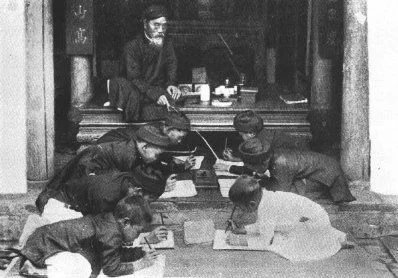
Un Temple de la Littérature (Van Mieu) fut construit à Hanoï en 1070. Les concours littéraires triennaux, créés à partir de 1076, furent réorganisés en 1232 et 1374. Cet édifice religieux et culturel est dédié au culte de Confucius.
Un système social rigide mais méritocratique
C’est dans le domaine social que le confucianisme laissa son empreinte la plus forte dans l’histoire du Vietnam.
Pendant près d’un millénaire, il instaura un système de règles efficaces mais rigides entre père et fils, mari et femme, sujet et souverain. Pour que l’ordre règne dans le monde, il faut d’abord que les familles soient ordonnées, puis les États.
En revanche, il établit le système très démocratique des concours littéraires qui permettait à n’importe qui de devenir mandarin par sa seule culture, son intelligence et ses mérites. Personne n’était prisonnier de sa naissance. On ne naissait pas mandarin, il fallait le devenir par l'étude.
La politique et le Peuple
Dans le domaine politique, le confucianisme laissa également des traces profondes, y compris chez les autorités. Pour Confucius, le peuple pris dans son ensemble incarne le Ciel ; donc ce que le peuple veut, le Ciel le veut. Les dirigeants ont donc pour devoir d’aimer ce que le peuple aime et de haïr ce qu’il hait. Mencius (372-289 avant J.-C.) résuma bien cette idée dans un adage célèbre : “Le peuple d’abord, l’état vient après, le roi est négligeable.”
Avantages et Inconvénients
Les avantages : Le confucianisme est une philosophie qui correspond à l'ordre naturel de l’Univers et au tempérament de l’homme, restant accessible à tous. Le plus souvent, les confucéens font preuve de vertu et de cœur. Un pays régi par cette doctrine est généralement doté d’un ordre social stable et est facile à gouverner, permettant à la population de jouir du bonheur et de la paix.
Les inconvénients : Le confucianisme porte sur beaucoup de concepts philosophiques, parfois chimériques, qui compliquent certaines questions simples. D’autre part, cette doctrine impose plusieurs contraintes et rites difficiles à observer rigoureusement. En particulier, elle apprécie hautement une attitude accueillante, parfois trop conciliante ou "molle", ce qui peut, dans certains cas, réduire l'audace et le courage chez l’homme.
Le Confucianisme face à la Modernité
Depuis des dizaines d’années, le mode de vie à l’européenne et la modernisation ont fait leur entrée au Vietnam, apportant avec eux bien des idées nouvelles et des expérimentations.
Le confucianisme strict compte moins de dévots qu'autrefois et l’étude des caractères chinois (Hán Nôm) n’est plus courante, notamment dans le Sud du Vietnam, une tendance qui touche également le Nord progressivement. C’est une évolution normale, car toutes les religions et philosophies connaissent des vicissitudes, tantôt de l’ascension, tantôt de la décadence, laissant place à la nouveauté.
La Fête de Confucius d’autrefois
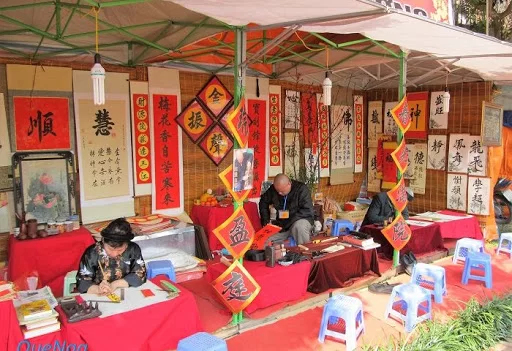
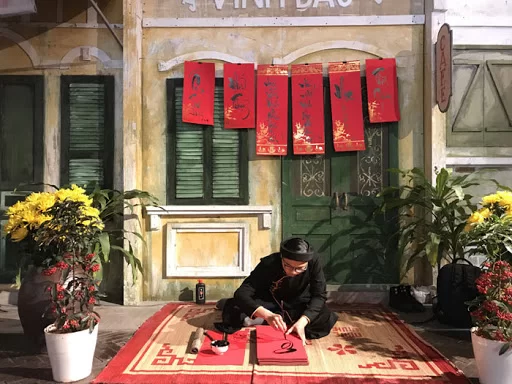
Historiquement, elle avait lieu le 28e jour du 9e mois lunaire. À cette occasion, les lettrés se réunissaient et lisaient leurs meilleurs poèmes. C’était une fête solennelle pour honorer le “maître de l’éthique et de la morale”. Dans les temples, on lui rendait hommage. En cette journée placée sous le signe de la sagesse, les familles, les clans et les responsables de villages se réunissaient pour prendre les décisions importantes pour la communauté.
* Si cet article vous intéresse et qu'il est utile merci de le partager à vos Amis et aux gens autour de vous.
* Si vous avez l'envie de voyager au Vietnam pour découvrir les croyances et les religions et toute sa beauté et ses charmes avec un voyage 100% personalisé l'agence TypicTravel un expert local vous propose de faire un voyage sur mesure selon vos souhaits.
* Si vous cherchez les idées des voyages Typic Travel se permet de vous proposer certaines idées principales selon la catégorie de nos voyages:
- Voyages Incontournables
- Hors des Sentiers battus
- Randonnée - Trekking
- Combinés Multi-Pays
- Voyages en Famille
- Voyages à thème
- Circuits Photos
- Voyages Deluxe
- Voyages de Noce
- Voyages Culinaires
- Croisières & Vacances
- Séjours balnéaires & Petits Circuits
- Voyages Populaires
- Nouveautés du Coeur
Vous pouvez nous envoyer un e-mail en cliquant ICI ou bien nous suivre facilement sur nos réseaux sociaux pour des infos permanentes:
|
Nous suivre sur:
|
TripAdvisor | Facebook | Petit Futé | Youtube | Twitter | Instagram
|
