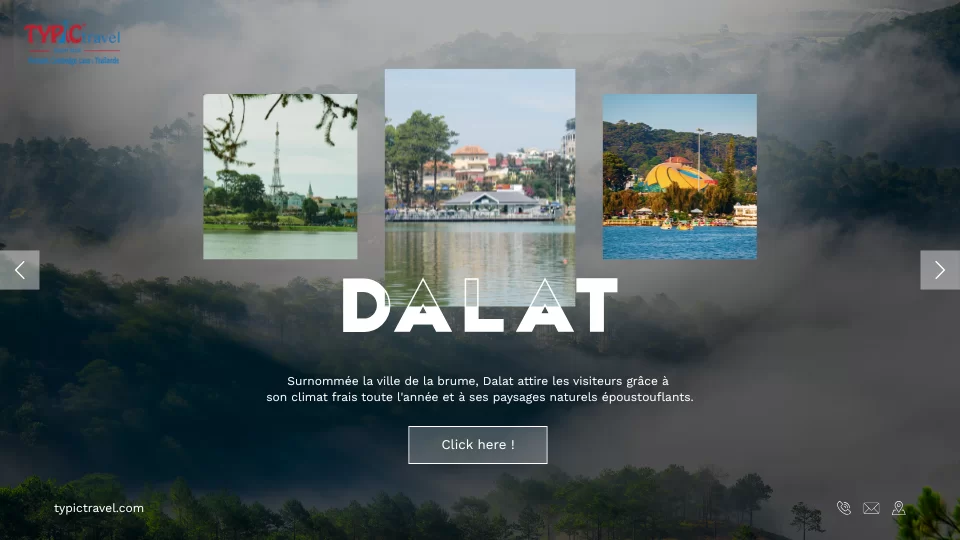




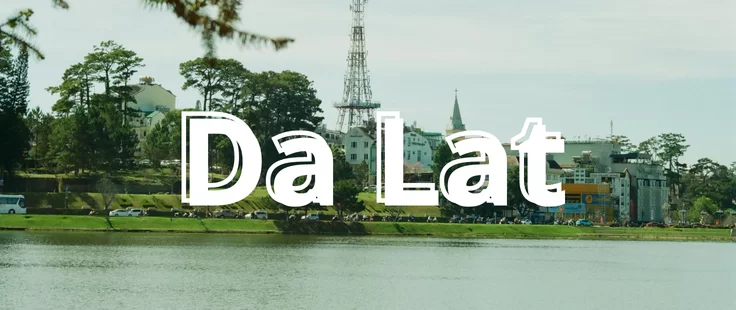
What to do in Da Lat, Vietnam? (2026)
Nicknamed the City of Fog, Dalat attracts visitors with its year-round cool climate and breathtaking natural landscapes.

Table of Contents
- The History of Da Lat
- When is the best time to visit Da Lat?
- What to see in Da Lat? – Top 10 Must-Visit Tourist Attractions
- What to eat in Da Lat? (Gourmet Tour)
- Practical tips for traveling to Da Lat
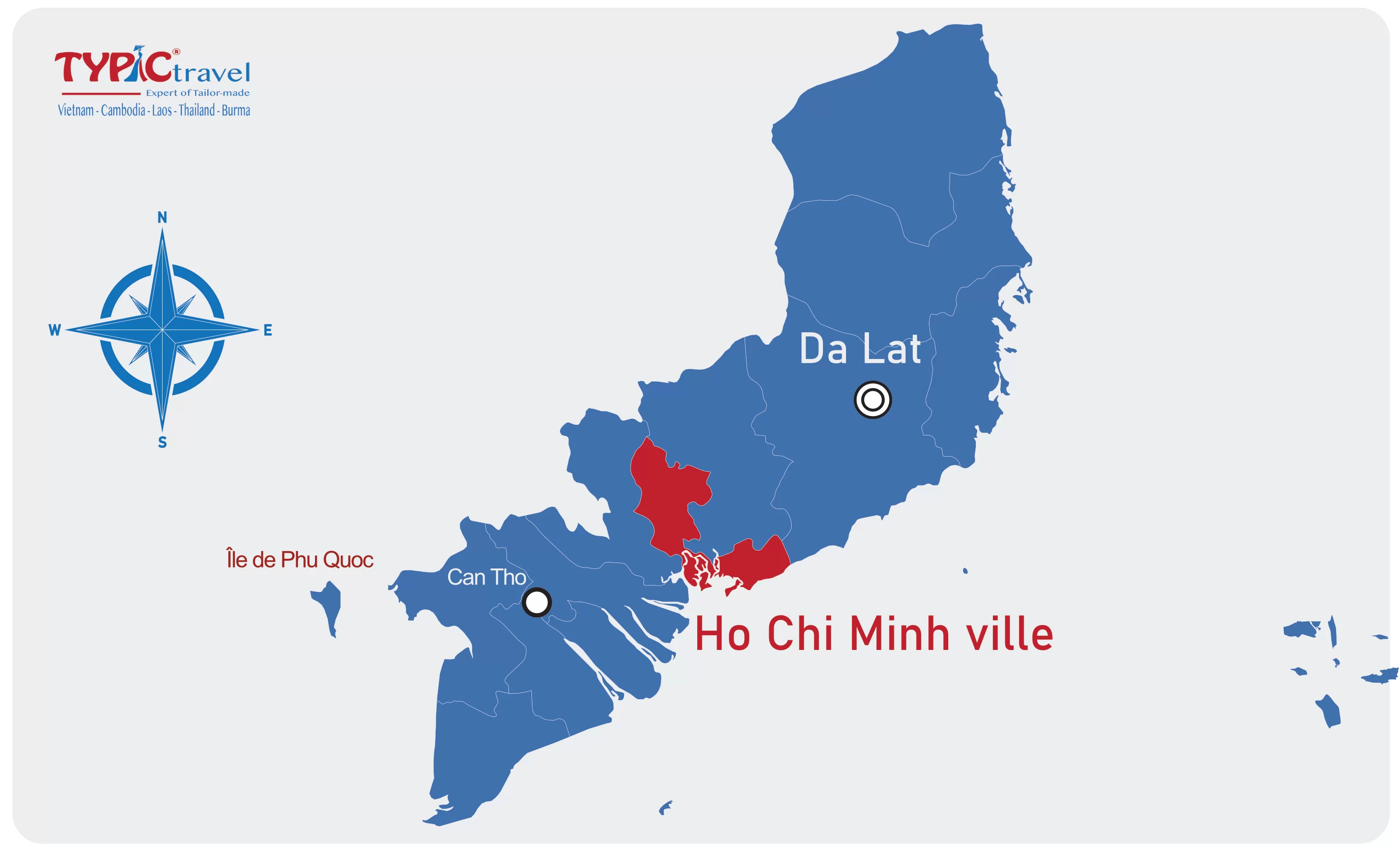
Dalat (or Da Lat), located on the Lam Vien plateau, is a popular tourist destination in Vietnam. Da Lat spans approximately 400 km².
Benefiting from a privileged geographical location, it is the main economic center of Lam Dong province and borders many other prosperous regions. Da Lat is 293 km from Ho Chi Minh City, 1,481 km from Hanoi, and 205 km from Nha Trang (Khanh Hoa).
Da Lat's topography is complex and features many unique reliefs. Hills and mountains surround the "misty city," forming a natural barrier that protects it from winds. The center of Da Lat is a basin about 1,700 meters wide.
The History of Da Lat
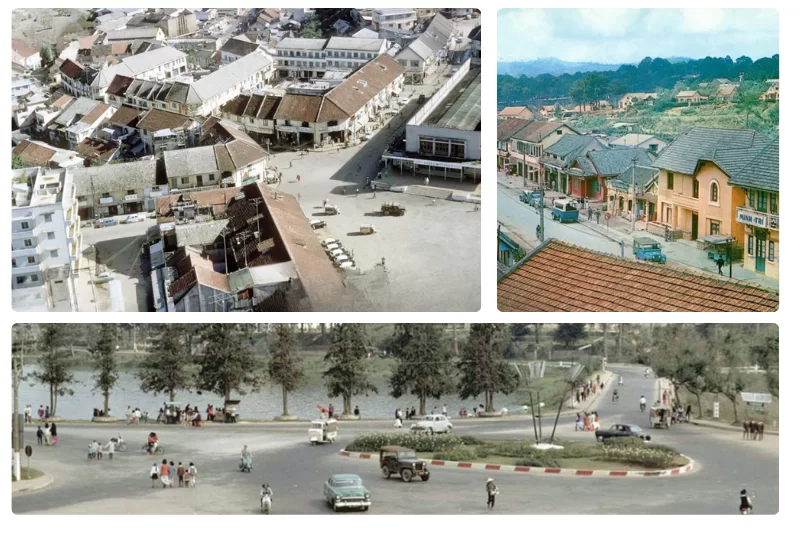
The history of Da Lat officially begins on June 21, 1893, when Dr. Alexandre Yersin explored the Lang Biang plateau. Impressed by the climate and landscape, he suggested to Governor-General Paul Doumer that a hill station be established there. In 1899, the legal framework was laid with the creation of the Haut-Donnai province.
Despite financial and geographical difficulties, the French built roads and the Crémaillère railway. In 1920, Da Lat was elevated to the rank of a second-category city, marking the beginning of its tourist boom.
Under the influence of renowned architects like Ernest Hébrard, Da Lat transformed into a true "summer capital" of Indochina.
When is the best time to visit Da Lat?
Peacefully nestled at an altitude of 1,500 meters, the city of Da Lat is surrounded by lush pine forests, enjoying a mild and pleasant mountain climate throughout the year.
Da Lat's climate is characterized by two main seasons: the dry season and the rainy season:
Rainy season: from April to the end of October, temperatures are quite cool in the early morning and evening.
Dry season: from November to March of the following year, Da Lat experiences a dry season with warm and sunny days, no rain, and few clouds.
Furthermore, Da Lat is renowned for its fascinating fog. Fog is most frequent from February to May and from September to October.
The humid and misty atmosphere of the fog creates a mysterious and romantic ambiance, making your trip even more enjoyable.
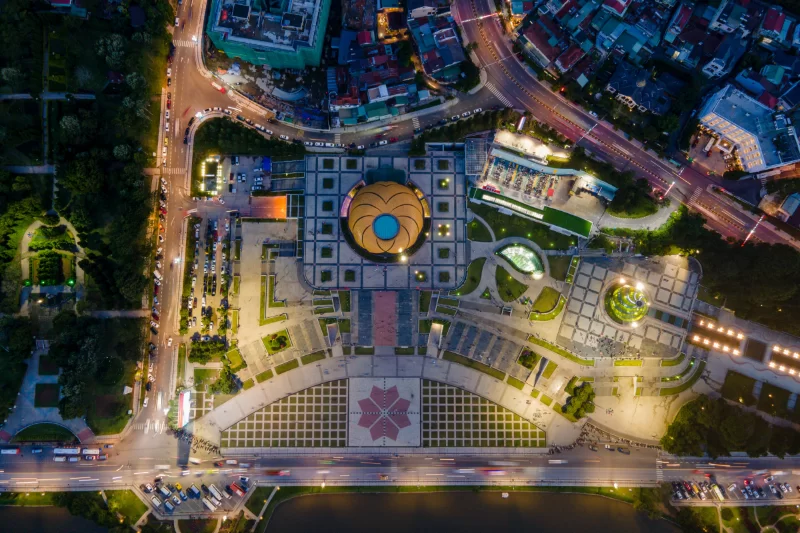
What to see in Da Lat? – Top 10 Must-Visit Tourist Attractions
1. Xuan Huong Lake
Address: Yersin Street, Ward 1
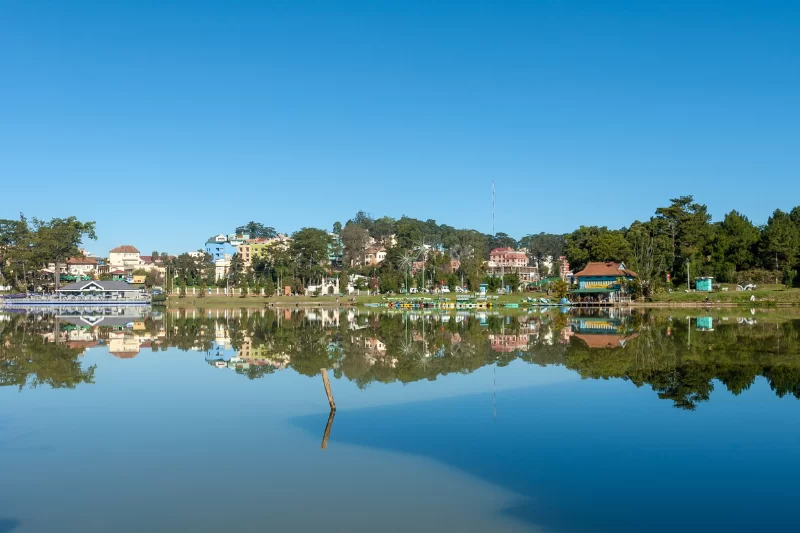
Nestled in the heart of Da Lat, Xuan Huong Lake is an oasis of serenity that offers a respite from the hustle and bustle of the city. The lake is named after the famous Vietnamese poet and novelist Xuan Huong. It is surrounded by gardens and lush pine forests. Visitors can relax on one of the many benches lining the lake, enjoy a coffee, or take a pedal boat ride on its tranquil waters.
2. Lam Vien Square
Address: Tran Quoc Toan Street, Ward 10
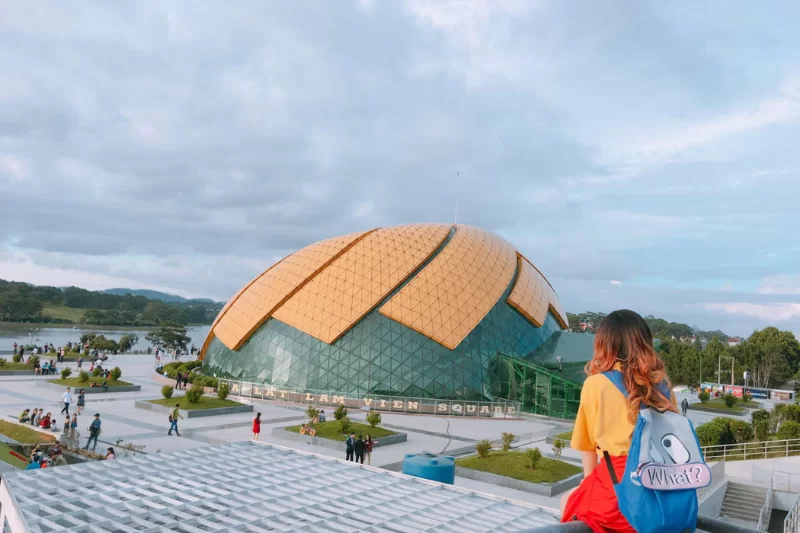
This is a lively public space located in the city center. This vast square is the heart of Da Lat's activities, hosting various events and festivals throughout the year. Here, you can admire street performances, live music, and colorful light shows, or simply observe the local animation. Its modern architecture (notably the giant glass artichoke flower) makes it an emblematic place.
3. Da Lat Cathedral (Chicken Church)
Address: No. 15, Tran Phu Street
A striking example of French colonial architecture. This iconic monument features a distinctive pink facade and slender spires that dominate the city's skyline. Inside, visitors can admire the intricate details, stained glass windows, and ornate altars. It is an active place of worship where visitors are welcome to attend mass or pray.
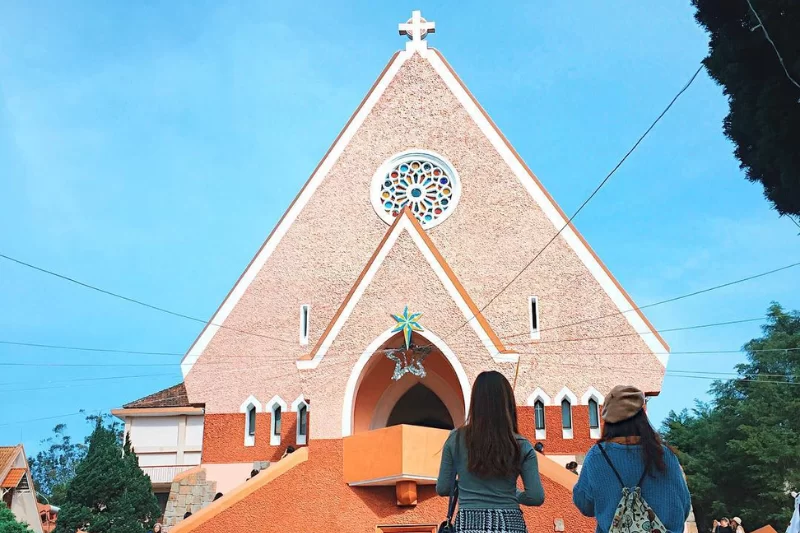
4. Domaine de Marie Church
Address: No. 1, Ngo Quyen Street
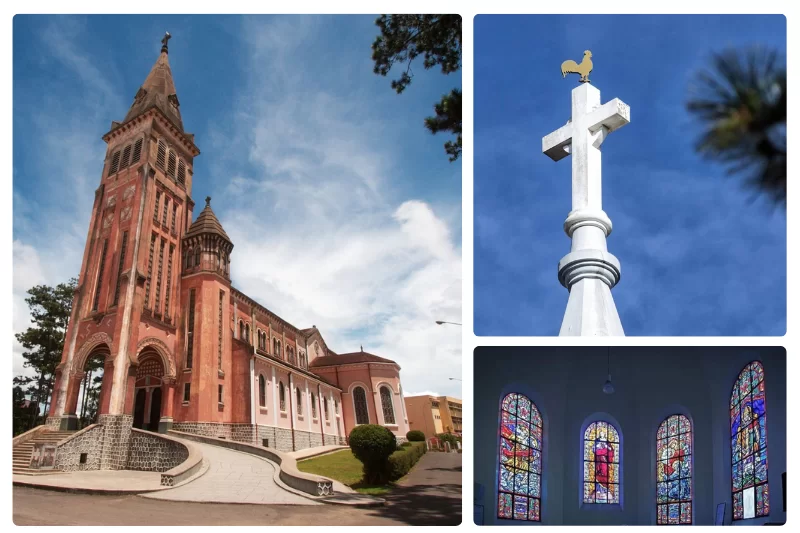
Built in 1940, this Catholic church is famous for its pink brick exterior and Gothic style. It also houses a convent and a small museum. Its peaceful setting amidst pine trees makes it a popular destination for those seeking tranquility.
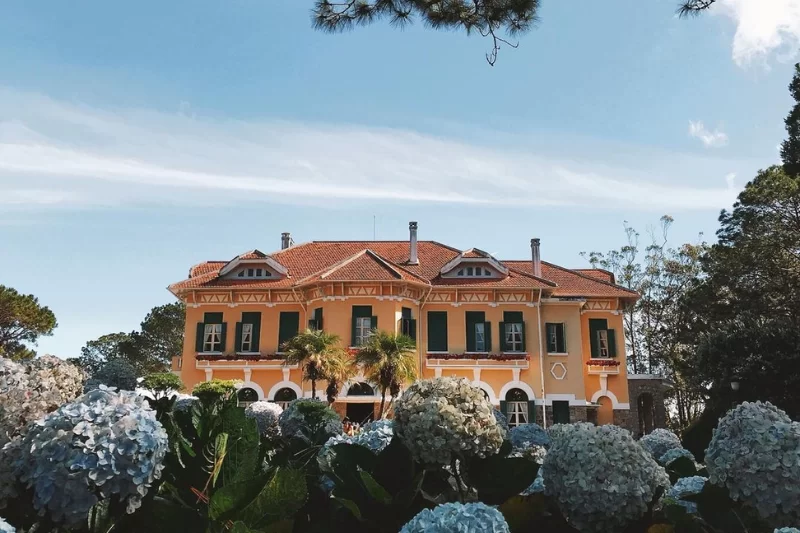
5. The Palaces of Bao Dai
Addresses: Palace I (Rue Tran Quang Dieu), Palace II (Rue Tran Hung Dao), Palace III (Rue Trieu Viet Vuong)
These historic residences belonged to the last emperor of Vietnam, Bao Dai. They showcase a unique blend of French colonial and Vietnamese styles. Visitors can explore the opulent interiors, including lavish furniture and royal artifacts, all surrounded by impeccably maintained gardens.
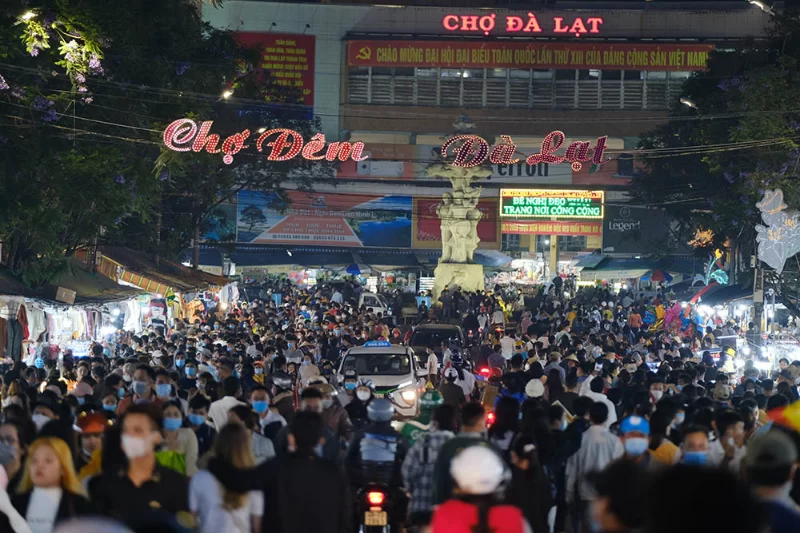
6. Da Lat Night Market
Address: Rue Nguyen Thi Minh Khai
Open from 6 PM to midnight, this is a must-visit stop. The market offers a wide range of local products: clothes, handicrafts, and souvenirs. It's especially the ideal place to sample local street food in a vibrant atmosphere.
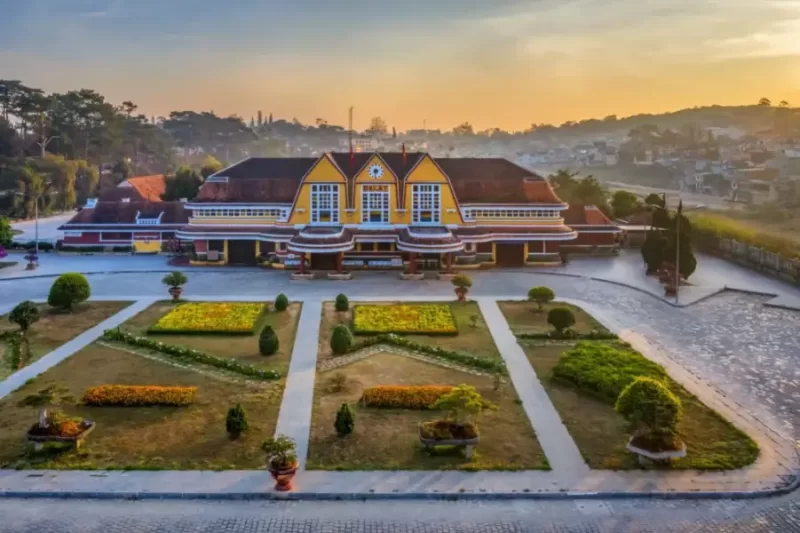
7. Da Lat Railway Station
Address: No. 1, Rue Quang Trung
Built in the 1930s, this station bears witness to the city's colonial history with its fusion of French and Art Deco architecture. It is the starting point for a picturesque train journey to the village of Trai Mat. Its stained-glass windows and vintage decor fascinate design enthusiasts.
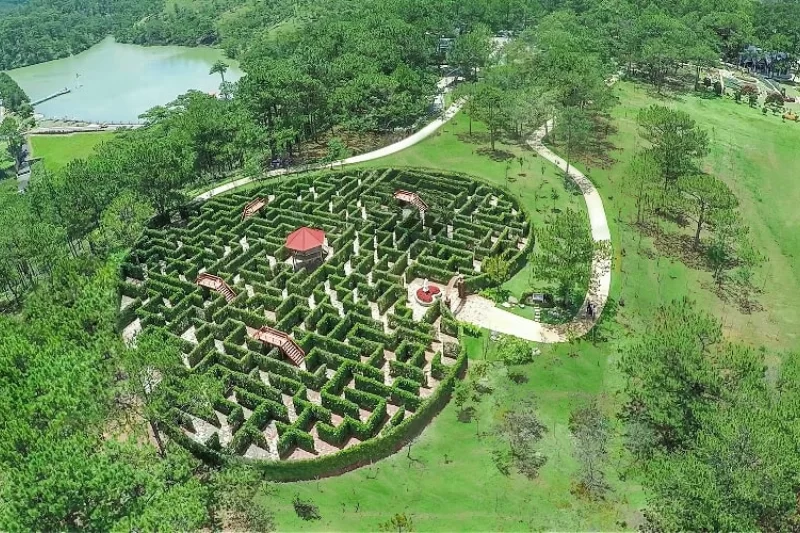
8. Valley of Love
Address: No. 5-7, Rue Mai Anh Dao
Surrounded by hills, lush gardens, and a tranquil lake, this valley offers hiking trails with magnificent views. Visitors can go boating, horseback riding, or simply relax in the shade of the pine trees.
9. Lang Biang Mountain
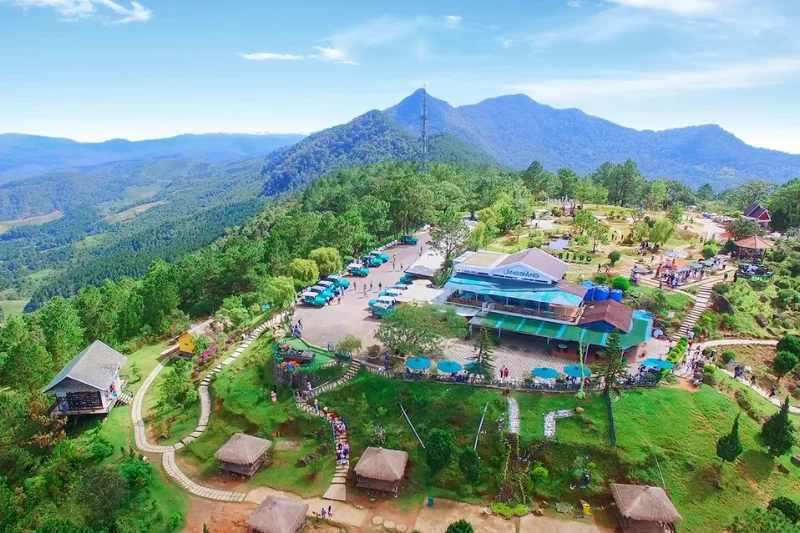
Address: Lac Duong Town, Lac Duong District
Considered "the roof of Da Lat," this mountain rises to over 2,000 meters in altitude. It is a paradise for trekking, camping, and paragliding enthusiasts. The summit offers breathtaking panoramic views of the entire region.
10. Truc Lam Zen Monastery
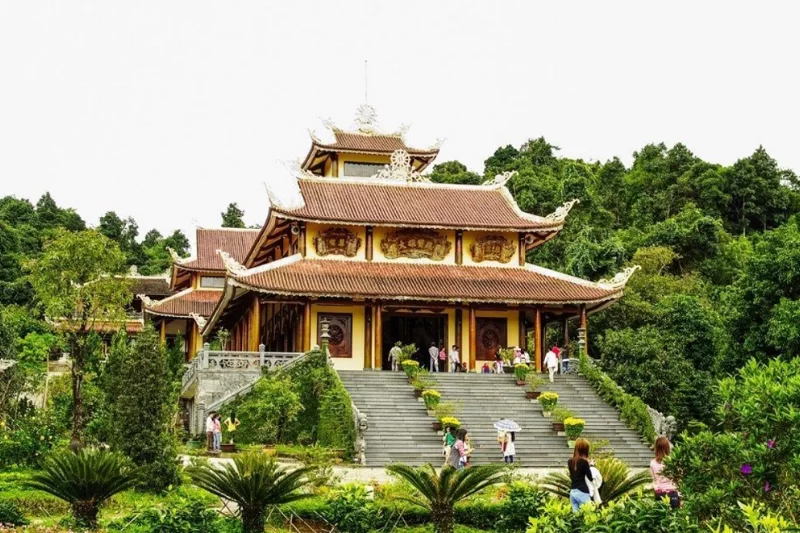
Address: Rue Truc Lam Yen Tu
Located amidst a pine forest, this Buddhist temple offers a serene atmosphere ideal for meditation. Visitors can explore the pagodas, admire the sculptures, and stroll through the magnificent surrounding gardens.
What to eat in Da Lat? (Gourmet Tour)
-
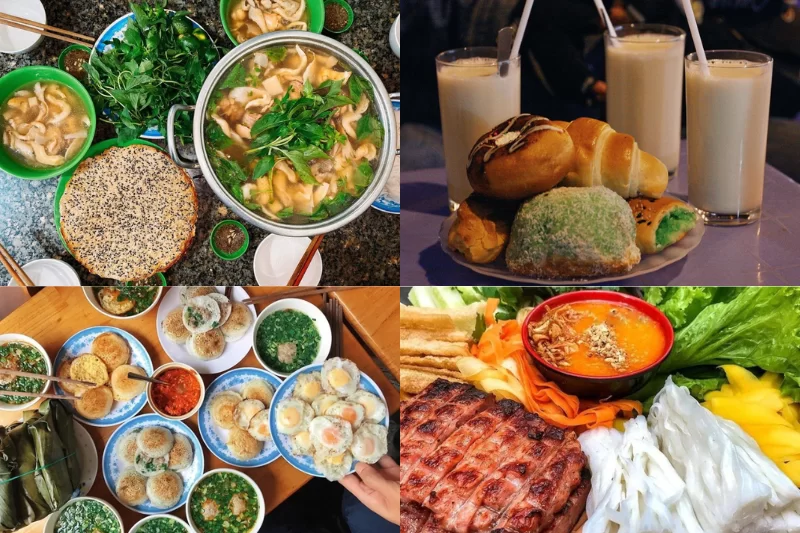
Banh trang nuong: A kind of "Vietnamese pizza" made from grilled rice paper with minced pork, quail eggs, and green onions.
-
Sua dau nanh: Refreshing soy milk, served hot or cold, often accompanied by pastries.
-
Lau ga la e: Chicken hotpot served with "la e" leaves (a type of local basil) with medicinal properties.
-
Banh can: Small rice pancakes cooked in terracotta molds, topped with pork or shrimp.
-
Nem nuong: Grilled pork skewers served with fresh herbs and rice paper.
-
Banh mi xiu mai: Sandwich or bowl of meatballs in a savory tomato sauce.
-
Kem bo: A creamy dessert made with fresh avocado and coconut ice cream.
Practical tips for traveling to Da Lat
-
Dress code: Pack warm clothes and scarves for the evening, as temperatures drop quickly. Bring an umbrella for unpredictable weather changes and comfortable shoes for the mountainous terrain.
-
Accommodation: The city offers everything from budget hotels to luxury resorts. Staying in the center is convenient, but the outskirts offer more peaceful views.
-
Driving: Although there are no traffic lights in the city, mountain roads can be winding and challenging. Drive with caution.
-
Shopping: Always check prices before buying or eating at markets to avoid overpaying.