



Vietnam: Authentic experiences not to be missed, region by region
Cyclo ride in the Old Quarter, water puppets,... a bucket list of authentically Vietnamese experiences, region by region, with the exact location and our practical tips for each.
Vietnam is not just about postcard-perfect rice paddies and fine sandy beaches. It's a country that has invented its own way of drinking coffee, telling a story with wooden puppets, or selling its mangoes in the middle of a river. Here is the long version of our bucket list: Typically — even exclusively — Vietnamese experiences, from North to South, with the exact place to experience each one and our practical tips.
Table of Contents:
North Vietnam
Ha Long Bay Cruise – Ha Long
Ha Long Bay is the most photographed site in Vietnam, and for good reason: nearly 2000 karst peaks emerge from emerald waters, a UNESCO World Heritage site. The most immersive way to discover it is to sleep aboard a traditional junk, with kayaking in caves, swimming, and sunset on deck.
- Where:
Quang Ninh Province, about 3.5 hours drive northeast of Hanoi. Many cruises also depart for the neighboring Lan Ha Bay, from Cat Ba Island. - Tips:
▫️Opt for a minimum 2-day/1-night cruise: a day trip only allows you to see a small part of the bay.
▫️Avoid July-September (typhoon season); the most pleasant months are from October to April.
▫️To escape the crowds, Lan Ha Bay offers equally spectacular landscapes, in a much calmer setting.
>> Read also: Halong, Bai Tu Long, Lan Ha: Which bay to choose?

Boat Ride – Ninh Binh
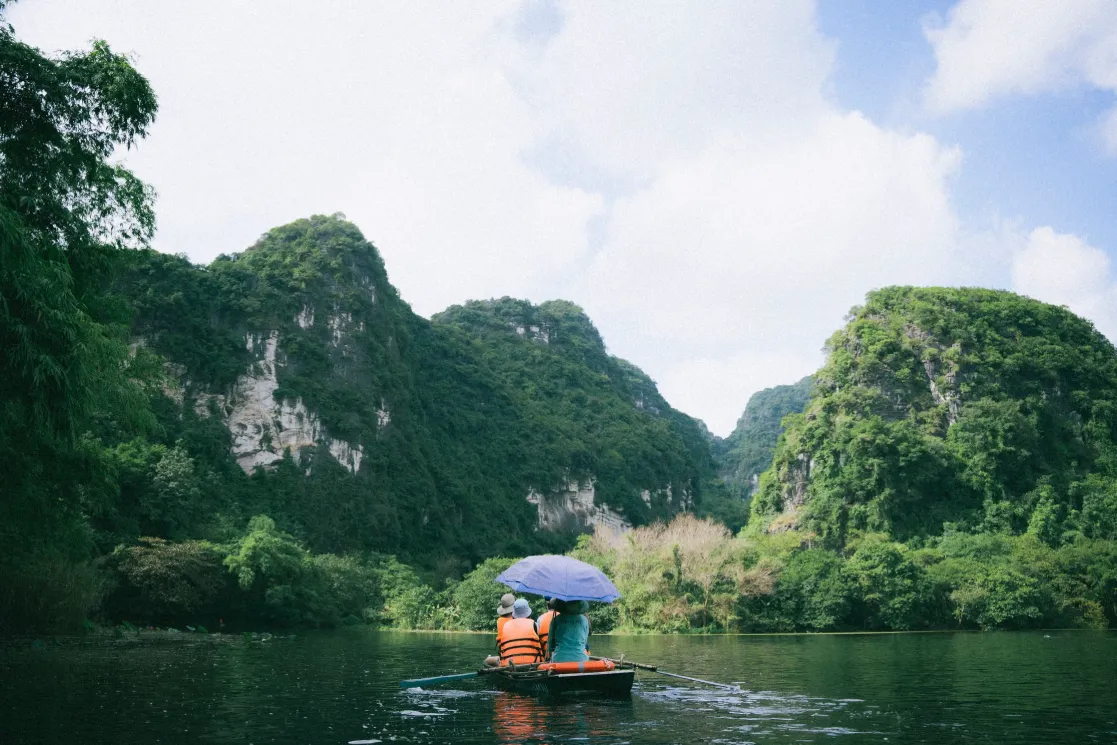
Nicknamed "the terrestrial Ha Long Bay", Ninh Binh offers equally breathtaking landscapes, but on fresh water: rice paddies nestled between limestone peaks, temples hidden in caves. Sitting at the bottom of a small flat-bottomed boat, you glide silently through cavities so low that you sometimes have to duck your head.
- Where: Two main sites, about 2 hours drive south of Hanoi: Tam Coc (the most famous) and Trang An (larger, with temples).
- Tips:
▫️Ideally in May-June, when the rice paddies are a vibrant green, or in September-October for the yellow of the harvest.
▫️Trang An is more authentic and less crowded than Tam Coc, but also more expensive and longer.
>> Read also: Planning your trip to Ninh Binh: everything you need to know
Ha Giang Loop
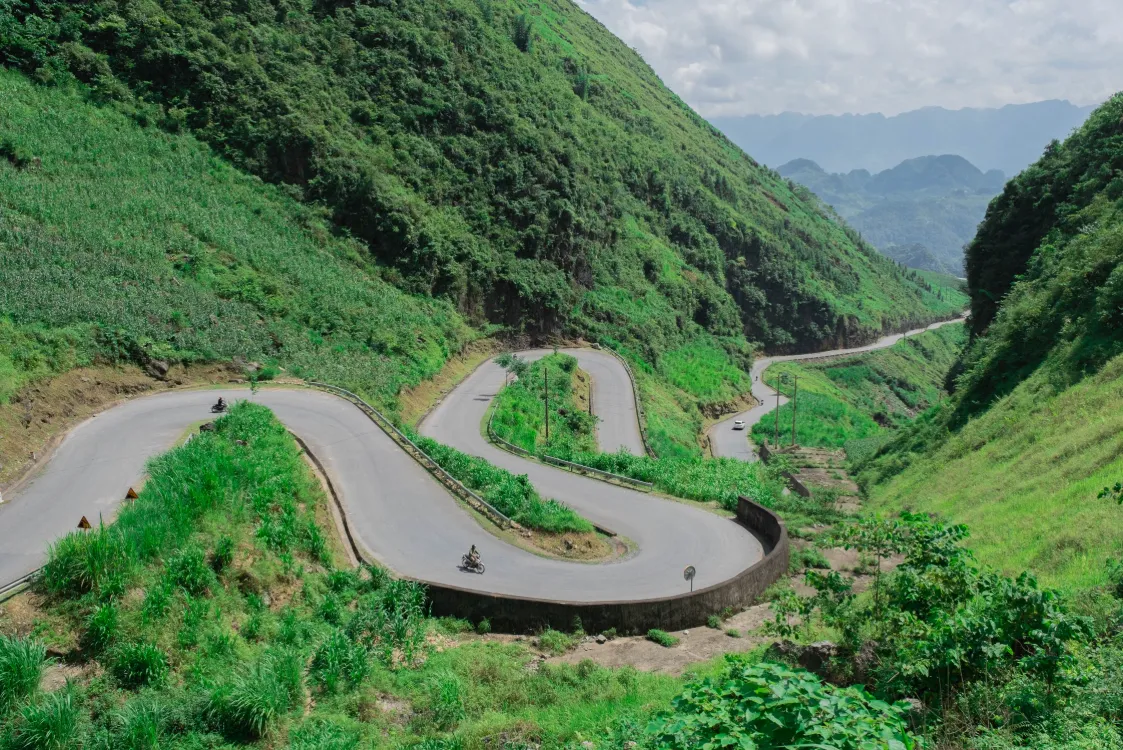
300 to 350 km of winding roads through the northernmost mountains of Vietnam, between the dizzying Ma Pi Leng Pass, the karst plateaus of Dong Van, and Hmong and Dao villages clinging to the slopes. It's the most memorable motorcycle experience in the country — provided you are physically and administratively ready.
- Where: Departure from Ha Giang city (about 6 hours by bus from Hanoi), 3 to 5-day circuit towards Dong Van, Meo Vac, and Du Gia.
- Tips:
▫️Best period: September-November (golden rice paddies then pink buckwheat flowers around Dong Van) or March-May.
▫️Without an international motorcycle license, opt for an "easy rider": a local driver takes you as a passenger, without the stress of driving.
▫️Police checks have increased in recent years: helmet and valid papers are essential if you are driving yourself.
>> Read also: Ha Giang: Complete guide to the mythical loop of North Vietnam
Terraced Rice Fields Trek – Sa Pa
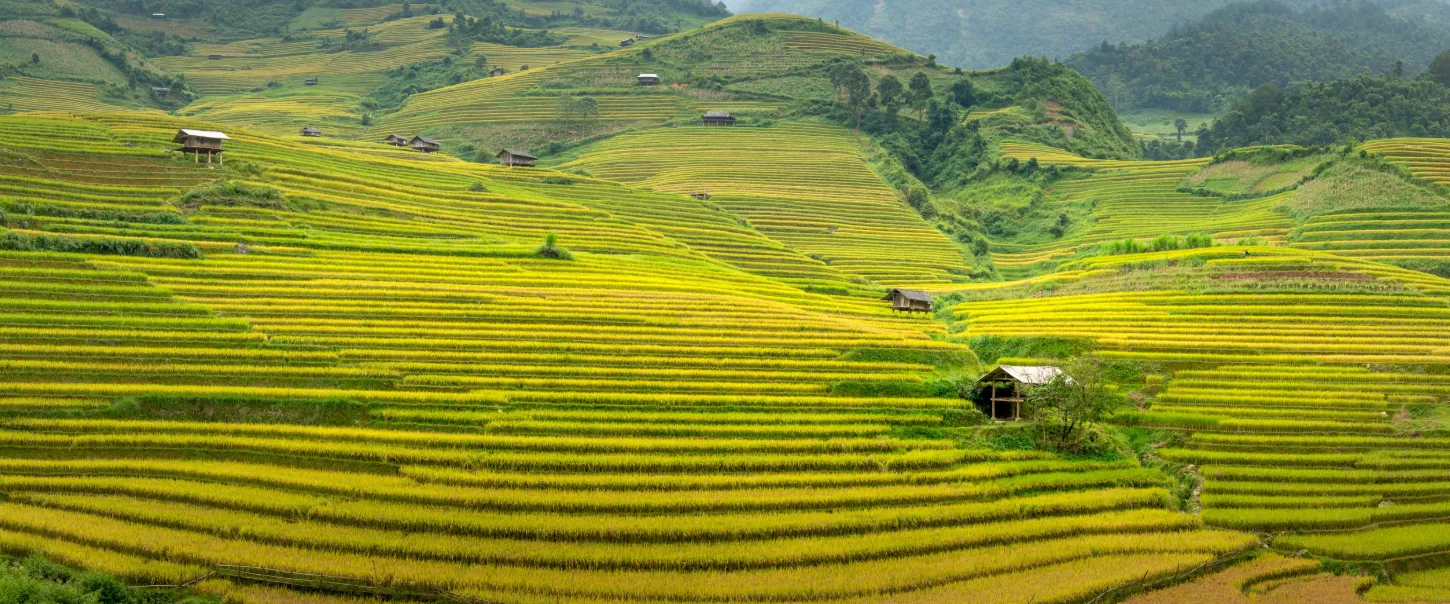
In the far northwest, the terraced rice fields of Sa Pa draw dizzying curves on the mountainside. One or more-day hikes cross Black Hmong, Red Dao, or Giay villages, with overnight stays in homestays and meals prepared on site.
- Where: Lao Cai Province, about 5-6 hours by road or overnight train from Hanoi.
- Tips:
▫️The rice fields are green in June, golden and ready for harvest in September-October: the most spectacular period.
▫️Bring good shoes: the trails are often muddy and slippery, even in the dry season.
▫️A local guide makes the experience much richer than a solo trek, and directly benefits the village economy.
>> Read also: A night at a homestay in Sapa: immersion with the Hmong
Cyclo ride in the Old Quarter – Hanoi
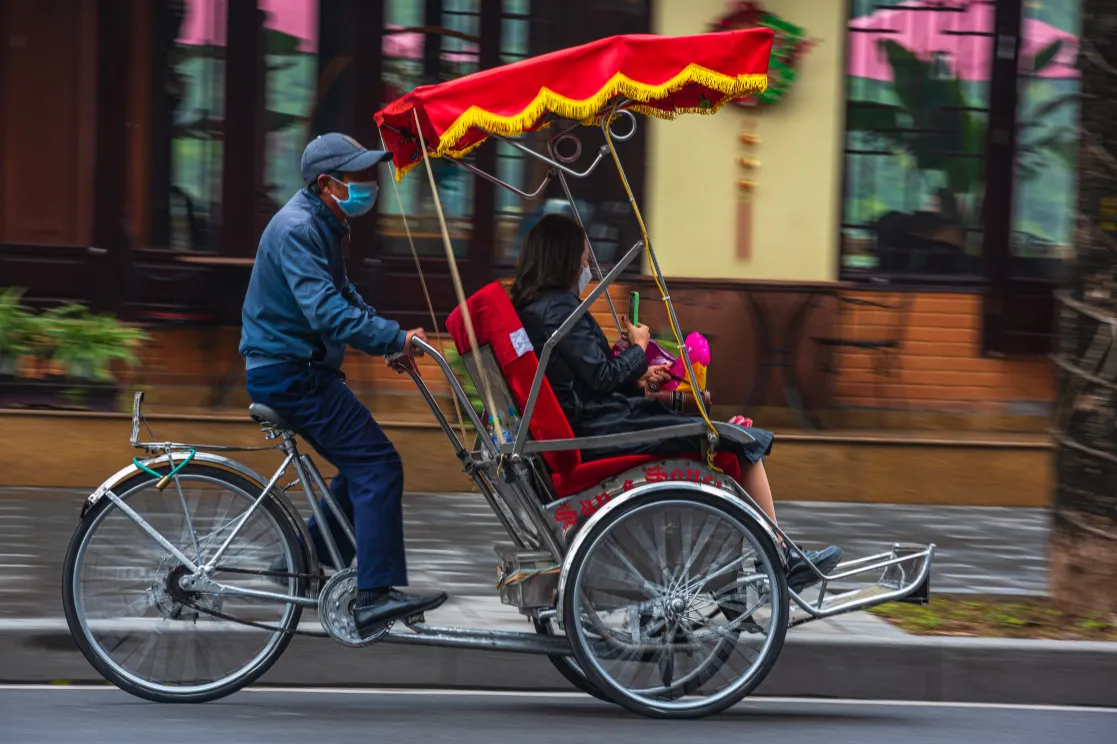
The cyclo-pousse, this pedal-powered tricycle inherited from the colonial era, remains one of the most pleasant ways to discover the famous "36 streets and guilds" of Old Hanoi, each street still bearing the name of the product once sold there.
- Where: Departure usually around Hoàn Kiếm Lake, the heart of the Old Quarter.
- Tips:
▫️Always negotiate and fix the price before getting on, never after: this is the golden rule to avoid unpleasant surprises.
▫️Allow about 30 to 45 minutes for a complete tour of the neighborhood.
▫️Early evening, when the heat subsides and the streets come alive, is the most pleasant time.
>> Read also: Hanoi: Atmosphere, Climate and Life in the Vietnamese Capital
Water puppet show – Hanoi
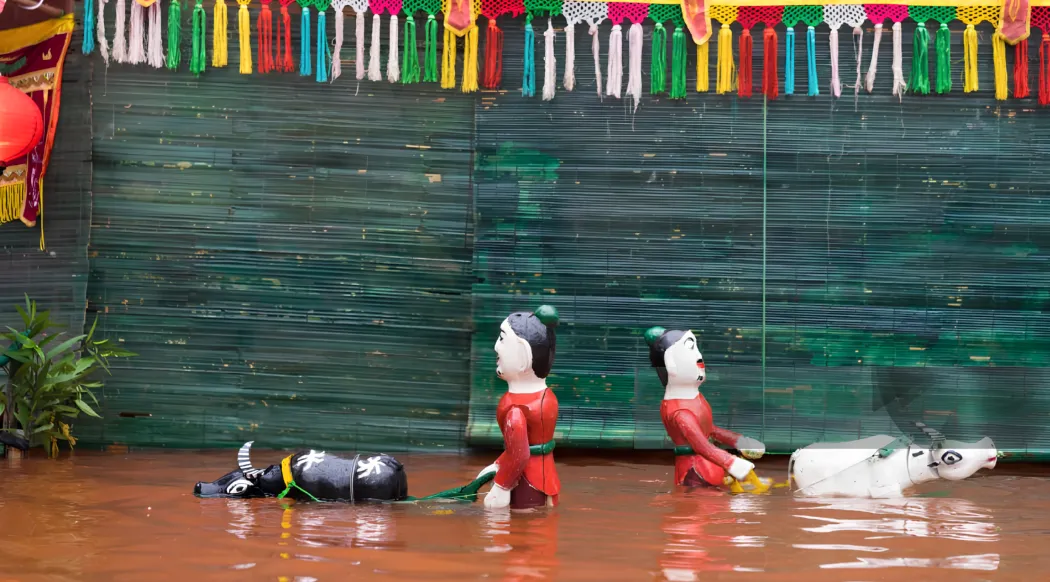
Born nearly a thousand years ago in the villages of the Red River Delta, this unique Vietnamese art features lacquered wooden puppets that seem to dance on the surface of a basin, operated underwater by puppeteers hidden behind a bamboo curtain, to the backdrop of live traditional music.
- Where: The Thăng Long theater, right on the edge of Hoàn Kiếm Lake, is the most renowned and central venue.
- Tips:
▫️Book your tickets the day before or on the same morning, especially during high season: evening shows sell out quickly.
▫️Performances last approximately 50 minutes, with several shows per day.
Coffee at Train Street – Hanoi
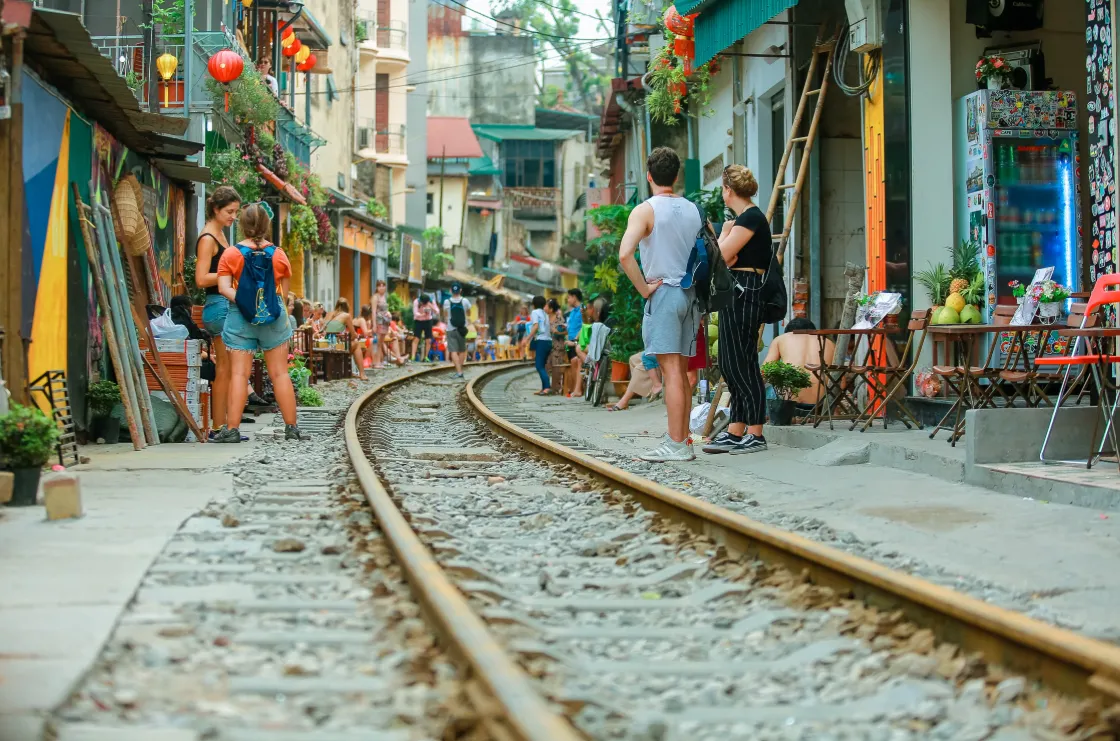
A residential alley where the railway track passes less than a meter from the facades: a surreal setting that has become one of Hanoi's most photographed spots, where people sit on terraces for coffee while waiting for the train to pass.
- Where: The most famous section is between Trần Phú and Phùng Hưng streets, in the Old Quarter.
- Tips:
▫️Access has been regulated since several closures for safety reasons: it's impossible to sit freely on the tracks, you have to go through one of the authorized cafes, which will escort you to a seat.
▫️Train schedules change regularly: it's best to check on site on the same day.
▫️Strictly remain seated within the cafe area when the train approaches.
Central Vietnam
Between Hội An's lanterns, imperial vestiges, and the world's largest cave, the Center is the most diverse part of the country.
Basket boat ride – Hội An
Round like a basket, waterproof thanks to a resin coating, the thúng chai was originally a fishing boat. Today, people take a seat to glide through a forest of water palms, until the local rower, in a gesture that has become the signature of the place, spins the boat around in a burst of general laughter.
- Where: The village of Cẩm Thanh and its Bảy Mẫu ("seven hectares") coconut forest, about 5 km southeast of Hội An's old town.
- Tips:
▫️Bring clothes you don't mind getting wet: splashes are part of the fun.
▫️The bike ride from the old town (20-25 minutes) is a beautiful way to get there through the countryside.
>> Read also: Top 5 historical monuments of Hoi An | Typic Travel

Lantern making – Hội An
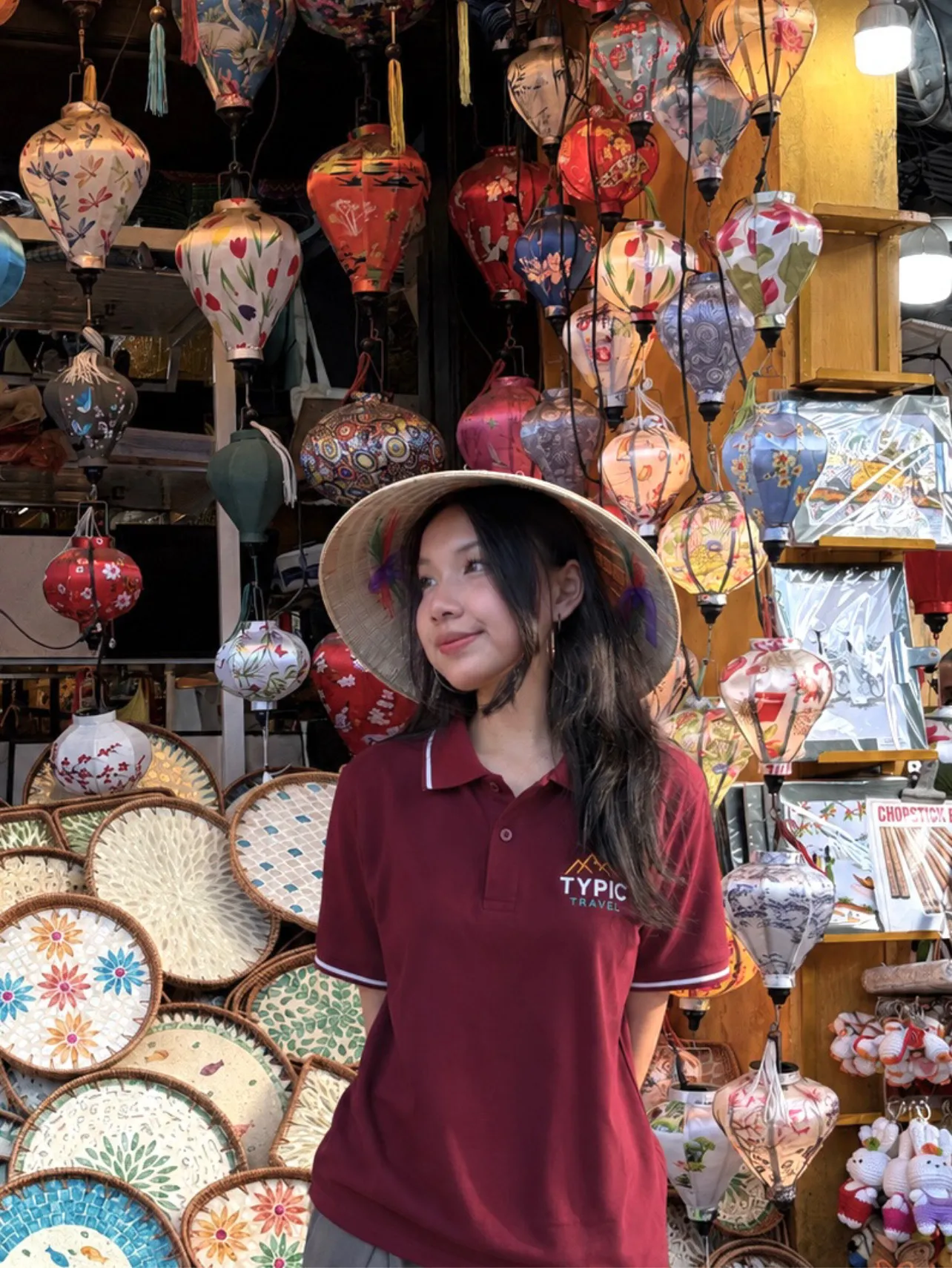
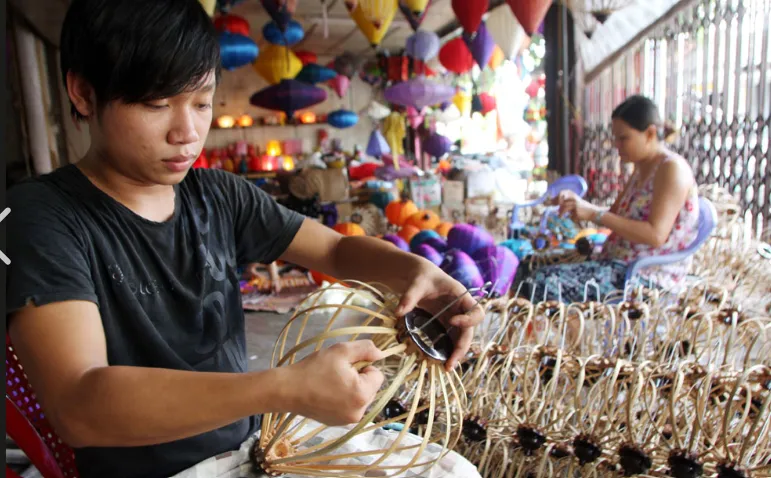
The silk lanterns that illuminate the streets of Hội An every evening are not just tourist decorations: it's a local craft passed down through generations. In a workshop in the old town, you learn to assemble the bamboo frame, then stretch and glue the colored silk, leaving with your own creation.
- Where: Several workshops in the old town of Hội An, especially around the central market and along the Thu Bồn river.
- Tips:
▫️Allow about 1h to 1h30 for a workshop, often offered in the late afternoon before the lanterns are lit in the evening.
▫️On the 14th day of the lunar month, Hội An turns off its electric lights for a "lantern night" entirely lit by candlelight — an ideal time to visit.
▫️Floating a small candle lantern on the Thu Bồn river in the evening is another local tradition not to be missed.
Scuba Diving – Nha Trang
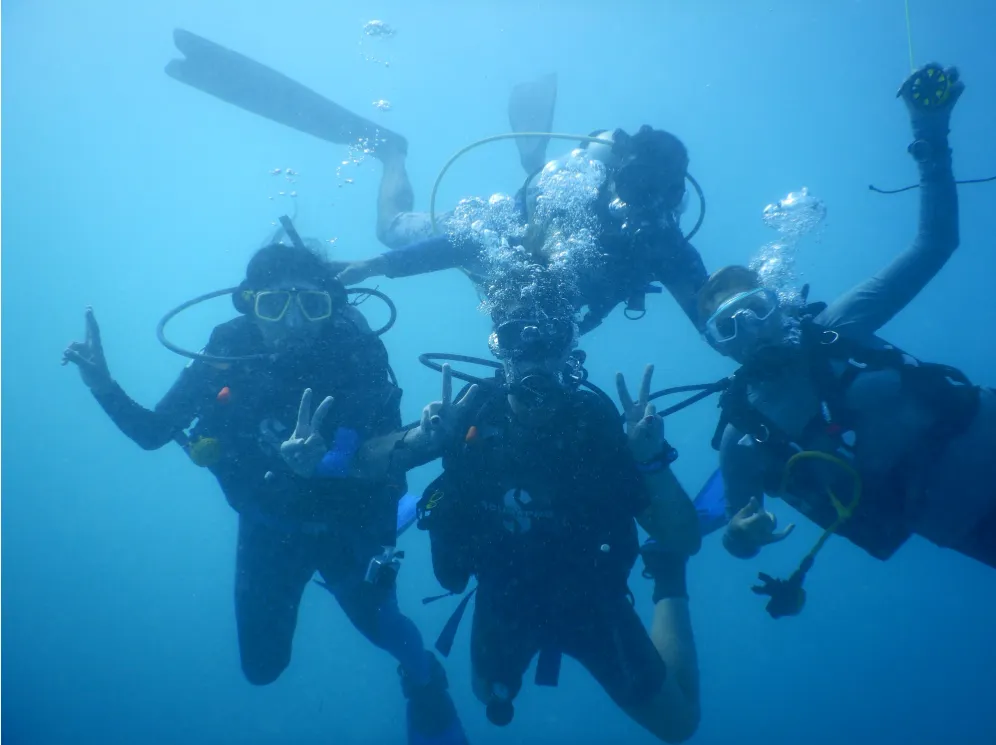
With turquoise water, good visibility for most of the year, and about twenty sites spread around several islands, Nha Trang Bay is considered one of the best diving spots in Vietnam, for both beginners and experienced divers.
- Where: Most trips depart by boat from Nha Trang to Hòn Mun Island, in the heart of a protected marine reserve.
- Tips:
▫️The best visibility is generally between June and September; avoid November-December, a more turbulent period.
▫️A discovery dive (without certification) is possible for beginners; certified divers can visit several sites in one day.
▫️Coral reefs have suffered from over-tourism: choose an operator committed to responsible practices.
>> Read also: Nha Trang, the essence of Vietnam in a seaside setting
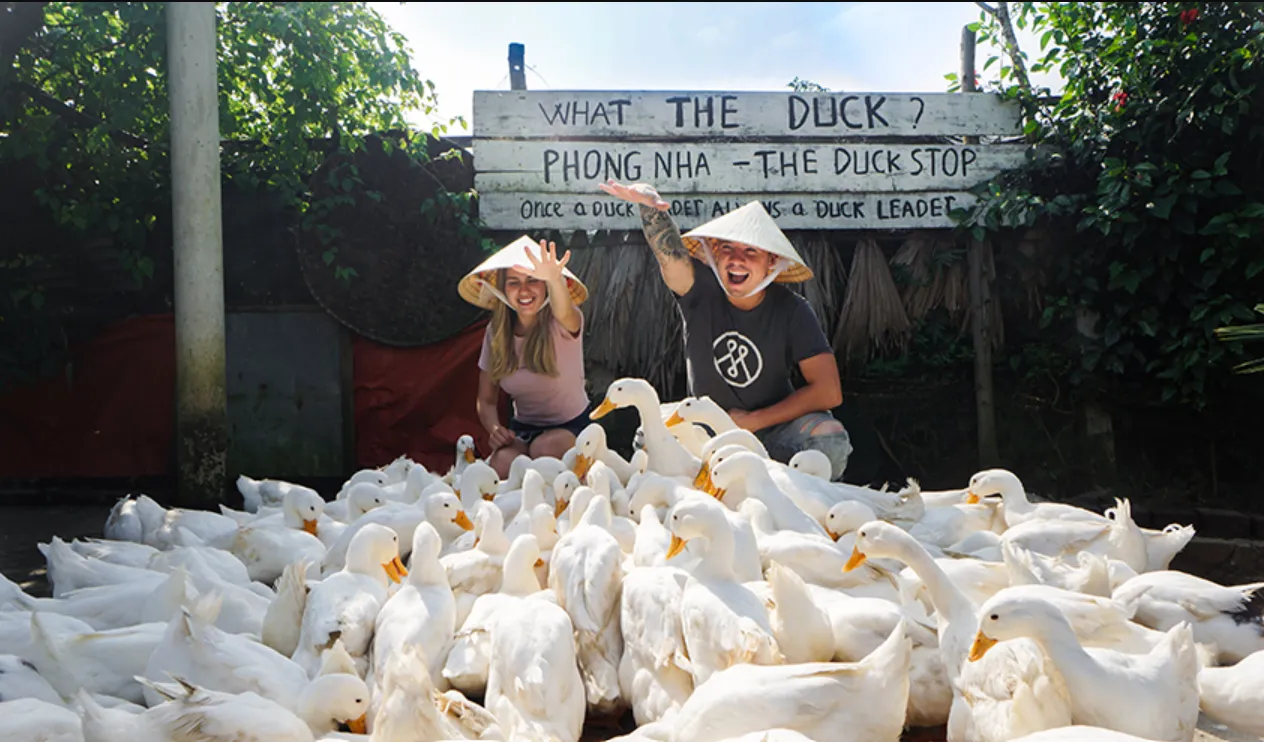
Duck Stop – Phong Nha
On the road between Phong Nha and its caves, an improbable open-air cafe where you are greeted by a flock of free-roaming ducks, who come to demand cuddles between two cups of iced coffee.
- Where: On the main road of Phong Nha, easily recognizable and well-known by local drivers.
- Tips:
▫️Avoid feeding the ducks anything other than what is offered on site.
▫️A good spot for spontaneous photos and some cool shade in the middle of the day.
Southern Vietnam
Humid heat, an endless delta, and the still very present memory of the war: the South literally ends on the water.
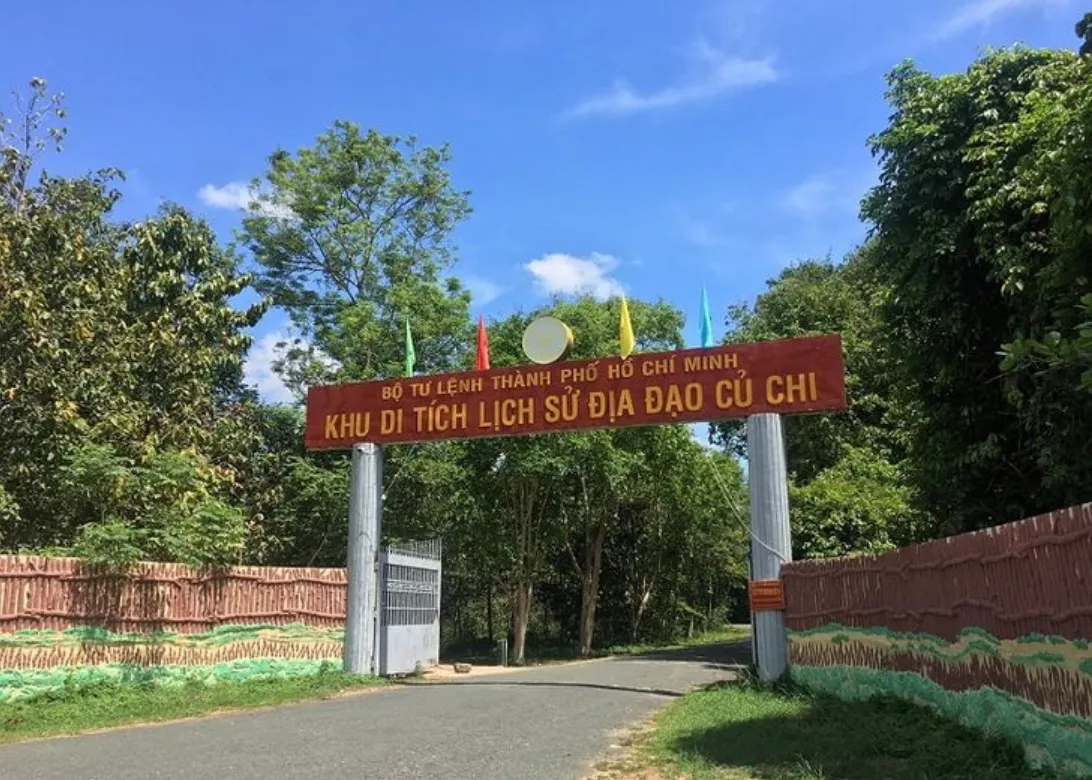
Visiting the Củ Chi Tunnels – Ho Chi Minh City
More than 200 km of hand-dug tunnels, on several levels, which allowed fighters to live, heal, and move underground during the war. Crawling through a section widened for visitors gives a concrete idea of what this conflict represented for those who fought it from underground.
- Where: Two sites open to the public, 1h30-2h30 drive northwest of Ho Chi Minh City: Bến Đình and Bến Dược.
- Tips:
▫️Taste the boiled cassava served with tea: one of the staple foods of the fighters during the conflict.
▫️Wear light clothing: the heat and humidity are intense, even in the shade of the trees.
>> Read also: The secret of the Cu Chi tunnels, a heroic land of steel
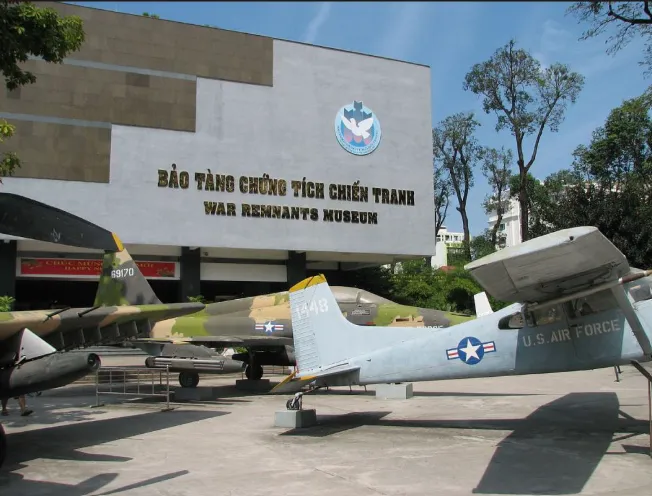
War Remnants Museum – Ho Chi Minh City
Through photographs, military equipment displayed in the courtyard, and personal objects, the museum recounts what Vietnamese people call the "American War," seen from the Vietnamese side. Some rooms, especially those dedicated to Agent Orange, are emotionally difficult, but this is also what makes it an essential step to understand the country.
- Where: 28 Vo Van Tan, District 3 (quận 3), a few minutes' walk from the Reunification Palace.
- Tips:
▫️Arrive at opening (7:30 AM) or after 3 PM to avoid school groups and tourist buses that flock in the middle of the day.
▫️Allow 1 to 2 hours for the visit; admission is very affordable (about 40,000 VND, less than $2).
▫️Warn younger visitors or sensitive individuals: some images displayed are graphic and may be shocking.
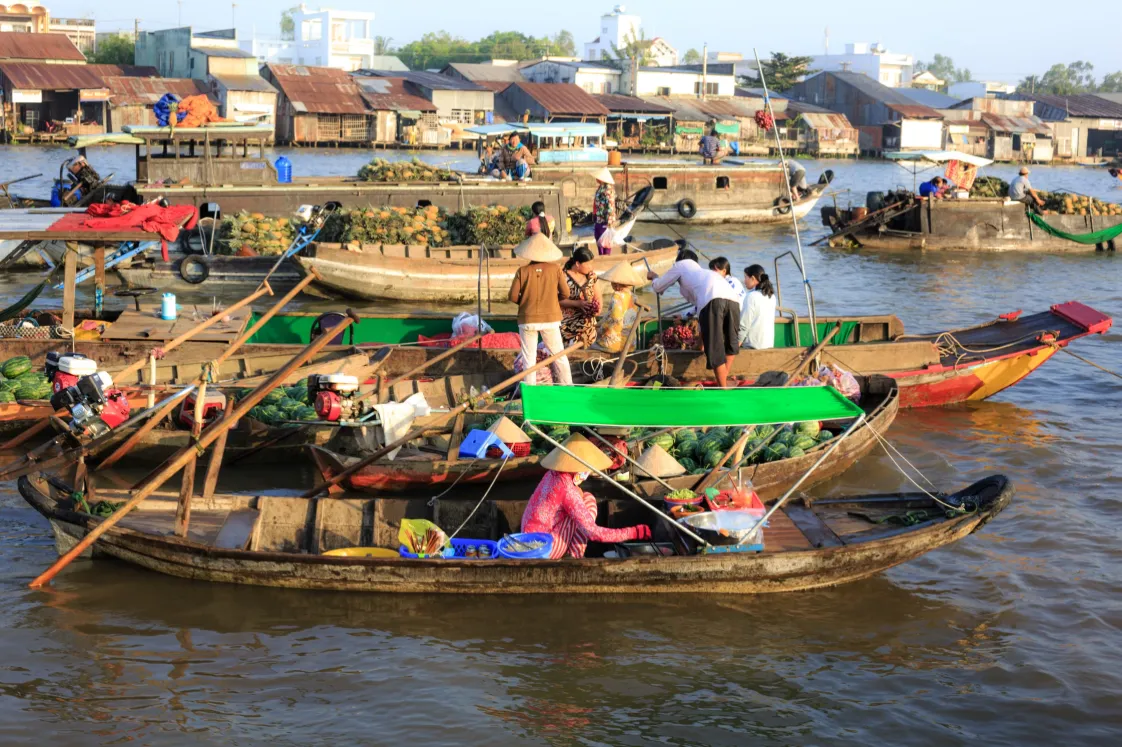
Floating Market – Cái Răng
For nearly a century, wholesalers in the Mekong Delta have gathered before dawn on their boats laden with fruits and vegetables. Each boat hangs a sample of its merchandise on the end of a long bamboo pole, the "cây bẹo," to be spotted from afar — a way to advertise without saying a word.
- Where: On an arm of the Hậu River, about 6 km from the Ninh Kiều pier, in downtown Cần Thơ.
- Tips:
▫️Go early: the market is most lively between 5:30 AM and 7:00 AM, and activity significantly decreases after 8:00 AM.
▫️Combine the visit with a stop at a traditional coconut candy factory on the way back.