




The climate of Vietnam
Located in the monsoon zone, Vietnam benefits from a hot and humid climate, from north to south. A climatic "border" however seems to be located in the vicinity of Đà Nẵng. Thus, "winter" only exists in the north, beyond the famous Hải Vân Pass, while in the south, it is almost always hot.
Located in the monsoon zone, Vietnam benefits from a hot and humid climate, from north to south. A climatic "border" however seems to be located in the vicinity of Đà Nẵng. Thus, "winter" only exists in the north, beyond the famous Hai Van Pass, while in the south, it is almost always hot.
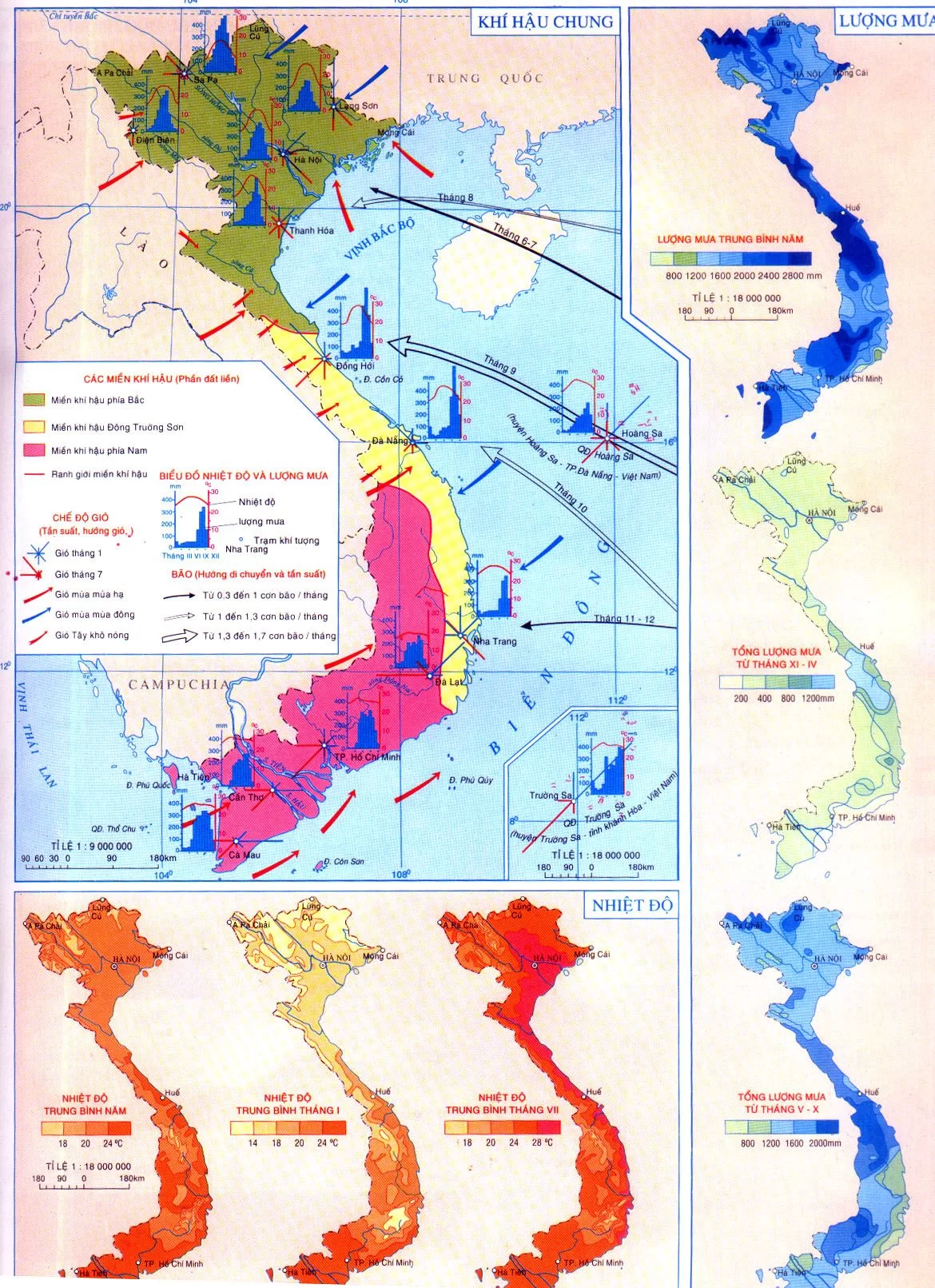
Vietnam is very long and therefore the climate zones are very different between regions (North, Central and South). This is why it can be said that there is no good season or bad season in Vietnam because if it is good in the North but not in the South and vice versa. So go to Vietnam whenever you want! You will have the chance of the climate, never any regrets.
Climate in the North
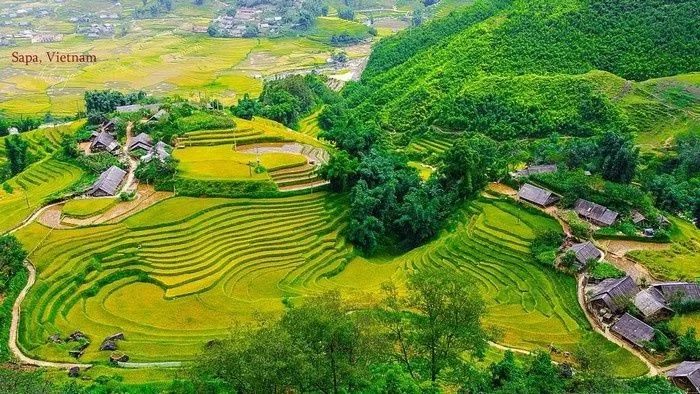
- Best period: from November to late April-early May, i.e. during the Vietnamese winter. It is never hot, it can even be a little cool. The weather is often grey and foggy, with occasional rain. You will sometimes have a kind of drizzle that can fall for several days, making for example Ha Long Bay or Hoa Lư quite gloomy. The temperature can reach 15 to 20 oC during the day and drop to below 10 oC at night. Photographer readers should not then expect to find the light and azure blue of agency brochures or films. From February to March, in the late evening, however, there can be beautiful clearings. A kind of spring sets in from mid-March to early May. Then it's summer. From May to October: "summer". Although it rains, this period is nevertheless the driest of the year and that with the highest temperatures. On average, it is 30 to 40 oC. At the end of the season, from September to November, the North can experience some quite powerful typhoons, coming from the South China Sea.
- Worst period: July and August. Torrential rains, sometimes very violent.
Climate in the Center
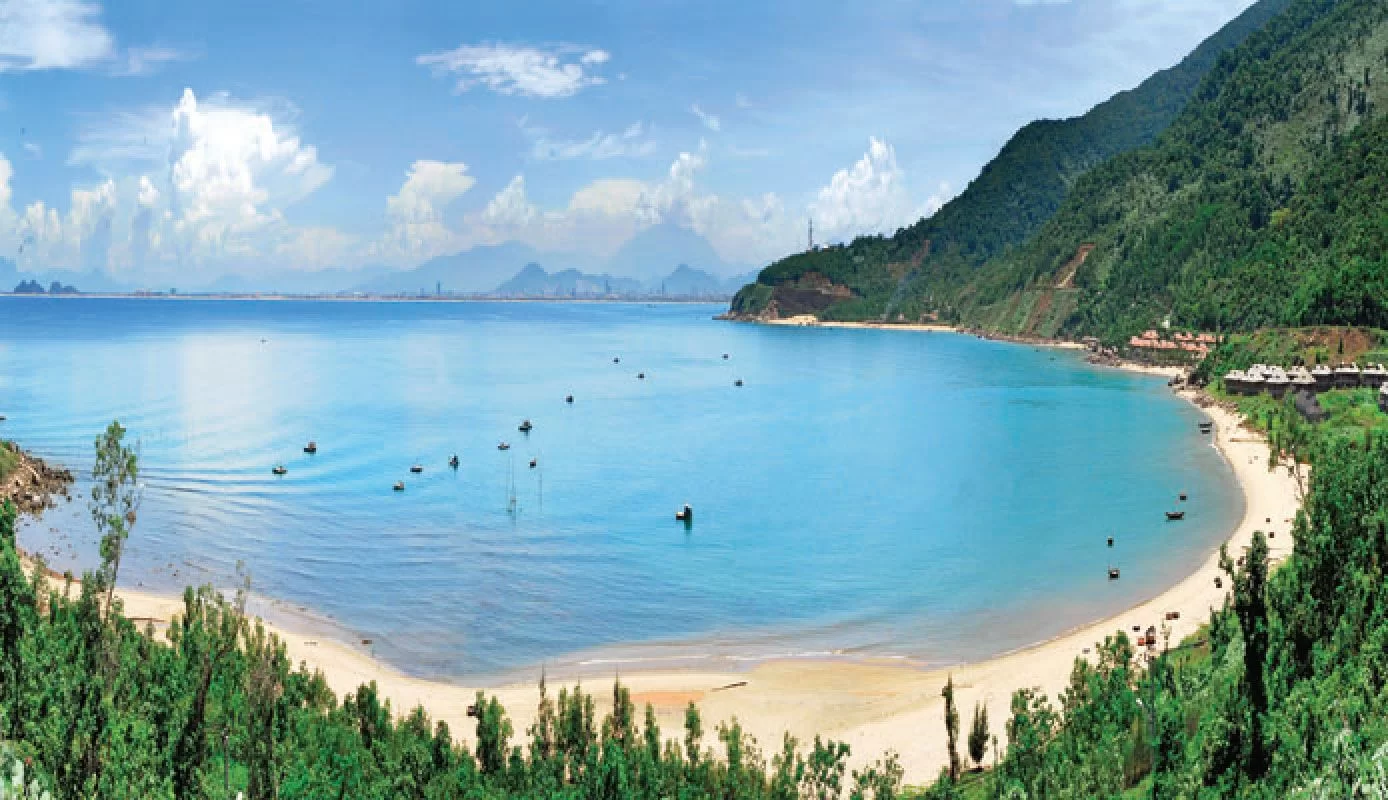
- Best period: from February to May. Avoid the period between November and late January: it rains a lot. Curiously, each year, in the Center, the rainy weather in January improves as the Tết holiday approaches (change of moon). The summer monsoon runs from May to November. From May to August are the hottest (scorching) months of the year. In Đà Nẵng, the average maximum temperature then oscillates between 33 and 34 °C. In the highlands: in Dalat, Ban Mê Thuột, Pleiku, the temperature is much cooler than on the coast. The microclimate of Nha Trang: this locality is renowned for being the most pleasant city in Vietnam climatically.
- Worst period: September and October. Time of monsoon changes; typhoons can form and hit the coast. After the rains, in November, some regions are partially flooded.
Climate in the South
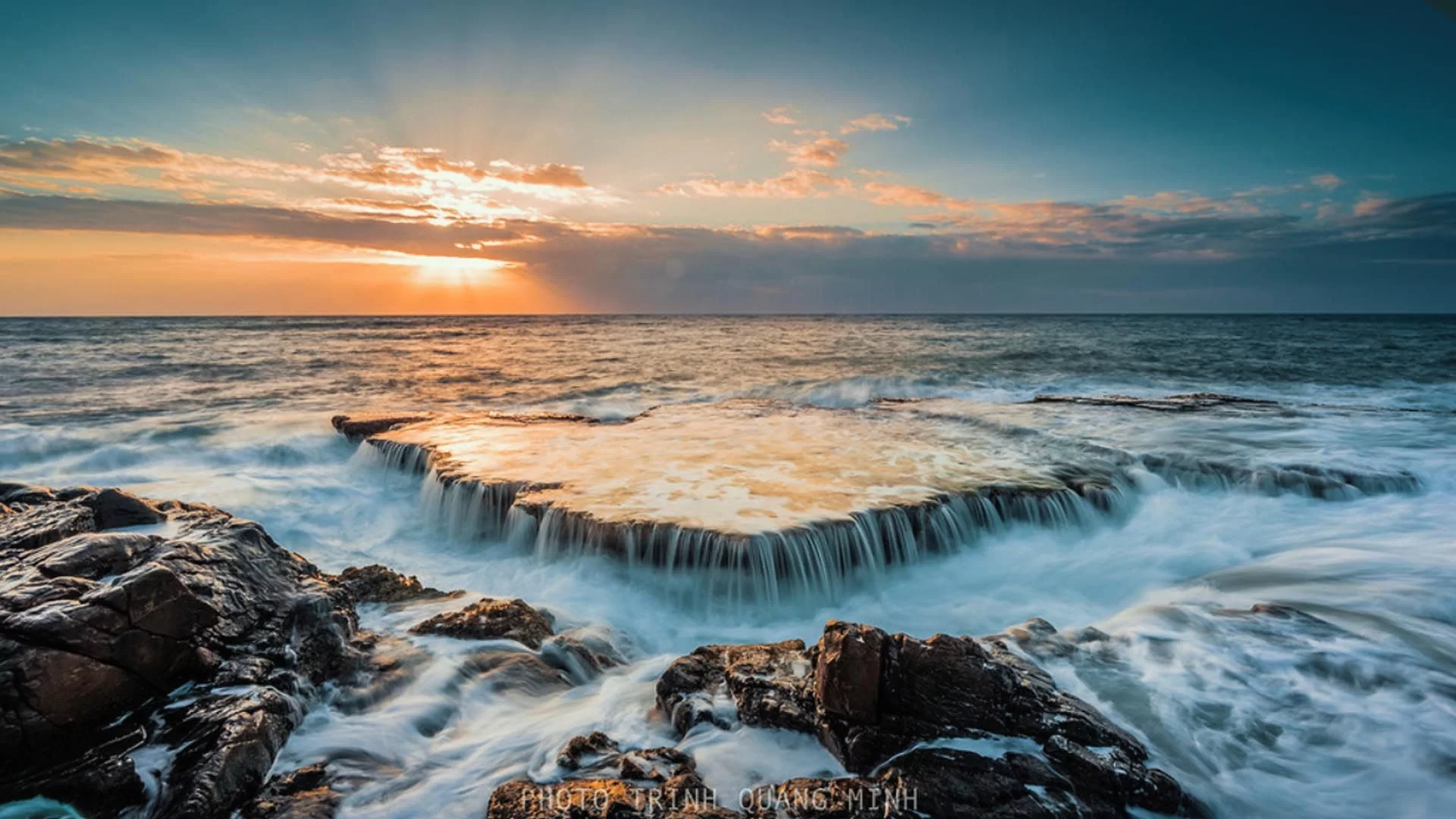
- Best period: from December to April, this is the dry and sunny period. February is the month with the least rain of the year. March and April are the hottest months, with an average of 34 to 35 °C.
- Worst period: from July to September, the rainiest period. Fortunately, it doesn't rain all day. Beware of floods that can occur suddenly in the Mekong Delta between mid-August and mid-September.
Clothing advice
For the north in winter, bring warm and waterproof clothing (like a sweater or fleece), as it can be cold (drizzle + wind). If, during the same trip, you go to the south, also bring light outfits: T-shirts, short-sleeved shirts, light pants.
| * If this article is interesting and useful please share it with your Friends and people around you by choosing the sharing channel below, please! * If you want to travel to Vietnam and truly discover it in depth with the most authentic places and the most typical cultures, we suggest you take a tailor-made trip to your wishes with a French-speaking travel agency in Vietnam like Typic Travel. Click our button "Free quote" or "Tailor-made trip" or send an email to Typic Travel * If you are simply looking for travel ideas in Vietnam or Indochinese Countries, Typic Travel offers you some main ideas according to the category of our trips on "our travel ideas" or follow us on one of your social networks to get more permanent info: |
|
Follow us on:
|
TripAdvisor | Facebook | Petit Futé | Youtube | Twitter | Instagram
|


