


Hanoi: A Stroll Through the Heart of French Architectural Heritage - Part 1
Let's continue our journey through time to discover the city's architectural heritage and understand its subtle yet strong character. Part two & end
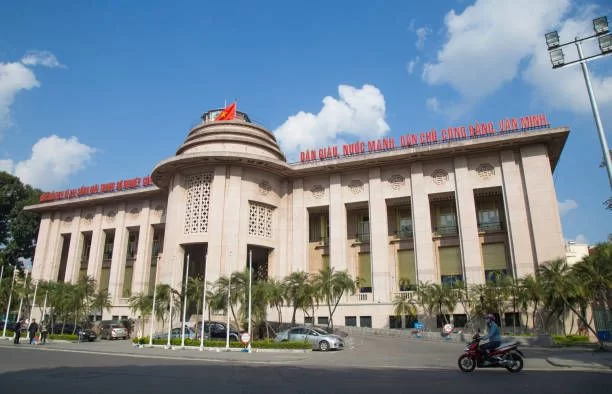 Hanoi had its Art Deco period: simple and modern forms (cubes, rectangles, cylinders), a majority of flat roofs, decorative steel motifs or cement and marble reliefs lighten the mass of the main blocks. After the First World War, as economic activity accelerated, a wave of French investors and a small number of Chinese and Vietnamese came to settle in Hanoi. A large number of bank offices, businesses, and private villas emerged, inspired by this style. A new generation of young architects embraced this modern, simple, and pragmatic design, which strongly resembled the Art Deco architectural trend in Western European countries and North America at that time. This was in the 1920s, with a peak in the 1930s. During this period, extensive research was also carried out to harmonize architecture and climate.
If you have the opportunity, take a look at some of the representative buildings from this period: The National Bank (former Indochinese Bank Branch), l'Espace - French Cultural Center in Hanoi (former IDEO printing house) – the Central Post Office and, of course, the villas in Ba Dinh district, on Ba Trieu street or Hang Chuoi street.
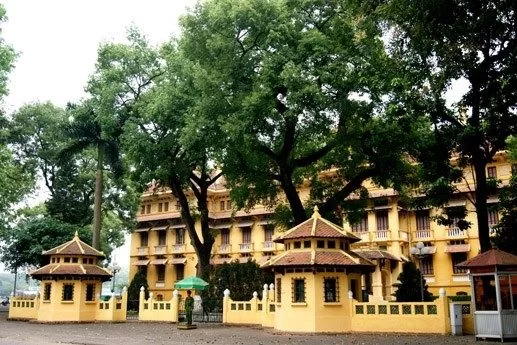 But Ernest Hébrard was going to change all that. The chief architect of civil buildings in Indochina imposed an urban plan in 1924. A pioneer and visionary, he was the author of the "Indochinese style", a kind of cross between traditional local architecture and Western style, with columns everywhere, a style now considered the pinnacle of French architecture in Hanoi.
A keen observer, he noted that the prevailing architectural style was not suitable for a tropical country. From 1921 to 1954, French architecture in Vietnam was thus modified to give birth to, for example, the University of Indochina (Vietnam National University - VNU), the General Revenue Office (which became the Ministry of Foreign Affairs), and the Louis Finot Museum of the French School of the Far East (which became the National Museum of Vietnamese History).
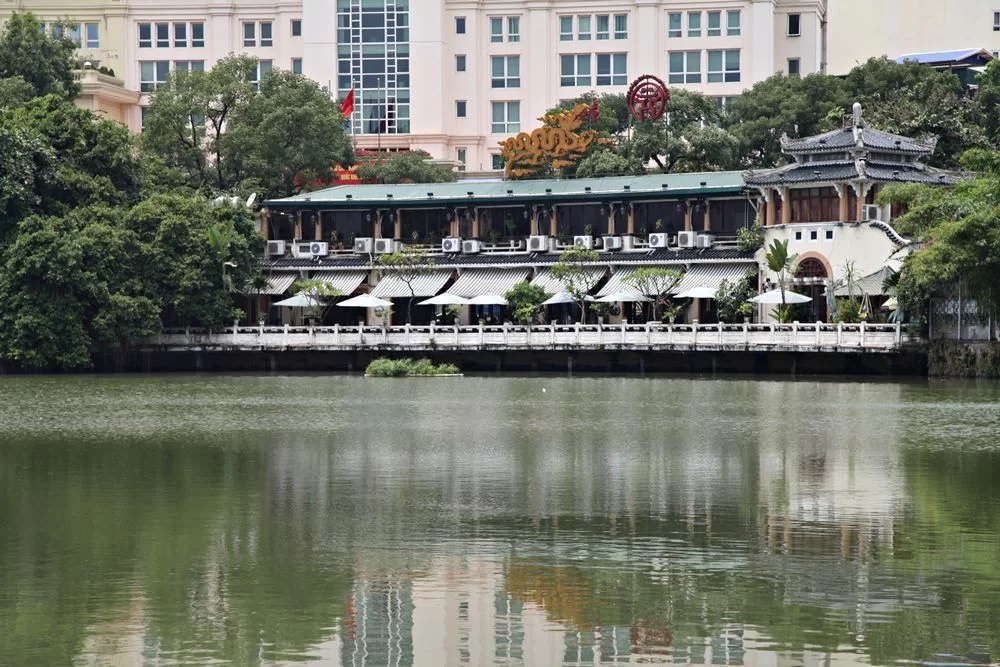 As you wander through the millennial city, you will certainly come across "Franco-Chinese" style houses, characterized by two floors, a "pipe" shaped or glazed tile roof, sophisticated classical Chinese style decoration, the inevitable round pillars, large gardens, and sometimes bonsai alleys in front.
Different from the Indochina style, Franco-Chinese buildings use Chinese decorative details and elements instead of Vietnamese and Khmer elements. This style appears mainly in private villas on Phan Đình Phùng, Quan Thanh streets and around Thien Quang lake, but also, for example, at the SOVICO company headquarters (former private villa), or at the Thuy Ta restaurant.
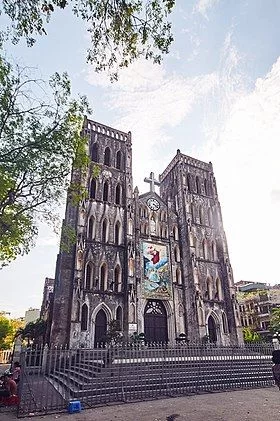 Let's conclude our journey by exploring the "Neo-Gothic" style, characterized essentially by 3 doors, the middle one being lower, a rose window, two towers, one on each side, ogival windows and colored stained glass.
In 1883, Saint Joseph's Cathedral, also known as the Grand Cathedral, was built and completed in 1888. With the intrusion of Christianity into Vietnam, many large and small churches appeared in Hanoi and the provinces.
Their architecture imitates that of Gothic churches in Europe, but with a lot of simplification in terms of decorative elements!
To see for yourself, simply visit Saint Joseph's Cathedral in Hanoi, Lang Tam church, or Ham Long church.
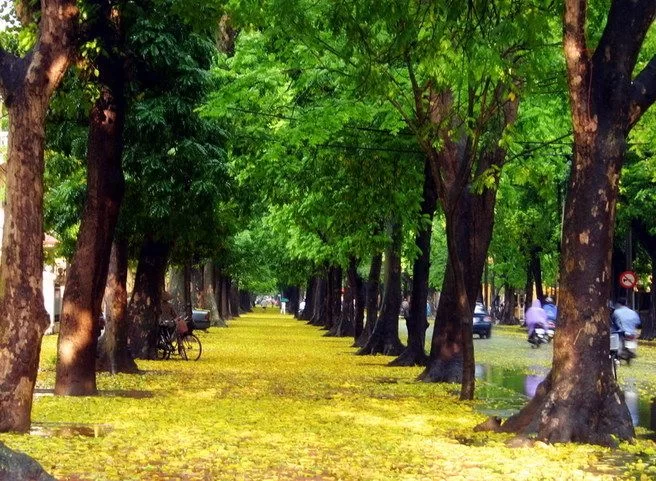 Of course, Hanoi's appearance has changed a lot since then. Many streets have been restored or widened. Others have been built. Some beautiful colonial residences have been demolished to make way for buildings... Another article would be needed on skyscrapers and contemporary complexes...
But the undeniable charm of Hanoi lies and will always lie in its grand French-style streets, lined with beautiful villas and century-old trees!
Next time you wander through the Old Quarter or the French quarters, look up... You will see that each residence has its own style, sometimes reflecting certain regions of France: the atmosphere, the style of Phan Dinh Phung, Hoang Dieu, Tran Phu or Le Hong Phong streets are not the same as in Quang Trung or Tran Quoc Toan streets...
| * If this article is interesting and useful, please share it with your friends and the people around you by choosing the sharing channel below! * If you want to travel to Vietnam and truly discover it in depth with the most authentic places and the most typical cultures, we suggest you take a tailor-made trip to your wishes with a French-speaking travel agency in Vietnam like Typic Travel. Click our "Free quote" or "Tailor-made trip" button or send an email to Typic Travel * If you are simply looking for travel ideas in Vietnam or Indochinese Countries, Typic Travel offers you some main ideas according to the category of our trips on "idea of our trips" or follow us on one of your social networks to get more permanent info: |
| Follow us on: | TripAdvisor | Facebook | Petit Futé | Youtube | Twitter | Instagram |
