- Home
- Travel Guide
- Travel Information
Our travel tips
Money in Vietnam
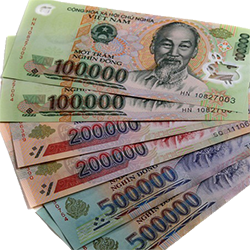
In Vietnam, the Vietnamese dong is the official currency (đồng Việt Nam), issued by the State Bank. Its international code is VND and its symbol is đ. Banknotes are made of cotton or polymer, depending on their value.
To manage your budget well, it's better to use the local currency. If you have euros, avoid exchanging them at the hotel or airport: exchange rates there are often unfavorable and commissions may apply. Prefer exchange offices or banks. Note that some jewelry stores also act as exchange offices.
Running low on cash? Don't panic! You can withdraw dongs from ATMs. However, be aware of bank fees. While credit cards are accepted in hotels and large supermarkets, Vietnam remains primarily a country where cash is king.
Tipping, a matter of tact
Tipping is not mandatory in Vietnam, but it is increasingly common in the tourism industry and is always appreciated when you are satisfied with the service provided.
Travelers may choose to tip tour guides, drivers, hotel porters, cyclo drivers, and other service staff.
In restaurants and cafés, tipping is not expected, although you may leave a small amount if you are particularly satisfied with the service.
Ttipping should always remain voluntary and based on your level of satisfaction.
Offerings, a spiritual tradition
When visiting temples and pagodas in Vietnam, you may notice visitors leaving small donations in offering boxes or designated areas.
These offerings should not be confused with tips. They are a way of showing respect, supporting religious activities, and contributing to the maintenance of sacred sites.
If you wish to participate, a small and discreet donation is perfectly appropriate. There is no required amount, and giving should always remain voluntary.
For more practical advice on managing money during your trip, discover our article “10 essential tips for mastering money in Vietnam” and travel with greater peace of mind.
Etiquette rules in Vietnam
To fully enjoy your stay in Vietnam, here are the main cultural codes to know. Mutual respect is the key to an enriching experience.
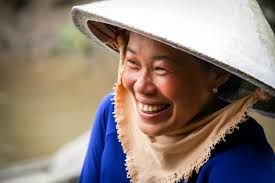
In social interactions
- A handshake is generally more appropriate than a hug.
- Try to remain calm and respectful.
- To call someone over, gesture with your palm facing downward rather than upward.
- Questions about age, family, or marital status may be more common in Vietnam.
- Vietnamese people are generally addressed by their given name, which usually appears as the last part of their full name.
Attire and behavior
- Choose modest clothing, especially in rural areas and when visiting religious sites.
- In temples and pagodas, avoid overly revealing clothing, remove your shoes where required, and keep your voice low.
- At the table, never leave your chopsticks standing vertically in a bowl of rice, as this is associated with funeral rituals.
- Take small portions from shared dishes and try a little of everything.
- Dishes may arrive one by one rather than all at once, which is common in Vietnam.
- When dining with locals, it is common for one person to settle the bill for the whole table, rather than splitting it individually.
With your guide
- If any issue or disagreement arises, discuss it openly with your guide so that a solution can be found quickly.
- Feel free to share your preferences or let your guide know if a visit does not interest you.
- In the event of a serious problem, contact Typic Travel directly for assistance.
To delve deeper into these tips and discover other important cultural aspects, consult our article "What not to do in Vietnam for a successful trip".
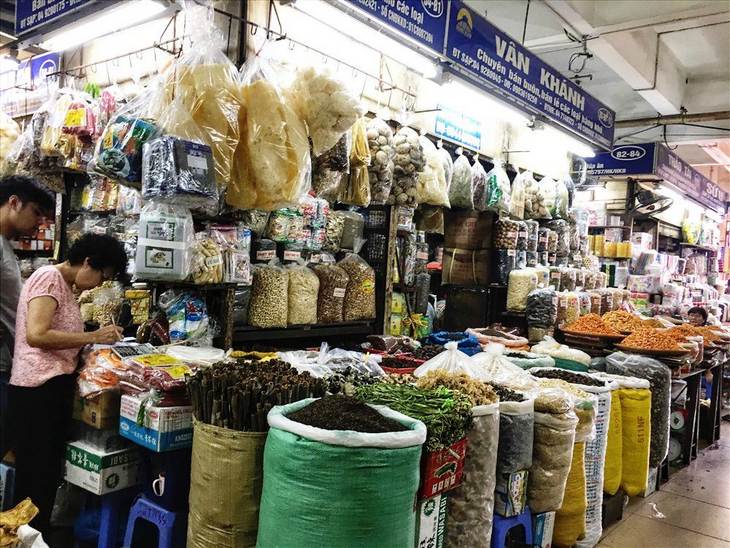
Bargaining is essential in street stalls and with small vendors. To succeed in your negotiations:
- Pay in Vietnamese dong (VND) whenever possible.
- Compare prices at a few shops before making a purchase.
- Stay friendly, patient, and respectful when negotiating.
- Make a reasonable counteroffer rather than immediately accepting the first price.
- Ask your guide or a local for advice if you are unsure about the usual price.
- Avoid showing too much enthusiasm before agreeing on the final price.
- Once a price has been agreed upon, it is generally good manners to honor the deal.
Must-have souvenirs
Flavors to Bring Home
- Vietnamese coffee, ideally paired with a traditional phin filter
- Vietnamese tea, including lotus, jasmine, and artichoke varieties
- Local spices, sauces, and condiments that capture the flavors of Vietnamese cuisine
Traditional Crafts
- Lacquerware, from decorative objects to elegant home accessories
- Phu Quoc pearls, crafted into delicate jewelry
- Van Phuc silk, known for its fine texture and traditional craftsmanship
- Hand embroidery from Dalat
- Bat Trang ceramics, one of Vietnam’s best-known traditional crafts
Cultural souvenirs
- The ao dai and non la, two iconic symbols of Vietnamese culture
- Golden Star Balm (Cao Sao Vang), a classic Vietnamese herbal balm
- Traditional paintings, silk artworks, and vintage-style posters
Special attention
For antiques, beware of counterfeits. Special authorization is required to export pieces considered national heritage.
To discover other typical souvenir ideas and our detailed shopping tips, consult our complete guide "What to bring back from Vietnam?".
Sending Mail Abroad
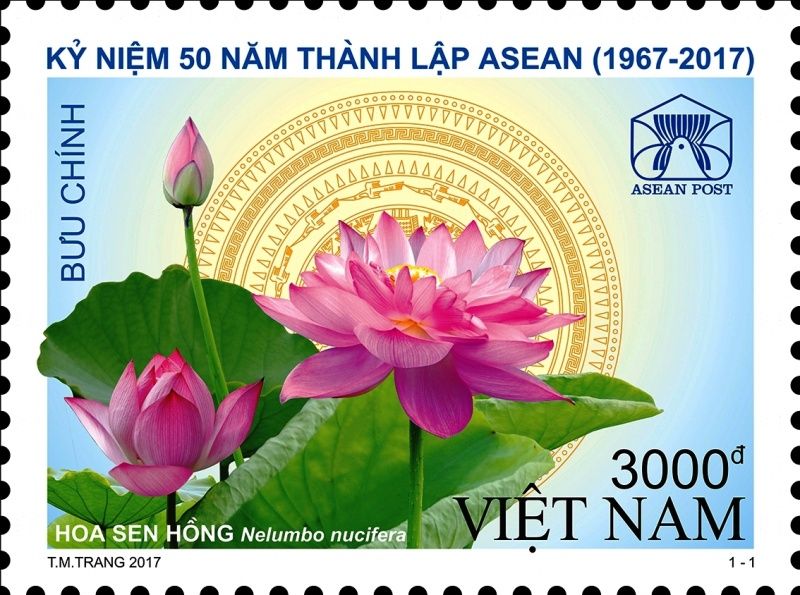
If you wish to send postcards, letters, or parcels abroad, we recommend using an official Vietnam Post office, especially for international shipments. Vietnam Post offers several international delivery services, including regular mail and express options.
Delivery times and costs vary depending on the destination and service selected, so check the estimated delivery time at the post office when sending your item.
Mobile Phone & SIM Cards
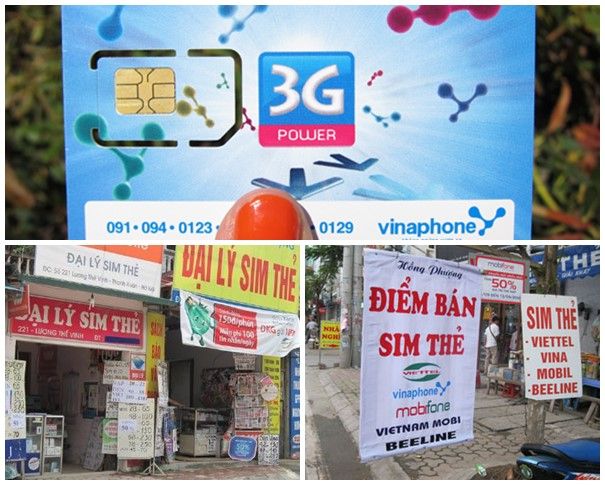
Getting a local SIM or eSIM is an easy and convenient way to stay connected during your trip. Vietnam’s three major mobile operators are:
- Viettel
- VinaPhone
- MobiFone
SIM cards can be purchased at airports and official or authorized stores. If your phone supports eSIM, this can also be a convenient option without changing your physical SIM card. Viettel, for example, currently offers tourist eSIM options for international visitors.
Make sure your phone is unlocked before using a Vietnamese SIM.
 Messaging & Internet Calls
With an internet connection, apps such as WhatsApp, Messenger, and Viber can be used for calls and messages.
Zalo is also widely used in Vietnam and can be particularly useful for communicating with local guides, drivers, hotels, and other service providers.
Internet & Wi-Fi
Wi-Fi is widely available in hotels, cafés, restaurants, and many tourist establishments, while a local SIM or eSIM is useful when you are on the move.
Before traveling, check your mobile operator’s international roaming charges. If you are using a Vietnamese SIM or eSIM, you may wish to disable data roaming on your home SIM to avoid unexpected charges.
For greater security, avoid accessing sensitive accounts or making important financial transactions over unsecured public Wi-Fi whenever possible.
Vietnamese: A Tonal Language
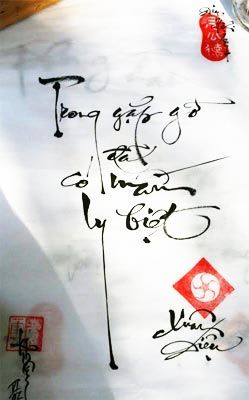
Vietnamese, the official language spoken by 84% of the population, is characterized by its monosyllabic nature. Each syllable is distinct, as in "Việt Nam". Its grammar is remarkably simple: no conjugation, no plural, invariable words. The real challenge lies in mastering the tones that give the language its musicality.
Regional Variations
Vietnamese is generally divided into three broad regional varieties:
- Northern Vietnamese: rich in consonants with six distinct tones
- Southern Vietnamese: few consonants and five tones
- Central Vietnamese: more refined with only two tones
These varieties differ mainly in pronunciation, vocabulary, and the realization of tones, while speakers from different regions can generally communicate with one another. Central Vietnamese in particular contains considerable local variation, so describing it as having “only two tones” would be incorrect.
Vietnam’s ethnic diversity also means that many other languages are spoken across the country, belonging to several different language families.
Foreign languages in Vietnam
English
English is the most useful foreign language for international travelers and is widely encountered in tourism, hospitality, education, and international business, particularly in major cities and popular destinations. Recent education figures also show that English is by far the most commonly chosen foreign language among Vietnamese students.
In more rural or remote areas, however, English proficiency may be more limited, which is where traveling with a local guide can make communication much easier.
French
French remains part of Vietnam’s historical and cultural heritage and continues to be taught and spoken within certain educational, professional, and Francophone communities. Vietnam is also a member of the Organisation internationale de la Francophonie. However, French is far less widely spoken today than English.
The Story of Chữ Quốc Ngữ
The history of modern Vietnamese writing is intimately linked to Father Alexandre de Rhodes (1591-1660). This traveling Jesuit created Quoc Ngu, a writing system using the Latin alphabet. This innovation revolutionized traditional culture, gradually moving Vietnam away from millennia of Chinese influence.
To discover how to greet in Vietnamese and impress your hosts, consult our article "Authentic Vietnam: saying hello like a local".
Electrical Outlets & Adapters
Outlets compatible
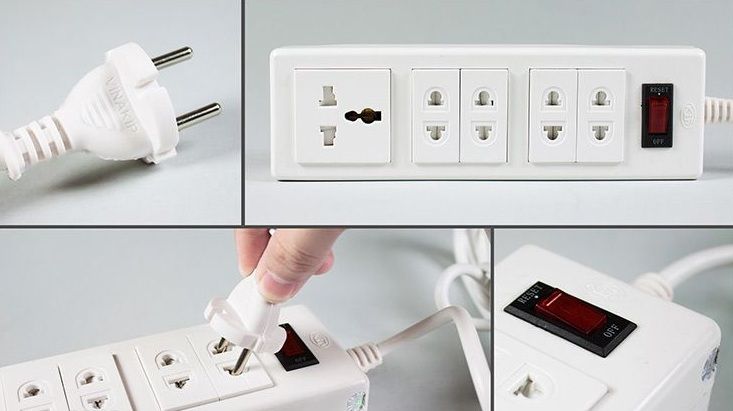
Vietnam operates on a 220V electrical supply. Most sockets accommodate two round-pin plugs, although socket types may vary depending on the accommodation or building.
Uneven electrical coverage
While electricity is present throughout almost the entire territory, the quality of the current varies by region:
- In cities: power supplied by hydroelectric power plants
- Along rivers: local micro-generators (weaker current)
- In mountainous areas: more fragile network
A Few Practical Tips
- Pack a universal adapter, especially if you are traveling through several countries.
- A small power bank can be useful during long journeys or stays in remote areas.
- Power cuts and voltage fluctuations are generally uncommon, but they may occasionally occur depending on the location.
- Avoid touching exposed electrical cables or damaged sockets.
- If you are unsure whether your device is compatible, ask your hotel or guide before plugging it in.
With a simple adapter and a little preparation, keeping your devices charged throughout your trip should be easy.
Vietnamese cuisine reflects the country's cultural and ethnic diversity.
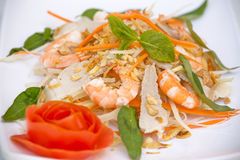
Vietnamese cuisine reflects the country’s regional, cultural, and ethnic diversity. It is known for its fresh ingredients, aromatic herbs, contrasting textures, and balance of flavors. Official Vietnam Tourism similarly describes Vietnamese food through ideas of freshness and balance.
Rice, noodles, vegetables, herbs, meat, seafood, and fermented condiments all play an important role in everyday cooking. Among the most characteristic ingredients is nước mắm (fish sauce), used both in cooking and as the base for many dipping sauces.
Vietnamese cuisine also varies considerably from one region to another. Northern cooking is often associated with more subtle seasoning and traditional recipes; Central Vietnam is known for bold flavors, chilli, and the refined culinary heritage of Huế; while Southern dishes often feature sweeter flavors and abundant tropical ingredients. These are broad tendencies rather than strict rules, as every province has its own specialties and cooking traditions.
Food is also closely connected to ideas of balance and harmony, including contrasts between hot and cool, fresh and cooked, soft and crunchy, and different combinations of flavors.
Rice
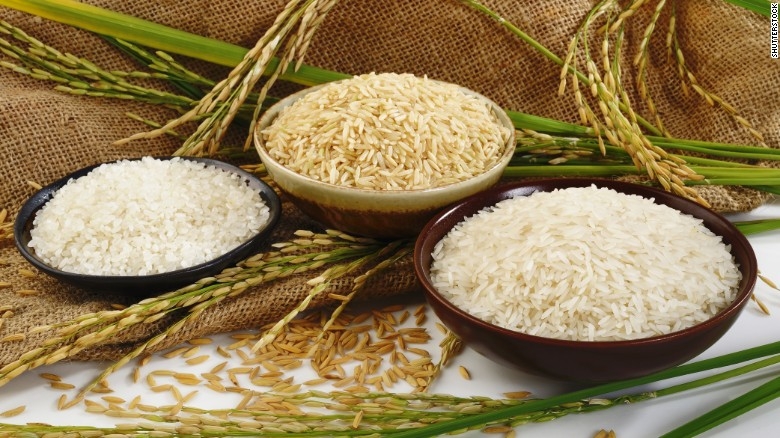
Rice has played a central role in Vietnamese agriculture, cuisine, and cultural traditions for centuries.
It appears in everyday meals as well as religious offerings, festivals, and important family celebrations. Rice is also transformed into an extraordinary variety of foods, including:
- steamed and fried rice;
- rice noodles and vermicelli;
- rice paper;
- rice flour pancakes;
- sticky-rice dishes;
- traditional cakes known collectively as bánh.
Vietnam grows many varieties of rice. Common categories include ordinary white rice, glutinous rice (sticky rice), and aromatic varieties such as jasmine rice.
One of the most symbolic rice-based foods is bánh chưng, traditionally prepared for Tết using glutinous rice, mung beans, pork, and dong leaves.
Noodles, Soups & Hot Pots
- Phở: A national emblem in itself, this dish is not only one of only three Vietnamese words that have gained official entry into the Oxford dictionary but is one of the most appreciated Vietnamese dishes in the world. Originally from the North, it is a noodle and meat soup. The broth will ideally have cooked for two days, it will be accompanied by slices of beef or chicken with noodles, seasoned with different spices, flavored with herbs.
- Miến lươn: Eel soup with transparent vermicelli.
- Bún thang: Rice noodle soup with broth and pieces of chicken, omelet, and shrimp.
- Lẩu: Broth commonly called the "Vietnamese hotpot".
- Canh chua: Fish and vegetable soup with a sweet and sour flavor due to the tamarinds (fruits of the tamarind tree) added for cooking.
- Mì: This is a soup containing yellow noodles made with wheat flour.
Some traditional dishes
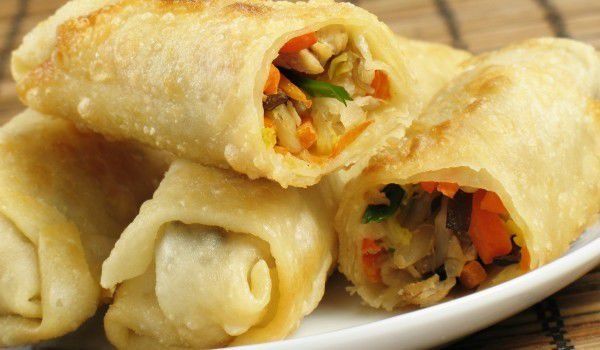 Nem: crispy fried rolls filled with ingredients such as pork, mushrooms, vegetables, and glass noodles.
Bún Chả: a Hanoi favorite combining grilled pork, rice vermicelli, fresh herbs, and a sweet-and-sour fish sauce dressing.
Bánh cuốn: delicate steamed rice rolls usually filled with minced pork and wood-ear mushrooms.
Bò bảy món: literally “beef seven ways,” a traditional meal featuring beef prepared using several different cooking techniques.
Chả cá: turmeric-marinated fish served with dill, spring onions, rice vermicelli, peanuts, and dipping sauce.
Ốc nhồi: stuffed snails prepared with seasoned pork and aromatic herbs.
Chạo tôm: seasoned shrimp paste wrapped around sugarcane and grilled.
Trứng lộn: a fertilized duck egg, commonly eaten as a street snack with herbs and seasonings.
Traditional Cakes & Sweets
- Bánh chưng: savory sticky rice cake wrapped in maranta, coconut, or banana leaves (which gives it its green color), served during the Tết holiday (Vietnamese New Year).
- Bánh bao: steamed bun, stuffed with pork, onions, and fragrant mushrooms.
- Bánh dẻo: cake made from sticky rice flour, filled with candied fruits, sesame seeds, and fat. Only for the Mid-Autumn Festival.
- Mứt: candied fruits made for the Tết holiday.
Desserts
Contrary to the original version, Việt Nam definitely does have desserts :)))
Fresh tropical fruit is popular, but there is also a huge variety of traditional sweets.
Chè:
One of Vietnam’s most diverse dessert categories, chè can be served hot or cold and may contain ingredients such as beans, glutinous rice, corn, lotus seeds, fruit, jelly, sweet potato, or coconut milk.
Drinks
Water
Tap water is not generally recommended for drinking in Vietnam. Travelers are advised to use sealed bottled water or properly filtered drinking water. Vietnam Tourism also recommends bottled water and advises extra caution with ice in rural areas.
Many hotels and accommodations provide complimentary drinking water or filtered-water stations.
Tea
Tea has a long tradition in Vietnam and is commonly served at home, in restaurants, cafés, and during social occasions.
Green tea is particularly common, while lotus, jasmine, and other scented teas are also popular.
Beer
Beer is widely enjoyed throughout Vietnam, from bottled brands to inexpensive bia hơi (fresh draft beer).
Well-known Vietnamese brands include Bia Hà Nội, Bia Saigon, 333, and Huda, while numerous regional and craft beers are also available.
Coffee
Coffee is an essential part of everyday life in Vietnam.
The country is particularly known for Robusta coffee, especially from the Central Highlands, although Arabica is also grown in areas such as Đà Lạt. Vietnam remains one of the world’s major coffee producers and exporters.
Traditional Vietnamese coffee is often brewed slowly through a small metal phin filter and served either black or with sweetened condensed milk.
Vietnamese coffee is often strong and full-bodied, particularly when brewed with Robusta beans, but modern cafés now offer everything from traditional phin coffee to espresso, specialty coffee, and contemporary creations.
|
Follow us on:
|
TripAdvisor | Facebook | Petit Futé | Youtube | Twitter | Instagram
|
Means of transport
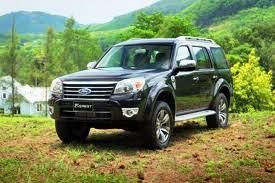
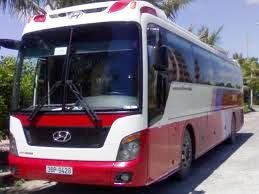
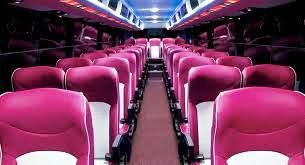
TYPIC Travel provides different types of vehicles depending on the number of travelers and the itinerary. Our vehicles are regularly maintained and selected to ensure comfort, safety, and reliability throughout your journey.
We work with trusted vehicle brands such as Mercedes-Benz, Toyota, and Hyundai.
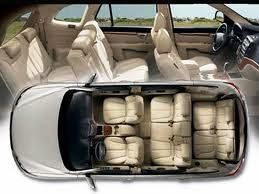
1–2 travelers: a comfortable 4- to 7-seater car.
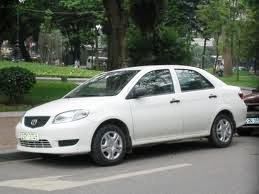
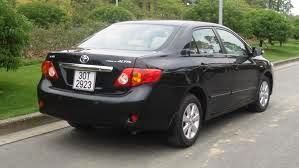
A 7-seater vehicle may be recommended for mountain routes or for a family/group of 3 travelers.
3–6 travelers: a 16-seater minibus.
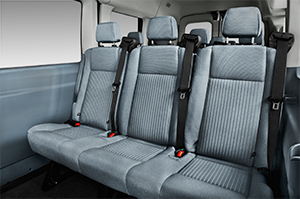
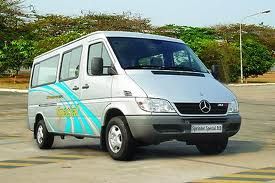
7–12 travelers: a 30-seater bus.
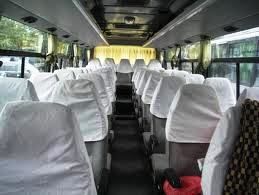
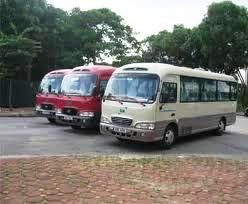
13–17 travelers: a 35-seater bus.
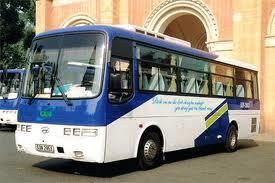
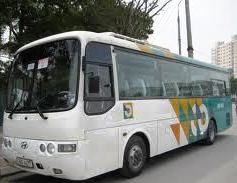
18–40 travelers: a 45-seater bus.
Non-contractual photos
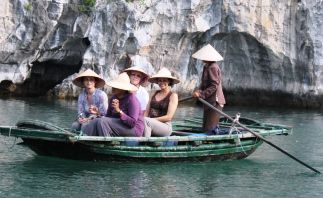
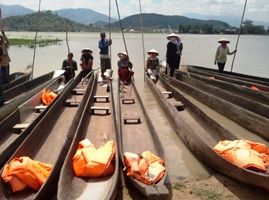
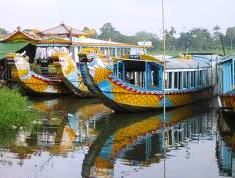
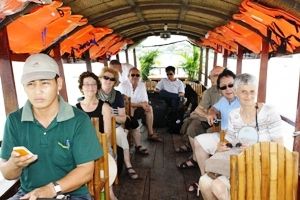
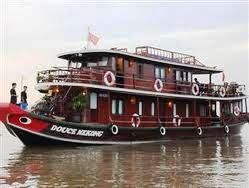
During your journey, boats are often the best way to explore rivers, lakes, bays, caves, and the waterways of the Mekong Delta. Depending on the destination, TYPIC Travel offers you:
1. Rowboats & Sampans: Halong Bay, Ninh Binh, the Mekong Delta... Or pirogues like on Lak Lake.
2. Motorboats: Small motorboats are commonly used for excursions on rivers and lakes, including:
- Ba Be Lake and Thac Ba Lake;
- the Chay River and Perfume River;
- the waterways of the Mekong Delta;
- Phong Nha caves;
- Nha Trang Bay;
- Tonlé Sap Lake in Cambodia;
- the Mekong River in Laos.
3. Cruises & Junks
• In Halong Bay
TYPIC Travel offers different cruise options depending on the duration of your trip and your preferred level of comfort:
>Day cruises (for excursions of a few hours)
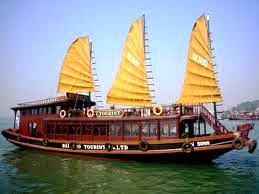
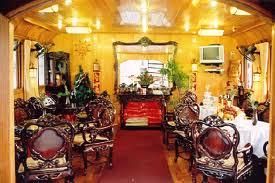
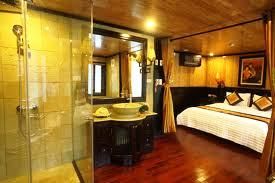
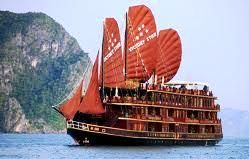
A wide range of boats is available, from small and intimate vessels to larger cruises with multiple cabins. Private charters can also be arranged depending on the size of your group and availability. Please contact us for more info!
• In the Mekong Delta
We also offer junks and sampans
> Sampans and boats (for day excursions)
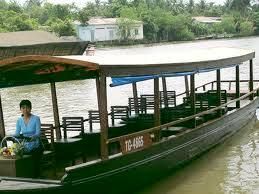
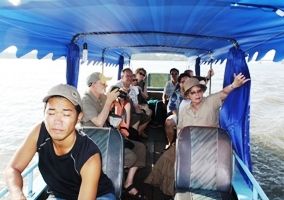
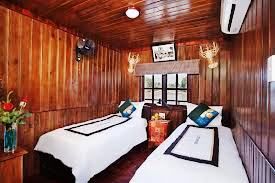
>Overnight cruises with cabins (for a more immersive experience)
Please contact us for more info!
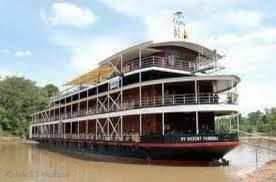
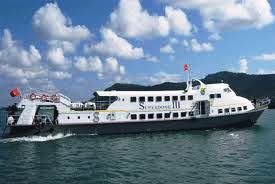
• Mekong crossing between Vietnam and Cambodia.
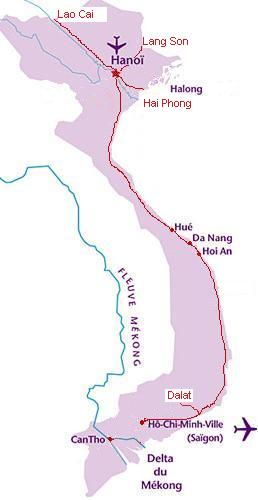
Traveling by train is a comfortable and scenic way to discover Vietnam. The railway network connects many destinations from Hanoi to Ho Chi Minh City, allowing travelers to enjoy changing landscapes, from northern countryside to the central coast and southern Vietnam.
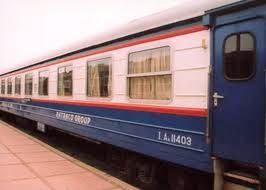
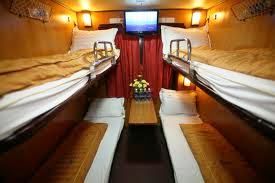
For longer distances, overnight trains can be a convenient option, allowing you to travel while you sleep and save valuable daytime for sightseeing.
Depending on the route and train, different seating and sleeping options may be available, including soft seats and sleeper cabins. Typic Travel can select suitable options according to your itinerary, comfort preferences, and availability.
1. Hanoi - Lao Cai
A convenient route for travelers continuing toward Sapa and the mountains of northern Vietnam. Sleeper accommodation may be available, and private tourist train services may also operate on this route depending on the travel date. Vietnam Railways has continued developing tourism-focused services on the Hanoi–Lao Cai line.
2. Hanoi - Hue
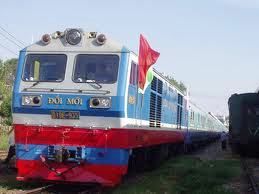
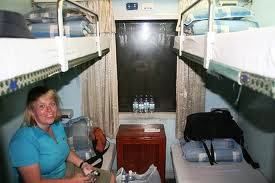
An overnight train is a practical way to travel between the capital and Central Vietnam while experiencing part of the historic North–South railway.
3/ Nha Trang – Ho Chi Minh City
Train services along the southern section of the North–South railway offer an alternative to flying and allow travelers to enjoy the journey at a more relaxed pace.
4/ Express Train Ho Chi Minh City (Saigon) - Phan Thiet - Nha Trang
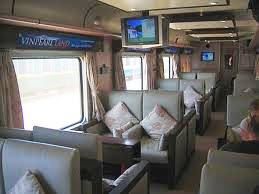
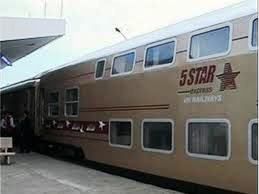
This route, very recently put into service, boasts its first 5-Star Express Train. Daily departures from Saigon – Nha Trang and vice versa for a 9-hour journey. On this train, you benefit from 4 and 5-star services, just look... Cinema room, nightclub, high-end restaurant, lounge-bar, massage parlor, conference room...
For other destinations, connections, do not hesitate to contact us by E-mail by clicking Typic Travel
TYPIC Travel offers you all flights from the country's main airlines. Do not hesitate to Contact us for your international or domestic destinations.
Our service providers-partners:

Vietnam Airlines
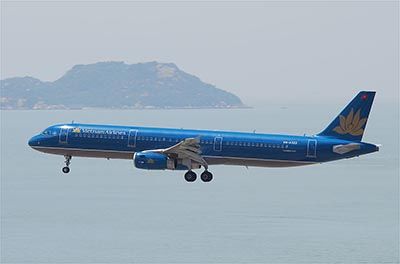
Vietnam Airlines is the national airline of Vietnam. It operates domestic and international flights from its two main hubs at Tân Sơn Nhất International Airport in Ho Chi Minh City and Nội Bài International Airport in Hanoi. Its two other bases are Đà Nẵng International Airport and Cam Ranh Airport.
Office at Paris-Roissy Charles de Gaulle Airport
Address: Terminal 2E - Paris-Roissy Charles de Gaulle Airport, France
Opening hours: 09:00 - 17:00
Phone: + 33 (0) 1 48 62 25 62
Fax: + 33 (0) 1 48 62 25 92
Email: cdg.station@vietnamairlines.com
Lotusmiles(Loyalty Program)
Phone: +33 (0) 1 44 55 36 22
Fax: +33 (0) 1 44 55 39 99
Email: lotusmiles.fr@vietnamairlines.com
Offices in Hanoi
53 Quang Trung, Nguyen Du, Hai Ba Trung District, Hanoi
Tel.: +84 (0) 24 38320320
Offices in Ho Chi Minh City
Unionsquare, 171 Dong Khoi, Ben Nghe, District 1 - Ho Chi Minh City
Tel.: +84 (0) 24 38320320

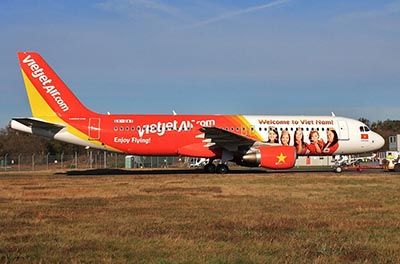
VietJet Air
Founded in 2009, this private company primarily offers low-cost travel. It is based at Nội Bài (Hanoi) and Tân Sơn Nhất (HCMC) airports. It also has a base at Đà Nẵng International Airport.
Offices in Hanoi
95G - 95H, Ly Nam De, Hoan Kiem District - Hanoi
8 - 16 Huynh Thuc Khang, Ba Dinh District - Hanoi
Tel.: +84 (0) 24 3747 4848 / 24 3831 0888
Offices in Ho Chi Minh City
55 Bis - Nguyen Trei, Nguyen Cu Trinh Ward, District 1 - HCMC
Tel.:+ 84 (0) 28 3920 5999

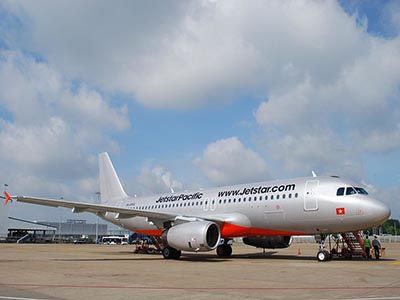
Jetstar Pacific Airlines
Jetstar primarily serves Vietnam from its two hubs in Ho Chi Minh City and Hanoi.
Offices in Hanoi
70 – 72 Bà Triệu, Hàng Bài Ward, Hoàn Kiếm District - Hanoi
Tel.: +84 (0) 24 3974 3167
Fax: +84 (0) 24 3974 3167
Nội Bài Airport - Hanoi
Tel.: +84 (0) 24 3584 4468
Fax: +84 (0) 24 3584 4468
Offices in Ho Chi Minh City
177 Vo Thi Sau, Phuong 7, District 3 - HCMC
Tel.:+84 (0) 28 6290 7349
Fax: +84 (0) 28 3932 5980
 |
 |
 |
General health information
Vietnam is generally an easy destination to travel in, but a few basic health precautions can help you enjoy your journey with greater peace of mind.
Before departure, we recommend consulting your doctor or a travel health professional several weeks before your trip, especially if you have a medical condition, take regular medication, are pregnant, or plan to visit rural or remote areas. Travelers should also make sure their routine vaccinations are up to date.
If you take regular medication, bring enough for the entire trip, preferably in its original packaging, together with a copy of your prescription or medical documentation.
Mosquito-Borne Diseases
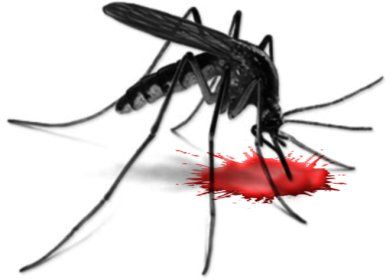 Zika Virus: A case of the virus infection was reported in Vietnam in 2017. The risk of its entry is quite high. Cases have been detected in Thailand. It is transmitted by Aedes mosquito bites. The only protection for now is mosquito repellent.
Dengue: Vietnam experiences epidemic peaks of dengue (also called tropical flu) in urban and semi-urban areas. In 2016, 122,000 cases were reported, with 8 deaths. Unlike malaria, dengue is transmitted during the day by Aedes mosquitoes. There are many victims. Children are particularly vulnerable. There is currently no commercialized treatment or vaccine. The only protection is to wear more covering clothes and to spray mosquito repellent on the most exposed parts of your body. Think about it before going out!
1. Malaria Prevention
Vietnamese malaria is only present in restricted areas: there is no malaria in major cities, tourist coastal cities, or rice plains. Therefore, it is very exceptionally that travelers will be confronted with the problem of malaria. Thus, many usual tourist trips that include nights in the city are practically safe.
However, if you have to stay in a risk area, please follow these recommendations:
- use an effective insect repellent according to the manufacturer's instructions;
- wear long sleeves and trousers when appropriate;
- stay in rooms with air conditioning or screened windows where possible;
- use a mosquito net when sleeping in accommodation exposed to the outdoors.
2. Prevention of Diarrhea (Cholera or Traveler's Diarrhea)
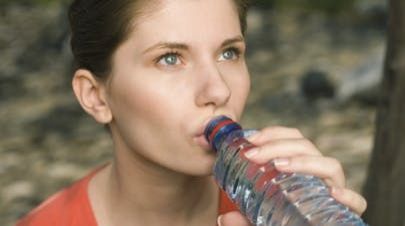 Traveler's diarrhea is common among tourists. Moreover, it generally occurs during the first three days of the trip.
It is not due to changes in diet and climate, spices, or travel fatigue: it is always of infectious or very often bacterial origin.
Prevention of infectious and parasitic diarrhea involves good food and drinking water hygiene.
Treatment is mainly based on rehydration and dietary advice.
Although it presents a significant risk (around 50%), traveler's diarrhea is benign in most cases.
Follow these few precautions and everything will be fine!
- 98% of affected people were careless and did not follow the rule of "boil it, cook it, peel it or forget it". 71% had eaten raw vegetables or salads, 70% unpeeled fruits, 53% had accepted ice cubes in their drinks. Therefore, avoid, as much as possible, raw vegetables, undercooked meats. Be especially wary of shellfish and other mollusks, but no problem with products like lobster or crab. Fruits and vegetables can be consumed if they have been peeled, washed, or cooked, which leaves a lot of leeway. Fried foods (spring rolls, calamari, octopus...) do not pose a problem.
- Drinking water must be boiled, filtered, or consumed in sealed bottles. (The ideal would be to drink sparkling water: if it doesn't fizz when uncapped, there's a problem...). Decontaminating tablets (Hydroclonazone, Micropur) have partial effectiveness. Individual water purification systems or those adapted for small communities now exist with remarkable effectiveness (Pentacure® or Katadyn® system). A remarkable product is now available on the French market: the Lifestraw, an extraordinary and not too expensive antimicrobial filter.
- In very rare cases and for a short period, a preventive antibiotic may be prescribed by your doctor.
- If diarrhea occurs, the most important thing is to drink (tea, fruit juice plus salty crackers).
- Anti-diarrhea medications (Smecta®, Tiorfan®...) can be useful. Use Imodium® (or loperamide) as little as possible (in case of emergency!) and especially not in case of fever and bloody diarrhea.
- In some cases, an antibiotic (e.g., Noroxine® for 3 to 5 days) may be justified (persistent diarrhea, diarrhea with fever).
3. Potential Risks
- Avoid walking barefoot on sand or wet/muddy ground.
- Before putting on your shoes, check that insects or other creatures have not taken up residence there, their reaction to the arrival of your feet could be unpleasant or even dangerous (scorpions,...).
- Sexually transmitted diseases. Apart from AIDS, especially in large cities, many sexually transmitted diseases could leave you with very bad memories (gonorrhea, chlamydia, syphilis, herpes, hepatitis B,...). The use of condoms during sexual intercourse is therefore imperative.
- Respiratory infections. Contrary to what one might imagine, temperature differences (plane, air-conditioned environment,...) and dry air in the dry season favor common respiratory infections (pharyngitis, bronchitis,...).
4. First-Aid Kit
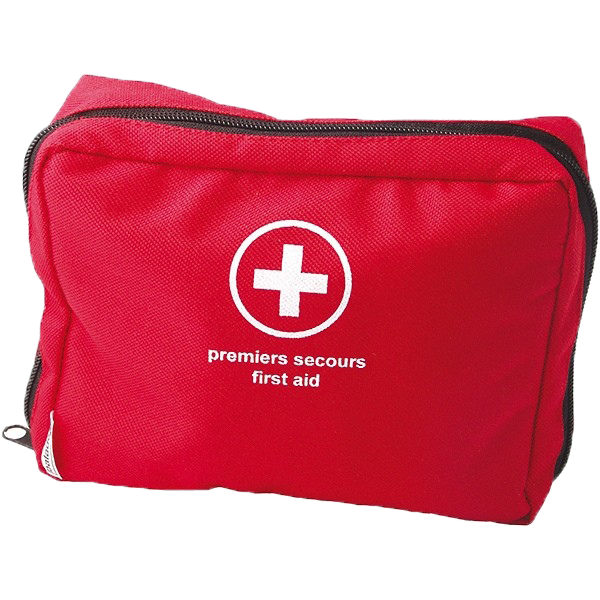 About 55% of travelers on a one-month stay experience a health problem and may need to take medication. It is therefore best to have some common medications with you. Do not buy them from a market stall.
We recommend:
- • Usual treatment and contraceptive.
- • Preventive treatment for malaria and Insect Ecran® skin repellent.
- • Anti-diarrheal Tiorfan®, Smecta®. Imodium® or equivalent. Noroxine® or equivalent, if febrile diarrhea (also active on cystitis).
- • Usual treatment and contraceptive.
- • Preventive treatment for malaria and Insect Ecran® skin and clothing repellent.
- • Anti-diarrheal Tiorfan®, Smecta®. Imodium® or equivalent. Noroxine® or equivalent, if febrile diarrhea (also active on cystitis).
- • Local disinfectant (Hexomedine®), multi-size bandages, a few compresses.
- • Anti-pyretic: Doliprane® or equivalent (also for pain).
- • Antibiotic: Clamoxyl® or equivalent (respiratory infections).
5. Noise and pollution
Noise is omnipresent in large cities because two-wheel traffic is intense. This incessant hum is enhanced by permanent honking (it calms down at night) and its share of pollution. Ho Chi Minh City is the noisiest and most polluted city in Vietnam. Hanoi comes next. Other cities are significantly less congested. At night, karaokes take over. They start in some regions at 7 p.m... With a very relative notion of disturbing the peace. In short... don't forget your earplugs.
|
Follow us on:
|
TripAdvisor | Facebook | Petit Futé | Youtube | Twitter | Instagram
|
Vietnamese Traditional Medicine is one of the traditional care methods in Vietnam, the other being dưỡng sinh, similar to Tai Chi.
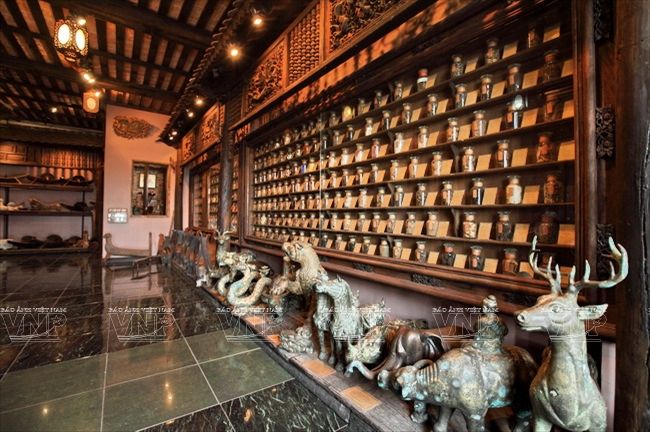 Sometimes we hear "medicine, Southern herbalism" - Thuốc Nam, "Northern medicine" and "Western medicine".
In fact, Vietnamese Traditional Medicine is strikingly similar to Chinese Traditional Medicine. Obviously, it has taken on local colors, as is the case in other Far Eastern countries and even in various regions of China.
The main Vietnamese particularities concern the choice of medicinal plants, the popular enthusiasm for acupressure, and certain cultural connotations.
China being in a temperate zone and Vietnam in a tropical zone, the two countries do not have access to the same plants. Although Chinese pharmacopoeia is elaborate and precise, the Vietnamese have had to, by force of circumstances, find indigenous substitutes for plants they could not cultivate locally and whose import proved too costly in most cases. Furthermore, the Vietnamese particularity is to predominantly use ingredients that are fresh or simply dried. It does not use complex decoctions as can be seen in Chinese practice.
As in Traditional Chinese Medicine (TCM), the treatment methods of Vietnamese Traditional Medicine, in addition to pharmacopoeia, include acupuncture, dietetics (similar to Chinese dietetics), exercises (Tai-Chi and Qi Gong) and Tui Na massage.
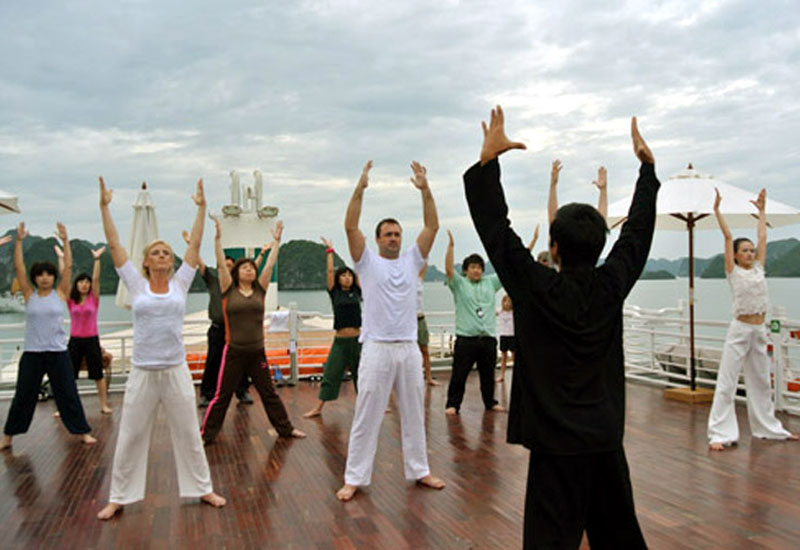
However, the Vietnamese seem to give a prominent place to acupressure, called Bâm-Châm. Its two most common forms are "foot Bâm-Châm" and "seated Bâm-Châm". The first combines acupressure and reflexology with the aim of providing relaxation and relief from certain pains. As for the second, it focuses on the upper body to provide relaxation and promote the circulation of Qi (Vital Energy). You will commonly see it practiced in the street and even on café terraces.
For the Vietnamese, many diseases are attributed to a "pernicious wind". This bad "cold" wind can be gotten rid of by applying eucalyptus oil or tiger balm to the skin and then rubbing with a spoon or a coin. The marks left are not very aesthetic but this treatment seems effective against colds, fatigue, migraines and other ailments...
Finally, note that there is a museum of pharmacy - Vietnamese traditional medicine - north of Ho Chi Minh City:
Fito Museum
26 Bis/1 Khu Phố Trung,
P.Vĩnh Phú, TX Thuận An, Bình Dương
Tél. : +84 (0) 28 3864 2430
E-mail: museum[at]fito.vn
|
Follow us on:
|
TripAdvisor | Facebook | Petit Futé | Youtube | Twitter | Instagram
|
1. General precautions
While most stays in Vietnam do not pose any significant health problems, a few precautions will help you avoid many worries or compromising part of your stay. Outside of large cities, healthcare infrastructure is sometimes rudimentary.
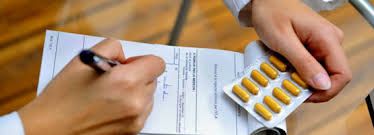
Pre-existing conditions or long-term medication use.
This does not prevent you from traveling, of course, but remember to bring all your medications, planning for several extra days in case your return is delayed (also remember to bring your prescription). Do not put all your tablets in your checked luggage (some get lost). Obviously, see your doctor before you leave....
Trauma (traffic accidents, sports, ...)
They account for 1/3 of medical repatriations and are sometimes serious. Remember that Vietnamese vehicles are often in as poor condition as the roads and that adherence to traffic laws is not a universal constant. So be careful, especially in the evening and at night (seat belt,...) and a helmet is mandatory if you ride a motorcycle.
Freshwater swimming
These expose you to the risk of bilharziasis (or schistosomiasis), of which there are still some foci in the Mekong Delta (a practically low risk for travelers). The risk varies greatly from one body of water to another. Only swim if you can get reliable local advice.
Walking barefoot
To be avoided because, in addition to the risk of injury that is difficult to heal in a tropical environment, you expose yourself to digestive or cutaneous parasitic infections (hookworm, strongyloidiasis: walking on wet ground; cutaneous larva migrans, tungiasis: walking on sand).
Perfusion, transfusion treatments
If, due to a health problem, a treatment is offered to you, it is better to receive it orally rather than by perfusion if possible. Similarly, only accept a blood transfusion if it is truly indispensable. This can help prevent blood-borne diseases.
Sun
The sun can cause burns that are often very unpleasant and sometimes severe. It may be necessary to prepare your skin before leaving, and in any case, prolonged exposure to the sun should be avoided. The use of high-protection sunscreen is essential. Furthermore, the combined effect of heat/sun/dehydration can lead to heatstroke, some of which can be serious.
2. Vaccinations
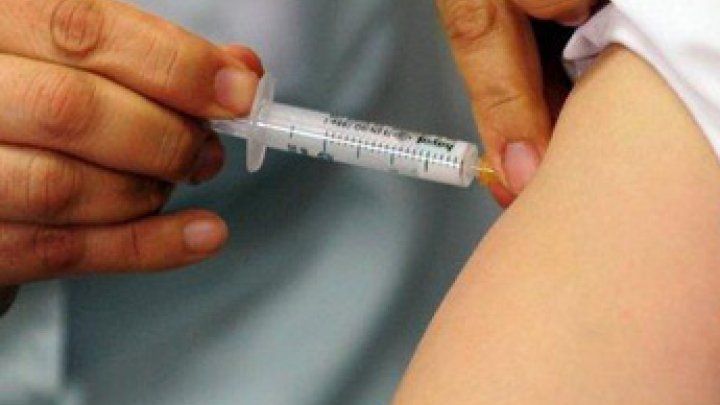 There is no mandatory vaccination for travelers to Vietnam. However, depending on the duration and type of your stay, it is recommended to get the DT POLIO vaccine (booster if your last vaccine was more than 10 years ago).
Hepatitis A: recommended before traveling to Laos or Cambodia.
Hepatitis B: everyone can benefit from this vaccine provided they are at least two years old. It is one of the 3 recommended vaccines for Cambodia, even if it is not mandatory.
Rabies: Justified for prolonged and itinerant travel or for expatriation, especially for children. In any case, contact with stray animals should be avoided.
Japanese Encephalitis: Justified for prolonged stays in rural areas, especially during monsoon season, or for expatriation.
| Follow us on: | TripAdvisor | Facebook | Petit Futé | Youtube | Twitter | Instagram |
What to bring
What to Pack for Vietnam: Suitcase or Backpack?
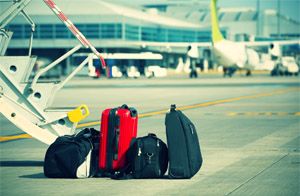 The suitcase or large travel bag will travel in the hold during air transport, while you can keep the backpack with you in the cabin.
The backpack can hold your personal belongings such as camera, films, paper guides and will be useful during your walks or treks. It will also be useful if you have planned overnight stays with locals (No need to burden yourself, leave the suitcase at the hotel).
The suitcase or large travel bag will contain the rest (clothes, shoes, etc.).
Your suitcase will either follow you by land (if you have chosen the driver option) or await you at the hotel where you will retrieve it after your hike or trek of a few days.
You also have the option of leaving your suitcase at the hotel once you have checked out of your room; identify your luggage with your name and address to retrieve it in due course. Most hotels provide this service.
A small tip, don't forget to bring some essential items in your carry-on bag to prevent possible delays in the delivery of your checked baggage (Medication...).
Security checks are very strict at airports. Please note that scissors, knives, liquids, explosives, etc. are strictly prohibited. Your luggage is systematically X-rayed upon entry and exit from airports.
|
Follow us on:
|
TripAdvisor | Facebook | Petit Futé | Youtube | Twitter | Instagram
|
How to pack your suitcase for Vietnam?
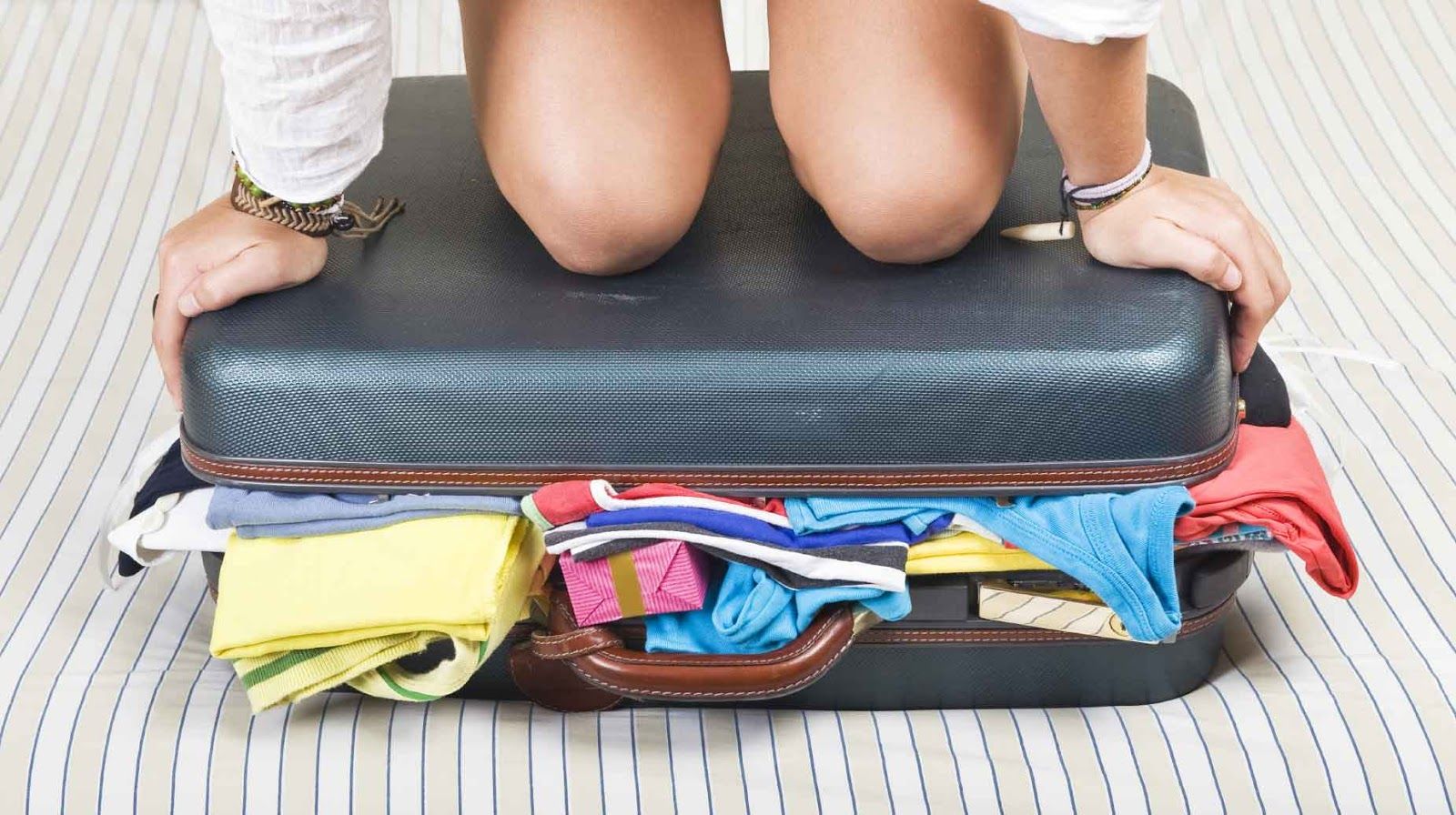 Everything will depend on the season and the regions where you will be staying. But generally, there is no need to burden yourself with a large suitcase for your trip to Vietnam. If you forget something, you will find inexpensive and sometimes custom-made clothes on site!
Prefer loose clothing made of light cotton or linen; short-sleeved shirts instead of polo shirts. You will find rain capes or umbrellas on site for a more than affordable price.
Clothes can be bought cheaply, especially in large covered markets where you will be spoiled for choice!!!
Note that most hotels offer laundry service.
If your trip takes place in winter in the north of the country, bring some warm clothes.
Don't forget, of course, a swimsuit and a pair of sunglasses for a beach or pool stay, and a pair of light hiking shoes and a sun hat (or cap) for treks and hikes.
Extra tip: Wear the bulkiest clothes during your journey to save space!
Second extra tip: Yes, sitting on your suitcase to close it works...
|
Follow us on:
|
TripAdvisor | Facebook | Petit Futé | Youtube | Twitter | Instagram
|
Money, banks, exchange
The local currency is the đồng, abbreviated as đ or VND. Please note, you will not be able to take dongs with you when you return. It is therefore advisable to gradually exchange your money. It will not necessarily be easy to convert your dongs into dollars before you leave...
Exchange: You can exchange your money at exchange offices or banks. Rates vary little and many exchange structures do not apply commission.
We recommend that you familiarize yourself with the banknotes, to avoid any inconvenience... For example, the 10,000 đ note has the same green color as the 100,000 đ note! Try to keep small denominations on you, it is not always easy to pay with large notes.
It is common to display, for example, 10k for 10,000 dongs.
Currency Exchange
Foreign currency can be exchanged at banks, airports, and authorized exchange counters. Exchange rates and fees may vary, so it is always advisable to check the rate before completing a transaction.
For most everyday transactions in Vietnam, paying in Vietnamese dong is the simplest option.
ATMs
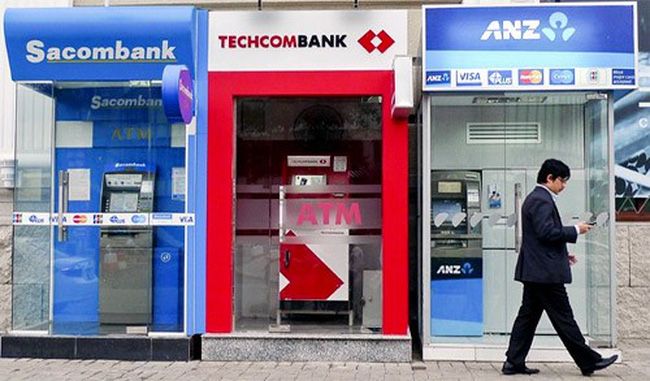
ATMs accepting international cards are widely available in major cities and tourist destinations throughout Vietnam.
Withdrawal limits and fees vary depending on the ATM operator and your card provider, so check the conditions displayed before confirming your withdrawal.
If you are traveling to remote areas, it is a good idea to withdraw sufficient cash in advance, as ATMs and card payments may be less readily available.
Payment cards
Major international cards such as Visa and Mastercard are commonly accepted in hotels, restaurants, shops, supermarkets, spas, and tourism businesses.
However, smaller vendors and local businesses may still prefer cash. Your bank or card provider may also charge foreign transaction, currency conversion, or withdrawal fees, so check these conditions before traveling.
Bank
Banks are widely available in Vietnam’s cities and larger towns. Opening hours vary by bank and branch, but most operate on weekdays, with some branches also opening on Saturday mornings.
For greater convenience, we recommend traveling with a combination of cash and at least one international payment card, rather than relying on a single payment method.
|
Follow us on:
|
TripAdvisor | Facebook | Petit Futé | Youtube | Twitter | Instagram
|
Small gifts maintain friendship...

When staying with a local family or sharing a special moment with your hosts, a small gift can be a thoughtful way to show your appreciation. If you would like to bring something from your home country:
- postcards or small souvenirs from your region;
- local specialties that are easy to transport;
- small stationery items;
- books, notebooks, or educational materials where appropriate;
- small gifts chosen specifically for your hosts.
There is no need to bring expensive presents. A sincere thank-you, a shared photo, or a small personal gift can often be just as meaningful.
Gifts for Local Communities
Typic Travel supports responsible and respectful tourism. If your itinerary includes visits to villages, schools, or community projects, please avoid distributing gifts, sweets, or money directly to children without guidance.
If you would like to contribute, school supplies, books, or other useful materials may be welcomed when coordinated in advance with the local community, association, or your Typic Travel guide.
This helps ensure that your contribution is appropriate, fairly distributed, and genuinely useful to the people receiving it.
|
Follow us on:
|
TripAdvisor | Facebook | Petit Futé | Youtube | Twitter | Instagram
|
