



When to visit Vietnam ? Weather, regions and seasons
Vietnam is a destination that can be explored all year round, but each season offers a different experience. From lush green mountains and cultural heritage to tropical landscapes and sunny beaches, there is no shortage of travel opportunities. So, when to visit Vietnam to make the most of your trip ? With a climate that varies considerably from North to South, the weather can influence your choice of itinerary and activities to prioritize. Dry season, rainy season, temperatures and regional characteristics: several factors deserve consideration before your departure. In this guide, Typic Travel helps you better understand the seasons and find the best time to visit Vietnam according to your travel preferences.

Mục lục
- I. Overview of climate in Vietnam
- II. What is the weather like in Vietnam by region ?
- III. Vietnam weather month by month
- IV. The rainy season in Vietnam: When and where does it rain ?
- V. Festivals and celebrations in Vietnam: When to visit to experience them ?
- VI. When to visit Vietnam based on your travel preferences ?
- VII. When is the best time to visit Vietnam ?
- VIII. Frequently Asked Questions (FAQ)
I. Overview of climate in Vietnam
Stretching over 1,650 kilometers from north to south, Vietnam weather has plenty of surprises in store for you ! Its tropical monsoon climate, influenced by winds, mountains and altitude, varies considerably from one region to another. While the North experiences sometimes cold winters and hot, humid summers, Central and Southern Vietnam follow very different seasonal patterns, particularly when it comes to rainfall.
But this diversity is also one of the greatest advantages of a trip to Vietnam. Depending on the time of year, you can admire mist-covered mountains, lush rice fields or enjoy magnificent sunny beaches. And the good news is that even when rain arrives in one region, the sun may be shining elsewhere. So, all you need to do is choose the right destination at the right time !
II. What is the weather like in Vietnam by region ?
From the Red River Delta to the winding waterways of the Mekong, Vietnam's rugged terrain and geographical extent divide the country into three distinct climate zones. Understanding these regional differences is the key to planning an itinerary without unpleasant surprises.
1. Northern Vietnam: Four distinct seasons
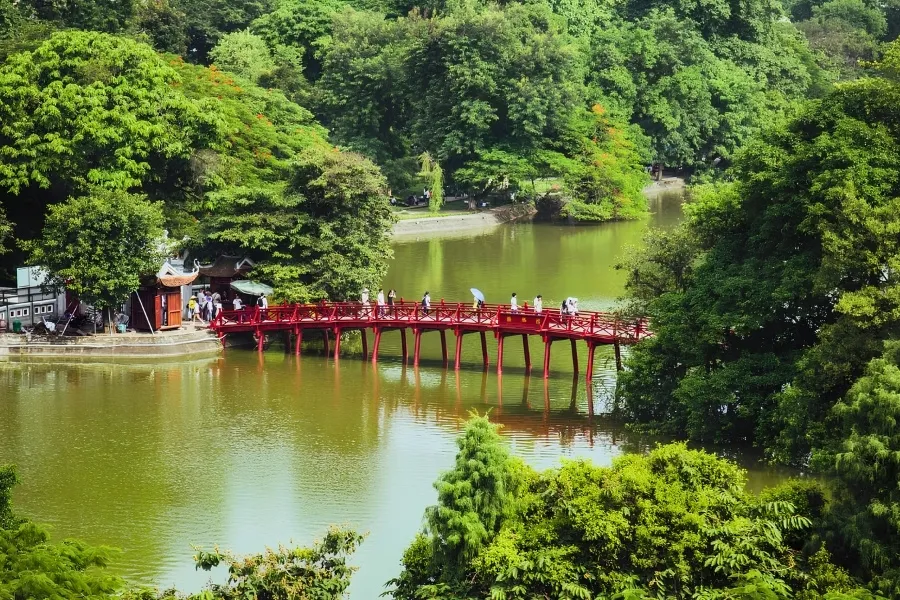
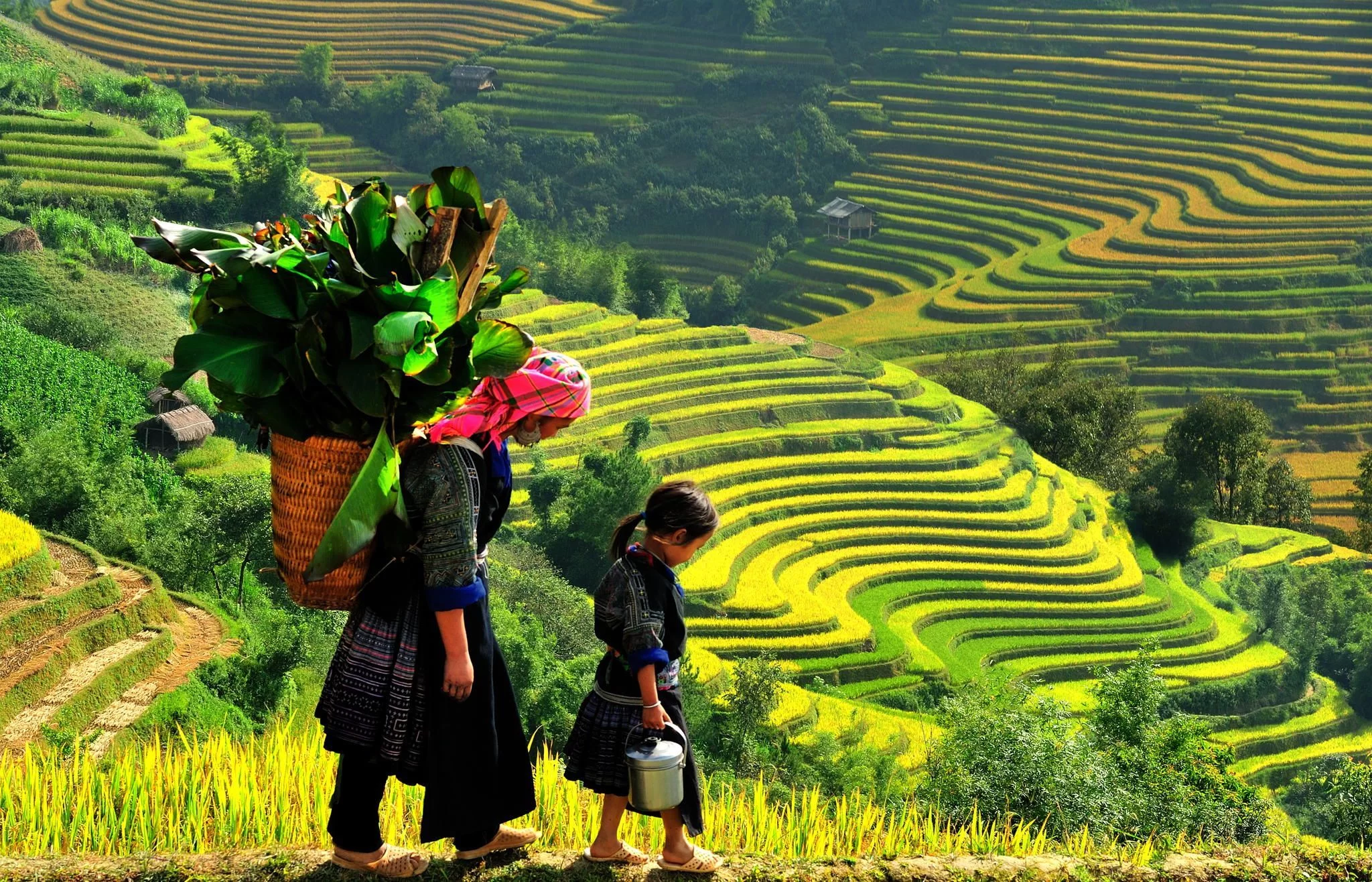
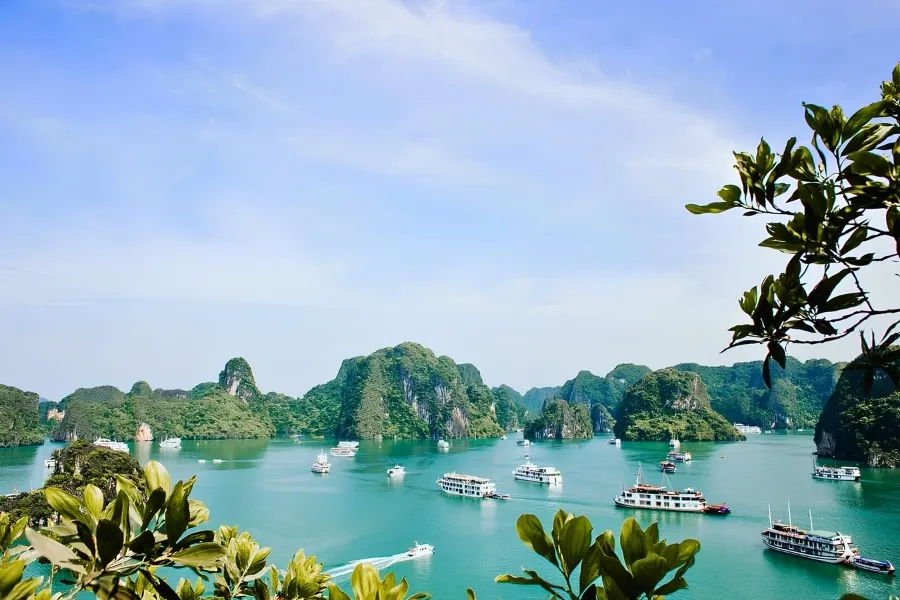
Northern Vietnam experiences four seasons, each with its own charm. In spring (March-April), temperatures become milder (18 to 25°C), despite some light rain and mist. An ideal time to consider if you are looking for the best time to visit Vietnam ! Discover Hanoi, Ninh Binh or the flower-covered mountains of the Northwest. In summer (May-August), heat and tropical showers turn the rice fields of Mu Cang Chai lush green. Halong Bay invites visitors to enjoy cruises and kayaking, despite the risk of heavy rain and typhoons.
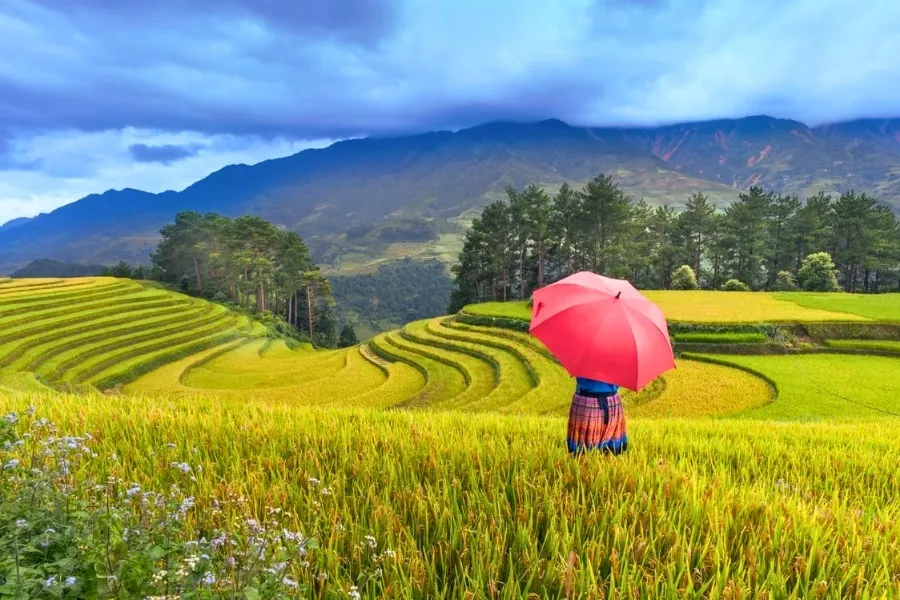
With autumn (September-November), Northern Vietnam enjoys pleasant temperatures and sunny days again, ideal for exploring Sapa and Ha Giang. If you are wondering when to visit Vietnam to admire the golden rice fields, prioritize September and early October. In Hanoi, walks become particularly enjoyable. Finally, winter (December-February) reveals a different atmosphere, with cool, sometimes cold days and misty mountains. Enjoy a hot bowl of Vietnamese phở in the streets of Hanoi or the mysterious landscapes of Cao Bang in winter.
| Read also: >>> What to pack in your suitcase for a trip to North Vietnam >>> North-West Vietnam tour 10 days |
2. Central Vietnam: Sunshine, beaches and the rainy season
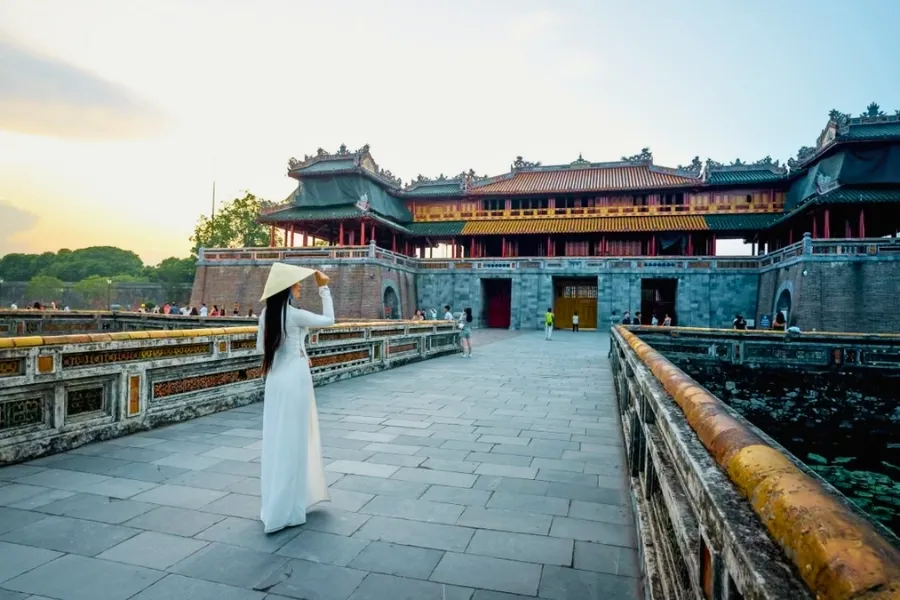
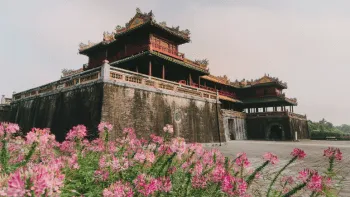
Between mountains, historic cities and beaches, Central Vietnam offers wonderful discoveries throughout the seasons in Vietnam. From February to April, the weather becomes milder and less rainy, ideal for exploring the Imperial Citadel of Hue, strolling through Hoi An or discovering the caves of Phong Nha. From May to August, sunshine dominates, with temperatures sometimes exceeding 35°C. Enjoy the beaches of Da Nang and Quy Nhon, swimming or excursions to the Cham Islands, if sea conditions allow.
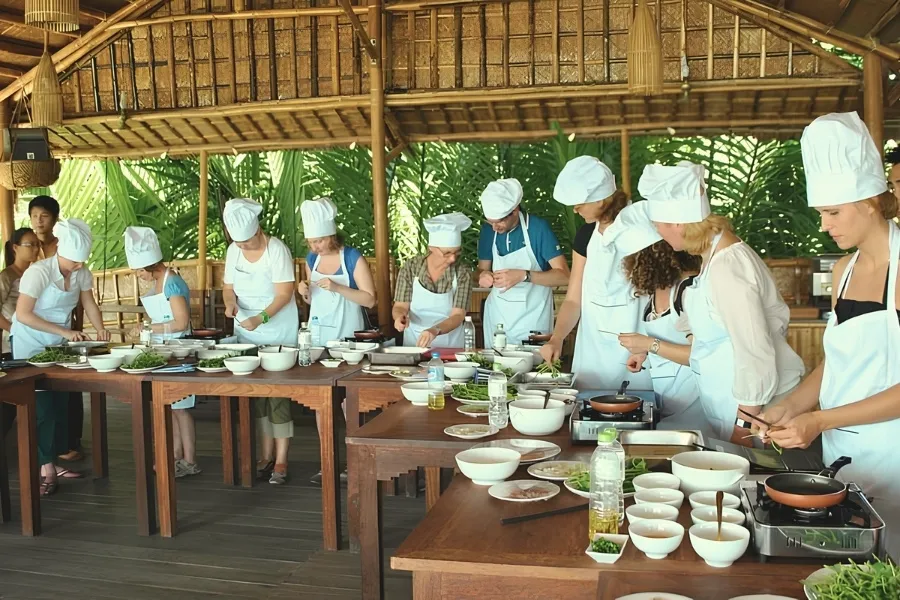
The scenery changes from September onwards, with the arrival of the rains, particularly heavy in October and November around Hue and Hoi An. Typhoons and floods can then disrupt sightseeing and sea excursions. If you travel during this period, prioritize a flexible itinerary and indoor activities, such as a Vietnamese cooking class or museum visits. To choose the best time to visit Vietnam according to your itinerary, however, keep in mind that Nha Trang and regions further south follow a slightly different climate pattern.
3. Southern Vietnam: Between the dry and wet seasons
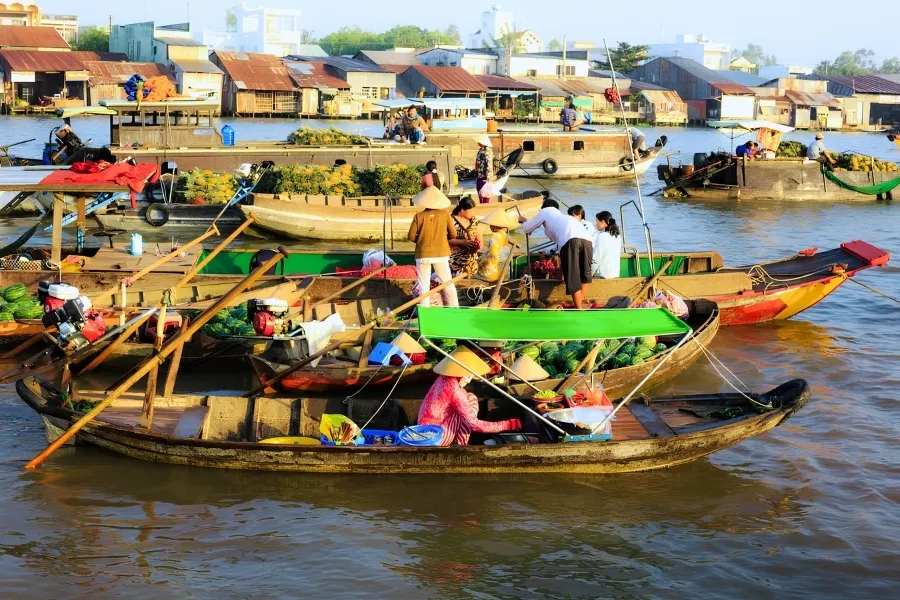
Looking for sunshine and tropical landscapes ? Southern Vietnam welcomes you all year round, with temperatures ranging from 25 to 35°C. Here, there is no cold winter, but two seasons to consider when deciding when to go to Vietnam. From December to April, the dry season offers sunshine for exploring Ho Chi Minh City, cruising along the canals of the Mekong Delta or enjoying the beaches of Phu Quoc. Discover the floating markets early in the morning and the landscapes along the waterways.
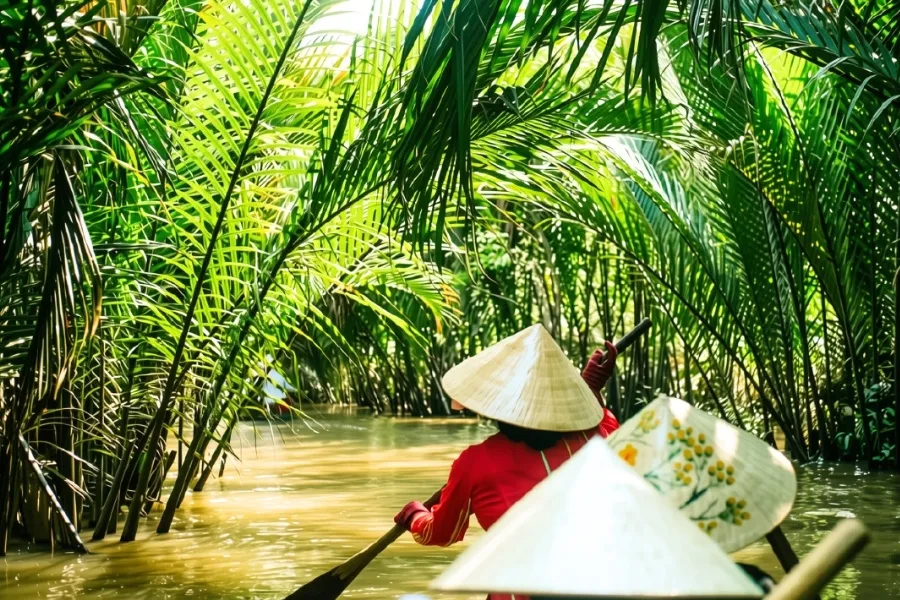
With the rainy season (May-November), Southern Vietnam takes on a different appearance. Vietnam weather brings intense but brief afternoon showers, without preventing exploration. Nature flourishes: Mekong orchards, tropical fruits and lush landscapes. From September to November, high water levels transform the delta, particularly the Tra Su Forest, which can be explored by boat among the cajeput trees. If the rain catches you by surprise in Ho Chi Minh City, enjoy a cà phê sữa đá while observing local life.
III. Vietnam weather month by month
Wondering when to visit Vietnam ? From misty mountains and lush green rice fields to sunny beaches, every month offers wonderful discoveries. Here is an overview of the weather in Vietnam month by month, with the destinations and activities to prioritize according to the season.
|
Month |
Weather by region |
Destinations to discover |
|
January |
Cool and misty in the North, still humid in some parts of Central Vietnam, dry and sunny in the South. |
Phu Quoc, Ho Chi Minh City, Mekong Delta, Con Dao |
|
February |
Cool in the North with occasional drizzle, gradually milder in Central Vietnam, sunny in the South. |
Hoi An, Da Nang, Moc Chau, Phu Quoc |
|
March |
Mild spring weather in the North, generally dry and pleasant weather in Central Vietnam, hot in the South. |
Ninh Binh, Halong Bay, Hue, Hoi An |
|
April |
Rising temperatures in the North, sunshine in Central Vietnam, intense heat in the South. |
Phong Nha, Da Nang, Cham Islands, Nha Trang |
|
May |
Hot and humid in the North, often sunny in Central Vietnam, first rains in the South. |
Mu Cang Chai, Sapa, Quy Nhon, Hoi An |
|
June |
Heat and rain in the North, abundant sunshine in Central Vietnam, tropical showers in the South. |
Nha Trang, Da Nang, Quy Nhon, Sapa |
|
July |
Hot and rainy in the North, often sunny in Central Vietnam, wet season in the South. |
Da Nang, Hoi An, Nha Trang, Ben Tre |
|
August |
Sometimes heavy rain in the North, still hot in Central Vietnam, frequent showers in the South. |
Da Nang, Hoi An, Quy Nhon, Da Lat |
|
September |
Milder temperatures in the North, increasing rainfall in Central Vietnam, still humid in the South. |
Sapa, Mu Cang Chai, Hoang Su Phi, Mekong Delta |
|
October |
Often pleasant autumn weather in the North, possible heavy rain in Central Vietnam, persistent rain in the South. |
Hanoi, Ninh Binh, Ha Giang, Tra Su forest |
|
November |
Cooler and often dry in the North, still rainy in Central Vietnam, transitioning to the dry season in the South. |
Ha Giang, Cao Bang, Ho Chi Minh City, Phu Quoc |
|
December |
Cool winter in the North, variable weather in Central Vietnam, dry season in the South. |
Hanoi, Sapa, Phu Quoc, Con Dao |
IV. The rainy season in Vietnam: When and where does it rain ?
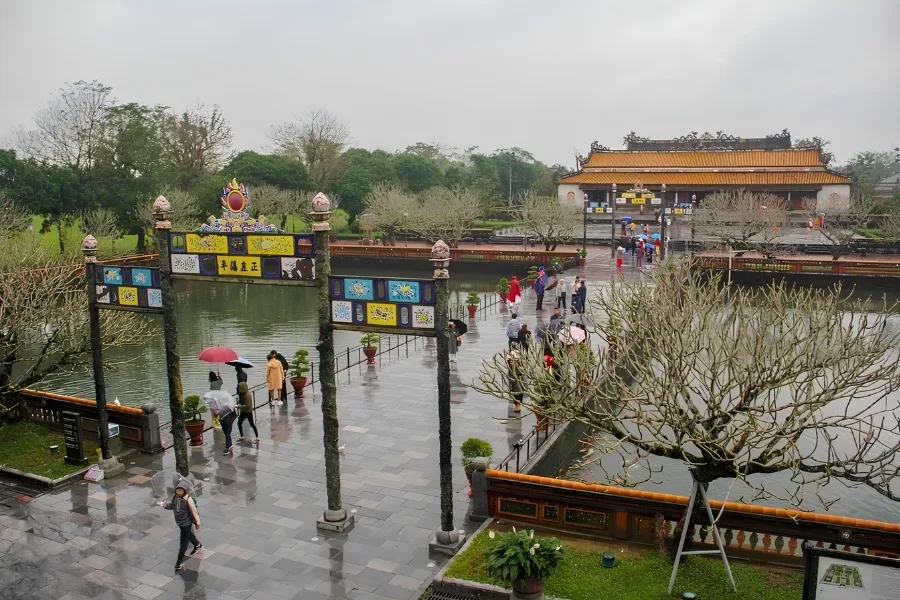
The rainy season in Vietnam does not mean rainy days all day long! In the North (May-September), showers turn the rice fields of Sapa and Mu Cang Chai lush green, but can disrupt trekking and cruises in Halong Bay. In Central Vietnam (September-December), particularly in Hue and Hoi An, prolonged rainfall, typhoons and floods pose risks. In the South (May-November), tropical showers are often brief and occur in the afternoon.

Yet this period offers some wonderful surprises ! Discover lush landscapes, impressive waterfalls and fruit orchards in the Mekong Delta. From September to November, explore Tra Su by boat through the green waters. Some destinations are less crowded. Even if it is not always the best time to visit Vietnam, make the most of your trip: check the weather, bring a raincoat and stay flexible.
V. Festivals and celebrations in Vietnam: When to visit to experience them ?
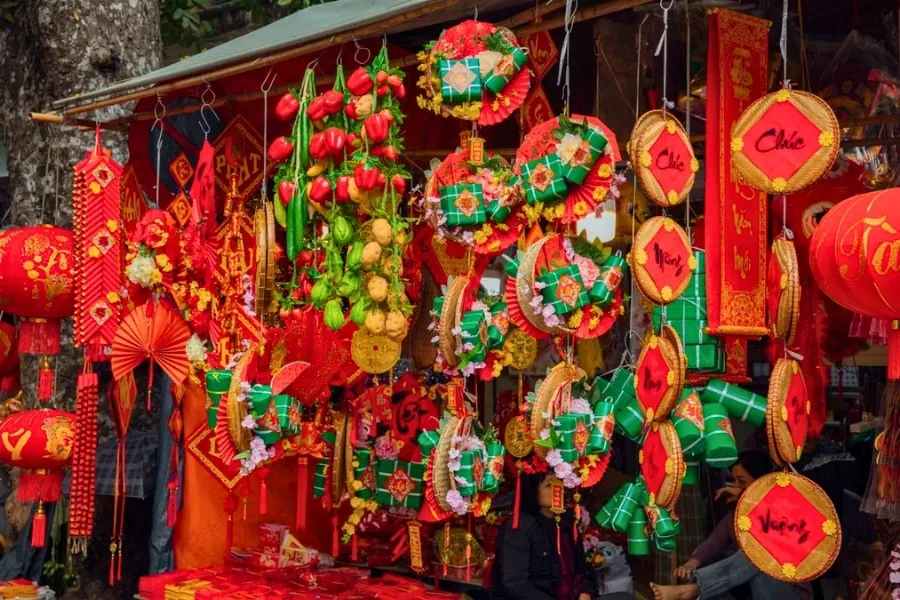
Beyond its landscapes and the diversity of the climate in Vietnam, the country captivates visitors with its colorful and moving traditional festivals. From flower markets and lanterns to ancestral ceremonies, each celebration reveals local customs and daily life. Here are some must-see festivals.
-
Tet, Vietnamese New Year (January-February): The most important celebration in the country ! Discover flower markets, decorated streets and local traditions. Admire peach blossoms in the North and yellow apricot blossoms in the South.
-
Perfume Pagoda Festival (February-April): Near Hanoi, take a boat trip along the Yen River, then discover sacred temples and caves in the heart of the lush green mountains. Avoid the first days and weekends, which are very crowded.
-
Hung Kings Festival (March-April): In Phu Tho, this celebration honors the legendary founders of Vietnam. Attend processions and traditional ceremonies to better understand local history and beliefs.
-
Hue Festival (dates vary): Discover the imperial heritage through artistic performances, áo dài parades and royal court music performances. Remember to check the official program before your trip.
-
Mid-Autumn Festival (September-October): In Hanoi and Hoi An, admire colorful lanterns, lion dances and lively streets. Take the opportunity to taste traditional mooncakes and share the festive atmosphere with local people.
-
Hoi An Lantern Festival (every lunar month): Around the 14th day of the lunar month, stroll through alleys illuminated by silk lanterns and admire small candles floating on the Hoai River. An evening full of charm !
| >>> Good to know: Traditional festival dates often follow the lunar calendar and vary each year. Remember to check them before your departure. |
VI. When to visit Vietnam based on your travel preferences ?
1. For a North-to-South itinerary
Traveling across Vietnam from North to South means discovering an incredible diversity of landscapes and climates! To choose the best time to visit Vietnam, prioritize March and April, which offer a good balance of weather conditions across the regions. Enjoy spring to explore Hanoi, admire Ninh Binh or cruise through Ha Long Bay. Further south, sunshine accompanies your visits to Hue and Hoi An, before the tropical heat of Ho Chi Minh City and the lush green canals of the Mekong Delta.
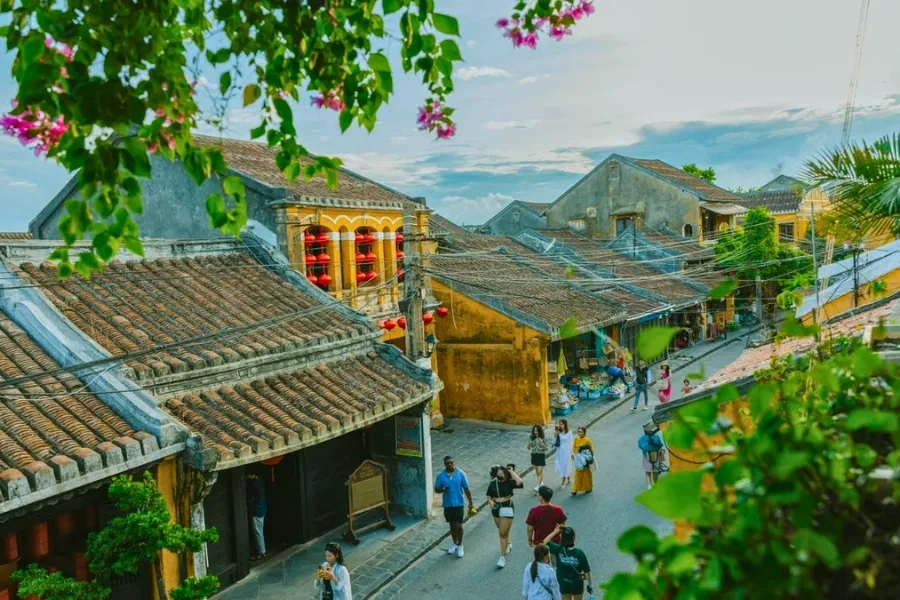
From October to November, the mountains of Northern Vietnam reveal their autumn colors, while the South gradually returns to drier weather. However, be aware of possible heavy rainfall in Hue and Hoi An during this period. To fully enjoy your North-to-South Vietnam tour, ideally plan 15 to 21 days, with a flexible itinerary to discover each region without rushing.
| >>> Explore more: Circuit Southern to Northern Vietnam |
2. For a beach holiday
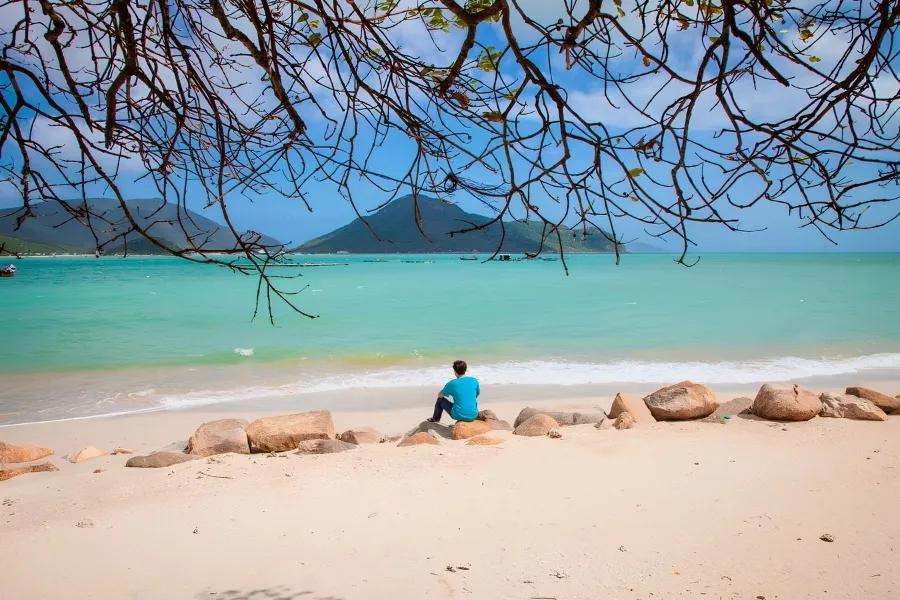
With its fine sandy beaches and tropical islands, Vietnam promises wonderful beach getaways ! To know when to visit Vietnam, head to Phu Quoc from December to April, where sunshine and generally calm seas invite you to enjoy swimming, snorkeling and sunsets. More unspoiled, Con Dao reveals its pristine coves, pleasant from March to September depending on sea conditions. In Mui Ne, the winds of the dry season attract kitesurfing enthusiasts.

From April to August, the beaches of Central Vietnam take over. Enjoy the golden sands of My Khe Beach in Da Nang, relax at An Bang Beach after a stroll through Hoi An or discover the turquoise coves of Quy Nhon. In Nha Trang, boat excursions and diving await you. Be aware of monsoon rains and winds: check the weather conditions before any sea excursion during your beach holiday in Vietnam.
3. For trekking and terraced rice fields
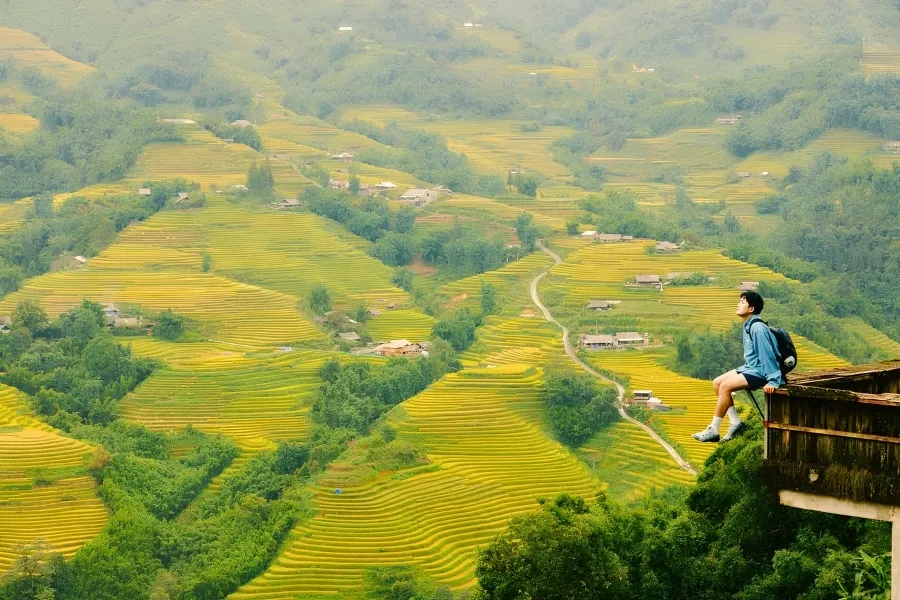
Throughout the seasons in Vietnam, the mountains of the North offer magnificent landscapes for trekking enthusiasts. From March to April, enjoy spring to explore the trails of Sapa and Ha Giang, among ethnic villages and lush green valleys. From May to June, the terraced rice fields of Mu Cang Chai and Hoang Su Phi become true mirrors of water reflecting the sky. A fascinating sight for photography enthusiasts !
From September to early October, the rice fields turn golden. Cool temperatures invite you to walk through the fields, observe the harvests and meet local people. In Pu Luong, two harvests offer beautiful landscapes in May-June and September-October. In November, discover the mountains of Ha Giang and their buckwheat flowers.
| >>> Please note: harvest times vary depending on the regions and Vietnam weather, with summer rains making the trails dangerous. |
4. For a family trip
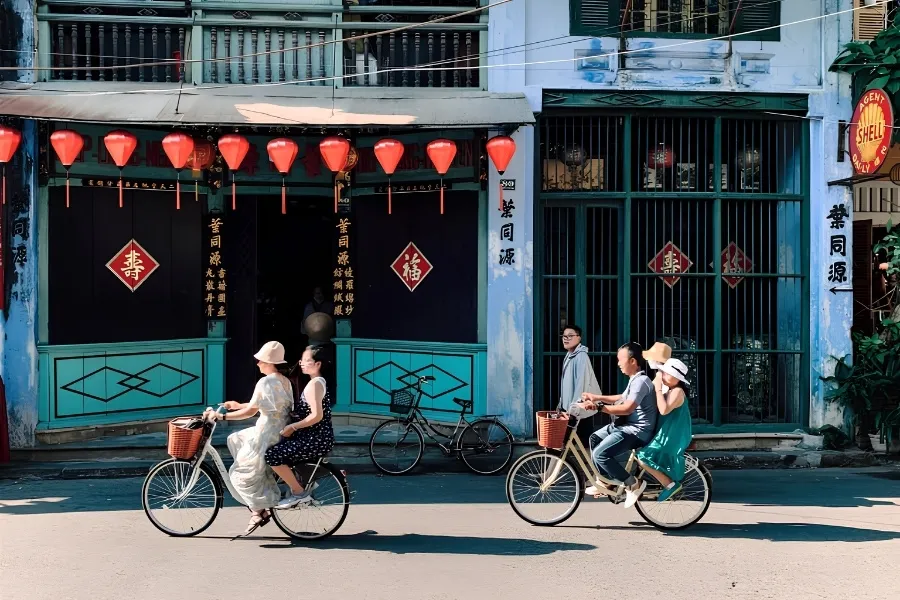
Traveling to Vietnam with family means sharing wonderful discoveries combining nature, culture and moments of relaxation ! From March to April, generally pleasant temperatures make outings with children easier. You can enjoy a boat ride through the landscapes of Ninh Binh, explore Hoi An by bicycle or take part in a lantern-making workshop. A wonderful time to enjoy a variety of experiences without tiring out younger children too much.
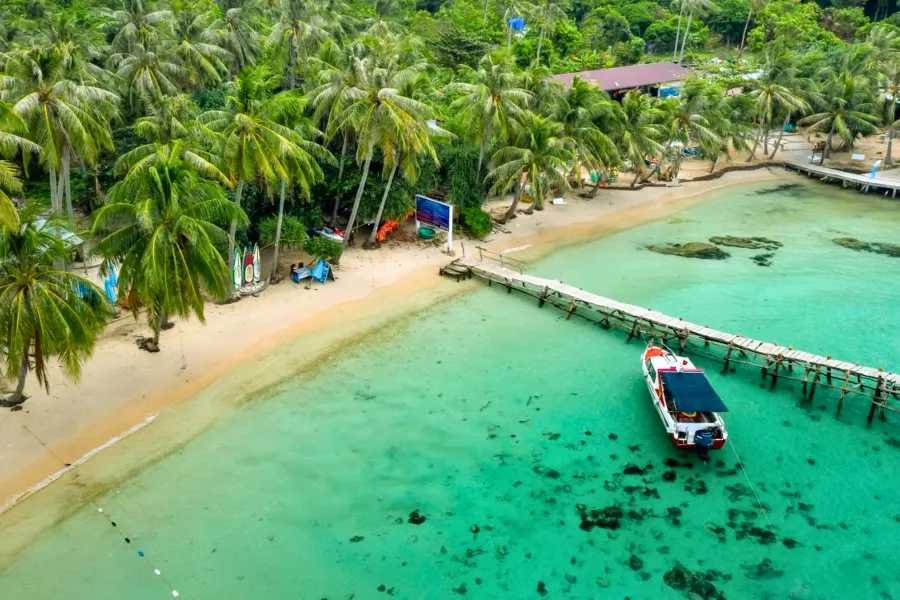
During the summer holidays (July-August), choose Da Nang, Hoi An or Quy Nhon to alternate between beaches, swimming and morning sightseeing. In winter, from December to February, Southern Vietnam and Phu Quoc offer a tropical getaway with sunshine, beaches and excursions in the Mekong Delta. The best season to travel to Vietnam depends on your preferences. Plan several nights at each stop, regular breaks and journeys suitable for children.
| >>> Find out more: 2-week family trip to Vietnam |
VII. When is the best time to visit Vietnam ?
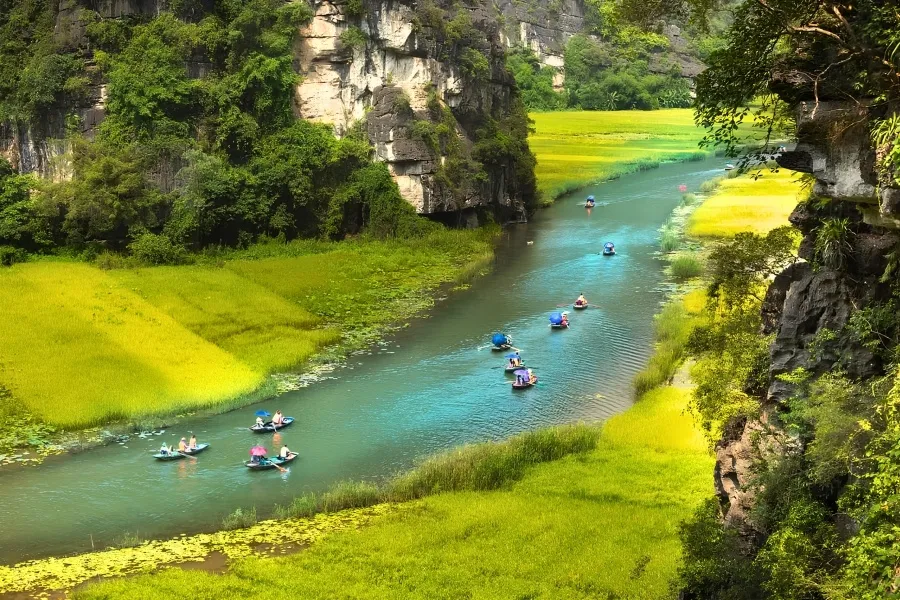
There is no single ideal time to visit Vietnam: it all depends on the regions and your preferences! If you are wondering about the best time to visit Vietnam, March and April generally offer the best balance of weather conditions for a North-to-South itinerary. For golden rice fields, choose September and October in Northern Vietnam. As for beaches, Central Vietnam is pleasant from April to August, while Phu Quoc is ideally visited from December to April. Each season has its own charms, from landscapes and traditions to local experiences. The key is to choose your departure date according to your interests, itinerary and pace.
| >>> If you would like to plan your next trip to Vietnam, contact TYPIC TRAVEL, your Vietnam local travel agency, to create a tailor-made itinerary suited to your preferences, budget and the season of your stay ! |
VIII. Frequently Asked Questions (FAQ)
1. How far in advance to book a trip to Vietnam ?
It is advisable to book your trip to Vietnam 3 to 6 months in advance, especially if you are traveling during the peak tourist season or school holidays. This will give you more choices for accommodation, guides and activities. For a tailor-made tour, planning ahead also allows you to better organize your itinerary.
2. Is traveling to Vietnam during typhoon season possible ?
Yes, it is possible to travel to Vietnam during typhoon season, but certain precautions are necessary. Coastal regions, particularly in Central and Northern Vietnam, may experience heavy rainfall and disruptions. Check weather forecasts regularly and plan a flexible itinerary to adjust your visits if necessary.
3. What clothes to pack for a trip to Vietnam depending on the season ?
The choice of clothing depends on the regions and the time of your trip. Choose lightweight, breathable clothing for Southern Vietnam, as well as a warm jacket for Northern Vietnam in winter. During the rainy season, bring a raincoat and suitable footwear. Clothing that covers your shoulders and knees is also useful when visiting temples.
4. Do travel prices in Vietnam vary depending on the season ?
Yes, prices can vary depending on the season and tourist numbers. During the busiest periods, particularly school holidays and Tet, accommodation and flights are often more expensive. Traveling during the low season can sometimes offer better rates, provided you take weather conditions into account.
5. Is it possible to enjoy Vietnam's beaches all year round ?
Yes, it is possible to enjoy Vietnam's beaches almost all year round by choosing the right region. The beaches of Phu Quoc are particularly pleasant from November to April, while those of Da Nang and Hoi An generally offer better conditions from March to August. It all depends on your destination.