


Mu Cang Chai: Journey to the rhythm of the seasons
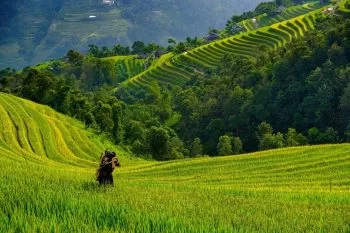
In the heart of the mountains of Yen Bai province, just 300 km from Hanoi, Mu Cang Chai is a destination that has managed to retain its authentic character. A true natural and cultural gem, this region in northwestern Vietnam offers travelers breathtaking landscapes, with its impressive terraced rice fields stretching as far as the eye can see. Here, the footprint of mass tourism is still far away, giving way to a total immersion in a preserved Vietnam.

Table of Contents
1. Mu Cang Chai – A Region Shaped by Man and Nature
An Exceptional Natural Heritage
The district of Mu Cang Chai spans more than 2,200 hectares of terraced rice fields, a true masterpiece born of human hands working in harmony with nature. Three communes stand out in particular and are recognised as Vietnamese national heritage sites: La Pan Tan, Che Cu Nha, and De Xu Phinh.
As the altitude climbs — reaching an average of 1,000 metres — the landscape transforms, shifting from tiered rice paddies to the majestic Hoang Lien Son mountain range. The Khau Pha Pass, for its part, offers a full 360° panorama over this raw, untamed landscape.
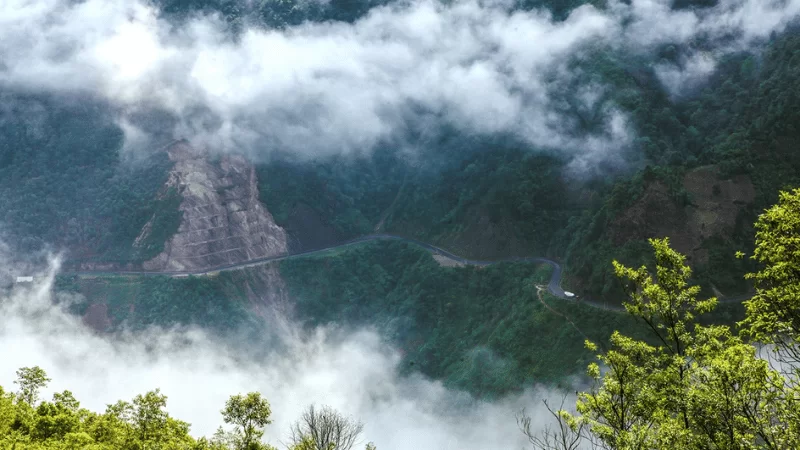
The Khau Pha Pass
A Living Cultural Mosaic
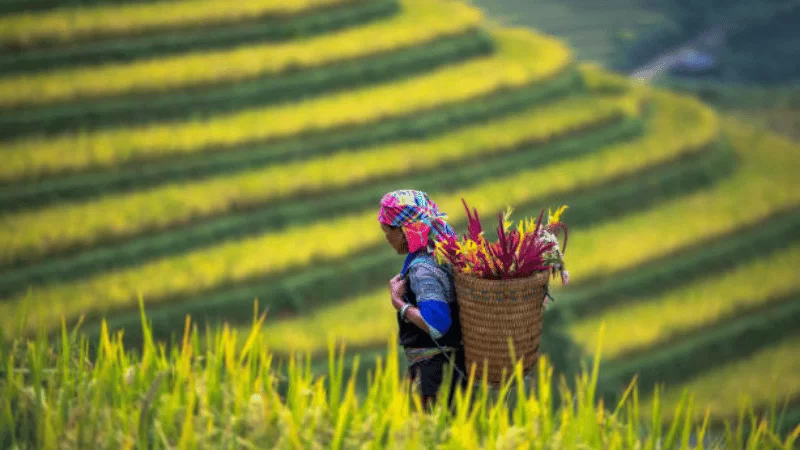
The Hmong and Thai ethnic groups, who make up 90% of the local population, carry on a traditional way of life that is central to the region's richness. Traditional stilt houses stand alongside age-old craftsmanship and a unique agricultural know-how, passed down from generation to generation.
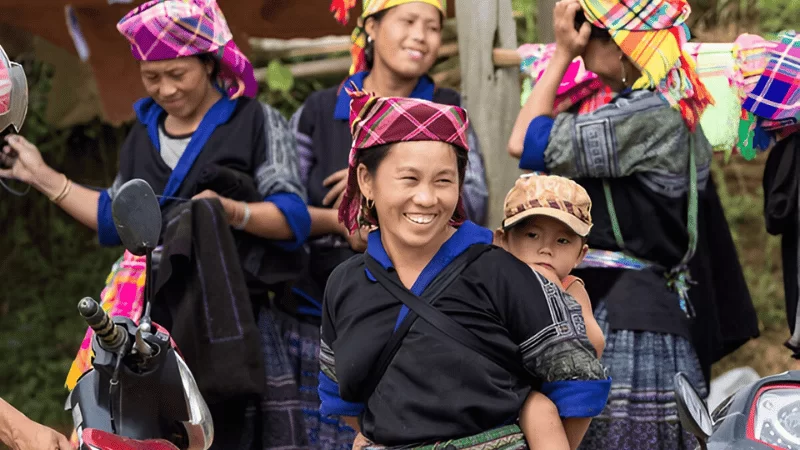
The Hmong Ethnic Communities
The culture and spirituality of local residents are deeply tied to rice farming, which sets the rhythm for the seasons and festivities — a fascinating intangible heritage that reveals itself through every encounter.
2. When to Visit Mu Cang Chai?
The Ideal Seasons
Two times of year are especially well suited to seeing Mu Cang Chai at its finest, widely considered the best seasons for exploring the region:
- The water season, April to May: the rice paddies turn into shimmering mirrors, reflecting the sky in a palette of brilliant greens.
- The golden season, September–October: the terraces take on a golden-orange hue, putting on a spectacular show during the rice harvest.
September also brings the Terraced Rice Fields Festival, celebrating this unique cultural landscape with traditional Hmong songs and dances.
Practical Tips by Season
- From November to March, temperatures are cooler, with a chance of fog. Pack warm clothing.
- From April to June, heat and humidity set in. Opt for light, breathable clothing.
- From July to October, showers are possible. A raincoat and sturdy footwear will be your best allies.
Peak tourist season runs from September to November. If you'd prefer more peace and quiet, April to June is a good alternative — though be aware this can affect access to certain sites.
3. What to Do in Mu Cang Chai?
Must-See Highlights
Mu Cang Chai is full of gems not to be missed:
- Exploring the region's iconic terraced rice fields, especially around the villages of La Pan Tan and Tu Le.
- The "photographers' route," with breathtaking viewpoints such as the Khau Pha Pass.
- Hikes through the rice terraces and traditional villages, for an up-close immersion in local life.
- Colourful markets showcasing Hmong craftsmanship and traditions.
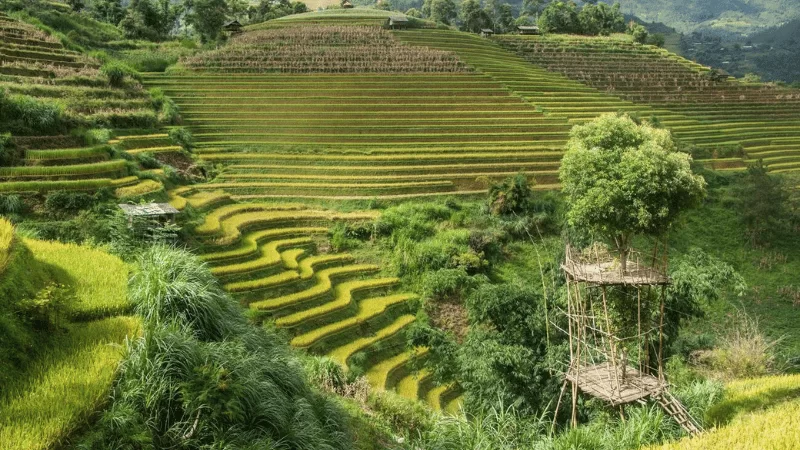
The Terraced Rice Fields of Mu Cang Chai
Activities and Experiences
For the more adventurous, Mu Cang Chai offers plenty of hiking and trekking options, with routes suited to every level. From remote villages to summits with breathtaking panoramas, every trail holds its own surprises.
Meeting local communities is at the heart of the experience. Be sure to visit the lively traditional markets, where the Hmong and Thai communities come together in a warm atmosphere — a unique chance to discover their age-old craftsmanship.
For thrill-seekers, the Aeris Hill zipline offers a bird's-eye view over the rice terraces. The Tram Tau hot springs, meanwhile, are the perfect place to unwind after a day of hiking.
Cultural Immersion
To experience Mu Cang Chai like a local, consider a homestay. Staying with a local family lets you share in their daily life, sample authentic local cuisine, and even take part in farming activities.
A trip to Mu Cang Chai is also a chance to bring home a one-of-a-kind souvenir, the fruit of traditional Hmong craftsmanship — weaving, embroidery, basketry, and other age-old techniques waiting to be discovered along the way.
4. How to Plan Your Trip?
Getting to Mu Cang Chai
From Hanoi, there are several ways to reach Mu Cang Chai, located around 300 km away:
- By bus from My Dinh bus station in Hanoi (around 7 hours on average). Plan for an early-morning departure.
- By private car with driver for greater flexibility, via National Highway 32 and then Route 4D.
- By scooter, for the more adventurous, following the legendary National Highway 32 from Hanoi to Mu Cang Chai.
Where to Stay?
Mu Cang Chai offers a wide range of accommodation, from authentic homestays to charming resorts:
- Homestays, for full immersion — simple comforts, but a warm welcome guaranteed.
- Ecolodges, combining comfort with environmental responsibility, such as the Mu Cang Chai Ecolodge.
- A few higher-end addresses, such as the Mu Cang Chai Resort, with stunning views over the rice terraces.
At Typic Travel, we hand-pick accommodation to match your expectations and budget, always with an eye for authenticity.
5. Suggested Itineraries
To help you discover the many sides of Mu Cang Chai, we offer tailor-made itineraries based on what you're looking for and how much time you have:
- Short itinerary, 2–3 days: key highlights and hikes.
- Full itinerary, 4–5 days: in-depth immersion, encounters, and activities.
- Combined with Sapa: a condensed tour of northern Vietnam's most beautiful landscapes.
Each itinerary can be adapted to your preferred mode of transport (bus, private car with driver, scooter) and your particular interests. Our team is on hand to help you build your ideal trip together.
6. Practical Tips
Before You Go
- Budget: plan for around €50–80 per person per day, including accommodation and meals.
- Recommended gear: comfortable hiking shoes, warm clothing and rain protection, sunscreen, insect repellent, a flashlight.
- Bookings: it's wise to book accommodation in advance, especially during peak season.
- Useful documents: ID card or passport, cash for on-the-ground expenses.
On the Ground
- Getting around: the best way to explore the region is on foot. Scooters or bicycles can be rented for longer distances.
- Communication: a few words of Vietnamese are always appreciated. A French-speaking guide can help make communication easier.
- Safety: Mu Cang Chai is a very safe region. Take care on mountain roads and keep an eye on your belongings.
- Respecting local traditions: dress appropriately when meeting local people, and always ask permission before taking photos.
With its stunning landscapes shaped by human hands working in harmony with nature, Mu Cang Chai remains a gem still largely spared from mass tourism. Here, the cultural richness of the Hmong and Thai communities blends with the breathtaking beauty of the terraced rice fields, recognised as national heritage.
At Typic Travel, we're here to help you build your own tailor-made trip to Mu Cang Chai. Our expertise in Vietnam, our commitment to eco-responsible travel, and our passion for this destination are the essential ingredients for turning your trip into an unforgettable experience.
So, ready to discover this hidden gem of Vietnam? Our expert travel advisors are on hand to help bring your trip to life.