



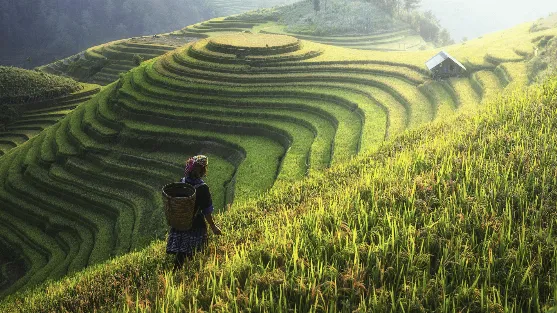
Rice Terraces Travel Guide: Exploring Northern Vietnam
Plan your journey with our complete Rice Terraces Travel Guide. Discover the best time to visit Northern Vietnam, things to do, customized tours, and local culture.
Table of contents
- Introduction to the Northern Vietnam Mountains
- Best Time to visit Northern Vietnam: The Agrarian Calendar
- Destination Profiles: what to see in Northern Vietnam
- Things to Do in Northern Vietnam: Curating the Experience
- Northern Vietnam foods: Culinary Heritage and Ancient Tea
- Northern Vietnam peoples: Guardians of the Terraces
- The Sustainable Tourism Paradigm
- Crafting the Perfect Northern Itinerary
- Frequently Asked Questions (FAQs)
- What is the Best Time to visit Northern Vietnam for photography?
- What are the best Northern Vietnam activities for senior travelers?
- Do European, American, or Australian citizens require a visa for Vietnam?
- How do we travel safely on a Ha Giang tour given the mountainous terrain?
- What exactly is a customized tour, and why is it necessary for the Northern Vietnam Mountains?
- Plan your visit with Typic Travel
Introduction to the Northern Vietnam Mountains
The Northern Vietnam Mountains offer one of Southeast Asia's most beautiful and culturally rich landscapes. The region is known for its sweeping valleys, deeply rooted ethnic traditions, and spectacular terraced rice fields that shift in color and texture with the passage of the seasons. As travel styles shift away from rushed, mass-tourism models, older European, American, and Australian travelers are increasingly prioritizing slow, immersive journeys that emphasize comfort and cultural authenticity.
This comprehensive Rice Terraces Travel Guide is designed to serve as a practical resource for planning a memorable journey through the highlands. It covers everything from the agricultural calendar to help you pinpoint the Best Time to visit Northern Vietnam, to profiling key destinations, eco-lodges, and outlining a relaxing Northern Itinerary. Whether you enjoy landscape photography, scenic road trips, a carefully planned, tailor-made tour is the best way to navigate the complexities of this region safely and comfortably.
Best Time to visit Northern Vietnam: The Agrarian Calendar
Understanding the ancient agricultural cycle is a critical factor when planning an expedition to the highlands. The look of the valleys changes completely based on the rice farming cycle, which goes through three distinct seasonal phases: the flooded planting season, the lush growing season, and the highly anticipated golden harvest. Because of extreme topographical variations and altitude differences, not all regions follow the same harvesting schedule. Lower-altitude valleys, such as those in Mai Chau and Pu Luong, benefit from a warmer climate that supports two rice crops per year, whereas higher-altitude regions like Sapa, Mu Cang Chai, and Hoang Su Phi produce only a single annual crop.
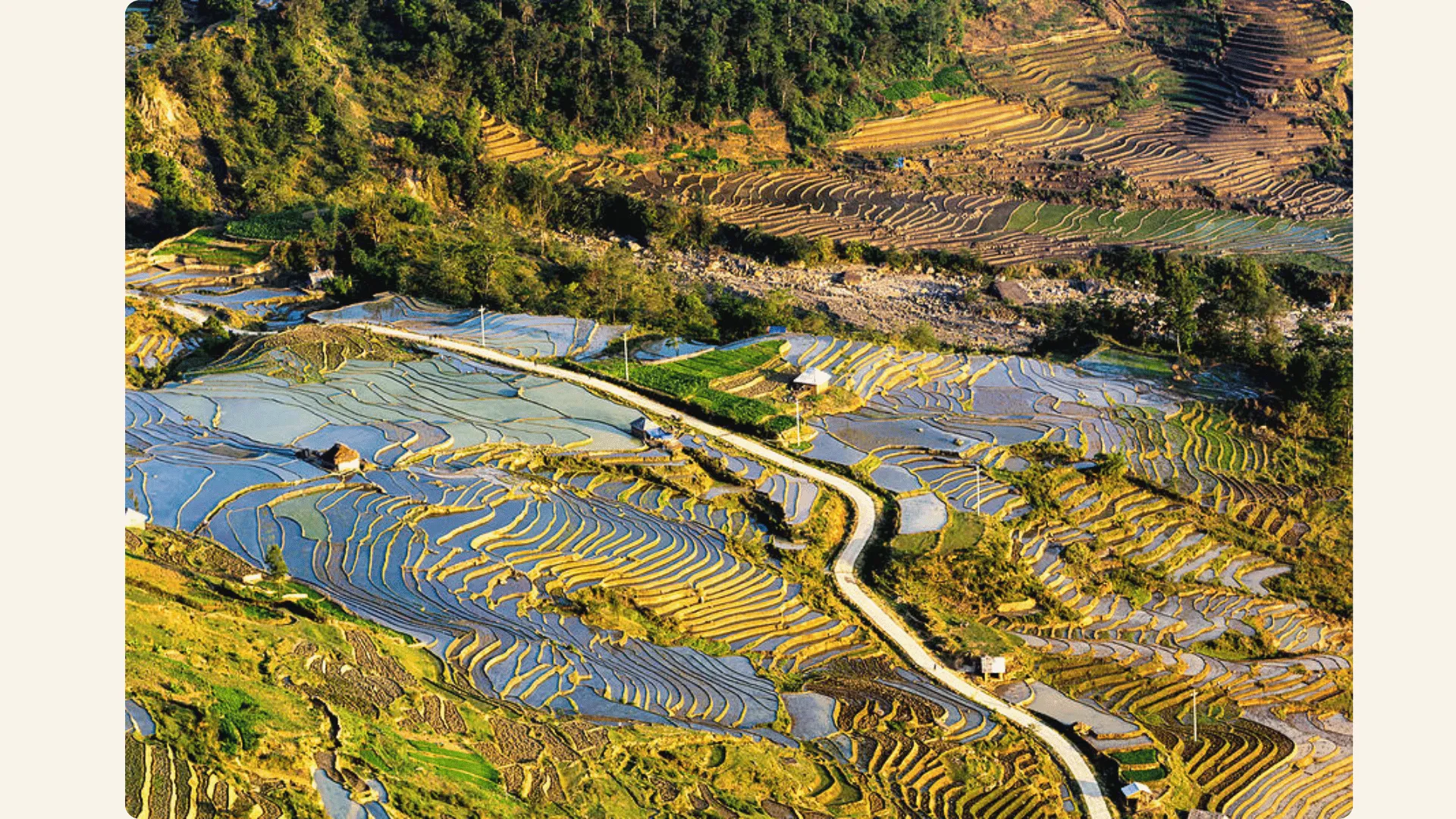
The Flooded Season (Late April to June)
Also known as the "water-pouring" season, this period occurs when the first summer rains arrive and farmers channel water from mountain streams into the newly plowed, staggered terraces. The terraces act as cascading, mirror-like pools that reflect the sky and surrounding peaks. This season is highly prized by visual artists and photographers for its striking contrasts, offering a sparkling atmosphere that differs immensely from the dry autumn months. Furthermore, traveling during the early summer harvest in lower-altitude areas like Mai Chau provides a genuine harvest experience with significantly fewer crowds and comfortable temperatures
The Green Season (July to August)
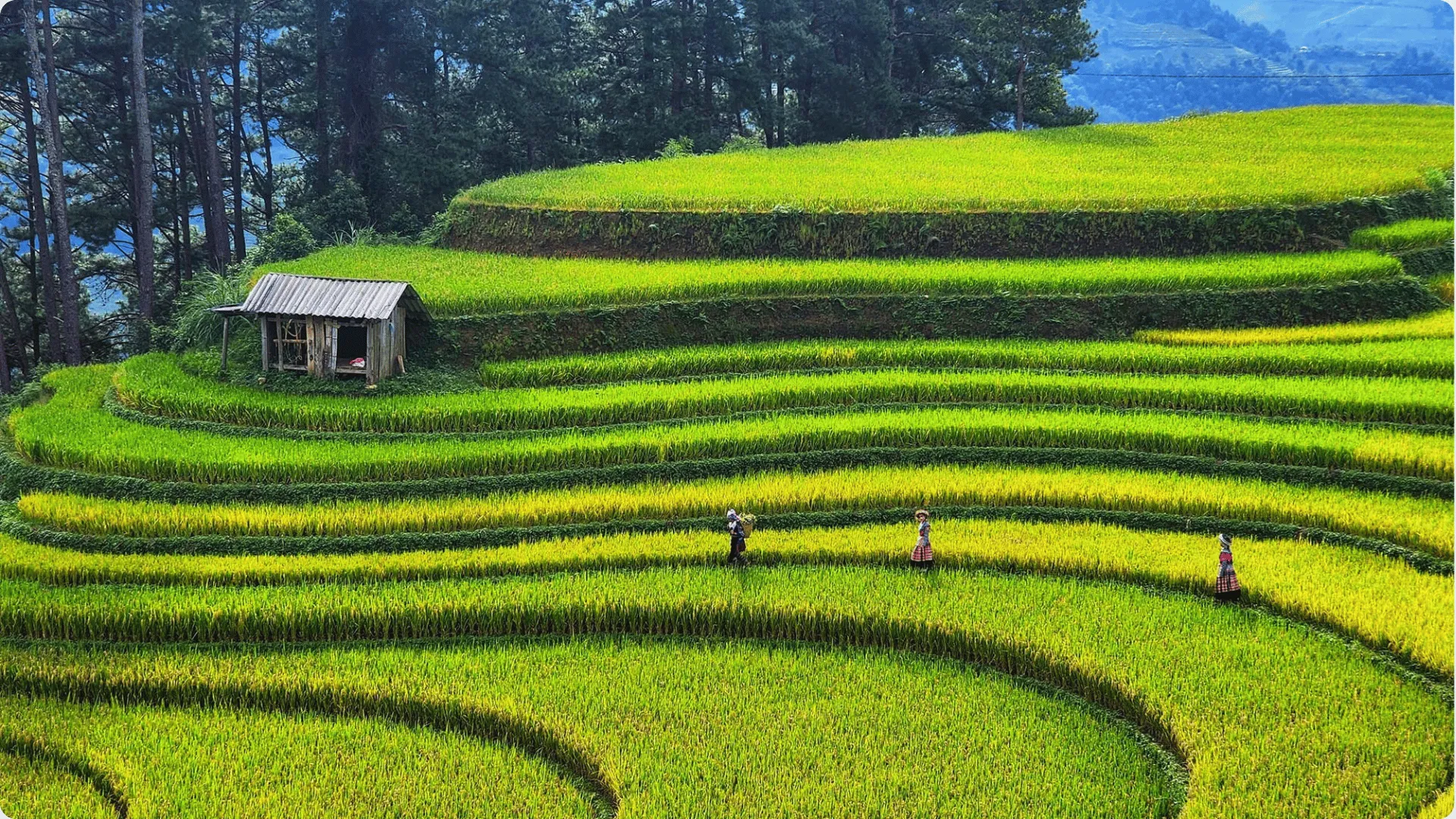
During the mid-summer months, the young rice shoots mature rapidly, blanketing the valleys in vibrant emerald green. The visual harmony of the bright green terraces blending with the forests makes this an idyllic time for nature enthusiasts, hikers, and those interested in exploring the natural vitality of the landscape. While the weather can occasionally bring tropical summer rains, the sheer lushness of the environment creates a refreshing escape, perfect for observing the daily agricultural routines of local farming families.
The Golden Harvest Season (September to October)
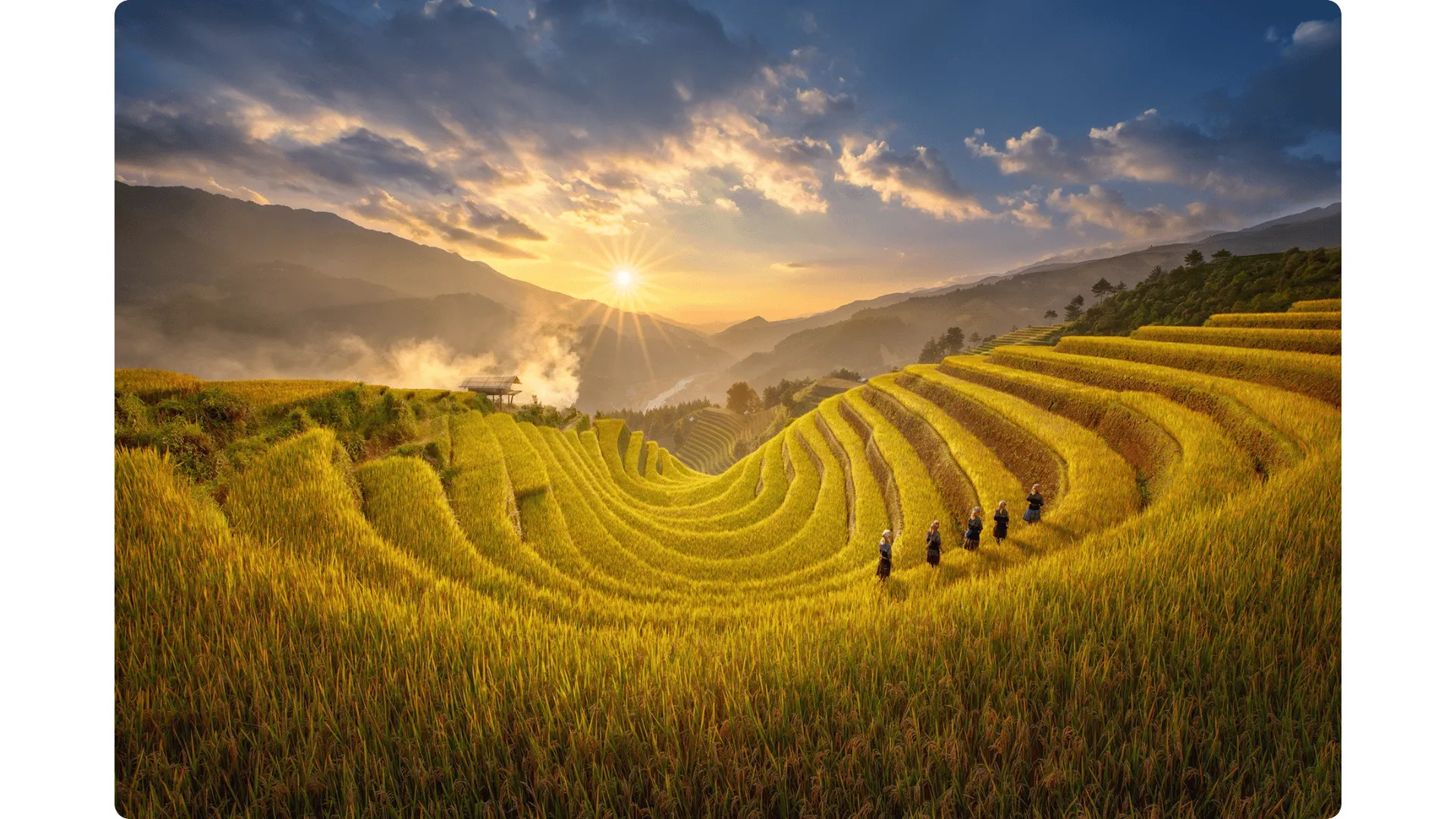
The harvest season is universally recognized as the visual peak of the Northern Vietnam Mountains, showcasing the true charm of rural Vietnam. As the rice reaches maturity, the valleys transition into a rolling ocean of gold and amber. The harvest animates the countryside from sunrise to sunset; families work together to cut the rice by hand, water buffalo traverse the fields, and sheaves of rice are laid out to dry outside traditional wooden stilt houses. The lighting conditions during this period are crisp and clear, creating a warm golden light that bathes the mountainsides.
|
Destination |
Number of Annual Harvests |
Golden Harvest Window |
Topographical & Cultural Characteristics |
|
Mai Chau |
2 |
Late May - June & Sept - Oct |
Gentle valley terrain, highly accessible, White Thai culture. |
|
Pu Luong |
2 |
May - June & Sept - Oct |
Dramatic contrasts, forested mountains, less commercialized. |
|
Sapa |
1 |
Late Aug - Mid Sept |
Steep, misty terraces, H'mong and Dao cultures, highest tourist density. |
|
Mu Cang Chai |
1 |
Mid Sept - Early Oct |
Infinite sculpted curves, highly photogenic, remote H'mong communities. |
|
Hoang Su Phi |
1 |
Mid Sept - Mid Oct |
Deeply authentic, pristine heritage fields, challenging mountain access. |
Destination Profiles: what to see in Northern Vietnam
When deciding what to see in Northern Vietnam, travelers should balance their desire for high-altitude landscapes against their tolerance for long transit times and varying levels of infrastructural development.
Mai Chau: The Accessible, Gentle Gateway
Located approximately 140 kilometers southwest of Hanoi—amounting to a manageable 2.5 to 3-hour drive—Mai Chau serves as the easiest and most comfortable introduction to the highland rice country. Nestled in a broad, flat valley surrounded by lush hills, the region is defined by its gentle topography and the enduring presence of the White Thai ethnic minority. These communities have resided in traditional stilt-house villages, such as Lac and Pom Coong, for generations, cultivating a deeply welcoming environment. Because Mai Chau supports two rice crops annually, it is a highly flexible destination for itinerary planning, perfectly suited for mature travelers who desire a slow-paced environment without the physical exertion required by steeper northern terrains.
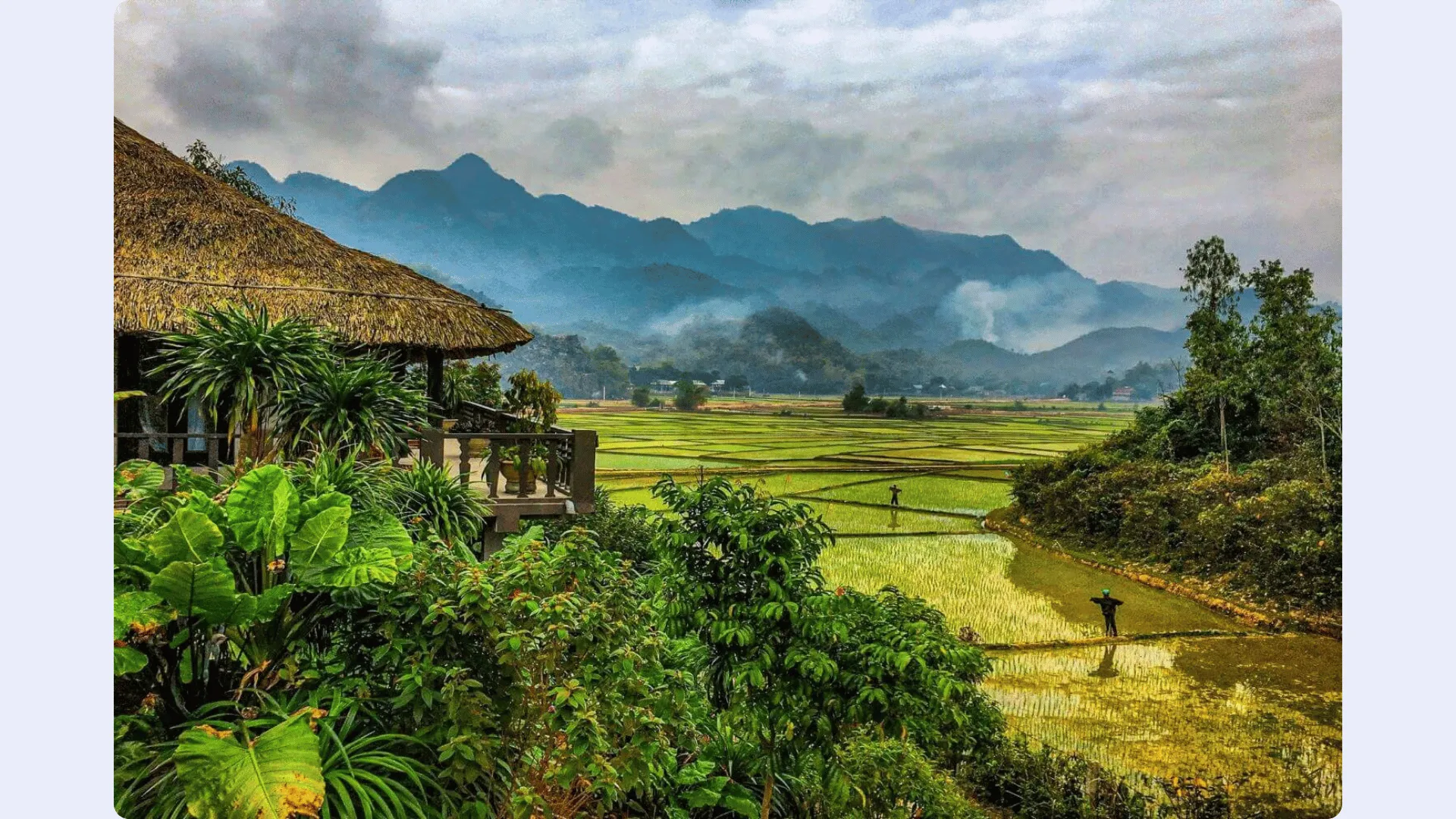
The retreat is famous for its "Cloud Pool," a breathtaking three-tiered infinity pool designed to resemble the contours of rice terraces, which utilizes heated water during the winter months. Wellness is heavily emphasized at the Orchid Spa, a tranquil sanctuary accessed via a long, winding wooden bridge. By blending high-end amenities with natural immersion, Avana Retreat allows senior travelers to experience the essence of Mai Chau beautifully.
>> You may like: North-West Vietnam Tour: 10 Days of Adventure between Rice Paddies, History and Ethnicities
Pu Luong Nature Reserve: The Harmonious Eco-Retreat
Situated just a short drive from Mai Chau but defined by a much more dramatic topography, the Pu Luong Nature Reserve is a haven for responsible travel. Like Mai Chau, it enjoys a dual-harvest cycle, but its terraces are distinctly layered, hugging steep limestone mountainsides and interspersed with traditional bamboo water wheels. Pu Luong is frequently celebrated as a quieter, more intimate, and significantly less commercialized alternative to Sapa.
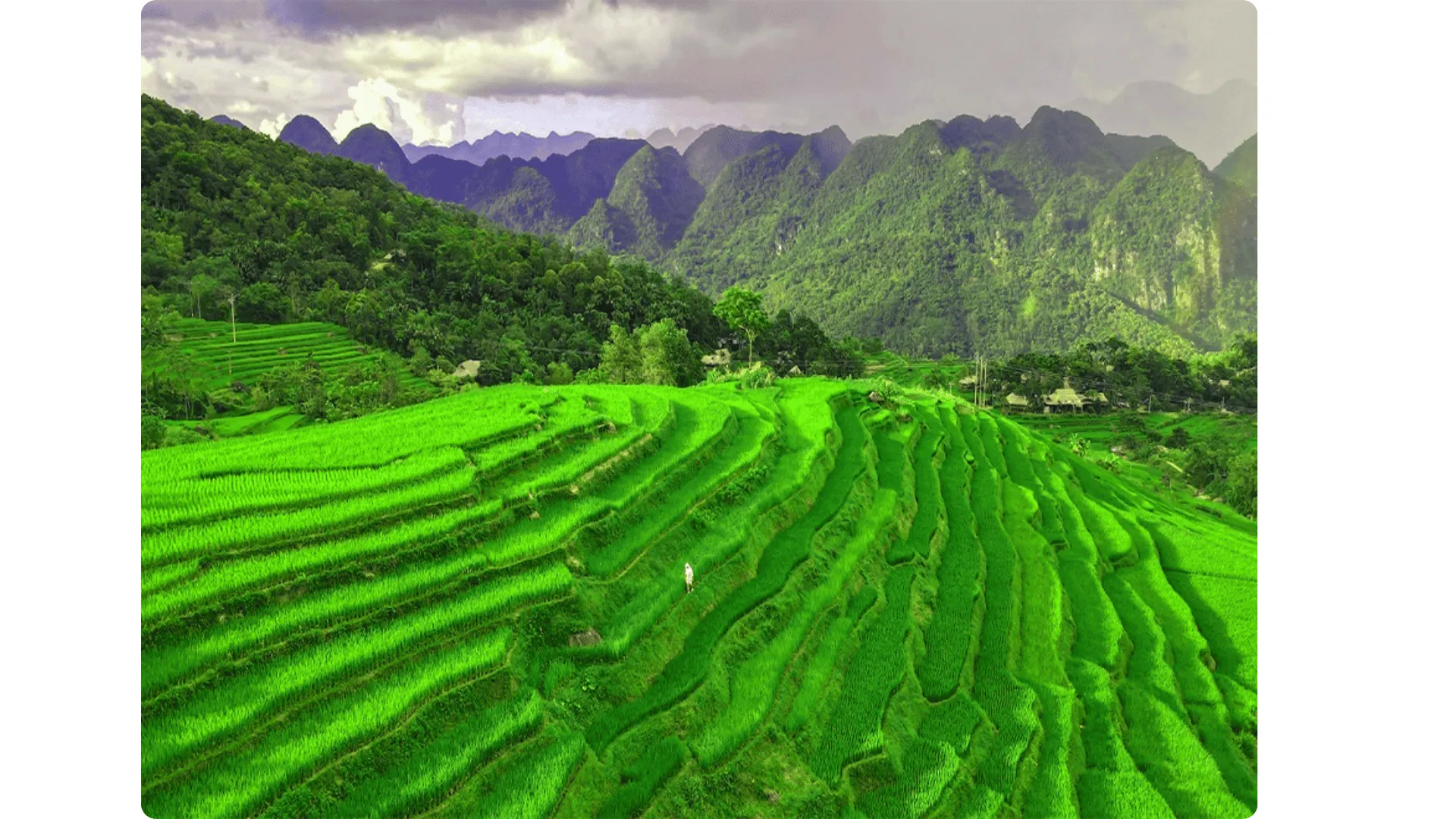
Key highlights include Ban Don, offering sweeping views of the golden terraces arranged in an S-shape along the road, and the Hieu Waterfall, where clear streams cascade gently through the landscape. The higher-altitude area of Son-Ba-Muoi provides an even more remote glimpse into the harvest life of the Thai and Muong people. Pu Luong is highly recommended for travelers interested in a responsible travel approach; taking small walks here directly supports local farming families.
Sapa: The Iconic, Misty Highlands
Sapa remains the most internationally recognized destination in the Northern Vietnam Mountains. Despite facing significant commercial development over the past decade, its surrounding valleys—most notably the Muong Hoa valley and the villages of Lao Chai, Ta Van, and Cat Cat—retain an undeniable beauty. The region is home to a diverse tapestry of ethnic minorities, primarily the Black H'mong, Red Dao, and Giay peoples, who have sculpted the steep mountainsides into staggering agricultural monuments. Sapa continues to deliver amazing experiences, particularly when a customized tour is designed to bypass the bustling town center in favor of the serene, outlying villages.
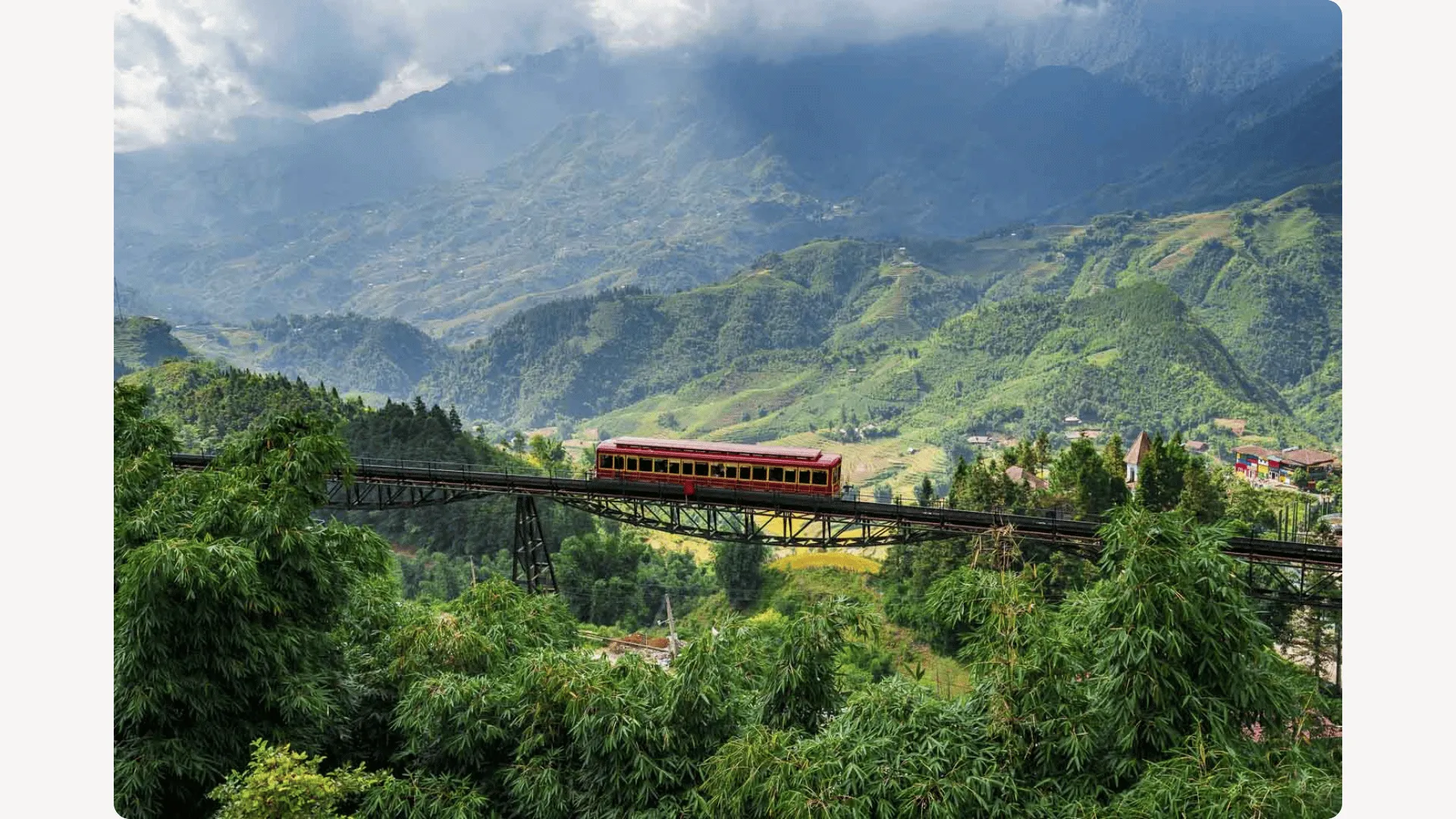
Travelers seeking exclusivity and sustainability in Sapa frequently look to the Topas Ecolodge, recognized globally for its striking location and ecological standards. Situated on a commanding hilltop 18 kilometers from Sapa town, the lodge offers 50 Nordic-inspired bungalows constructed from white granite. The property operates with a deep commitment to the local community, employing over 100 staff members, 90% of whom belong to local ethnic minorities.
Mu Cang Chai: The Photographers' Pinnacle
For those looking for visually dramatic and precise terraces, Mu Cang Chai is truly special. Located deep in Yen Bai province, the terraces here are carved with amazing precision, creating sweeping golden waves that follow the contours of the mountains. The local population is predominantly H'mong, and they maintain centuries-old farming traditions.
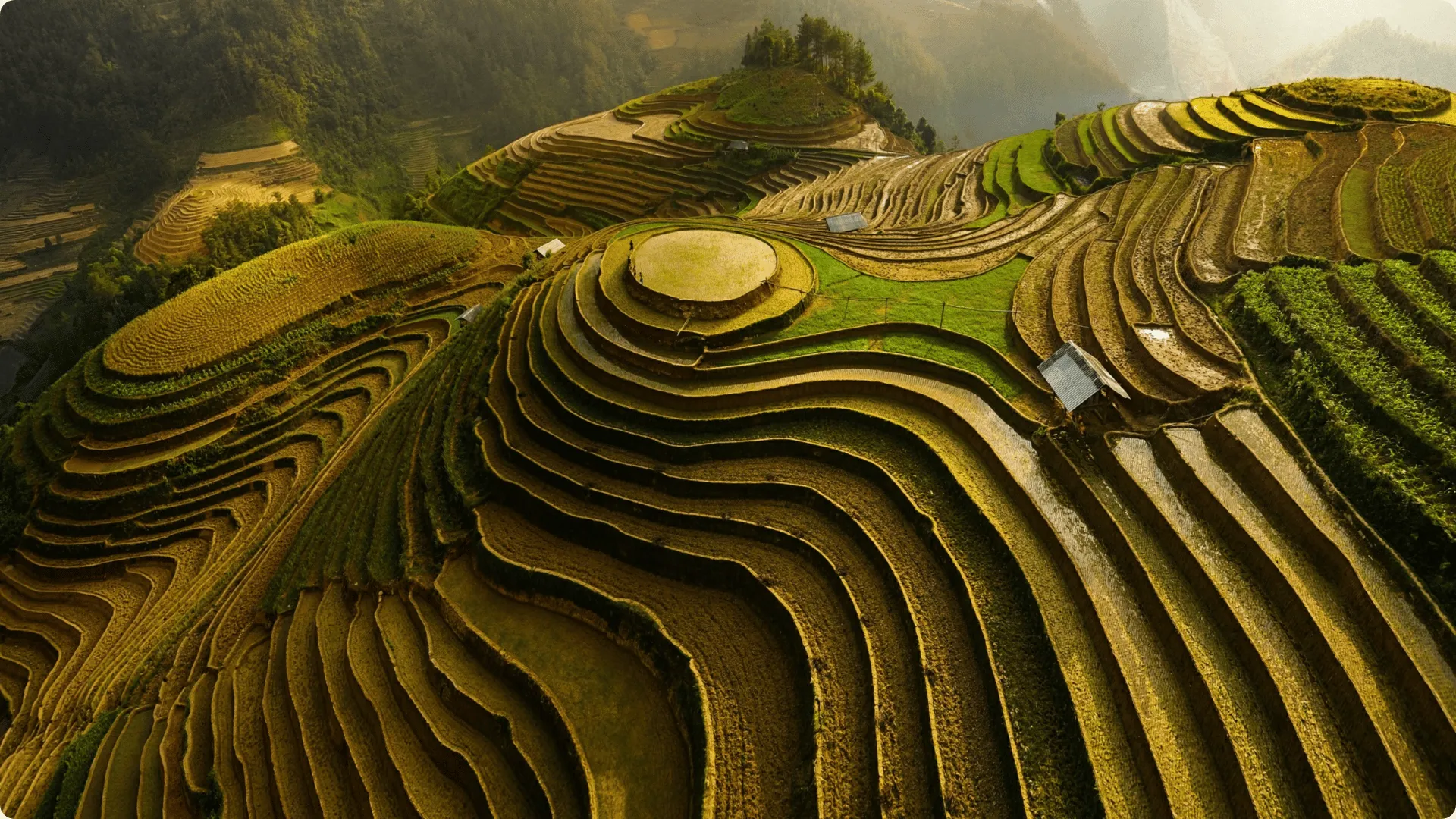
Mu Cang Chai yields only one harvest per year, making the three-week window between mid-September and early October a highly sought-after period. Due to the long drive required to reach the area, an itinerary encompassing Mu Cang Chai is best executed via a private car, allowing for comfortable stops at viewpoints like the Khau Pha pass. It is a destination tailored for slow travelers and dedicated photographers who want landscapes of breathtaking majesty.
Discover our Photography tours here!
Hoang Su Phi & Ha Giang: The Authentic Frontier
For the intrepid traveler desiring untamed landscapes and authentic culture, Hoang Su Phi in Ha Giang province is the ultimate frontier. Recognized as a national heritage site, the terraced fields here cover precipitous mountainsides and represent the immense labor of the Dao, Nung, and La Chi peoples over centuries.
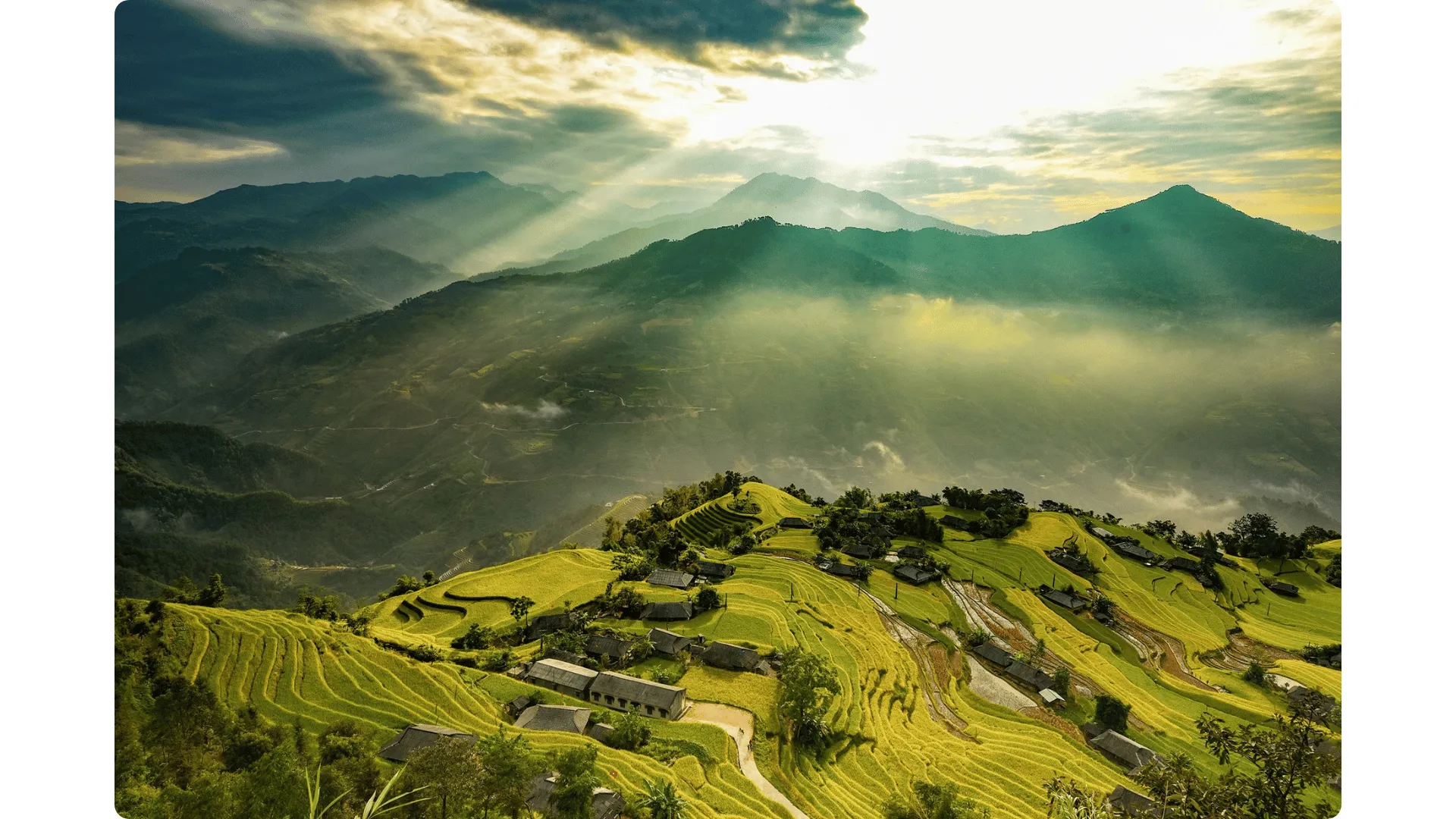
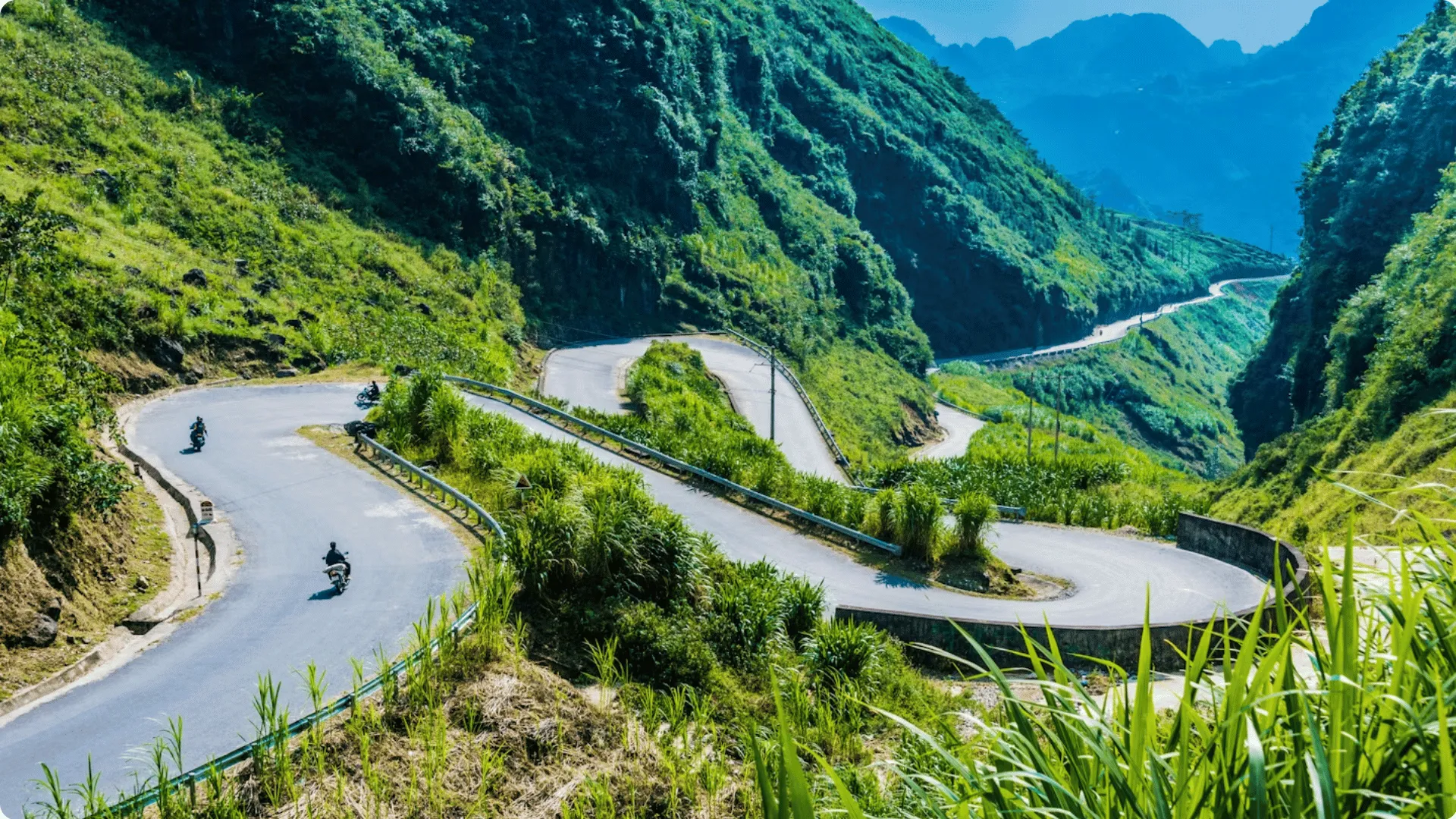
The route to Hoang Su Phi and the broader Ha Giang loop is challenging, characterized by steep, winding roads, which naturally keeps mass tourism away. However, this should not deter mature travelers. A specialized Ha Giang tour utilizing a private luxury SUV with an experienced local driver is strictly recommended for older travelers. This premium approach ensures that the majestic scenery—including the legendary Ma Pi Leng Pass and the deep Tu San Canyon—can be enjoyed safely and effortlessly.
Things to Do in Northern Vietnam: Curating the Experience
When deciding what to do in Northern Vietnam, the focus for adult and senior European travelers shifts naturally from strenuous physical exertion toward meaningful cultural engagement, specialized culinary interests, and highly accessible nature exploration.
Trekking and local culture
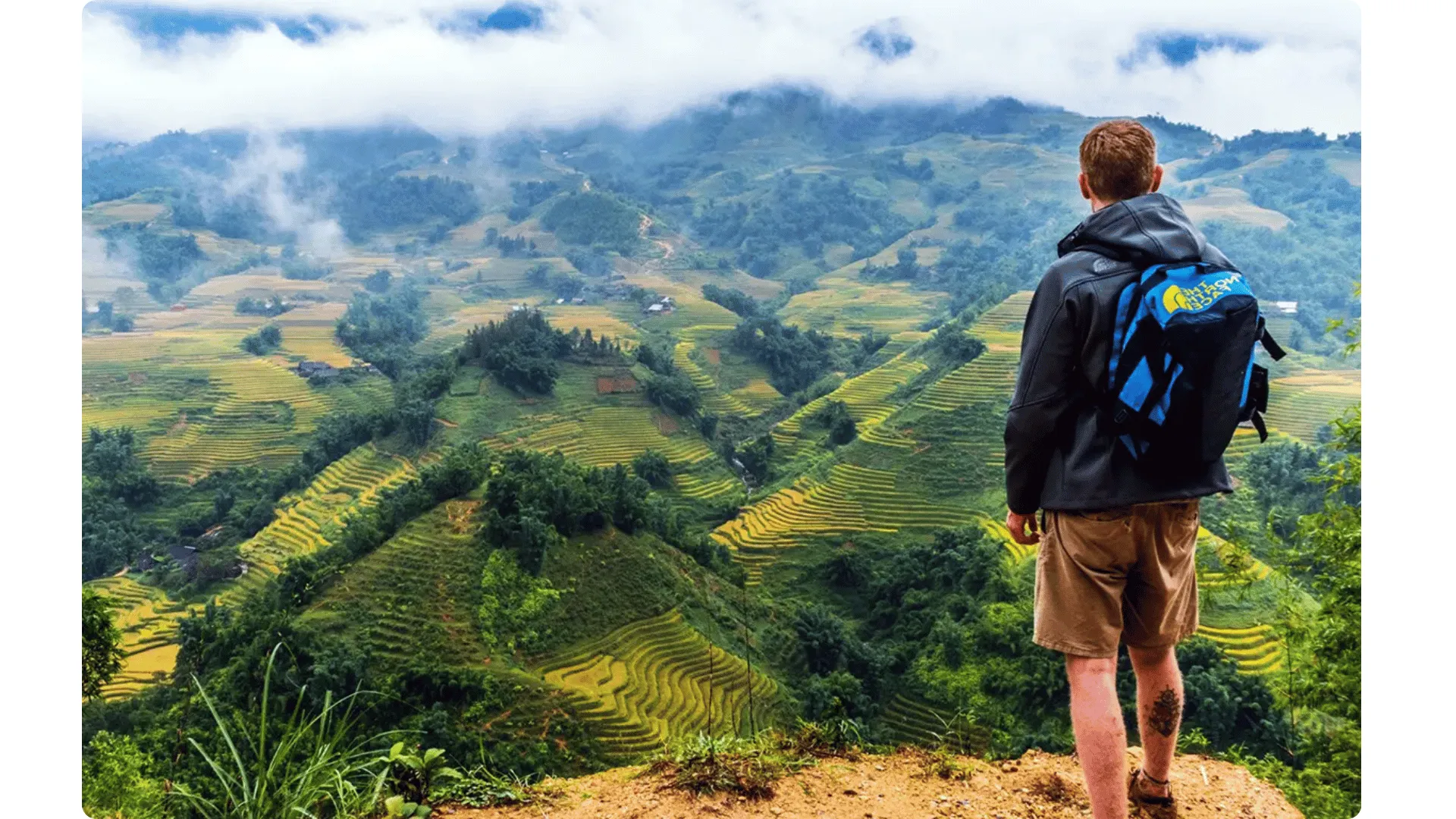
Trekking in Northern Vietnam is not exclusively reserved for extreme athletes; it can be seamlessly adapted into gentle, slow-paced walks through the valleys. Engaging in community-based tourism through private trekking tours allows visitors to observe authentic village life respectfully. In Pu Luong, visitors can walk alongside ancient bamboo water wheels, while in Hoang Su Phi, guided walks reveal pristine agricultural methods. These walks facilitate genuine cultural exchange, ensuring that the economic benefits of tourism remain within the community.
Photography and Landscape Appreciation
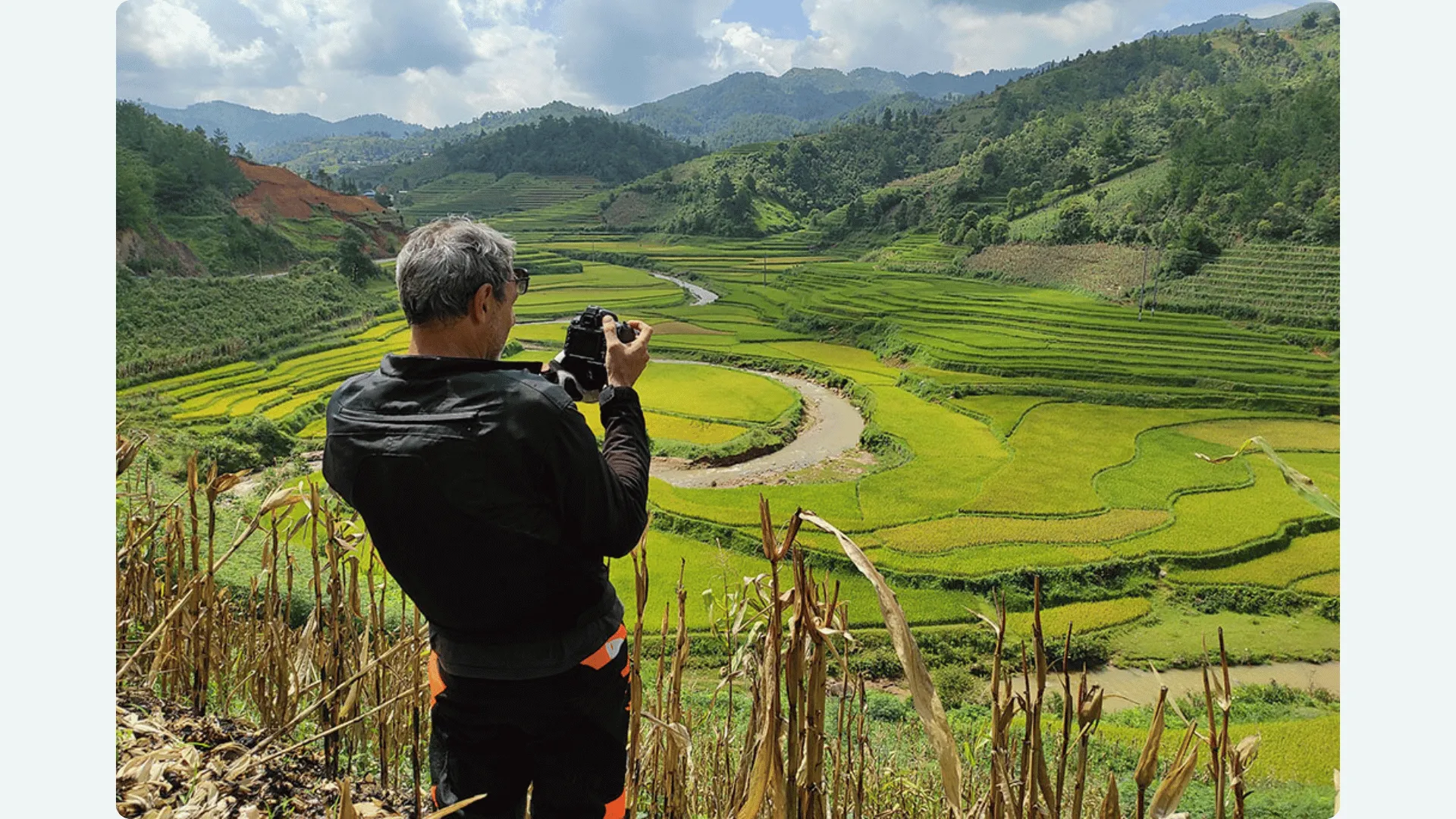
The immense topographical beauty of the region makes photography one of the premier Northern Vietnam activities. The terraces serve as a natural masterclass in light and shadow, particularly during the golden hours of early morning and late afternoon. Iconic viewpoints offer unparalleled opportunities for landscape photography. For the best results, travelers should plan their itineraries during the crisp, clear atmospheric conditions of September and October.
Senior-Friendly Road Trips
The concept of road trips in this region has evolved. While motorbike loops remain popular among young backpackers, premium travel agencies now offer highly tailored, senior-friendly road trips utilizing luxury hybrid SUVs and multi-purpose vehicles. These private car tours feature spacious interiors, climate control, and experienced drivers who navigate the mountain passes with care. This mode of transport allows older travelers to access breathtaking panoramic vistas comfortably.
Northern Vietnam foods: Culinary Heritage and Ancient Tea
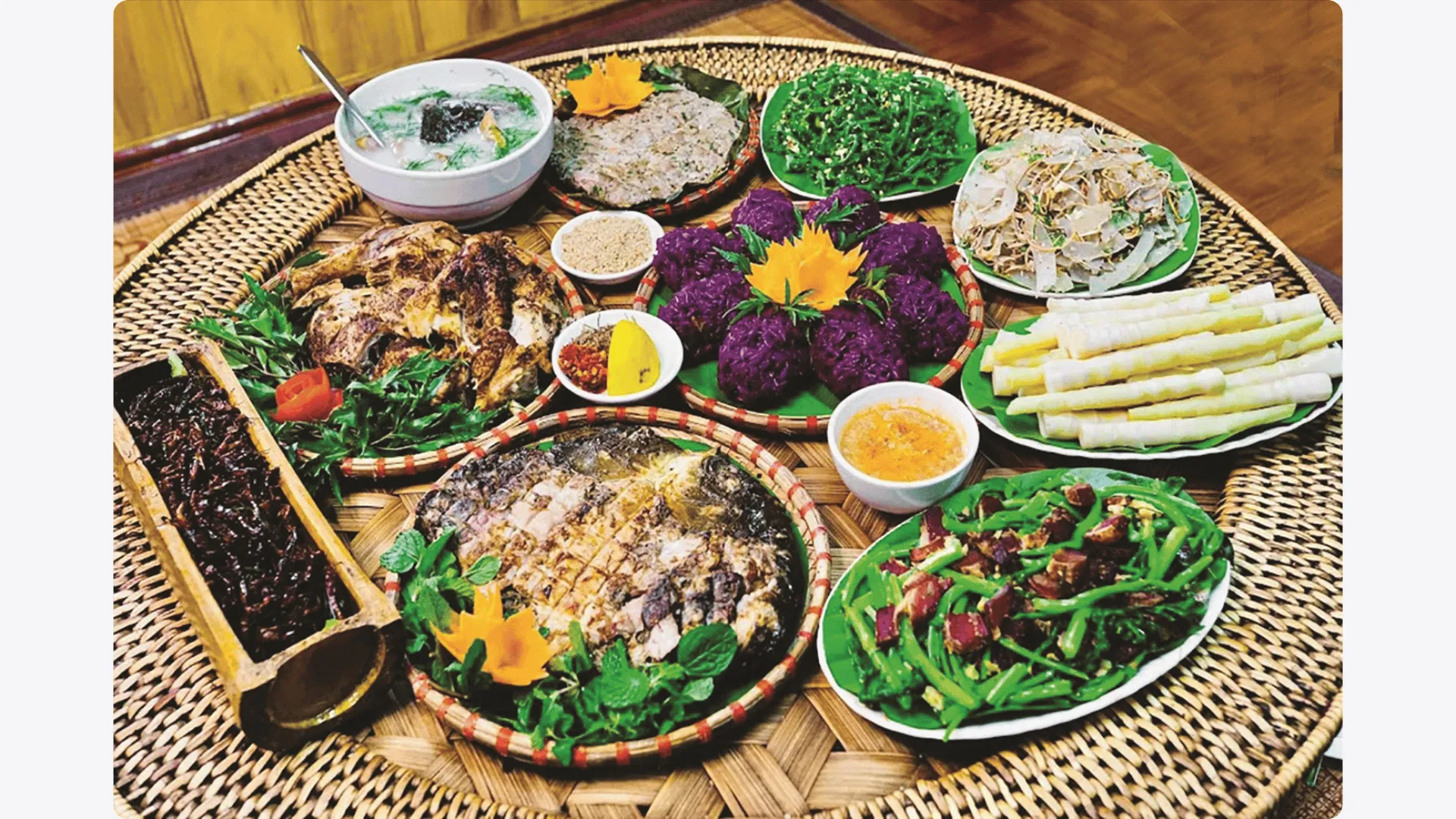
The culinary heritage of the region is tied to its agrarian roots, and exploring Northern Vietnam foods is a vital component of the travel experience. The local diet emphasizes fresh ingredients sourced directly from the surrounding forests and streams. Travelers can savor indigenous specialties such as free-range chicken, stream fish, young bamboo shoots, and traditional Can wine.
However, a truly unique culinary activity in Hoang Su Phi is the discovery and tasting of Shan Tuyet ancient tea. Grown naturally in the deep jungles at altitudes between 1,200 and 2,000 meters, these rare tea trees are centuries old, with some recognized as Vietnamese Heritage Trees. The tea derives its name, "Shan Tuyet" (meaning Snow on the Mountain), from the fine, white fuzz that coats the leaves.
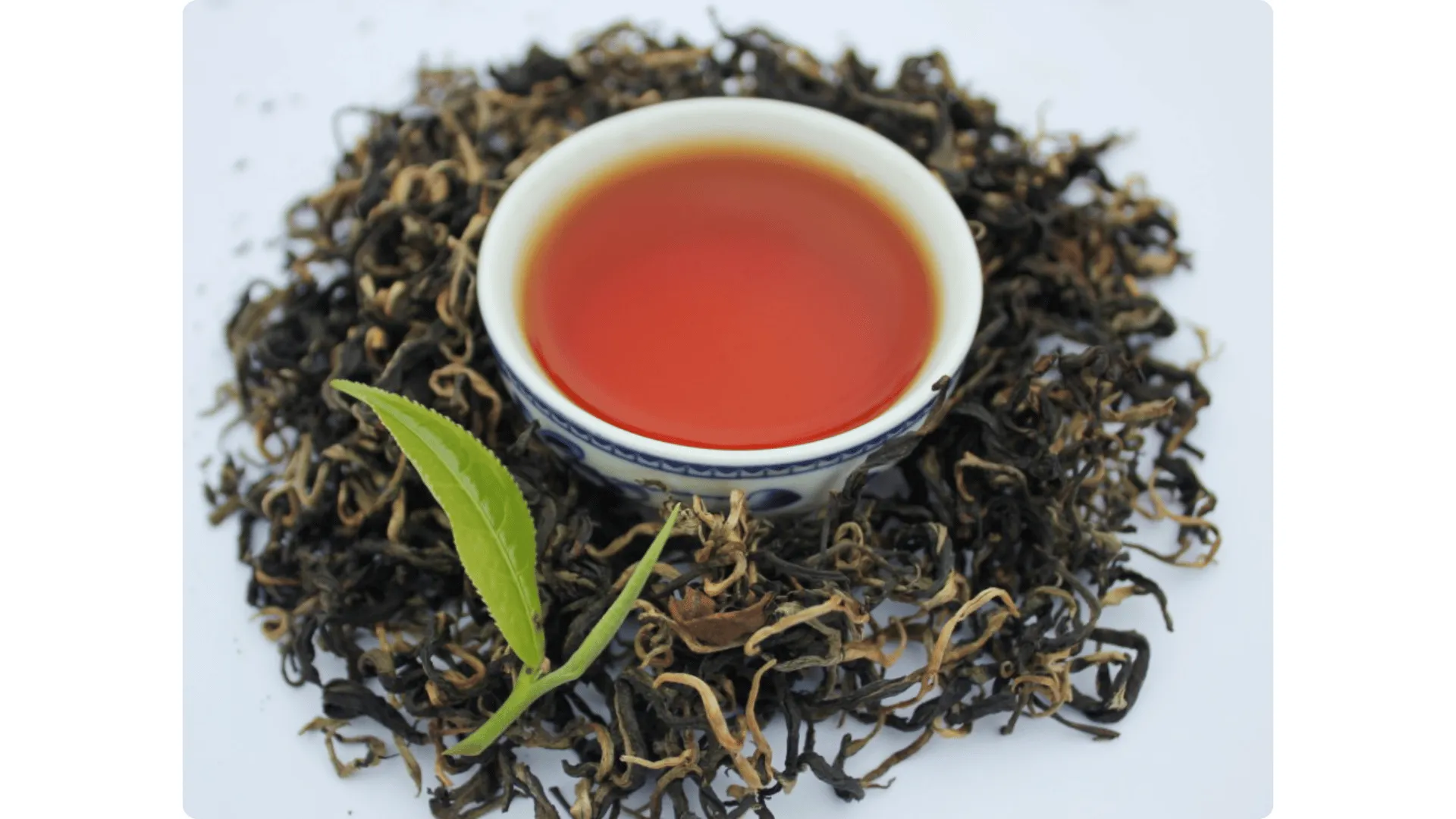
In communes such as Tung San, Nam Ty, and Ho Thau, visitors can witness locals hand-harvesting the delicate buds at dawn. The leaves are traditionally pan-roasted over wood fires to preserve their pure, slightly astringent, and sweet aftertaste. Participating in a traditional tea-tasting ceremony offers an extraordinary sensory connection to Ha Giang.
Northern Vietnam peoples: Guardians of the Terraces
The cultural fabric of the Northern Vietnam Mountains is woven by a diverse array of ethnic minority groups. Learning about the Northern Vietnam peoples is essential, as their history and daily labor are closely linked to the creation and survival of the terraced fields.
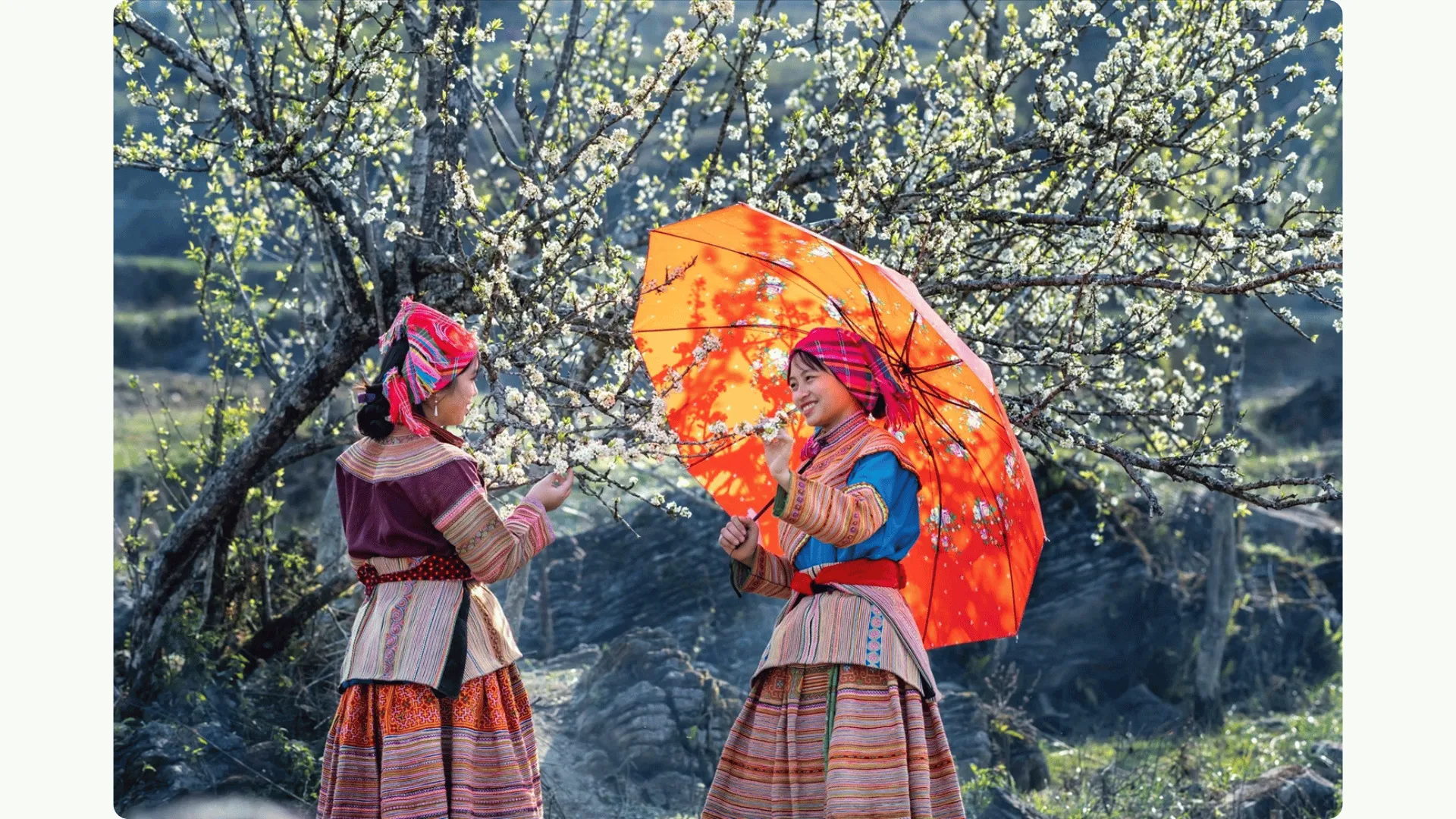
The H'mong: Forming the dominant demographic in regions like Sapa and Mu Cang Chai, the H'mong are renowned for their indigo-dyed hemp clothing and mastery of steep-terrain terrace farming.
The Dao (Red Dao): Found prominently in Sapa and Hoang Su Phi, the Red Dao are distinguished by vibrant red headdresses. They possess deep knowledge of forest herbs, famously offering therapeutic herbal baths that relieve physical exhaustion.
The Thai (White and Black Thai): Residing primarily in the lower, warmer valleys of Mai Chau and Pu Luong, the Thai people live in elevated wooden stilt houses and are highly skilled weavers. They have been regional pioneers in welcoming community-based tourism.
Travelers are encouraged to approach these communities with deep respect. Responsible engagement includes hiring indigenous local guides, refraining from intrusive photography, and purchasing authentic handmade goods directly from the artisans.
The Sustainable Tourism Paradigm
The rapid growth of tourism in Vietnam presents both economic opportunities and challenges for cultural conservation. Research on sustainable tourism, including a 2025 study focused on Hanoi and northern communities, highlights that community-based travel (CBT) is an essential approach for protecting both landscapes and local identities.
CBT initiatives ensure that local residents transition from being passive subjects of tourism into active stakeholders who directly profit from the industry. Academic findings emphasize that when visitors make a conscious shift toward responsible behaviors—such as staying in locally operated eco-lodges, taking part in authentic farming activities, or employing indigenous guides—it directly and strongly boosts the local community's awareness of heritage conservation. When residents actively participate in tourism, their emotional bond to their heritage is strengthened, preventing commercialization from eroding their traditions. Therefore, booking a customized tour that explicitly prioritizes low-impact engagement—like traveling slower and avoiding overcrowded mass-tourism hubs—is the most ethically responsible way to experience the Northern Highlands. Notable successful models include Sin Suoi Ho in Lai Chau, Sung Village in Hoa Binh, and Nam Dam in Ha Giang.
Crafting the Perfect Northern Itinerary
Designing a Northern Itinerary requires attention to pacing, logistical realities, and seasonal timing. For mature travelers, minimizing daily transit times and allowing for multi-night stays in premium eco-lodges is the optimal strategy.
Transportation Logistics: The Journey from Hanoi to Sapa
The journey from the capital city to the mountains is the foundational step of any northern tour. The actual travel distance from central Hanoi to Sapa town is approximately 315 to 320 kilometers. Travelers generally evaluate three primary transportation options:
|
Transportation Mode |
Average Travel Time |
Estimated Cost (USD) |
Comfort & Ideal Demographic |
|
Private Car / SUV |
4.5 – 5.5 hours |
$120 – $180+ |
Highest Comfort: Door-to-door service, ideal for seniors, families, and photographers needing stops. |
|
Limousine Van (Shared) |
5.5 – 6 hours |
$17 – $28 |
High Comfort: Large reclining seats, excellent balance of price and speed for small groups. |
|
Sleeper / Cabin Bus |
5.5 – 6.5 hours |
$10 – $20 |
Basic Comfort: Budget-friendly, flat beds, popular but less private. |
|
Overnight Train |
8 – 9 hours total |
$39 – $55+ |
Medium Comfort: Nostalgic, but requires a 1-hour transfer from Lao Cai to Sapa. Good for deep sleepers |
The fastest, most comfortable option for mature travelers is the Private Car or Luxury Limousine Van. Utilizing the modern CT05 express highway, a private SUV completes the journey in just 4.5 to 5.5 hours, providing seamless door-to-door service and the flexibility to make scenic stops.
Conversely, the overnight train takes approximately 8 hours to reach Lao Cai station. Because the train does not directly service Sapa, passengers are subjected to a mandatory 45 to 60-minute transfer up a mountain road early in the morning. While the railway holds romantic appeal, this fragmented journey makes it less practical for travelers prioritizing seamless comfort.
Structuring a Tailor-Made Tour
A highly successful strategy for a comprehensive, senior-friendly visit is a 10 to 14-day slow-paced circuit that balances relaxation with exploration.
The Gentle Introduction (Days 1-4): Begin the journey in Mai Chau and Pu Luong. The short 3-hour drive from Hanoi and the luxurious, flat-valley environs of retreats like Avana offer a gentle acclimatization to rural Vietnam.
The Dramatic Highlands (Days 5-9): Transfer via private car to Mu Cang Chai and Sapa. Focus on the grand topography and enjoy the Nordic-inspired isolation of Topas Ecolodge.
The Remote Frontier (Days 10-14): Conclude the expedition in Hoang Su Phi and Ha Giang. Engage in a highly specialized Ha Giang tour with a private driver, exploring the ancient Shan Tuyet tea forests and traversing the Ma Pi Leng Pass before returning to Hanoi.
→ Plan your Vietnam tour now? Free quote in 24h
Frequently Asked Questions (FAQs)
What is the Best Time to visit Northern Vietnam for photography?
>> The optimal window for capturing the iconic golden rice terraces is during the autumn harvest season. For Sapa, Mu Cang Chai, and Hoang Su Phi, this peak window occurs from mid-September to early October. For lower-altitude regions like Pu Luong and Mai Chau, a secondary golden window is available from late May to June. Alternatively, the water-pouring season in May offers spectacular mirrored reflections of the sky.
What are the best Northern Vietnam activities for senior travelers?
>> A tailor-made tour for older adults should prioritize slow-paced, low-impact, and culturally rich activities. Highly recommended options include scenic road trips in private SUVs, gentle guided walks through the flat valleys of Mai Chau, participating in ancient Shan Tuyet tea tasting ceremonies in Ha Giang, and enjoying wellness treatments at luxury eco-lodges like Topas Ecolodge or Avana Retreat.
Do European, American, or Australian citizens require a visa for Vietnam?
>> Visa regulations vary strictly by nationality. Currently, British, French, German, Italian, Spanish, and Dutch passport holders enjoy a generous visa exemption allowing for visits of up to 45 days. However, citizens of the United States, Australia, Canada, India, and Israel are required to apply for an E-visa prior to their arrival in the country. It is always advised to verify current governmental regulations prior to travel.
How do we travel safely on a Ha Giang tour given the mountainous terrain?
>> The roads in Ha Giang and Hoang Su Phi are characterized by steep gradients and sharp switchbacks. The safest, most comfortable method to undertake a Ha Giang tour is by hiring a reputable local agency to provide a private, modern SUV with a highly experienced local driver. This ensures maximum safety, insightful local commentary, and climate-controlled comfort.
What exactly is a customized tour, and why is it necessary for the Northern Vietnam Mountains?
>> A customized tour is a bespoke travel itinerary designed specifically around a traveler's physical capabilities, personal interests, and exact timeline. Given the region's complex logistics, varying regional harvest times, and the stark difference in quality between crowded mass-market hotels and sustainable eco-lodges, a tailor-made approach ensures a seamless, high-quality experience. It allows travelers to experience the raw beauty of the region at their own pace while actively supporting community-based tourism.
Plan your visit with Typic Travel
Would you like to experience the golden rice fields of northern Vietnam with Typic Travel? Tell us what interests you most, from scenic countryside and local villages to photography, walking and meeting local communities.
We can discuss a tailor-made tour from Hanoi, with transport, guiding and accommodation arranged around the places and experiences you would like to enjoy. The golden rice season can also be part of a longer journey through northern Vietnam.
Customize Tour and share your preferred date, group size and ideas with us.
