


Health and safety in Vietnam: everything you need to know (2026)
Vietnam is a fascinating destination that attracts many travelers each year in search of adventure, new experiences, and discoveries. However, to fully enjoy your stay, it is essential to prepare well and take some health and safety precautions.

At Typic Travel, your well-being is our priority. That's why we've put together this comprehensive guide for you, packed with practical tips and essential information for a peaceful trip to the Land of the Dragon. Follow the guide!
Table of Contents
- 1. What vaccinations should you get before traveling to Vietnam? The complete guide
- 2. Vietnam travel insurance: Comparison, advice and procedures
- 3. Street food in Vietnam: our tips for enjoying it safely
- 4. Scams in Vietnam: Top 5 and tips to avoid them
- 5. Safety in Vietnam: Tips for travelers
- 6. Emergencies in Vietnam: useful numbers and contacts
1. What vaccinations should you get before traveling to Vietnam? The complete guide
Why consult a doctor before a trip to Vietnam?
Before any trip to Vietnam, it is highly recommended to consult your general practitioner or an international vaccination center at least 6 weeks before departure. This visit will allow you to review your health status, adapt your usual treatment if necessary, and receive the necessary vaccinations.
Vietnam: What are the mandatory and recommended vaccinations?
In addition to universal vaccines (Diphtheria, Tetanus, Polio, Whooping Cough, Measles), certain specific vaccines are recommended for a stay in Vietnam:
- Hepatitis A and B: transmitted through contaminated water or food
- Typhoid: increased risk during prolonged stays or in precarious conditions
- Japanese Encephalitis: for stays in rural areas during the rainy season
Dengue in Vietnam: Symptoms, treatments and prevention
Transmitted by mosquitoes, dengue is prevalent throughout Vietnam, especially during the rainy season. There is no vaccine, so prevention relies on mosquito protection (repellents, long clothing, mosquito nets). In case of fever during or after returning from the trip, a medical consultation is necessary.
2. Vietnam travel insurance: Comparison, advice and procedures
Travel insurance for Vietnam: Why subscribe?
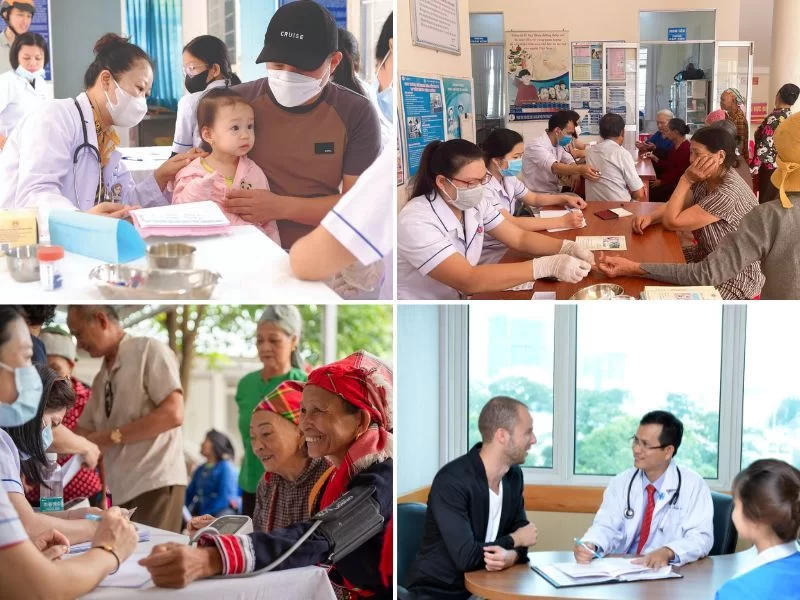
Although the Vietnamese healthcare system is generally of good quality, medical expenses in case of a problem can quickly escalate, especially in private facilities. Travel insurance will cover not only your health expenses but also unforeseen events such as lost luggage or cancellation.
Which travel insurance to choose for Vietnam?
A worthy travel insurance must include at least:
- Medical and hospitalization expenses abroad
- Medical repatriation if needed
- Civil liability
- 24/7 assistance
- Cancellation and trip interruption
- Loss or theft of luggage
5 tips for choosing your Vietnam travel insurance
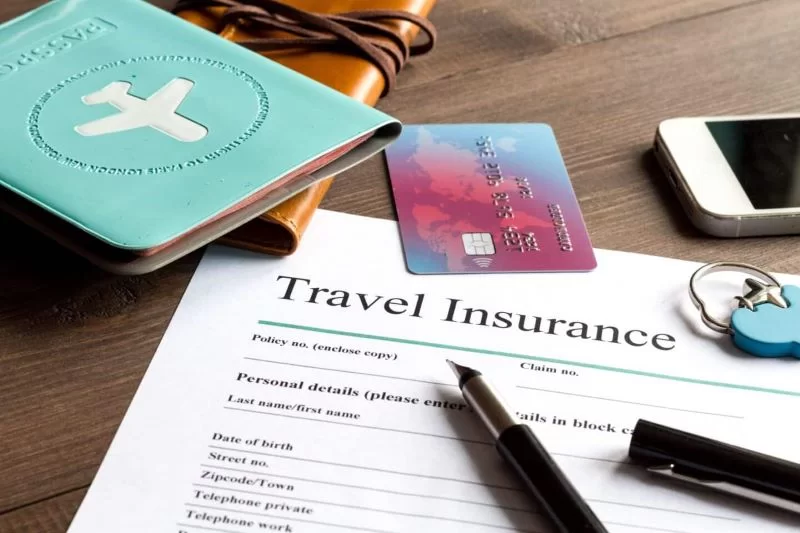
Compare offers and carefully read the terms and conditions, especially exclusions and coverage limits. Check that the activities you will be doing are covered (sports, motorcycle rental...). Opt for a contract with advance payment of medical expenses so you don't have to pay out of pocket.
At Typic Travel, we can guide you in choosing insurance adapted to your profile and needs.
3. Street food in Vietnam: our tips for enjoying it safely
Drinking water in Vietnam: Can you drink it?
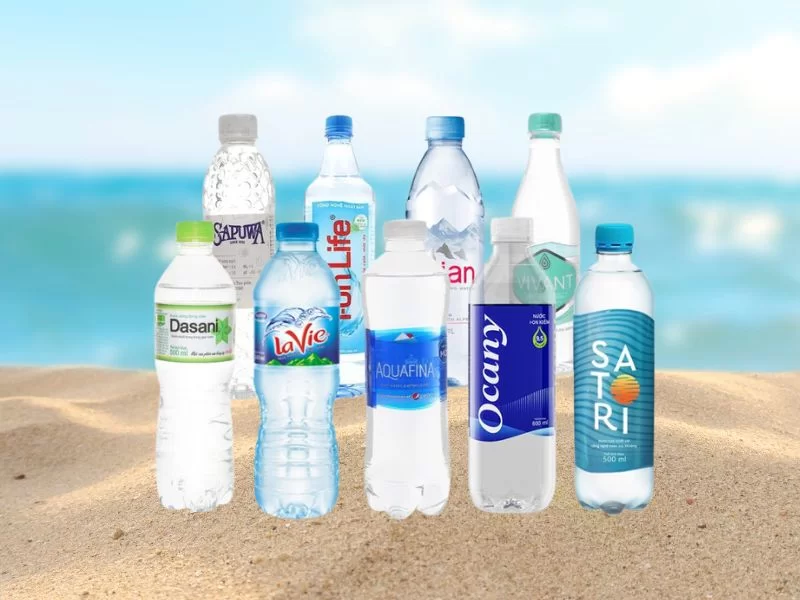
As a precaution, it is recommended to only consume bottled water with a sealed cap or after treatment (filtration, boiling, purifying tablet). Also, prefer industrial tube-shaped ice cubes for your drinks. Remember to hydrate regularly, as the tropical climate can lead to rapid dehydration.
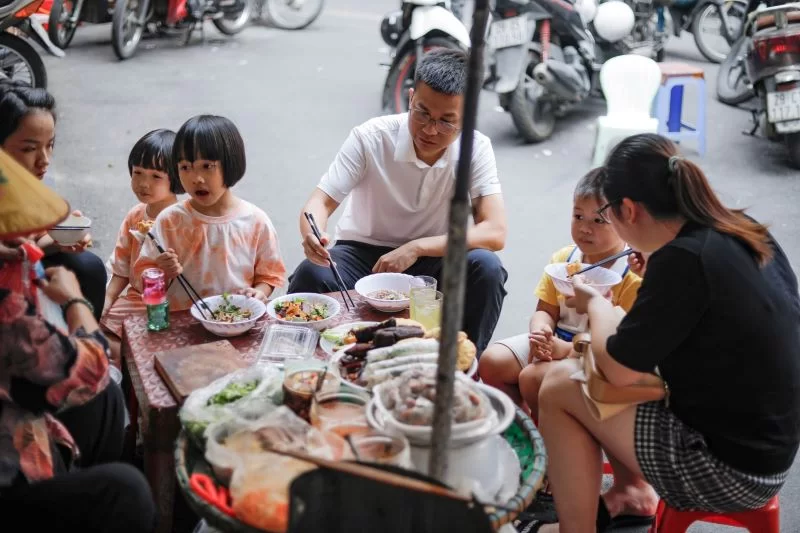
Street Food in Vietnam: good reflexes
A true institution in Vietnam, street food is full of delights. To enjoy it with peace of mind, choose stalls where the food is well cooked and served hot, where turnover and hygiene seem good. Avoid raw vegetables, unpeeled fruits, ice cubes, and tap water. If in doubt, follow the advice of your Typic Travel guide, who knows all the best spots!
Learn more about French-speaking guide and private guide in Vietnam: Good to know
Food poisoning in Vietnam: what to do and prevention
Despite all precautions, "turista" can never be ruled out. In case of diarrhea or vomiting, the main risk is dehydration. Drink plenty of fluids (water, sodas, soups...) and monitor your condition. If symptoms persist for more than 2 days or are accompanied by fever, consult a doctor. The numbers of international hospitals are listed below.
To prepare for this eventuality, your travel first aid kit should include:
- Paracetamol
- Antidiarrheals (Smecta, Imodium...)
- Oral rehydration solution
- Hydroalcoholic gel
4. Scams in Vietnam: Top 5 and tips to avoid them
Top 5 common scams in Vietnam
Even though Vietnam is generally a safe country, scams exist as everywhere. Here are the most common ones:
- Fake taxis with rigged meters, detours, counterfeit money...
- Fake guides who take you on bogus excursions or unwanted "shopping trips"
- Exorbitant prices for a cyclo-pousse ride
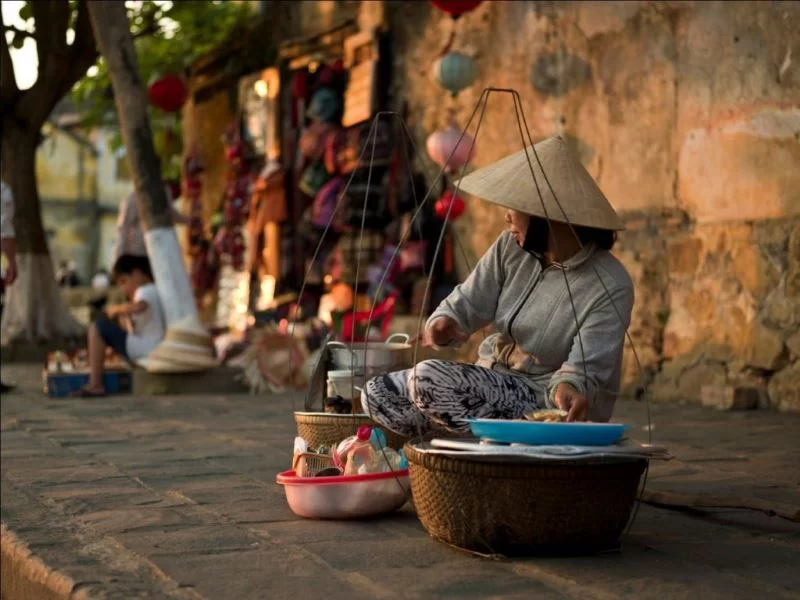
- Street vending (glasses, watches...) of counterfeits
- "Gifts" (bracelets, hats...) given then charged for
Good habits to avoid being scammed in Vietnam
Here are some habits to adopt to avoid being scammed:
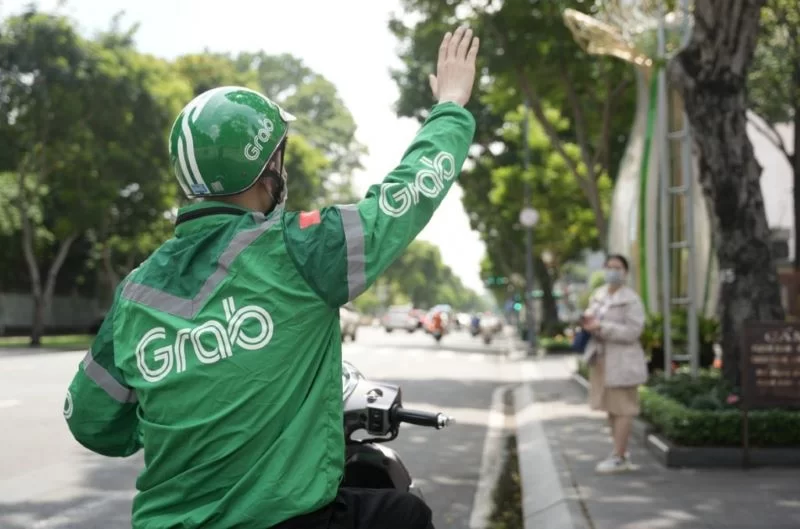
- Always book your taxis via the Grab app or your hotel
- Beware of touts and prefer official guides
- Negotiate cyclo prices BEFORE the ride
- Politely decline unsolicited "gifts"
- When in doubt, don't hesitate to say no!
Scam in Vietnam: What to do in case of a problem?
Stay calm. If you do get scammed despite everything, do not get into a conflict. Note the vehicle number, the store's contact details, to file a complaint later. If you have subscribed to insurance with "legal protection", it can help you.
The safest way is to travel with a serious and experienced agency like Typic Travel. With us, you are in good hands!
5. Safety in Vietnam: Tips for travelers
Vietnam: Stay vigilant in big cities
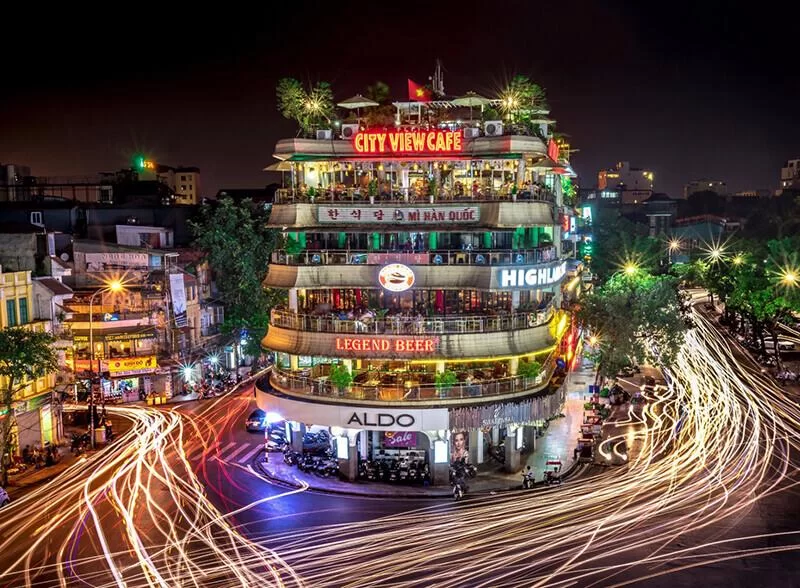
Overall, Vietnamese cities are quite safe, including for women traveling alone. However, as in any large metropolis, vigilance is required in Ho Chi Minh or Hanoi, especially at night: avoid isolated areas, do not walk around with too much cash or valuables, watch your bags and pockets in crowded places. In case of a problem, do not hesitate to ask your guide or your hotel reception.
Means of transport in Vietnam: Which ones to prefer?
Road safety is not always optimal in Vietnam. Prefer reputable bus companies, avoid risky overtakes on motorcycles. Trains are a rather safe and comfortable means of transport. Remember to always keep an eye on your belongings. For your urban travel, the most reliable and economical solution remains Grab.
Theft or loss of documents in Vietnam: What to do?
In case of loss or theft of your papers or means of payment, immediately report it. Then contact your embassy or consulate to have your documents reissued. Remember to keep photocopies of your documents in your luggage. Do not hesitate to ask your agency, your guide or your insurance for assistance in these procedures.
6. Emergencies in Vietnam: useful numbers and contacts
Hopefully you will never need them, but here is a list of useful contacts and numbers in Vietnam:
Emergency Numbers in Vietnam
- Police: 113
- Firefighters: 114
- Ambulance: 115
French-speaking Embassies in Vietnam
- French Embassy in Hanoi: +84 24 39 44 57 00
- French Consulate General in Ho Chi Minh City: +84 28 35 20 23 00
- Belgian Embassy in Hanoi: +84 24 38 31 63 30
- Swiss Embassy in Hanoi: +84 24 39 34 65 89
- Canadian Embassy in Hanoi: +84 24 38 27 91 00
International Hospitals in Vietnam
- Hanoi French Hospital: +84 24 35 77 11 00
- Vinmec International Hospital Hanoi: +84 24 38 83 83 68
- Franco-Vietnamese Hospital Ho Chi Minh: +84 28 38 51 20 53
- FV Hospital Ho Chi Minh: +84 28 54 11 33 33
Now that you are prepared for a peaceful stay in Vietnam, all that's left is to enjoy every moment of this wonderful adventure! Don't forget that your agency Typic Travel and its country experts are by your side throughout the trip to guide you, advise you and answer your questions. That's our motto as a tailor-made travel artisan at your pace!
To learn more about your destination, check out our other blog articles and resources, and join the Typic Globe-Trotters community on our social networks. See you soon for new adventures!