


Terraced Rice Fields: When to Go for the Best Experience?
Green or golden season? Discover the ideal time to visit the terraced rice fields of Northern Vietnam. Typic Travel advises you for an unforgettable trip.
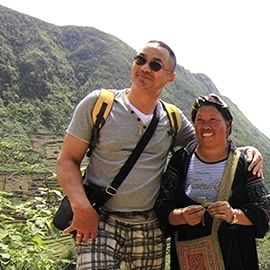
Do you dream of contemplating breathtaking landscapes and immersing yourself in the authentic culture of Vietnam? The terraced rice fields of Northern Vietnam offer a unique experience, combining natural beauty and ancestral traditions. Discover the best places to admire these wonders and the ideal times to visit them.
Table of Contents
- 1. The unmissable terraced rice fields of Sapa
- 2. Y Ty: the hidden gem of Northern Vietnam
- 3. Hoang Su Phi: a national heritage to discover
- 4. Mu Cang Chai: the capital of terraced rice fields
- 5. The Pu Luong Nature Reserve: the accessible alternative
- 6. When to visit the terraced rice fields of Northern Vietnam?
- 7. Practical tips for your trip
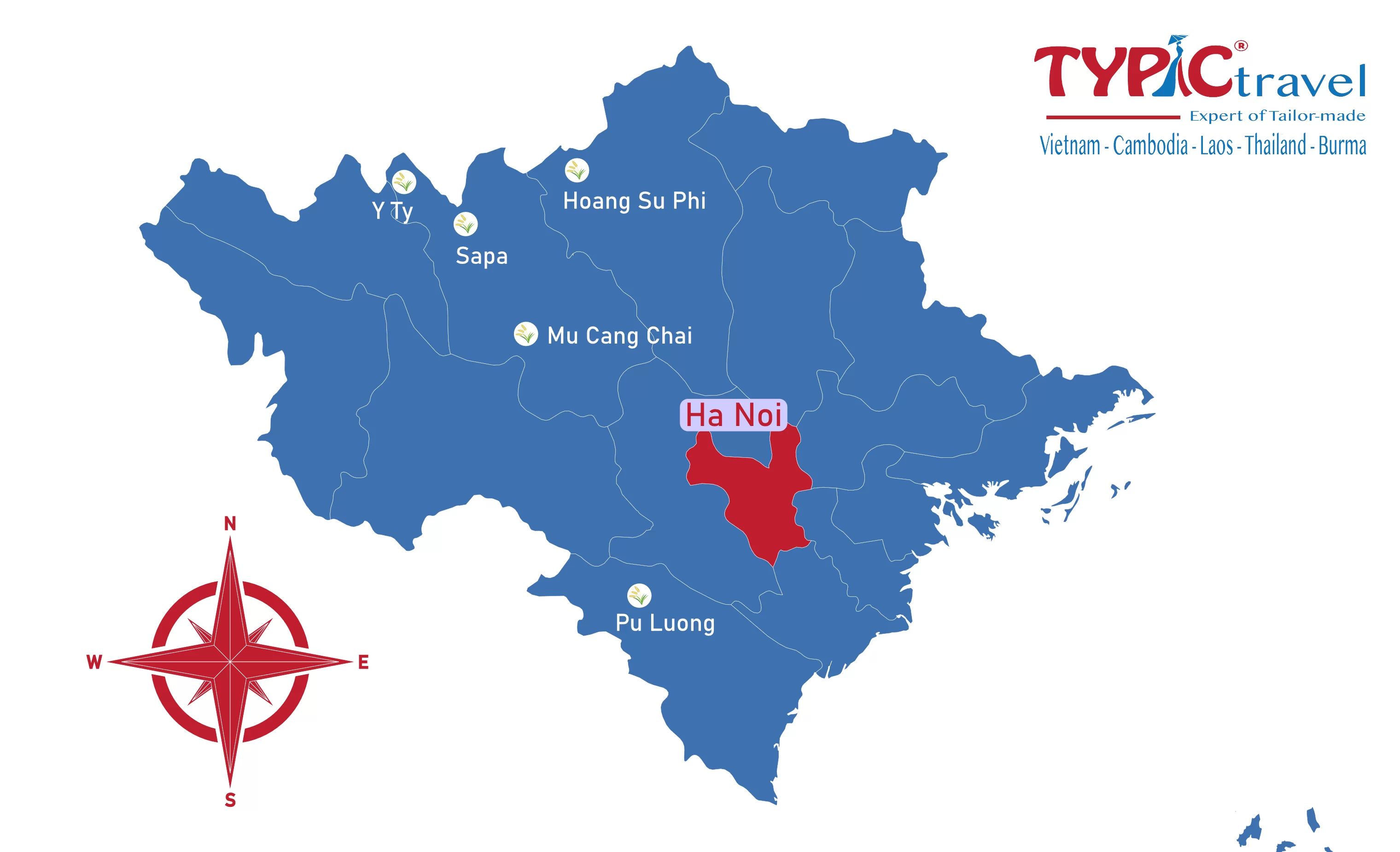
1. The unmissable terraced rice fields of Sapa
Sapa, a former French hill station, is the flagship destination for its spectacular terraced rice fields. Ranked among the seven most beautiful in Asia by Travel and Leisure, these "giant ladders connecting heaven and earth" are a masterpiece shaped by man.
For an optimal experience:
- Hike in the ethnic villages of Lao Chai, Ta Van or Hau Thao
- Opt for a multi-day trek with an overnight stay at a local's home
- Admire the colorful costumes of the Black Hmong and Red Dao ethnic groups
Ideal period: From June to August for the vibrant green, late August to mid-September for the golden harvest.
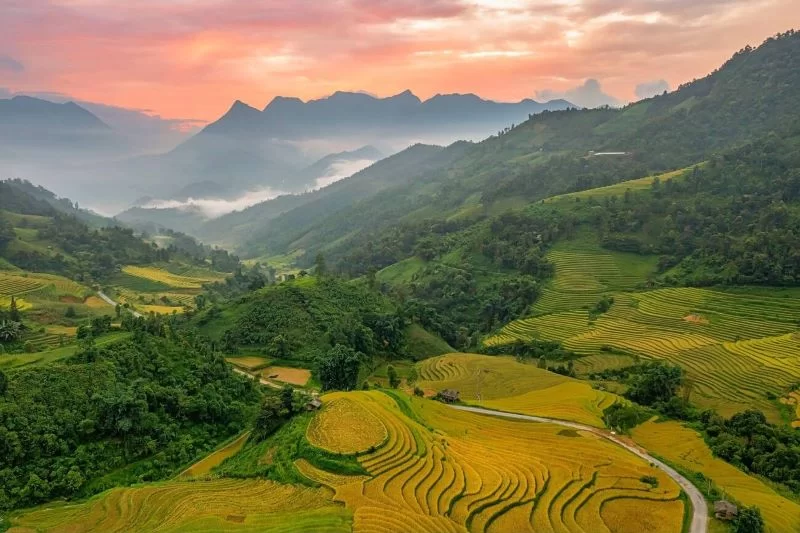
2. Y Ty: the hidden gem of Northern Vietnam
80 km north of Sapa, Y Ty is a preserved paradise from mass tourism. Its cascading rice fields offer an enchanting spectacle, particularly during the harvest.
Not to be missed:
- The path between A Lu and Ngai Thau
- The The Pa valley
- Mount Lao Than
- The ethnic market of Muong Hum (Sundays)
Best period: Early September to mid-September for the golden colors of the harvest.
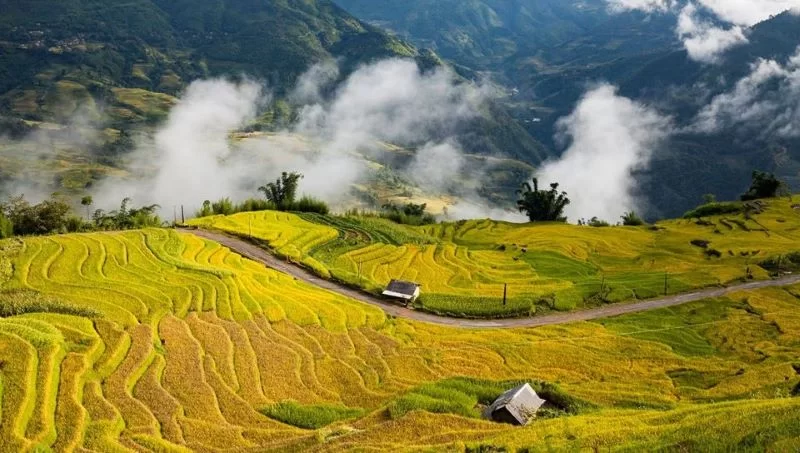
3. Hoang Su Phi: a national heritage to discover
The terraced rice fields of Hoang Su Phi, classified as national heritage in 2012, dazzle with their untouched beauty. This little-visited region is ideal for adventurous hikers.
Highlights:
- Preserved and authentic landscapes
- Encounters with twenty minority ethnic groups
- Homestays for total immersion
Recommended period: Mid-September to mid-October for the colors of the harvest.
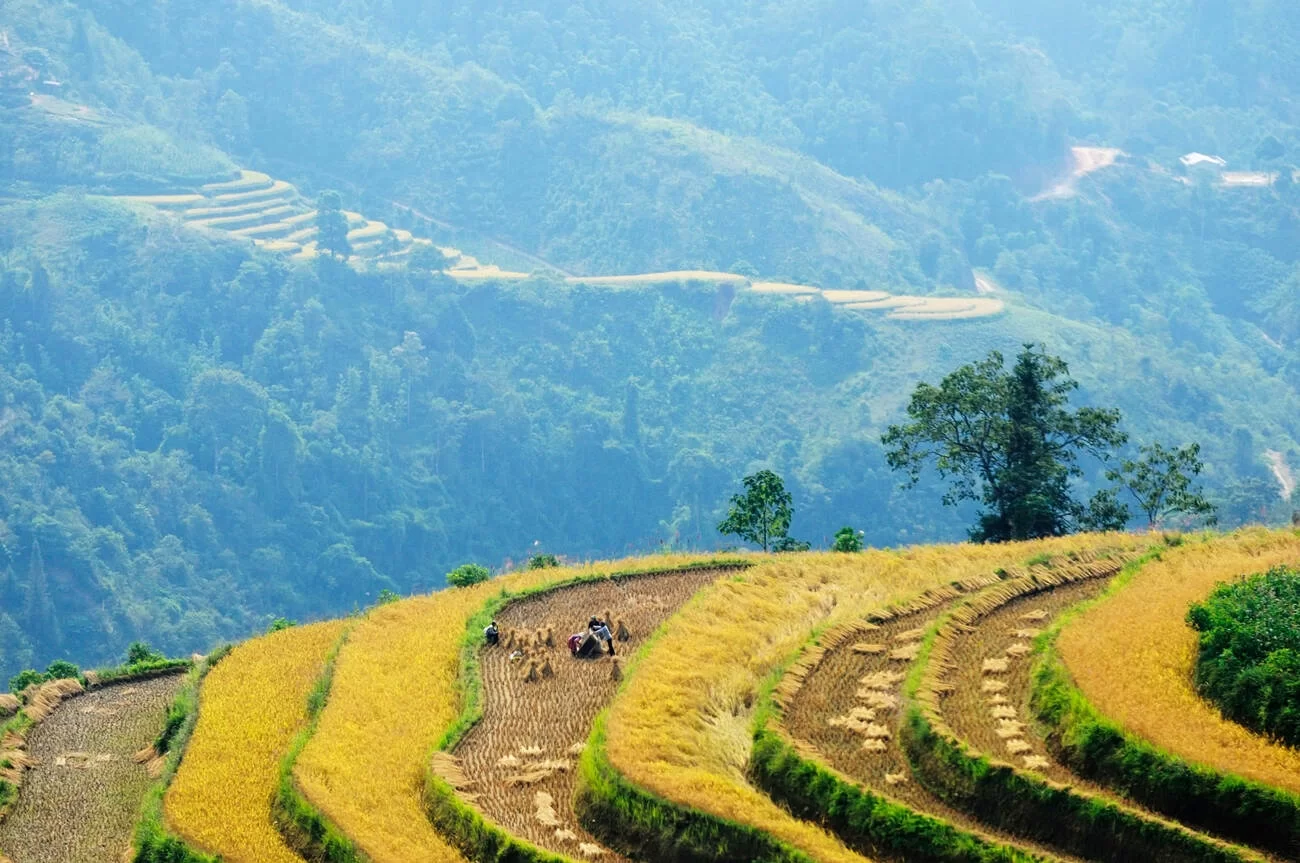
4. Mu Cang Chai: the capital of terraced rice fields
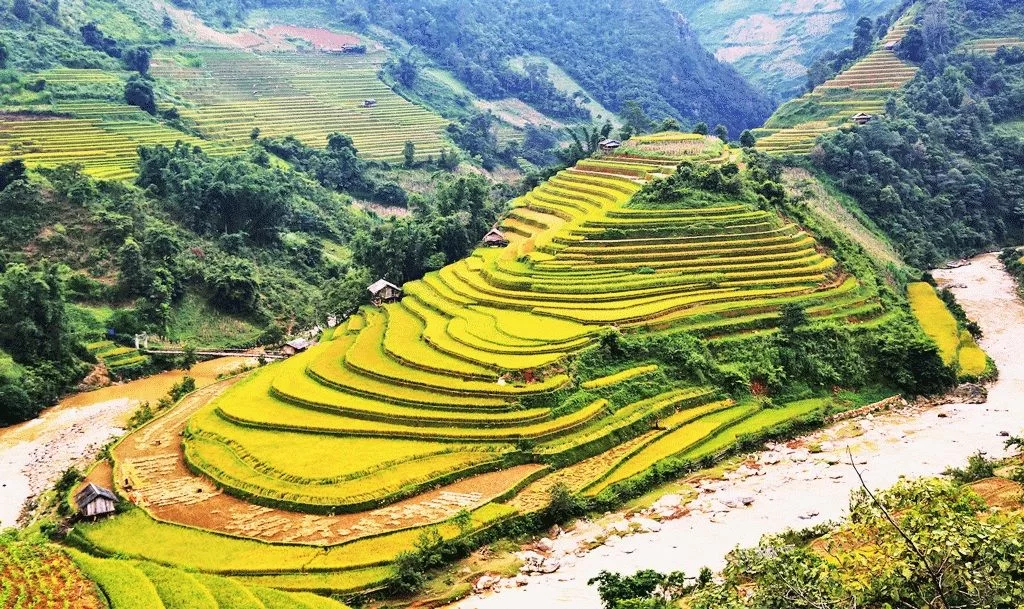
Nicknamed "the photographers' route", Mu Cang Chai offers breathtaking panoramas. The communes of La Pan Tan, Che Cu Nha and De Xu Phinh are home to rice fields classified as national heritage.
Experiences to live:
- Admire the view from Khau Pha Pass
- Stay in a Hmong village
- Participate in the terraced rice field festival in September
Best time: Mid-September to mid-October for the golden hues of the harvest.
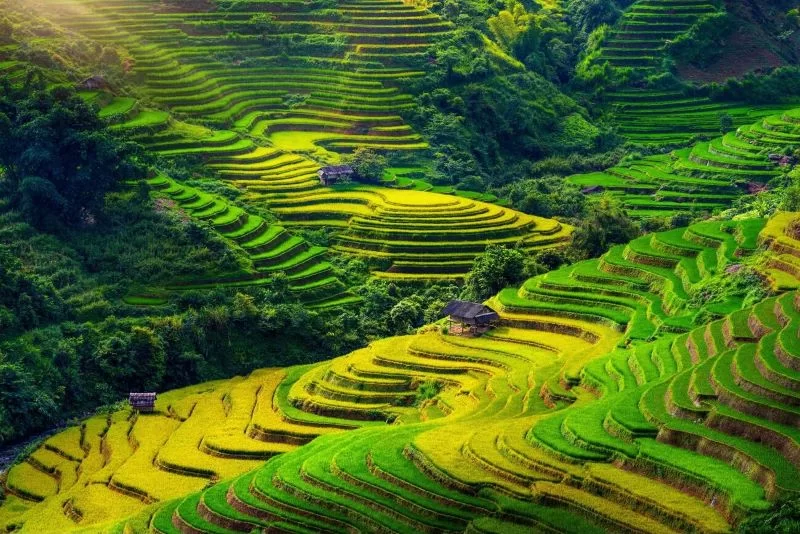
5. Pu Luong Nature Reserve: the accessible alternative
3 hours' drive from Hanoi, Pu Luong blends pristine forests and terraced rice fields. Less spectacular but more accessible than those in Sapa, these rice fields offer an authentic experience.
Recommended activities:
- Cycling through Muong and Thai villages
- Staying in a traditional stilt house
- Hiking amidst varied landscapes (forests, caves, waterfalls)
Ideal periods: March to May for vibrant green, late May to early June or early October to mid-October for harvest.
6. When to visit the terraced rice fields of Northern Vietnam?
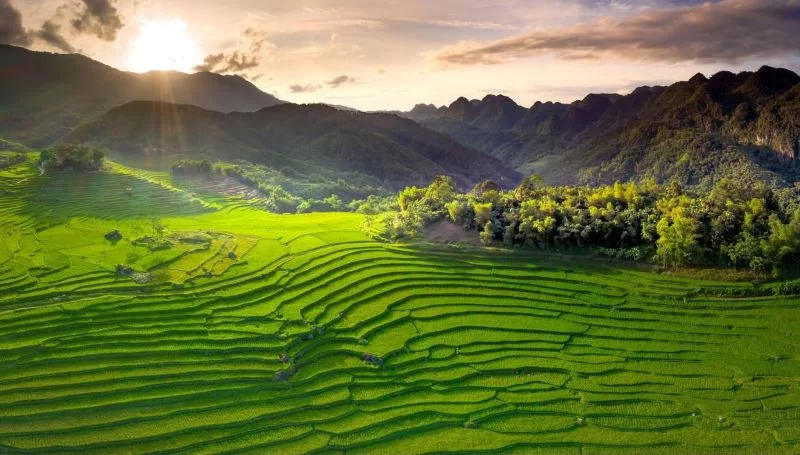
To fully enjoy the beauty of the rice fields, plan your trip according to the seasons:
- Flooded season (late April to late May): The rice fields become giant mirrors reflecting the sky.
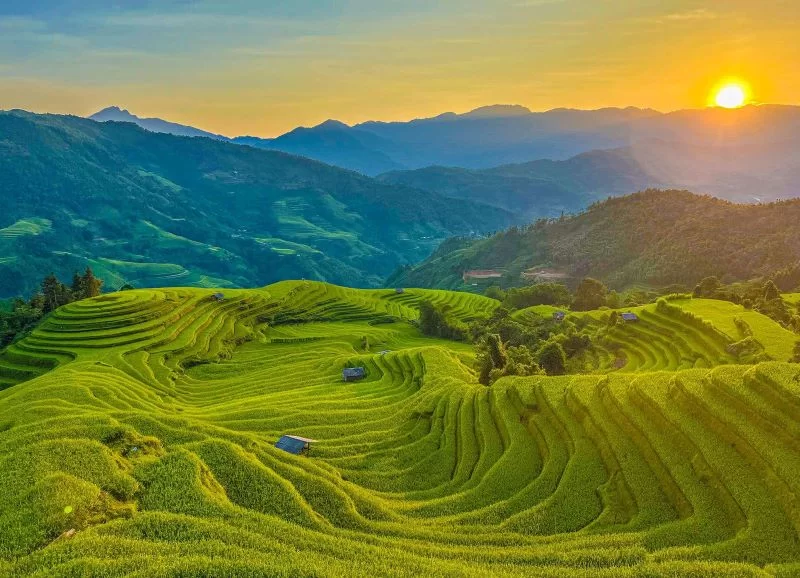
- Green season (June to late July): The rice grows, offering a dazzling array of greens.
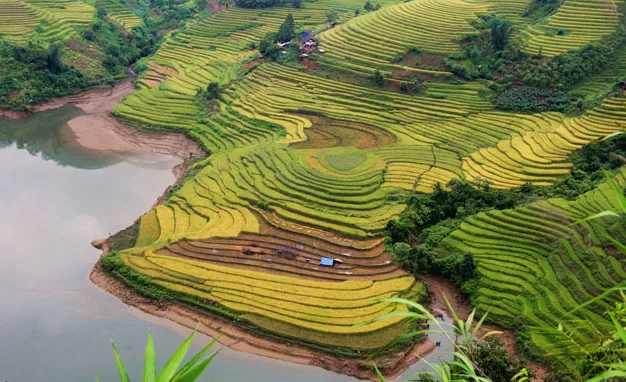
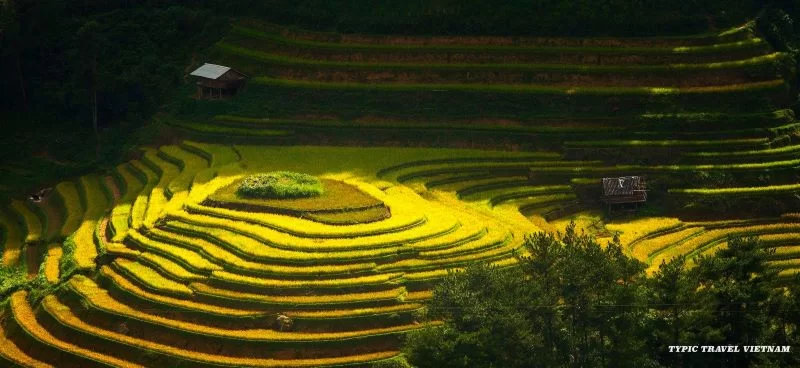
- Harvest season (September to mid-October): The rice fields turn golden, creating landscapes worthy of the most beautiful postcards.
Here is a summary table of the best times to visit the main terraced rice field regions of Northern Vietnam:
|
Region |
Transplanting |
Green Season |
Harvest Season |
|---|---|---|---|
|
Sapa |
May 20 - May 30 |
June, July, August |
Late August - Mid-September |
|
Y Ty |
May, June |
July, August |
Early September - Mid-September |
|
Hoang Su Phi |
May |
July, August, Early September |
Mid-September - Mid-October |
|
Mu Cang Chai |
March-April |
May, June, July, August |
Mid-September - Mid-October |
|
Pu Luong |
Mid-January - Early February / July - Early August |
March, April, May / September |
Late May - Early June / Early October - Mid-October |
7. Practical tips for your trip
- Prefer September and October for optimal conditions
- Bring comfortable walking shoes
- Respect local customs and ask permission before photographing locals
- Opt for a homestay for an authentic experience
- Bring a raincoat, as mountain weather can change quickly
- Find out about local festivals, which often coincide with harvest periods
Conclusion
The terraced rice fields of Northern Vietnam are not just a breathtaking visual spectacle; they are a living testament to a millennial culture and unique expertise. By visiting these wonders, you will delve into the heart of the Vietnamese soul, discovering a way of life in harmony with nature that has endured for generations.
Whether you choose the iconic Sapa, the well-kept secret of Y Ty, or the accessible Pu Luong, each destination will offer you a unique perspective on the beauty and diversity of Northern Vietnam. Remember that the best time to visit depends on the experience you are looking for: water mirrors in spring, an ocean of greenery in summer, or golden carpets in autumn.
Prepare for an adventure that will awaken all your senses and leave you with unforgettable memories. Northern Vietnam and its terraced rice fields await you for an extraordinary exploration.
Feel free to share your most beautiful photos and experiences in the comments below. Your journey could inspire other adventurers to discover these hidden treasures of Vietnam!