


Vietnamese Thuốc Lào: Everything You Need to Know About Vietnam’s Traditional Tobacco
Discover thuốc lào in Vietnam: its origins, history, traditional pipes, differences from cigarettes, health effects, and what travelers should know before encountering this unique Vietnamese tradition.
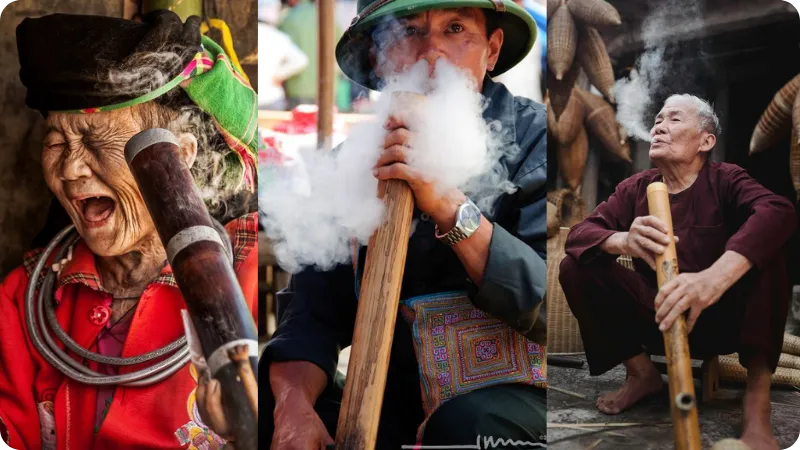
While walking past a street café in Hanoi or a roadside stall in northern Vietnam, you may hear a sharp hiss followed by bubbling from a bamboo tube. Nearby, someone sits on a low plastic stool with a glass of green tea, smoking thuốc lào through a điếu cày, Vietnam’s iconic traditional water pipe.
At first glance, thuốc lào may seem like nothing more than a strong local tobacco. Yet it has a long connection with rural life, tea drinking, social gatherings, and everyday Vietnamese customs. What is thuốc lào? Why is it known for its intense effects? How does its traditional pipe work, and where might travelers encounter it in Vietnam?
This guide explores the history, cultural significance, traditional equipment, regional associations, and health risks of thuốc lào in Vietnam, offering travelers a closer look at a distinctive part of Vietnamese daily life.
Disclaimer: This article is for cultural and educational purposes only. Typic Travel does not encourage smoking.
Mục lục
- I. What is thuốc lào?
- II. Where did thuốc lào come from?
- III. Why is thuốc lào part of northern Vietnamese culture?
- IV. How is thuốc lào different from cigarettes?
- V. What traditional pipes are used for thuốc lào?
- VI. How is thuốc lào traditionally smoked?
- VII. What should you know before trying thuốc lào?
- VIII. Is thuốc lào harmful to your health?
- IX. Where can you encounter thuốc lào in Vietnam?
- X. How is thuốc lào viewed in modern Vietnam?
- XI. FAQs about thuốc lào
- XII. Conclusion
I. What is thuốc lào?
Thuốc lào is a traditional Vietnamese tobacco product particularly associated with northern Vietnam. It is commonly made from Nicotiana rustica L., a member of the Solanaceae family and a distinct species from Nicotiana tabacum, the tobacco most commonly used in commercial cigarettes.
According to the Royal Botanic Gardens, Kew, Nicotiana rustica is native to the Americas, including Peru, and is known for its high nicotine content. In Vietnam, its leaves are harvested, dried, and cut into fine strands, producing tobacco with a strong, distinctive smell.
Thuốc lào is traditionally smoked using a water pipe, most notably the điếu cày, a long bamboo pipe closely associated with everyday life in northern Vietnam.
II. Where did thuốc lào come from?
Historical records offer some clues about the history of tobacco in Vietnam. In Vân đài loại ngữ, an encyclopedic work compiled by Vietnamese scholar Lê Quý Đôn in the 18th century, an account dates the arrival of a tobacco plant brought by people from Ai Lao, the historical name for Laos, to 1660, during the reign of King Lê Thần Tông. However, this date does not definitively establish when tobacco first appeared in Vietnam.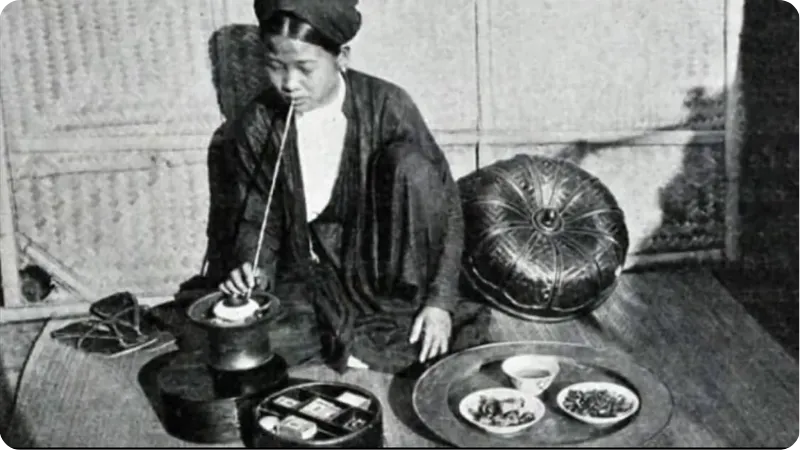
Over time, thuốc lào became part of everyday life in some Vietnamese communities, particularly in northern Vietnam, where its use became associated with rural life and local customs.
III. Why is thuốc lào part of northern Vietnamese culture?
In northern Vietnam, thuốc lào is often associated with traditional roadside tea stalls, where low plastic stools, glasses of green tea, and snacks such as roasted peanuts or kẹo lạc create a relaxed setting. A bamboo điếu cày may sit nearby, familiar to regular customers.
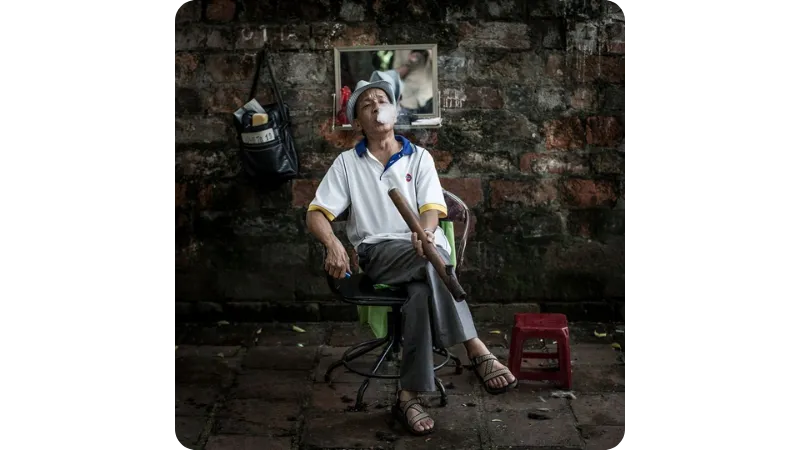
These informal spaces have long provided places for people to rest, chat, and exchange local news. In rural communities, smoking thuốc lào could also be part of a break from agricultural work or a familiar routine at home.
However, customs vary between communities, and not everyone smokes. For travelers, thuốc lào offers a glimpse into some aspects of northern Vietnam’s everyday social life and local traditions.
IV. How is thuốc lào different from cigarettes?
Thuốc lào and cigarettes are both tobacco products, but they differ in their typical form, equipment, and method of use. Understanding these differences helps explain why thuốc lào has such a distinctive place in Vietnamese tobacco culture.
| Feature | Thuốc lào | Cigarettes |
|---|---|---|
| Typical form | Loose tobacco smoked in a traditional pipe | Tobacco wrapped in paper |
| Tobacco species | Commonly associated with Nicotiana rustica | Commonly associated with Nicotiana tabacum |
| Equipment | A pipe such as a điếu cày or điếu bát | Usually no separate pipe required |
| Smoking method | Smoke is drawn through water in a water pipe | Smoke is drawn directly from the cigarette |
| Traditional setting | Often associated with tea stalls and rural social settings in northern Vietnam | Used in a wide range of settings |
| Health risks | Addictive and harmful | Addictive and harmful |
Thuốc lào is known for its strong effects, especially on people who have never smoked it before. Some may feel dizzy or lightheaded after smoking. The effects vary from person to person and can be intense even after a small amount.
V. What traditional pipes are used for thuốc lào?
Traditional pipes are an important part of the visual identity of thuốc lào. Their materials and shapes reflect different designs, from simple portable equipment to more decorative pipes used in homes or gathering spaces.
1. Điếu cày - the iconic bamboo water pipe
The điếu cày is probably the best-known pipe associated with thuốc lào. Its traditional form is a long bamboo tube with a small bowl attached to hold the tobacco and a water chamber inside the lower section. The user draws smoke through the tube, producing the characteristic bubbling sound.
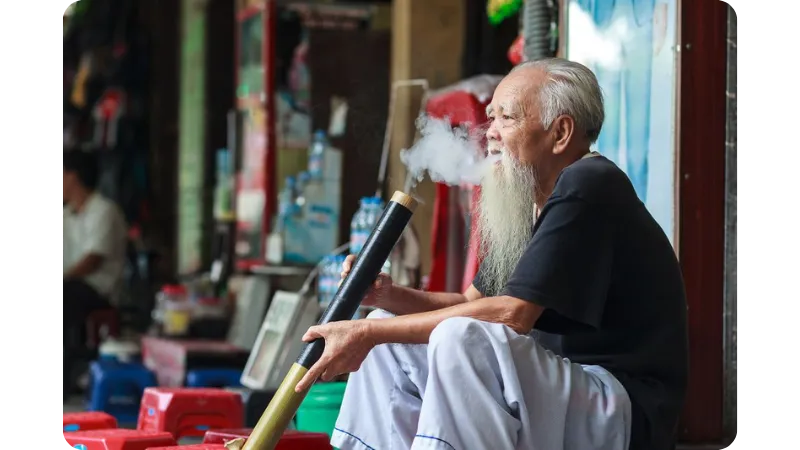
Bamboo gives the pipe its familiar appearance, although contemporary versions may use other materials. Its long, narrow shape makes it easy to recognize in photographs and descriptions of traditional northern Vietnamese life.
2. Điếu bát - the ceramic water pipe
The điếu bát is another traditional Vietnamese water pipe. It generally has a bowl-shaped ceramic or porcelain body containing water, together with a separate tube or stem through which smoke is drawn. Some examples feature decorative patterns or carefully finished surfaces.
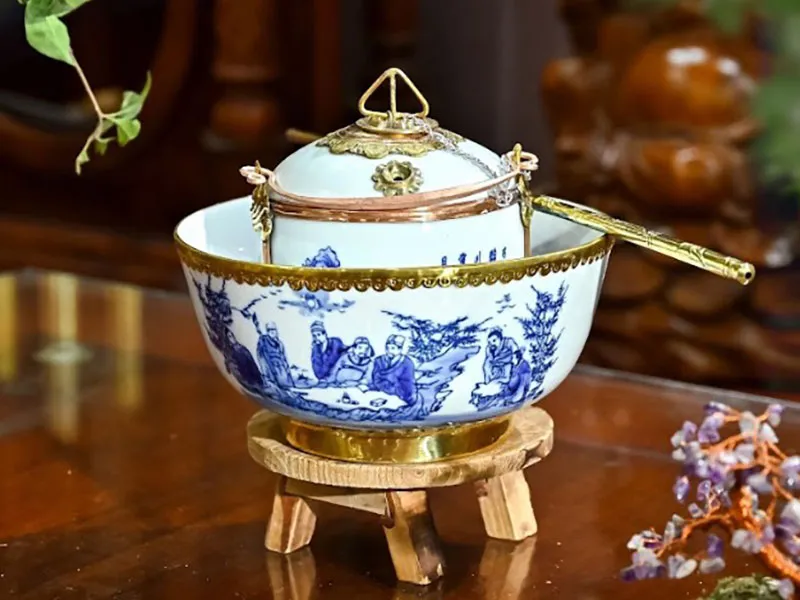
Unlike the long bamboo điếu cày, the điếu bát is more commonly associated with a stationary setting, such as a home or a place where people gather. Its design also shows how traditional smoking equipment can range from simple functional objects to more decorative household items.
3. Điếu ống - a traditional tube-shaped pipe
The term điếu ống refers to a traditional tube-shaped pipe. Examples can vary in material, construction, and decorative detail, so the name should not be taken to describe one identical design everywhere.
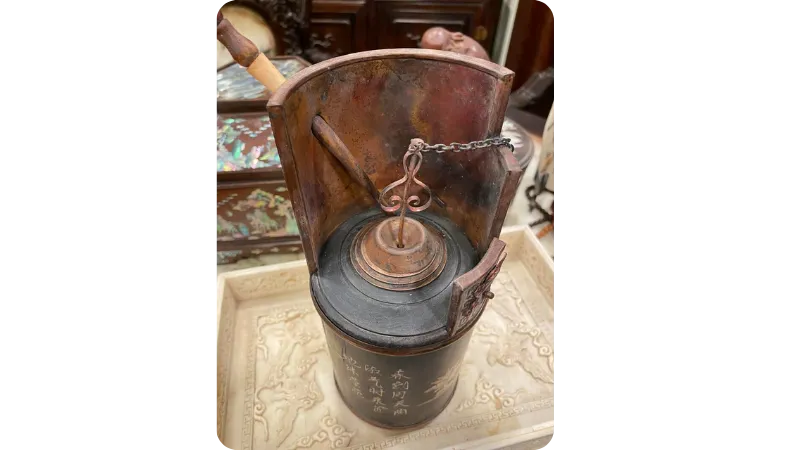
Together, these pipes offer a glimpse into Vietnamese material culture. Their differences reflect the practical needs and preferences of the people who made and used them, while the điếu cày remains the design most closely associated with thuốc lào in popular images of northern Vietnam.
VI. How is thuốc lào traditionally smoked?
Thuốc lào is traditionally smoked through a water pipe, most commonly a điếu cày or điếu bát. The practice is known for its distinctive bubbling sound and strong effects.
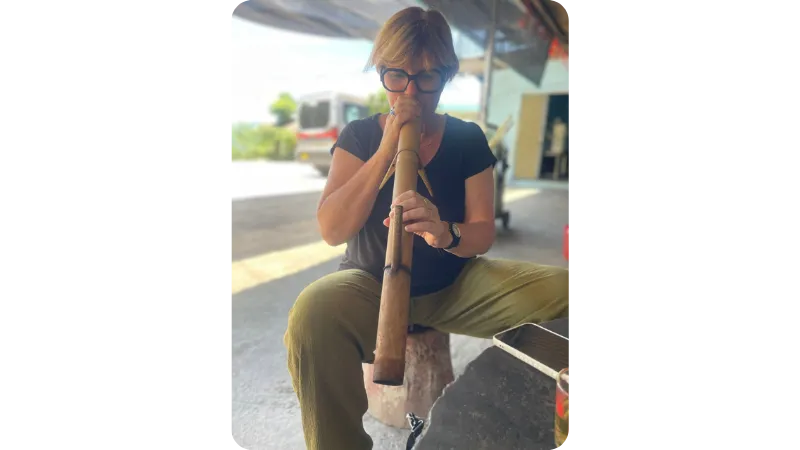
A small amount of tobacco is placed in the pipe’s bowl and lit. In some traditional settings, a thin splint called a que đóm may be used to light it. When the user draws on the pipe, the smoke passes through water before being inhaled.
Although the water may cool the smoke, it does not make smoking safe. Tobacco smoke still contains nicotine and other harmful substances.
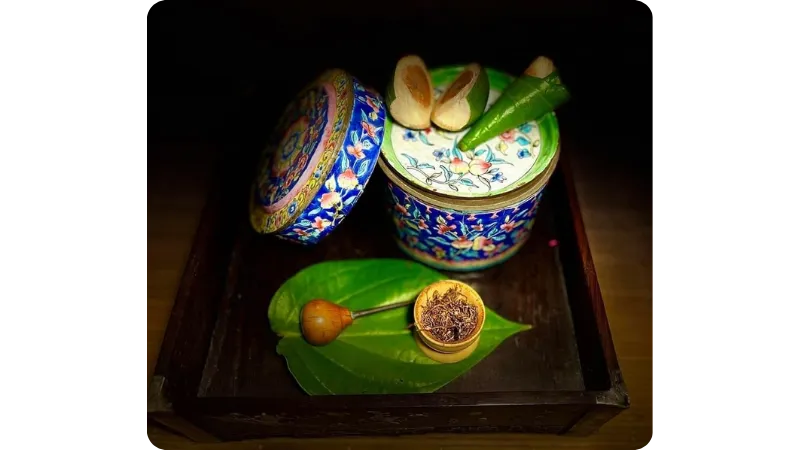
Historical Vietnamese cultural references also describe ăn trầu thuốc, a practice in which tobacco was consumed alongside betel leaf and areca nut. However, this is distinct from smoking thuốc lào through a water pipe and should not be presented as its standard modern use.
>> You may like: Culinary Experiences in Vietnam
VII. What should you know before trying thuốc lào?
Seeing someone use a điếu cày may naturally make travelers curious. However, thuốc lào is known for its high nicotine content and can cause strong physical reactions, especially in people who are not accustomed to tobacco.
If you do not already use tobacco, the safest choice is not to start. You can learn about the pipe, its traditional use, and its place in Vietnamese culture without smoking it yourself.
The reaction commonly known as “say thuốc lào” may include dizziness, nausea, sweating, or weakness. These effects should not be treated as a joke or a challenge. If someone feels unwell after smoking, they should stop immediately, sit or lie down somewhere safe, and seek medical help for severe or persistent symptoms, chest pain, difficulty breathing, or loss of consciousness.
VIII. Is thuốc lào harmful to your health?
Yes. Thuốc lào is harmful to health and can lead to nicotine dependence.
Burning tobacco releases nicotine and other harmful substances that can damage the heart and lungs. Tobacco use is linked to serious diseases, including cancer, heart disease, stroke, and respiratory diseases.
Although water in a traditional pipe may cool the smoke, it does not remove all harmful substances or make smoking safe. Thuốc lào should therefore not be considered a safer alternative to cigarettes.
Some research has also linked waterpipe tobacco smoking to a higher risk of death from stomach cancer, adding to concerns about its potential health effects.
IX. Where can you encounter thuốc lào in Vietnam?
Thuốc lào is particularly associated with northern Vietnam and parts of the north-central region. Some areas are known for tobacco cultivation, while traditional pipes may still appear in certain tea stalls, homes, and local businesses. Availability and customs vary from one place to another.
1. Hải Phòng
Hải Phòng is well known for thuốc lào cultivation, particularly in the Tiên Lãng and Vĩnh Bảo areas. For generations, growing this tobacco has been part of local agricultural life and a source of regional pride.
The area’s long-standing cultivation traditions have helped establish Hải Phòng’s reputation as one of the places most closely associated with thuốc lào in northern Vietnam. Travelers interested in local culture can learn how this traditional crop has become part of the region’s identity.
2. Thanh Hóa
Thanh Hóa is another region associated with thuốc lào, with Quảng Xương appearing in local reporting on tobacco production. It provides another point of reference for understanding the crop’s place in Vietnamese agriculture beyond Hải Phòng.
Local traditions and products can differ between growing areas. For travelers, learning about these places can offer a broader perspective on northern and north-central Vietnam beyond the country’s better-known tourist attractions.
X. How is thuốc lào viewed in modern Vietnam?
In modern Vietnam, thuốc lào remains part of everyday life in some northern communities, although its presence varies by location and generation. The traditional điếu cày can still be seen at some roadside trà đá stalls, alongside the changing lifestyles of modern cities.
For some people, thuốc lào recalls rural life, conversations over tea, and familiar neighborhood gathering spots. Others choose not to smoke, reflecting changing personal preferences and attitudes toward tobacco.
Travelers can learn about this tradition without smoking. Visiting a roadside tea stall, observing a traditional điếu cày, or listening to local residents share their experiences can offer a glimpse into its place in northern Vietnamese culture.
XI. FAQs about thuốc lào
1. Is thuốc lào legal in Vietnam?
Thuốc lào is generally legal in Vietnam, but its sale and use are subject to tobacco-control regulations. Vietnam’s Law on Prevention and Control of Tobacco Harms includes waterpipe tobacco within its definition of tobacco products, restricts smoking in designated locations, and prohibits selling tobacco to people under 18. Visitors should follow "Cấm hút thuốc" signs, meaning "No smoking", and respect venue rules.
2. Is thuốc lào stronger than a cigarette?
Thuốc lào is known for its intense effects, particularly among people with little nicotine tolerance. However, the amount of nicotine absorbed depends on the tobacco, the quantity used, and the way it is smoked. There is no single comparison that applies to every use.
3. Is a Vietnamese water pipe safer because smoke passes through water?
No. Water may cool the smoke, but it does not make tobacco smoking safe or eliminate nicotine exposure. Thuốc lào remains an addictive tobacco product with health risks.
4. Why do some people fall down after smoking thuốc lào?
The expression say thuốc lào describes the intense reaction some people experience after smoking. Nicotine exposure can contribute to dizziness, nausea, sweating, and weakness. However, a collapse may have other causes and should not automatically be attributed to nicotine alone. Anyone who loses consciousness, experiences chest pain or difficulty breathing, or remains confused needs urgent medical attention.
5. Where can you buy thuốc lào in Vietnam?
Thuốc lào may be available from tobacco sellers, local shops, or markets in areas where its use remains familiar, particularly in northern Vietnam. Availability varies by location. Travelers planning to carry tobacco internationally should check the customs rules of their destination and any transit countries.
XII. Conclusion
Thuốc lào is more than a tobacco product known for its intense effects and distinctive bubbling sound. Its cultural associations include the điếu cày, roadside tea stalls, green tea, and conversations that form part of everyday life in some northern Vietnamese communities. Regions such as Hải Phòng and Thanh Hóa also provide context for understanding its agricultural history and local identity.
For travelers, thuốc lào offers a glimpse into a particular aspect of Vietnamese culture. Its traditional pipes and familiar social settings can be appreciated through observation and conversation, without smoking. Understanding both its cultural significance and its health risks provides a more balanced picture of this distinctive Vietnamese tradition.
Travel with Typic Travel and experience Vietnam through local encounters, authentic traditions, and tailor-made journeys.