


Duong Lam Ancient Village: A Day Trip from Hanoi
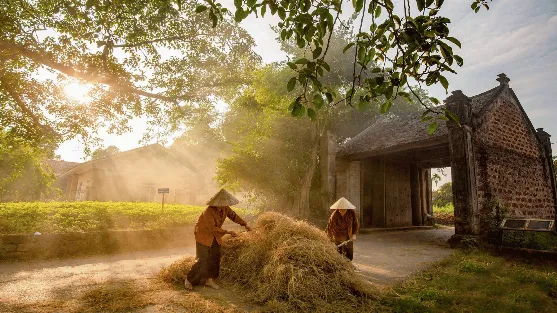
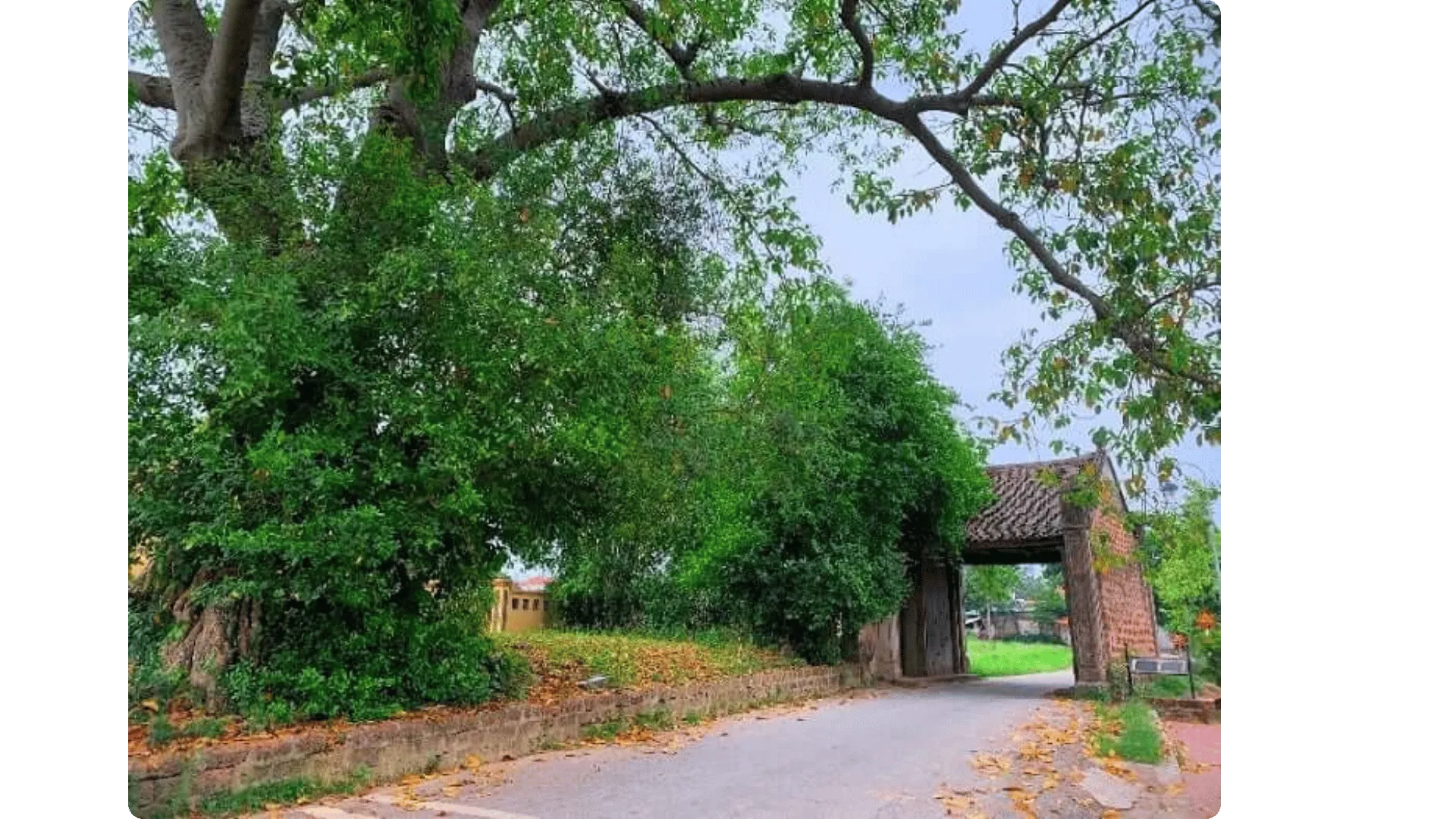
At the entrance to Mong Phu, a banyan tree spreads its shade beside the tiled village gate. Beyond it, brick lanes lead past reddish laterite walls and family courtyards. Duong Lam Ancient Village (Đường Lâm), in Hanoi's Son Tay area, invites you to slow down and look a little closer.

If you are wondering what to do in Hanoi beyond the city centre, allow a day to visit Duong Lam. Walk through Mong Phu, step inside an old house with your host's permission and explore Mia Pagoda. Leave room for a local lunch and a conversation along the way; much of the pleasure is in having time to linger.
This guide covers the main sights, transport options and practical details to help you plan an independent visit or a tailor-made tour from Hanoi.
>> You may also like: Hanoi, Vietnam: What to Do and What to See?
Table of contents
- Duong Lam at a glance
- Why visit Duong Lam Ancient Village
- What to see and do in Duong Lam
- How to get to Duong Lam from Hanoi
- Entrance fees and visiting arrangements
- When to visit Duong Lam Ancient Village
- A suggested itinerary for one day
- Practical tips for a considerate visit
- FAQs about Duong Lam Ancient Village
- Is Duong Lam Ancient Village worth visiting?
- Do I need to arrange a house visit in advance?
- Is one day enough to visit Duong Lam?
- What should I prioritise if I have limited time?
- Are Mong Phu Temple and Mia Pagoda the same place?
- Can I visit without a guide?
- Is Duong Lam suitable for families or travellers with limited mobility?
- What should I wear to Mia Pagoda and the communal house?
- Plan your visit with Typic Travel
Duong Lam at a glance
|
Planning point |
What to know |
|
Location |
Son Tay area, approximately 50 km west of central Hanoi. |
|
Suggested time |
Around 4–5 hours locally, plus travel; reserve a full day from Hanoi. |
|
Car journey |
Allow approximately 1.5–2 hours each way, depending on your hotel and traffic. |
|
Main stops |
Mong Phu gate and Communal House, traditional houses and Mia Pagoda. |
|
Getting around |
Walk through the central lanes; arrange transport for more distant stops if needed. |
Why visit Duong Lam Ancient Village
Duong Lam's historic core brings together neighbouring settlements, including Mong Phu, Dong Sang and Cam Lam. As you explore, houses open onto courtyards, narrow lanes lead towards shared spaces, and old wells sit among gardens and tiled roofs. Seeing these features together gives you a sense of how a northern Vietnamese village has taken shape over generations.
The area is associated with Phùng Hưng and Ngô Quyền, two important figures in Vietnam's history, which explains its familiar description as the land of two kings. Duong Lam was designated a national architectural and artistic relic in 2005.
If you enjoy architecture, photography or learning about local life, there is plenty here to hold your attention. Notice the shape of a doorway, the position of a family altar or the jars lined up in a courtyard. An English-speaking guide can help you ask about these details and hear the stories behind them.
What to see and do in Duong Lam
Start at Mong Phu village gate and the banyan tree
Begin at the roofed gate of Mong Phu. Its low tiled roof and the broad canopy of the nearby banyan tree make a memorable introduction to the village. Pause in the shade and look along the lane before continuing towards the communal house.
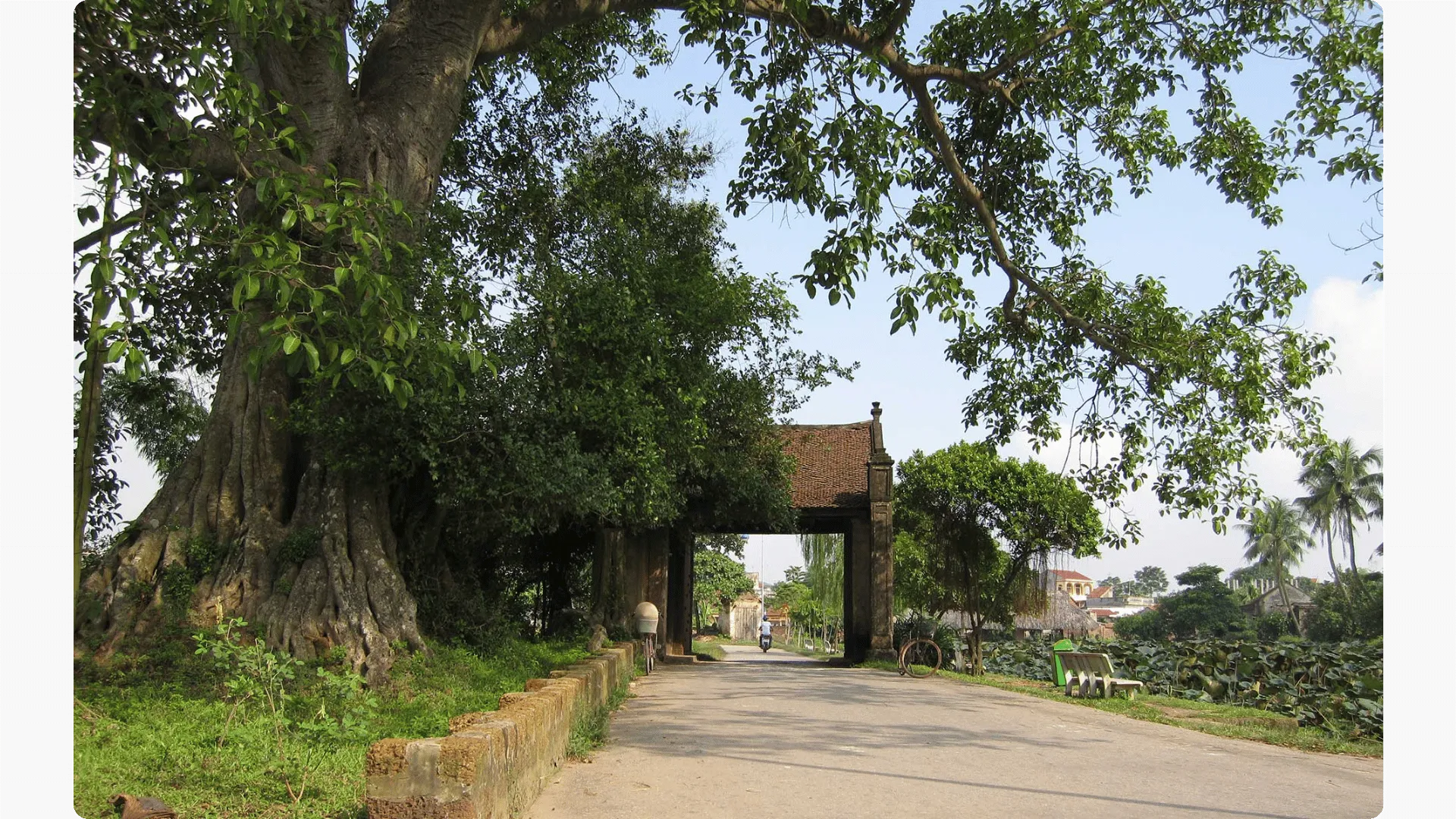
For a photograph, include the gate's surroundings to capture its place in village life. Keep the entrance clear for residents, and ask before making someone the main subject of your picture.
Explore Mong Phu Communal House and its communal yard
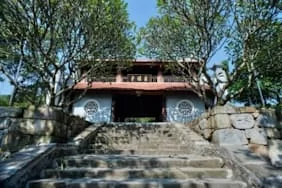
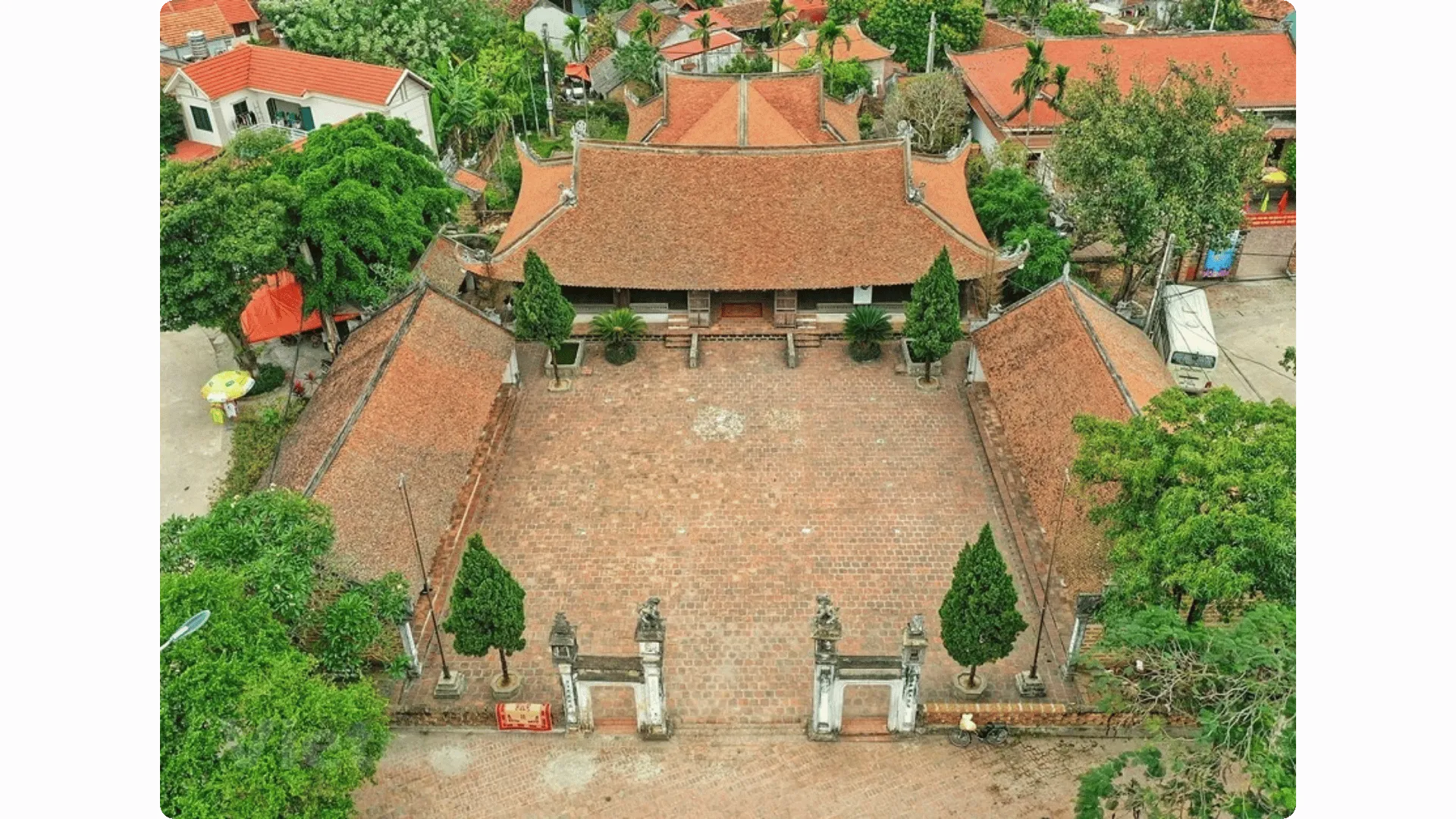
The lanes draw you towards Mong Phu Communal House and its broad communal yard, a gathering place for village festivities. Look up at the curved roofline, then take in the carved timber and open-sided hall. The building is closely woven into the village's social and spiritual life. You may also see this landmark called Mong Phu Temple in English tourism material. Its Vietnamese name, đình Mông Phụ, makes its role clearer: a communal house serving the village. A guide can help you recognise motifs in the woodwork and explain the village's beliefs. Follow the caretaker's directions about entering the hall and taking photographs.
Visit a traditional laterite house
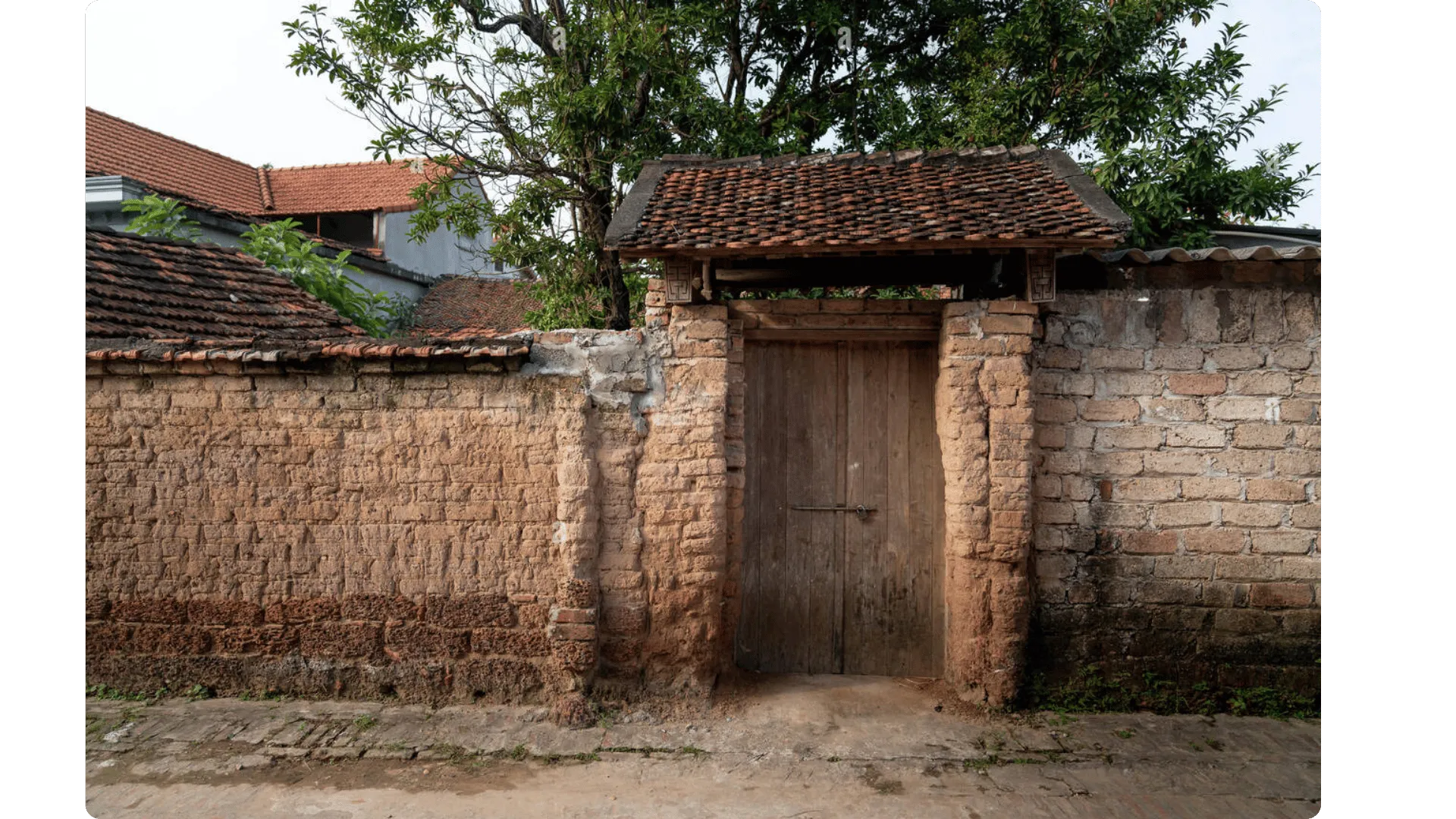
Look closely at Duong Lam's walls and you will notice the rough, honeycomb-like texture of đá ong, the local laterite used in many buildings. Timber pillars, tiled roofs and brick-paved courtyards complete the picture. Inside a traditional home, the central space often holds the family's ancestral altar.
Arrange a house visit through your guide or the local tourism office. Once your host welcomes you in, ask which parts of the home are oldest or how the courtyard is used today. A few simple questions can lead to stories you would otherwise miss.
These are family homes, so let your host show you where to go and ask before photographing the interior. Agree on any charge in advance, then give yourself time to enjoy the visit.
Visit Mia Pagoda
Mia Pagoda, also known as Sùng Nghiêm Tự, stands in Dong Sang village. It underwent a major restoration in 1632, supported by the woman locally honoured as Lady Mia. Today, its collection of Buddhist statues in wood, clay and bronze is a highlight of a visit to Duong Lam.
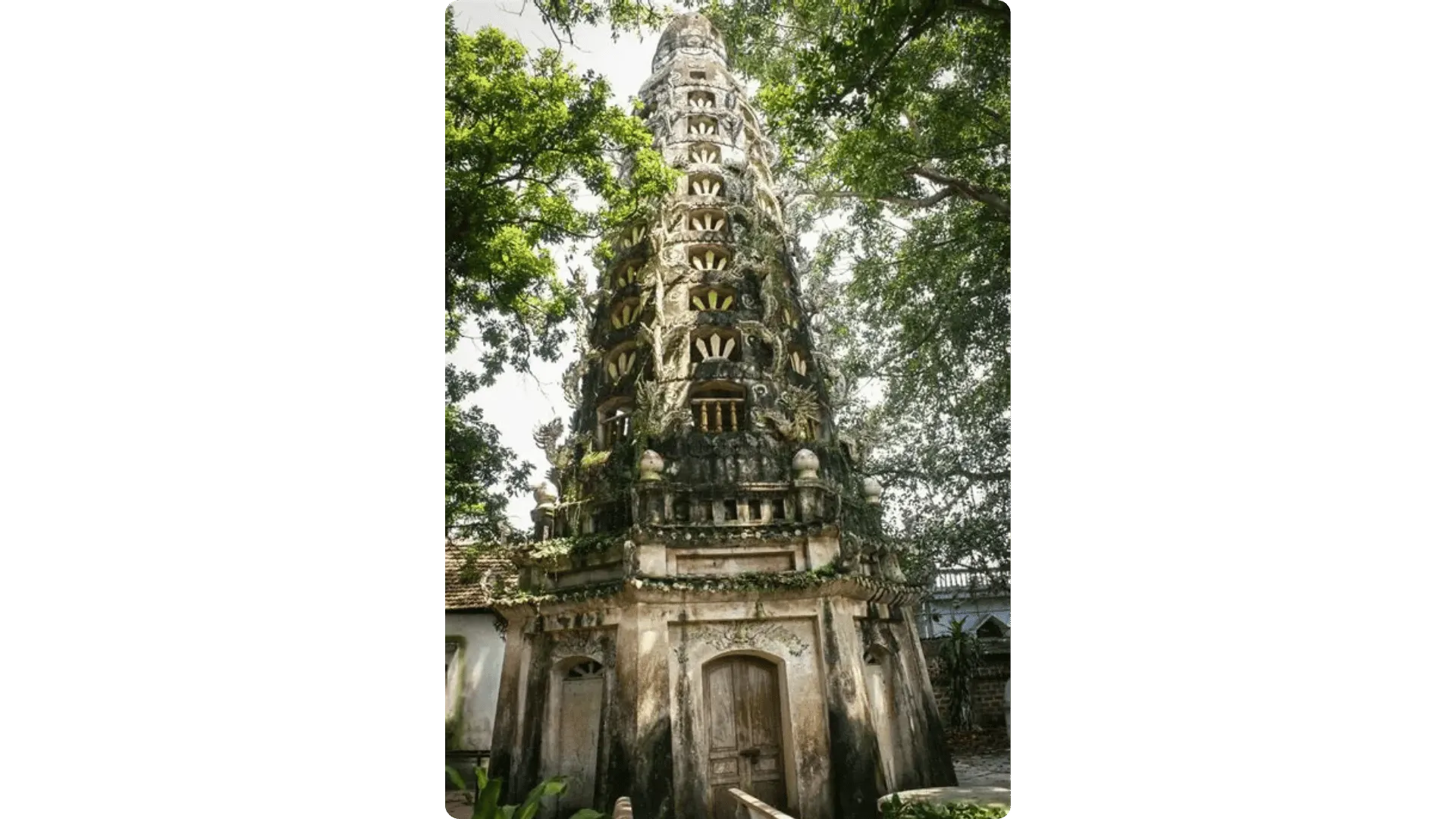
Slow down as you look around the accessible halls. The figures' faces, gestures and flowing robes reward a closer look, as do the carved details overhead. You do not need to know Buddhist art well to appreciate the care that went into them. Keep your shoulders and knees covered, speak quietly and follow the signs about shoes and photography. Give worshippers space and enjoy a quieter pause in your day.
Notice the wells and shared village spaces
A banyan tree, a water wharf and a communal yard are familiar images of a traditional northern village. The Vietnamese term bến nước describes a shared access point at the water's edge. Along with old wells, ponds and gardens, these places help tell the story of how communities lived and gathered.
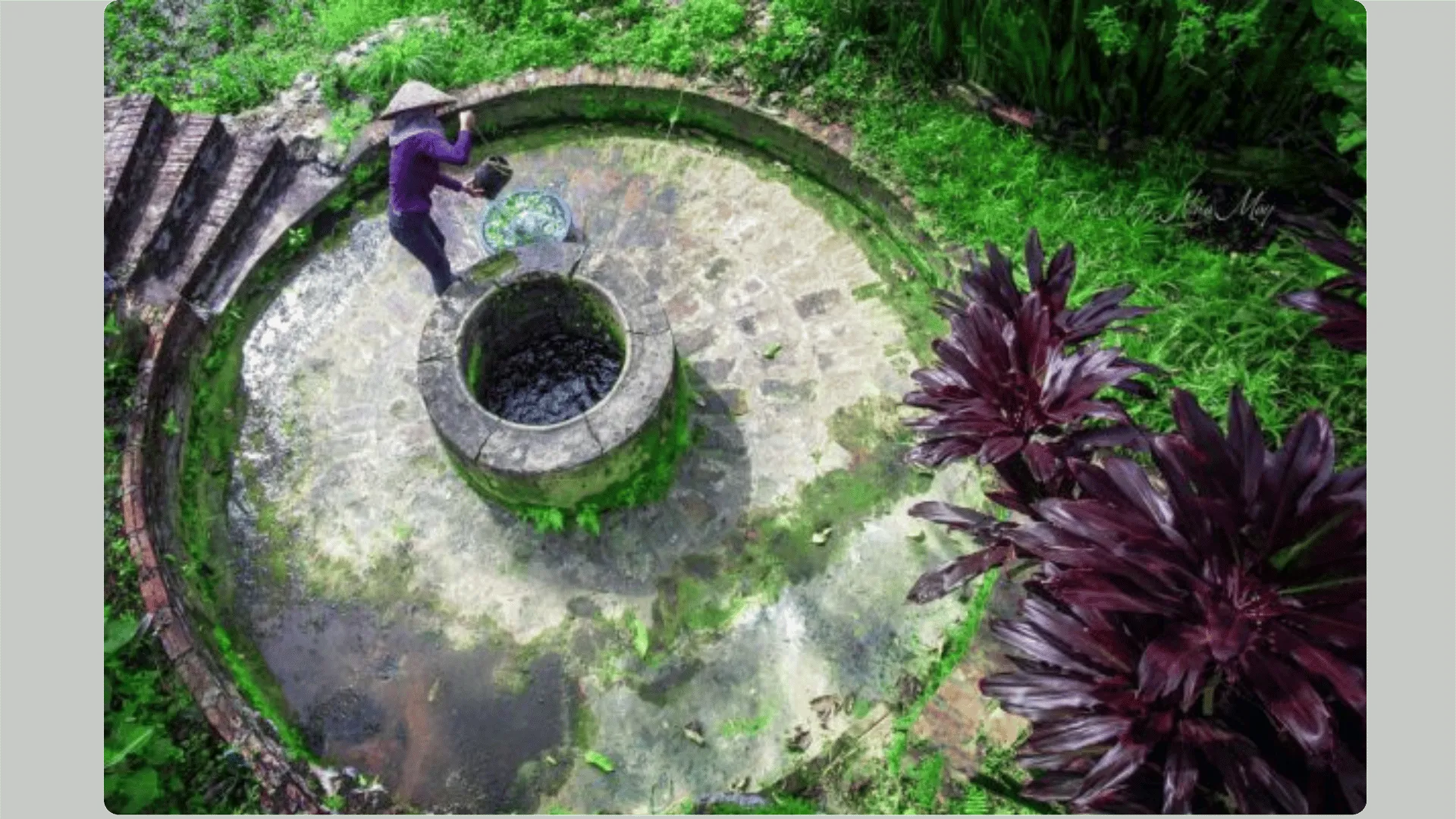
In Duong Lam, notice the old wells and small gardens as you walk between the better-known landmarks. A stone well or a shaded corner can be just as interesting as a grand facade. Keep to public paths and ask before entering private courtyards.
Learn about Phùng Hưng and Ngô Quyền
For more historical context, continue to the sites dedicated to Phùng Hưng and Ngô Quyền in Cam Lam. These visits connect Duong Lam with figures remembered for resisting foreign rule in the eighth and tenth centuries.
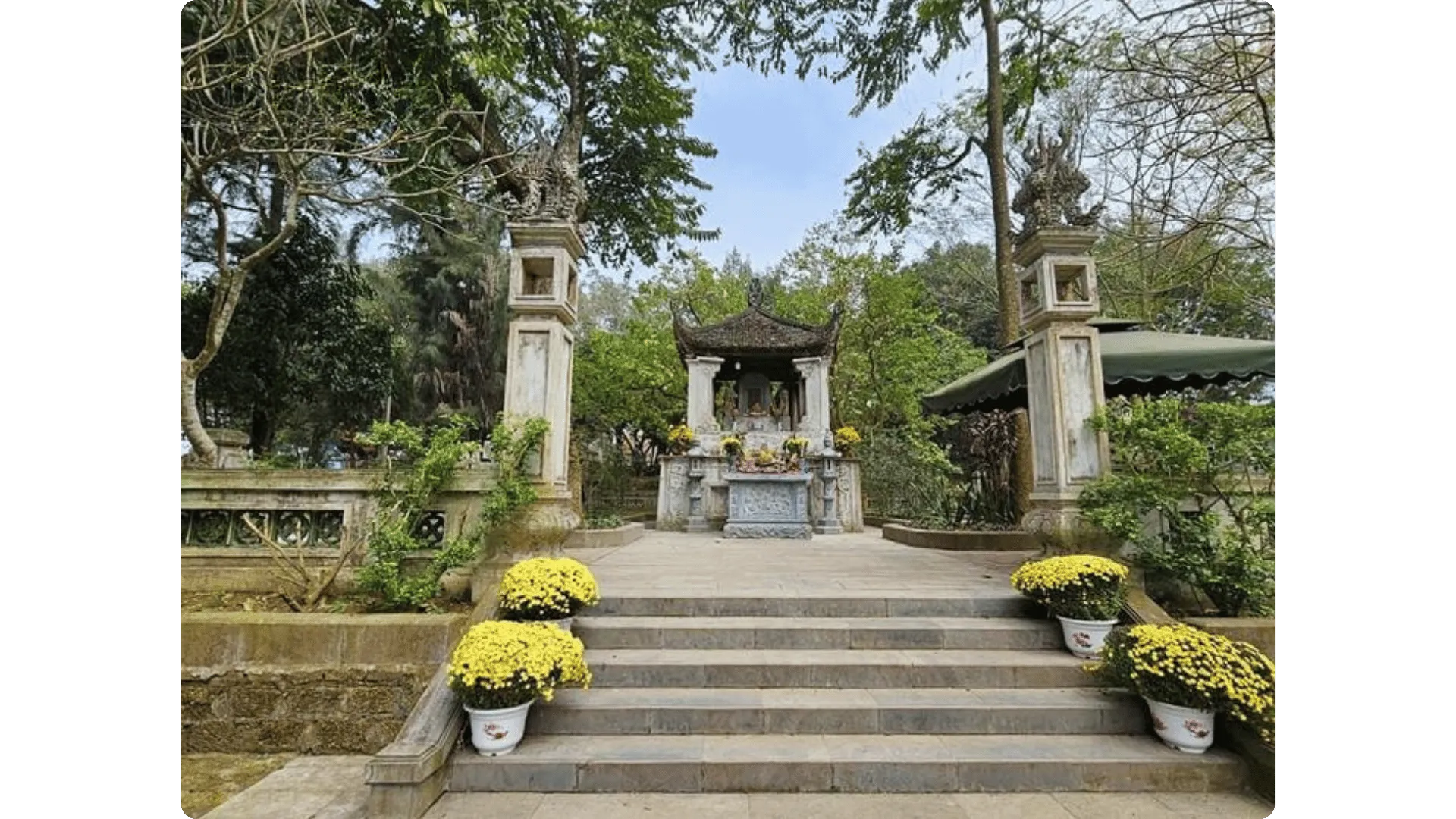
Plan Cam Lam as an extension to the Mong Phu walk. Your driver or guide can help with the route, particularly on a hot day. If history is a main interest, leave the afternoon for these sites and give yourself time to explore without hurrying.
Try local food and learn about soybean sauce
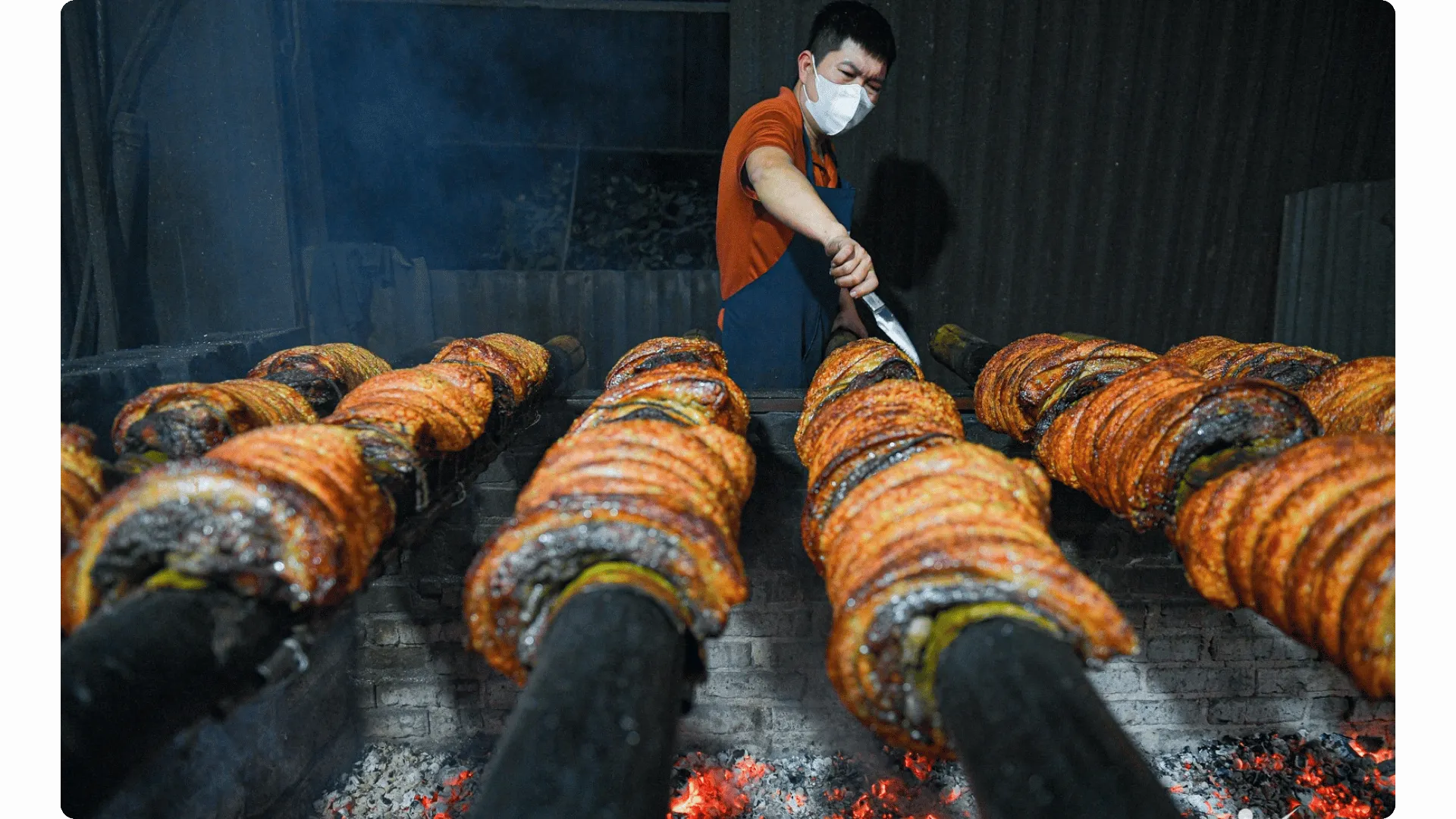
Leave time for lunch and a taste of Duong Lam's local specialities. Look out for gà Mía, the area's distinctive chicken breed, and thịt quay đòn, pork roasted around a bamboo pole. For something sweet, try chè lam, a chewy confection with glutinous rice, ginger and peanuts. It pairs well with a cup of tea.
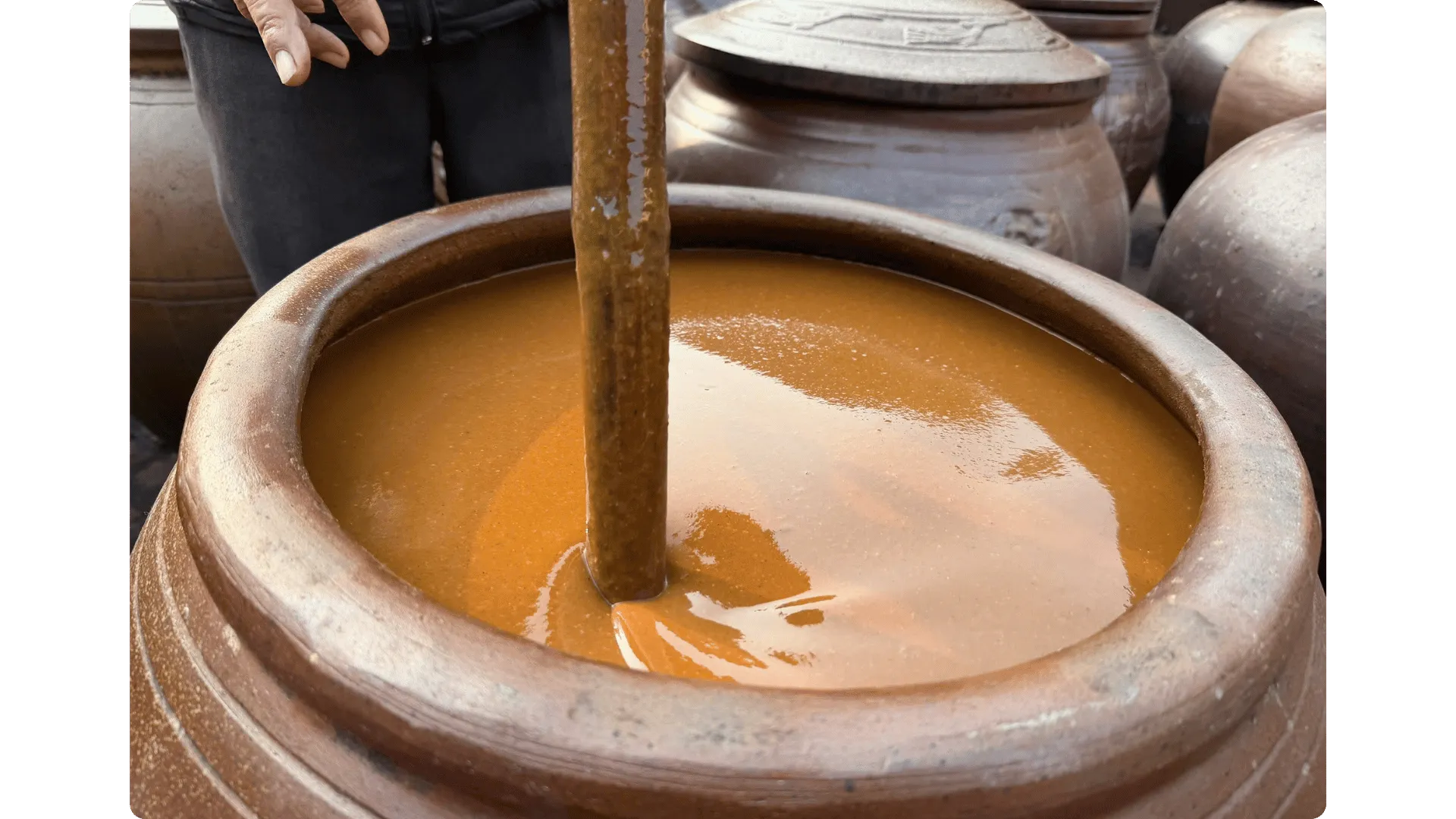
The earthenware jars you may notice in courtyards are often linked to tương, the village's fermented soybean sauce. Some families in Mong Phu still make it with ingredients such as glutinous rice, soybeans and salt. A visit to a producer adds a little context to the flavours on your lunch table.
Reserve a meal at a local house or restaurant and ask which specialities will be served. Mention vegetarian requirements or allergies when booking, particularly to peanuts or soy, so your host can discuss suitable dishes with you.
You can also ask about a soybean sauce or traditional sweet-making experience. Arrange it ahead of time and check whether you will watch, taste or take part. Activities depend on the host and date, so it helps to be specific about what you would enjoy.
>> You may also like: Top Craft Villages in Hanoi: 7 Places to Meet Local Artisans
How to get to Duong Lam from Hanoi
By private car or as part of a Hanoi tour
A pre-arranged car makes it easy to start from your hotel and return when you are ready. Share your planned stops with the driver, especially if you want to include Cam Lam or spend longer over lunch.
When booking a Hanoi tour, check whether the price includes an English-speaking guide, admission, lunch and any activities. If you want help talking with hosts and understanding the sights, make sure guiding is part of the arrangement.
By public transport
You can travel by public bus from Hanoi to Son Tay, then take a local transfer to the village. Check the current departure point and return service before leaving, and allow time for connections. It is also worth arranging how you will get back to the bus stop after your visit.
For a first visit with limited time, compare the total travel time as well as the fare. A cheaper journey may leave less time for the village itself.
Entrance fees and visiting arrangements
The standard admission fee in Hanoi's published fee schedule is VND 20,000 per visitor. Confirm the rate and any concessions when planning your trip. Meals, transport, rentals and arranged activities are separate costs unless your tour includes them.
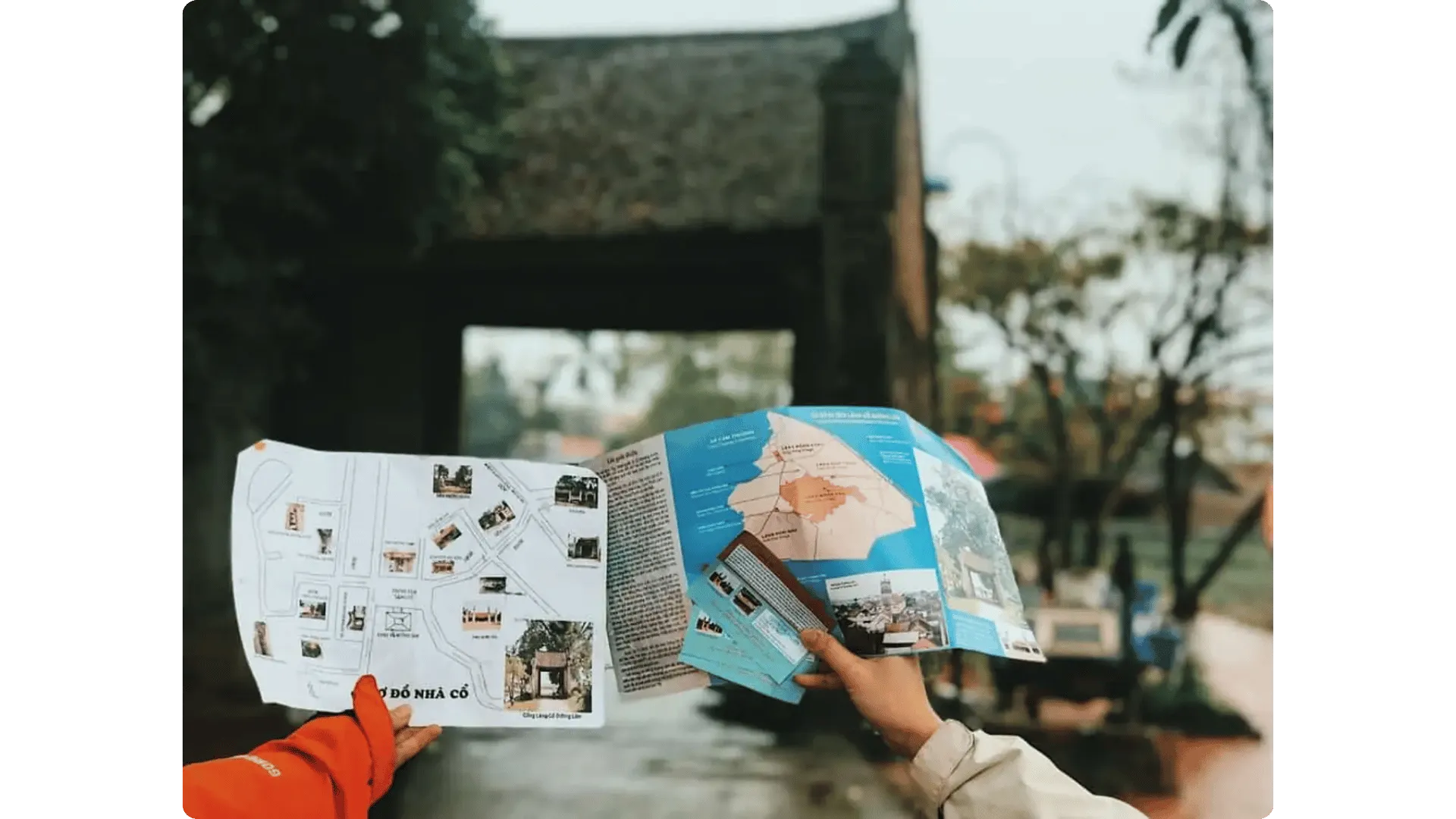
Explore during daylight and check visiting arrangements for any particular house or religious site you want to see. Follow your host's invitation when entering a family home.
When to visit Duong Lam Ancient Village
October and November are good months to consider for a day of walking, as Hanoi generally becomes cooler after the hot, wet summer. Winter can be chilly and cloudy; summer brings heat, humidity and rain. Check the local forecast before setting off.
On warmer days, start early and save the hottest part of the day for lunch or a shaded break. Bring comfortable shoes, drinking water and suitable sun or rain protection.
Hoping to photograph the rice fields? Ask about crop conditions shortly before your trip. The views change with planting and harvest, so the timing of your visit makes a difference.
>> Planning your trip? Read: When to Go to Vietnam (2026)? The Best Time to Travel
A suggested itinerary for one day
Here is one way to spend a day in Duong Lam with a private transfer. Use it as a flexible starting point, with room for the weather, traffic and the visits you have arranged.
|
Approximate time |
Suggested plan |
|
08:00 |
Depart from your hotel in Hanoi. |
|
09:30–10:00 |
Arrive and begin at Mong Phu village gate and the banyan tree. |
|
10:00–12:00 |
Explore the Communal House, village lanes and a pre-arranged heritage house visit. |
|
12:00–13:00 |
Have a reserved local lunch and a break. |
|
13:00–14:00 |
Visit Mia Pagoda, allowing for the transfer from your lunch venue. |
|
14:00–15:00 |
Choose a Cam Lam history visit or a pre-booked food experience. |
|
Around 15:00 |
Leave for Hanoi, with an indicative arrival around 16:30–17:00. |
Choose one main afternoon extension and leave room for the moments that catch your interest. If a house visit turns into a longer conversation or you find a lane you want to photograph, a flexible itinerary lets you enjoy it. A tailor-made tour can give you that extra freedom.
Customize Tour Tailor-Made Trip here!
Practical tips for a considerate visit
- Ask before photographing people or interiors. This is especially important in homes and places of worship.
- Bring small-denomination Vietnamese dong. Confirm payment arrangements for meals and activities ahead of time.
- Discuss walking needs when booking. Ask about steps, thresholds, uneven surfaces and the distance between planned stops.
- Keep village lanes and gateways clear. Residents still use them to reach their homes and carry out daily work.
- Agree on services and prices first. This helps both visitors and hosts understand what has been arranged.
FAQs about Duong Lam Ancient Village
Is Duong Lam Ancient Village worth visiting?
Yes, if you enjoy traditional homes, local food and village history. With only one day in Hanoi overall, consider whether you would prefer to spend it in the city.
Do I need to arrange a house visit in advance?
Book ahead for a guided house visit, lunch or a food-making activity. Each household has its own arrangements, so ask before entering, even if the door is open.
Is one day enough to visit Duong Lam?
Yes. A full day from Hanoi gives you time for the main sights, a house visit and lunch. Plan longer if you would like an extended workshop or a more leisurely photography visit.
What should I prioritise if I have limited time?
For a shorter visit, focus on Mong Phu gate, the Communal House and one welcoming heritage home, then add Mia Pagoda if time allows. This is a useful starting point when choosing what to see in Hanoi beyond the city centre.
Are Mong Phu Temple and Mia Pagoda the same place?
No. The English label Mong Phu Temple refers to the communal house in Mong Phu. Mia Pagoda is a separate Buddhist site in Dong Sang.
Can I visit without a guide?
Yes. You can arrange your own transport and explore independently. A guide is helpful if you want to hear more about the architecture, speak with hosts or coordinate several visits.
Is Duong Lam suitable for families or travellers with limited mobility?
Families can plan a shorter walk with plenty of breaks. If you have mobility needs, ask your organiser to check steps, surfaces and vehicle access at the exact places you want to visit.
What should I wear to Mia Pagoda and the communal house?
Wear comfortable clothing that covers your shoulders and knees, with shoes suitable for walking. Follow the instructions at each site about footwear and access to worship areas.
Plan your visit with Typic Travel
Would you like to spend a day exploring Duong Lam Ancient Village with Typic Travel? Tell us what interests you most, from old houses and village history to local cooking, and how much walking you would enjoy.
We can discuss a tailor-made tour from Hanoi, with transport, guiding and meal arrangements to suit your day. Duong Lam can also be part of a longer journey through northern Vietnam.
Customize Tour and share your preferred date, group size and ideas with us.