


Vietnam Travel Guide: What Nobody in the Industry Tells You Before You Book
Vietnam Travel Guide: What Nobody in the Industry Tells You Before You Book By the TYPIC Travel Team — Insiders with 10 Years on the Ground

Mục lục
- 1. The Honest Truth About Travelling Vietnam
- 2. Before You Go: The Decisions That Shape Everything
- 3. Planning Your Vietnam Trip From A to Z
- 4. The Destinations: What We Actually Tell Our Clients
- 5. The Practical Guide: What Actually Matters on the Ground
- 6. Independent or Guided?
- 7. Why Travel with TYPIC?
- 8. Start Planning Your Journey
1. The Honest Truth About Travelling Vietnam
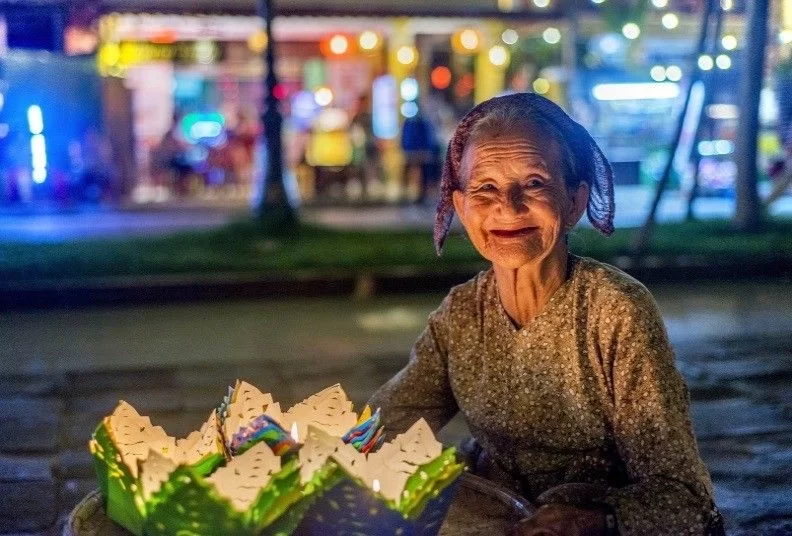
Every travel guide will tell you Vietnam is beautiful. They'll show you the same photographs of Ha Long Bay at sunrise, the lanterns of Hoi An reflected in the Thu Bon River, and a bowl of pho steaming on a Hanoi street corner.
They're not wrong. Vietnam is all of that.
But after a decade of designing journeys for travellers from across the world, watching what works, what disappoints, and what genuinely changes people, we've learned that the difference between a good Vietnam trip and an unforgettable one comes down to the details nobody puts in the brochure.
2. Before You Go: The Decisions That Shape Everything
Choosing When to Visit
Vietnam stretches over 1,650 kilometres from north to south. That single fact makes "the best time to visit Vietnam" one of the most misleading questions in travel.
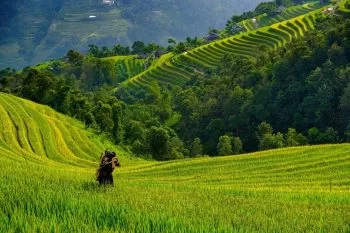
Northern Vietnam (Hanoi, Ha Long Bay, Sapa, Ha Giang) The sweet spot is September to November and March to May. October is arguably the finest month in the north: clear skies, comfortable temperatures, and the rice terraces of Mu Cang Chai and Sapa at their most spectacular as harvest turns the hillsides gold. Winter (December to February) brings a damp chill to Hanoi and genuine cold to the highlands, not unpleasant, but pack accordingly.
Central Vietnam (Hue, Da Nang, Hoi An) February to August offers the most reliable weather. The coast basks in sunshine while the mountains stay green. October and November bring the heaviest rains and occasional typhoons. Coastal flooding in Hoi An is a real consideration during this period.
Southern Vietnam (Ho Chi Minh City, Mekong Delta, Phu Quoc) November to April is the dry season: warm, sunny and ideal. The rainy season (May to October) brings dramatic afternoon downpours but rarely disrupts a full day of plans. The Mekong Delta is actually more interesting in flood season, when local life moves entirely onto the water.
The Tet Factor Tet, Vietnam's Lunar New Year, typically falls in late January or early February and is the single most important cultural event in the Vietnamese calendar. Travelling during Tet means witnessing extraordinary celebrations: fireworks, family gatherings, streets decorated in red and gold. It also means that domestic flights sell out months in advance, many restaurants and attractions close for up to a week, and prices spike significantly. For first-time visitors, we recommend arriving just before or just after the main Tet period. For repeat travellers who want to experience Vietnam at its most culturally alive, Tet is unmissable.
How Long Do You Actually Need?
The honest answer: two weeks is the minimum to do Vietnam justice from north to south. Three weeks is better. Ten days will leave you feeling like you've skimmed the surface.
Our recommended durations by itinerary type:
|
Itinerary |
Recommended Duration |
|
North only (Hanoi, highlands, Ha Long Bay) |
10 to 14 days |
|
North to Centre (Hanoi to Hoi An via Hue) |
12 to 16 days |
|
Full north to south (Hanoi to Ho Chi Minh City) |
18 to 21 days |
|
Indochina extension (adding Cambodia or Laos) |
Add 5 to 7 days per country |
3. Planning Your Vietnam Trip From A to Z
Whether you're planning independently or working with a travel consultant, this is the order in which the decisions need to be mad

Step 1: Decide Your Travel Style
Before anything else, be honest about how you actually travel, not how you imagine you will. Do you prefer a packed schedule or do you need slow mornings and unplanned afternoons? Are you comfortable navigating unfamiliar transport systems, or does logistics stress you out? Do you want to eat where locals eat, or do you need the reassurance of a restaurant with an English menu? Is this a trip for adventure, relaxation, culture, food, or all of the above?
Vietnam can deliver all of these things. But the itinerary that works for a couple who want to trek remote highlands and eat street food for three weeks looks nothing like the one designed for a family with young children or first-time Asia travellers who want comfort and ease. Getting this right at the start saves an enormous amount of frustration later.
Step 2: Set Your Budget
Vietnam is one of the most flexible destinations in the world in terms of budget. A backpacker and a luxury traveller can visit the same places and have equally extraordinary experiences at wildly different price points.
|
Category |
Daily Budget (per person, excl. flights) |
|
Budget |
$30 to $60 USD |
|
Mid-range |
$80 to $150 USD |
|
Comfort |
$150 to $300 USD |
|
Luxury |
$300 USD and above |
These figures cover accommodation, meals, local transport and entrance fees. Domestic flights, overnight cruises and guided tours are additional and vary significantly depending on quality and duration.
The gap between a $30 guesthouse and a $100 boutique hotel is not just about thread count. It's about location, service, and how much of your energy gets spent on logistics rather than actually experiencing the country.
Step 3: Sort Your Visa
Do you need one? Vietnam has expanded its visa-free arrangements significantly. Citizens of the UK, USA, Australia and most of Western Europe can now enter visa-free for up to 45 days. Check the current list at the official Vietnam Immigration portal before assuming you're covered — the policy continues to evolve.
If you need a visa: Vietnam's e-visa is straightforward to obtain online at https://evisa.gov.vn. Apply at least 5 to 7 business days before departure. The e-visa is valid for up to 90 days, single or multiple entry, and covers all standard entry points including land borders.
Important: Your passport must be valid for at least 6 months beyond your intended departure date from Vietnam.
Step 4: Book Your International Flights
Which airport to fly into?
- Noi Bai International Airport (HAN) — Hanoi: The natural starting point for a north-to-south itinerary or a trip focused on northern Vietnam and the highlands.
- Da Nang International Airport (DAD): Ideal for central Vietnam — Hue, Hoi An and the surrounding coast.
- Tan Son Nhat International Airport (SGN) — Ho Chi Minh City: Best entry point for southern Vietnam and onward connections to Cambodia.
Book in advance: 6 to 8 weeks minimum for decent fares. 3 to 4 months ahead for peak season (December to February, June to August).
Step 5: Plan Your Route
The classic mistake: Trying to see too much in too little time. A traveller who tries to cover Hanoi, Ha Long Bay, Hue, Hoi An, Ho Chi Minh City and the Mekong Delta in ten days will spend more time in transit than in any single place.
The golden rule: Choose depth over breadth. Three or four destinations done properly will give you a far richer experience than seven destinations skimmed.
The most logical route options:
- North to South (most popular): Hanoi → Ha Long Bay → Ninh Binh → Hue → Da Nang / Hoi An → Ho Chi Minh City → Mekong Delta
- Northern Highlands Loop: Hanoi → Ninh Binh → Pu Luong → Mu Cang Chai → Sapa → Ha Giang → Cao Bang → Hanoi
- Central & South Focus: Ho Chi Minh City → Mekong Delta → Hoi An → Hue → Da Nang
Step 6: Book Accommodation
Book in advance for the first and last nights of your trip, for overnight cruises, and for travel during peak season. In popular destinations like Hoi An and Sapa, the best properties fill up weeks ahead.
By destination:
- Hanoi: Stay in or near the Old Quarter for atmosphere and walkability
- Ha Long / Lan Ha Bay: The accommodation is your cruise boat — choose carefully
- Ninh Binh: Stay near Tam Coc rather than Ninh Binh city itself
- Hue: Riverbank hotels offer the best of access and views
- Hoi An: Within walking distance of the Ancient Town for the early morning experience
- Ho Chi Minh City: District 1 and District 3 for the best combination of access and atmosphere
Step 7: Sort Your Domestic Transport
Between cities: Book domestic flights early for the Hanoi to Da Nang or Ho Chi Minh City routes. Vietnam Airlines, Bamboo Airways and Vietjet cover all main routes. The overnight train between Hanoi and Da Nang is a genuinely memorable alternative — book a private soft-sleeper cabin and wake up in central Vietnam.
Within destinations:
- Grab for city movement — safe, transparent, non-negotiable
- Bicycle or electric bicycle in Hoi An and Hue
- Private car with driver for day trips and inter-regional transfers
- Motorbike for experienced riders in less trafficked areas only
Step 8: Plan Your Activities in Advance
Some experiences require advance booking — particularly during peak season:
- Ha Long / Lan Ha Bay cruises: Book 2 to 4 weeks ahead
- Cooking classes in Hoi An: The best ones fill up fast
- Ha Giang motorbike loop: Arrange guides and accommodation before you travel
- Bac Ha Sunday Market: Plan your schedule around it — once a week on Sunday mornings only
- Cu Chi Tunnels: No booking needed, but go early to beat the groups
Step 9: Smart Pack
Clothing:
- Lightweight, breathable fabrics for south and centre year-round
- Warmer layers for the north between November and February
- Two modest outfits (covered shoulders and knees) for temple visits
- Comfortable walking shoes — used every single day
- A light rain jacket — non-negotiable regardless of season
Health & Practical:
- First aid kit: rehydration salts, antihistamine, stomach medication, blister plasters
- High-factor sunscreen and insect repellent
- Universal travel adaptor (Vietnam uses Type A, C and F sockets, 220V)
- Power bank for long days of navigation and photography
Documents:
- Passport (valid 6+ months beyond departure)
- Visa or e-visa confirmation (printed and digital)
- Travel insurance documents
- Emergency contacts and copies of all key documents stored separately
Step 10: Prepare for the Culture
Learn a few words of Vietnamese. Xin chào (hello), cảm ơn (thank you) and ngon quá (delicious) will take you surprisingly far.
Understand temple etiquette. Remove shoes before entering pagodas. Dress modestly. Ask before photographing worshippers or ceremonies.
Embrace the chaos of the street. Crossing a busy Vietnamese road requires patience and a certain philosophical acceptance. Move slowly, steadily and predictably — the traffic flows around you.
Negotiate with humour, not frustration. Bargaining at markets is expected and is, at its best, a pleasurable social exchange.
|
💬 Not sure where to start If you'd like a second pair of eyes on your itinerary or honest advice on what's worth the money — reach out to Aline directly. No obligation, no sales pitch. 📧 advisor.linhchi@typictravel.com 💬 WhatsApp: +84 348 075 912 |
4. The Destinations: What We Actually Tell Our Clients
Hanoi — Give It More Than One Night
Most itineraries treat Hanoi as a gateway, one night before the Ha Long Bay cruise and another night after. It is one of the great undersells in Southeast Asian travel.
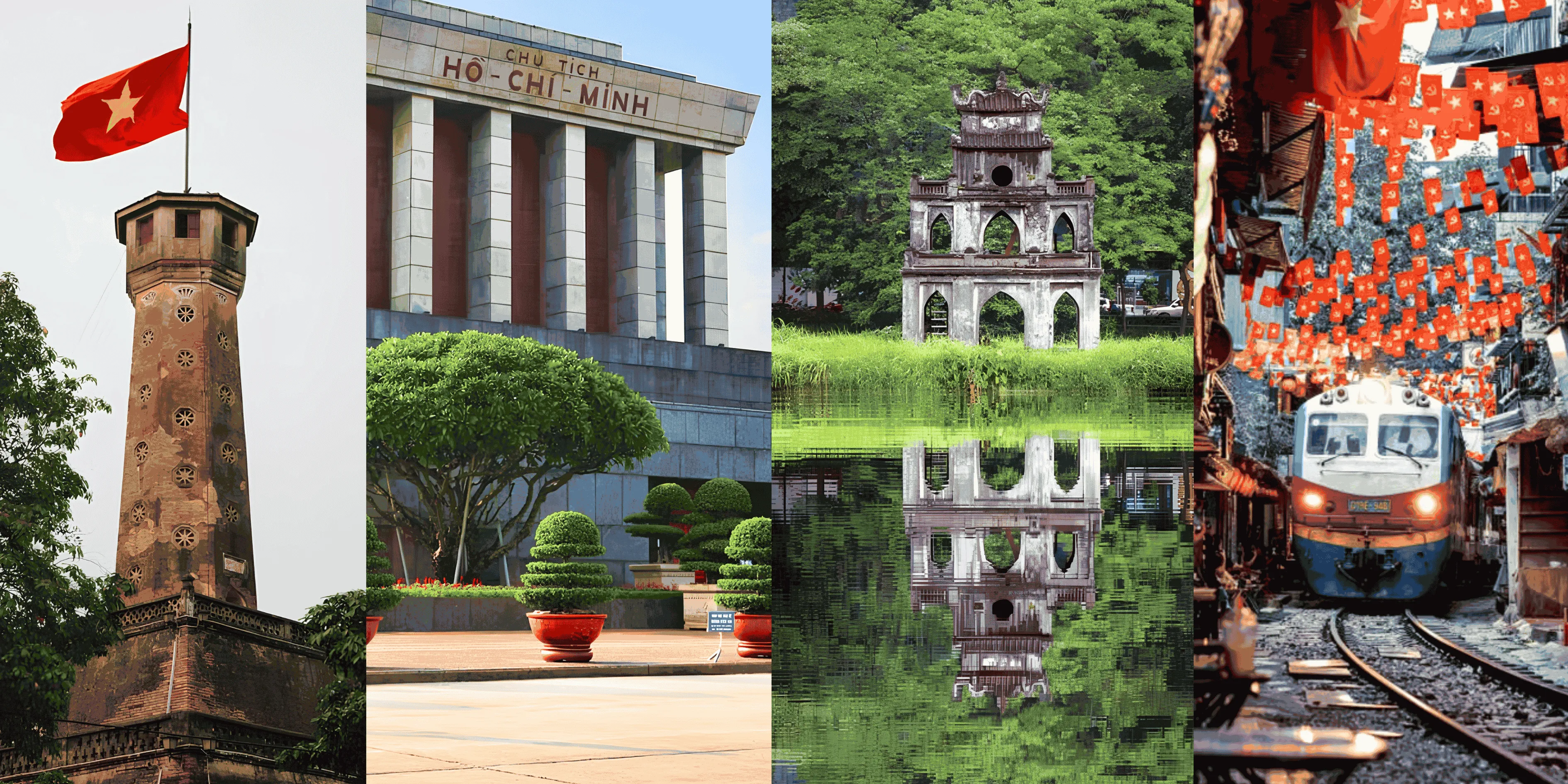
Hanoi is a city that takes time to reveal itself. The Old Quarter, with its 36 ancient guild streets named after the trades once practised there, is best explored on foot in the early morning before the motorbikes take over. The city's French colonial architecture, boulevards of plane trees, mustard-yellow villas and the grand Opera House, gives it a character unlike anywhere else in the region.
- What we always recommend: The Temple of Literature at opening time. Breakfast at a street-side pho stall in the Old Quarter. A late afternoon walk around Hoan Kiem Lake as locals practice tai chi. Egg coffee in a rooftop café looking out over the city's layered rooflines.
- What we quietly steer clients away from: The infamous Hanoi Train Street — once a genuinely atmospheric slice of local life, now a heavily commercialised tourist trap. There are better ways to experience the city's authentic character.
How long: Two nights minimum. Three nights for a day trip to the craft villages of Bat Trang.
Ha Giang — The Edge of Vietnam
There are places in Vietnam that stop you in your tracks. Ha Giang is one of them.
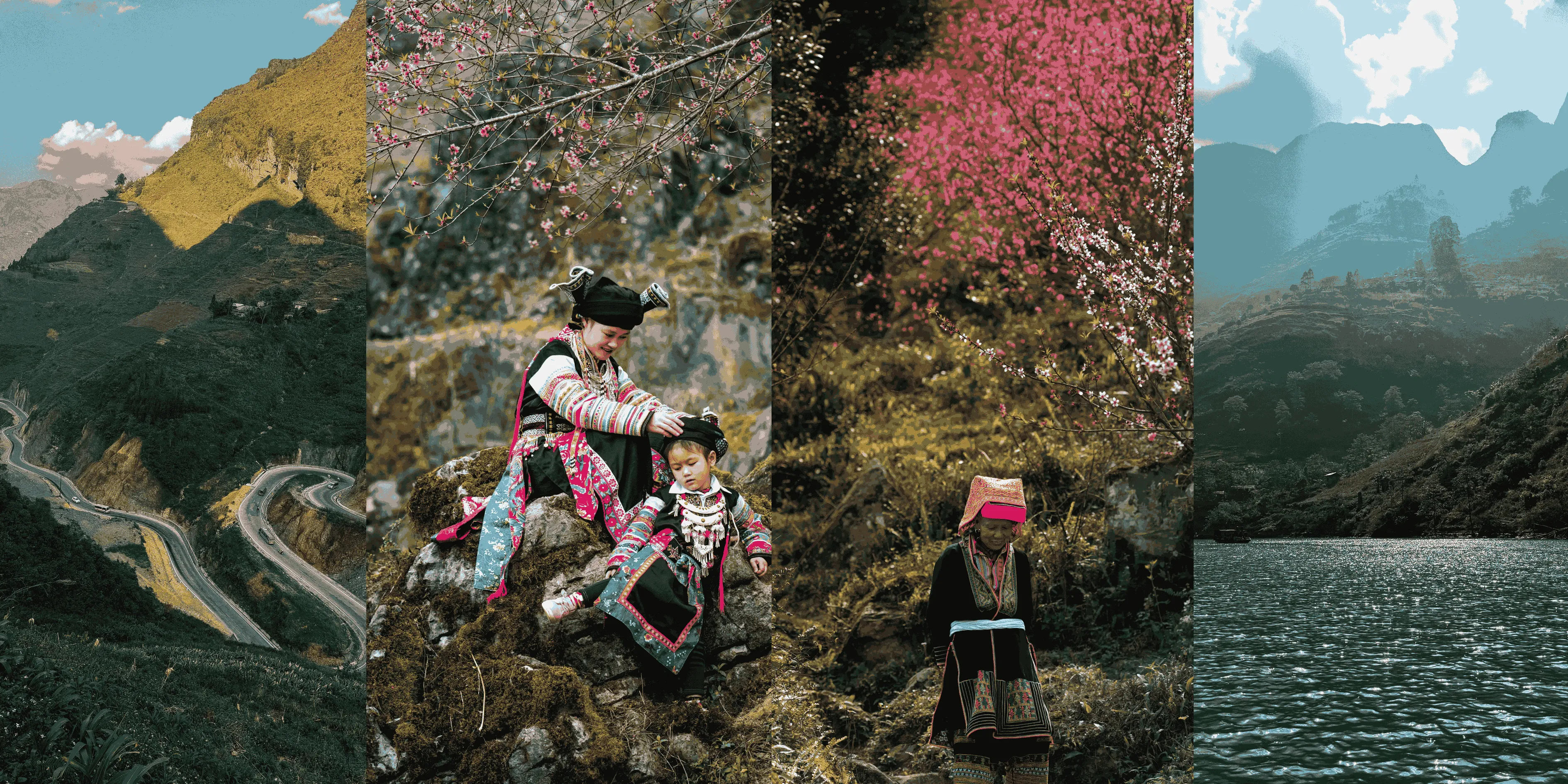
Vietnam's northernmost province sits hard against the Chinese border, a landscape of such dramatic, almost violent beauty that it feels like the earth couldn't decide whether to be a mountain range or a canyon system and chose both. The Dong Van Karst Plateau Geopark, a UNESCO-recognised geological wonder, is a moonscape of ancient limestone peaks, deep river gorges and narrow passes that drop hundreds of metres on either side of the road.
The Ma Pi Leng Pass is the centrepiece: a 20-kilometre stretch of mountain road carved into the cliff face above the turquoise Nho Que River, widely considered the most spectacular road in Vietnam and one of the finest in Southeast Asia. Standing at the viewpoint as the valley falls away beneath you, the river a thread of green far below and the peaks layered to the horizon, is one of those moments that recalibrates your sense of scale.
Ha Giang is home to over 20 ethnic minority communities, among them Hmong, Dao, Tay and Lo Lo peoples, whose villages cling to the mountainsides at altitudes where the clouds are a permanent fixture. The Sunday markets of Dong Van and Meo Vac are among the most authentic in northern Vietnam: farmers and traders arriving on foot and by motorbike from distant villages, the air thick with the smell of grilled corn and the sound of a dozen languages.
What makes Ha Giang different from Sapa is that Sapa is more accessible and better developed for tourism. Ha Giang is rawer, further and less visited, which is precisely its appeal. The buckwheat flower season (October to November) transforms the plateau into a canvas of purple and pink. It is one of the most quietly beautiful natural spectacles in the country.
How long: 3 to 4 days minimum. 5 days for a more unhurried experience. Best time: September to November for harvest colours and buckwheat flowers. March to May for clear skies.
Cao Bang — Where Vietnam Hides Its Secrets
If Ha Giang is Vietnam's most dramatic landscape, Cao Bang is its most quietly extraordinary.
Fewer than two hours from the Chinese border in Vietnam's far northeast, Cao Bang sits at the heart of the Non Nuoc Cao Bang UNESCO Global Geopark, a landscape of prehistoric limestone formations, ancient forests and hidden valleys that most international visitors have never heard of. Those who find their way here tend not to tell too many people about it.
The centrepiece is Ban Gioc Waterfall, one of the most beautiful waterfalls in the world. Straddling the border between Vietnam and China, it cascades in multiple tiers across a width of over 300 metres into a turquoise pool below, surrounded by karst peaks and bamboo forest. In the dry season, local farmers punt small wooden boats across the pool at the waterfall's base, an image so quietly perfect it barely seems real.
The Nguom Ngao Cave system nearby stretches over 2 kilometres underground, a cathedral of stalactites and stalagmites. The road from Cao Bang town to Ban Gioc passes through some of the most untouched rural scenery in northern Vietnam: limestone valleys terraced with rice paddies, wooden stilt houses rising from the mist, water buffalo moving through flooded fields with the unhurried pace of creatures who have never needed to be anywhere quickly.
What we tell clients: spending at least one night in a local homestay near Ban Gioc. The falls after the day visitors have gone, lit only by fading light and the valley returned to its natural quiet, are worth the extra planning.
How long: 2 to 3 nights. Best time: September to November. Avoid June to August when road conditions in the highlands can be challenging. Best combined with: Ha Giang as part of a northern highlands loop of 8 to 10 days.
Ha Long Bay & Lan Ha Bay — The Classic, Done Right
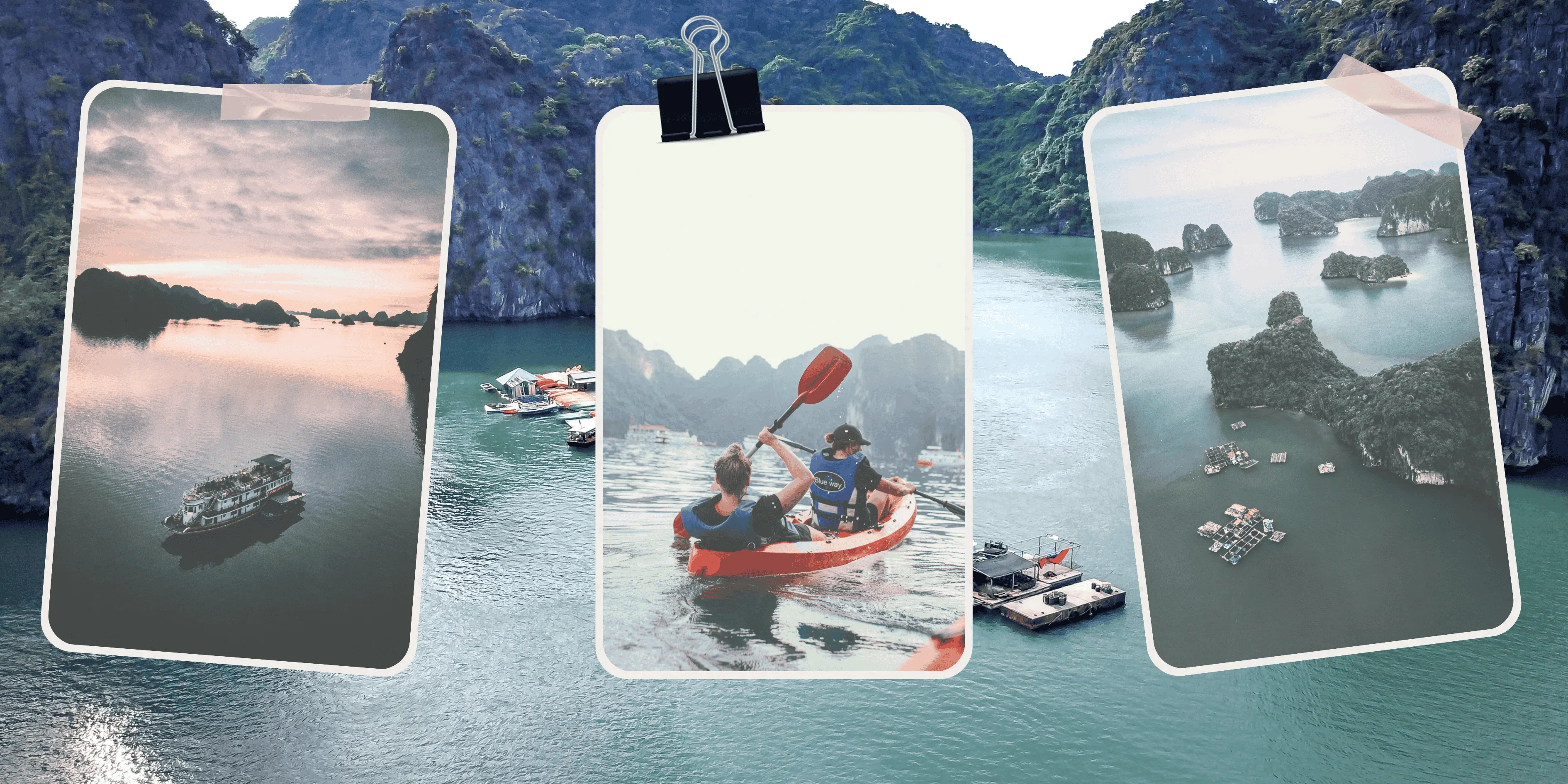
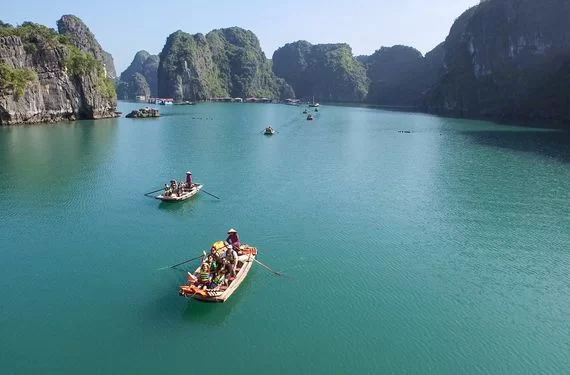
Ha Long Bay is one of those rare destinations that fully lives up to the photographs. Nearly 2,000 limestone islands rising from jade-green water — it is genuinely, spectacularly beautiful.
The challenge is that it knows it. The difference between a transcendent experience and a disappointing one comes down almost entirely to which boat you're on and where it goes.
What nobody tells you: The most visited areas are the most crowded. The boats that venture northeast into Bai Tu Long Bay, or southwest toward Lan Ha Bay off the coast of Cat Ba Island, are operating in the same UNESCO-listed landscape but with a fraction of the traffic.
Lan Ha Bay in particular is one of the most underrated destinations in northern Vietnam. With over 300 limestone islands, crystal-clear water and far fewer visitors, it offers kayaking through mangroves, swimming in secluded coves and a stillness that Ha Long's busier zones can no longer guarantee.
Our honest advice: Choose a reputable operator with a vessel that ventures beyond the main bay. Spend two days and one night on board minimum.
How long: Two days, one night minimum. Three days, two nights for a more immersive experience.
Ninh Binh — Ha Long Bay on Land
Just three hours south of Hanoi, Ninh Binh is one of those destinations that consistently surprises travellers who weren't expecting much.
The landscape is extraordinary: a river delta of karst limestone peaks rising dramatically from flat rice paddies, navigated by small wooden rowing boats through a network of waterways, caves and ancient temple complexes. It is frequently and accurately described as Ha Long Bay on land.
Trang An is the centrepiece, a UNESCO World Heritage Site where traditional rowing boats carry you silently through a succession of limestone caves, open valleys and ancient temples surrounded by lush vegetation untouched for centuries. Tam Coc offers a more accessible alternative, a sampan boat drifting through three natural limestone caves flanked by towering cliffs and emerald rice paddies.
For those seeking a more active experience, the climb to the summit of Mua Cave Hill, approximately 500 stone steps, rewards with one of the most iconic panoramic views in northern Vietnam: a sweeping vista over the entire Tam Coc valley, best appreciated in the late afternoon light. Hoa Lu, Vietnam's first imperial capital under the Dinh and Early Le dynasties (968 to 1009), adds a historical dimension with two beautifully preserved temple complexes nestled among dramatic limestone mountains that once served as natural fortifications.
How long: One to two nights, long enough to experience the landscape at different times of day, including early morning when the mist sits in the valleys.
Hue — Vietnam's Most Underrated City
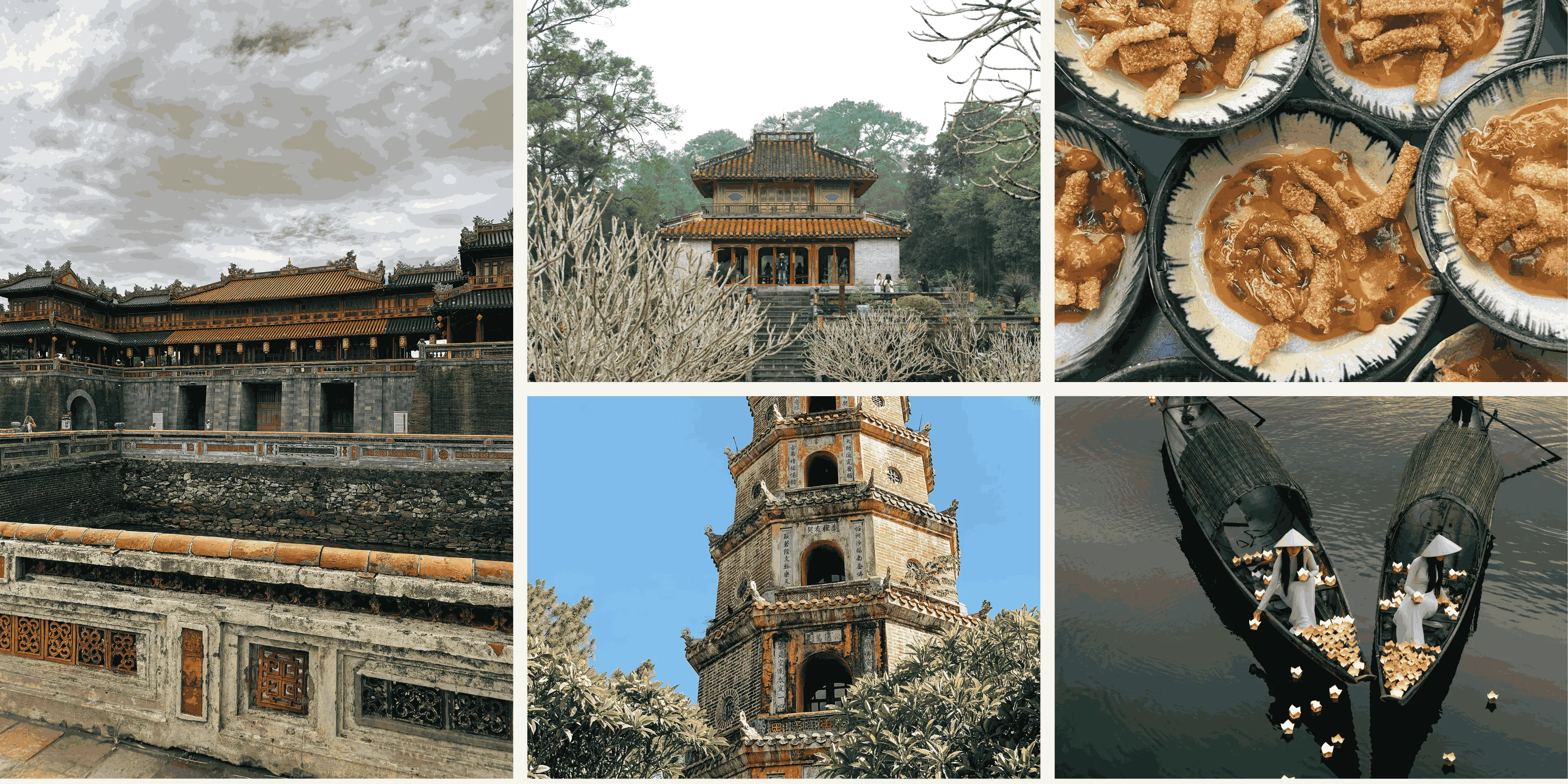
Ask most travellers which city surprised them most in Vietnam and Hue comes up more often than any other.
Vietnam's former imperial capital sits on the banks of the Perfume River. The city carries its history lightly: crumbling citadel walls draped in bougainvillea, royal tombs hidden in pine forests, pagodas perched on hilltops above the river.
The Imperial Citadel is the obvious starting point — a vast complex of palaces, ceremonial halls and ornamental gardens that served as the seat of the Nguyen dynasty for over a century.
The royal mausoleums are where Hue truly distinguishes itself. The Tomb of Tu Duc is a landscape garden of pavilions, lotus ponds and poetry-inscribed stone steles. The Tomb of Khai Dinh is an audacious fusion of Vietnamese imperial architecture and European Baroque, its interior encrusted with mosaics of glass and porcelain.
What we always add: A morning on the Perfume River by dragon boat, stopping at Thien Mu Pagoda. Lunch at a traditional garden house restaurant where Hue's royal cuisine is served in a procession of small dishes. A wander through Dong Ba Market at dusk.
How long: Two full days minimum. Three days for a day trip to the nearby lagoons and fishing villages of the coast.
Hoi An — Beautiful, Busy, and Worth It Anyway
Hoi An is, by any measure, one of the most beautiful towns in Southeast Asia. The Ancient Town, a UNESCO World Heritage Site, is a perfectly preserved 15th-century trading port where Chinese merchant houses, Japanese-influenced architecture and Vietnamese street life coexist along lantern-hung streets.
Our honest take: Visit Hoi An. But visit it early. The Ancient Town before 8am — before the day-trippers arrive from Da Nang — is a genuinely magical place. The streets are quiet, the light is golden, and the town reveals the character that made it famous.
The Japanese Covered Bridge at sunrise. The Fujian Assembly Hall with its extraordinary ceramic friezes. A walk through the Central Market before the crowds arrive.
What extends beyond the Ancient Town: Tra Que Vegetable Village offers one of the best cooking classes in the country. Cam Thanh Village is home to the water coconut forest — navigable only by traditional round bamboo basket boats through nipa palms so dense they block out the sky.
How long: Two to three nights. Four nights to explore the surrounding villages and beaches properly.
Ho Chi Minh City — The City That Never Stops
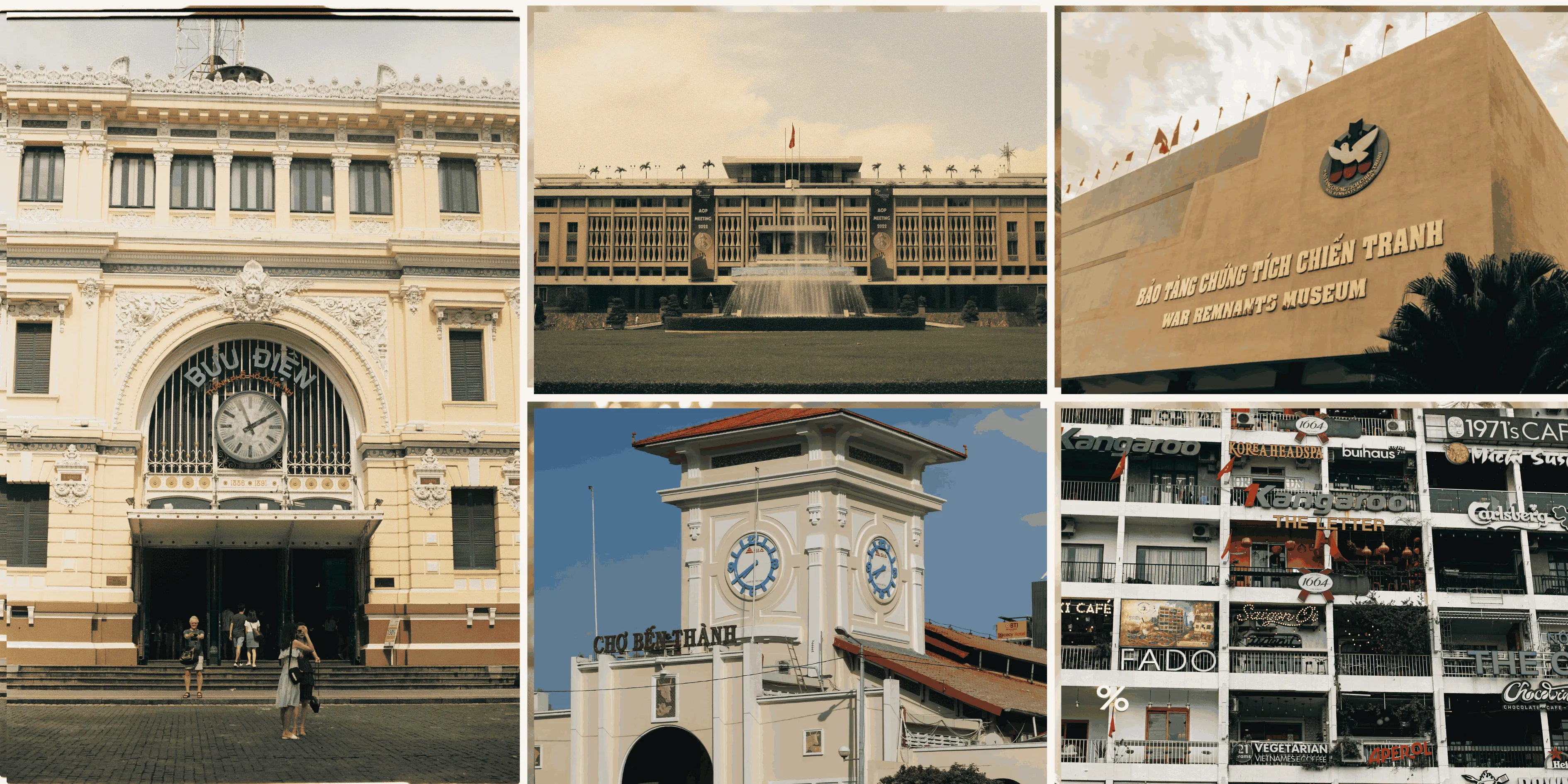
Arriving in Ho Chi Minh City after time in the quieter north or centre can feel like stepping into a different country. This is Vietnam at full volume: nine million people moving at a pace that makes other Southeast Asian capitals seem sleepy. Chaotic, energetic, occasionally overwhelming and entirely addictive.
The Cu Chi Tunnels, the extraordinary network of underground passages used by Viet Cong fighters during the war, are one of the most sobering and fascinating historical sites in the country. Go early, go with a knowledgeable guide, and give yourself time to actually crawl through the tunnels rather than rushing through.
The War Remnants Museum is not easy viewing. It is, however, essential. The photography, much of it by international photojournalists, documents the human cost of the Vietnam-American War with an unflinching honesty that no other site in the country matches.
District 1 offers the city's most elegant French colonial architecture: the grand Central Post Office designed by Gustave Eiffel, the pink-washed Notre-Dame Cathedral, and the Reunification Palace frozen in time at the moment of the war's end. District 5, known as Cholon, is Ho Chi Minh City's historic Chinatown and one of the most atmospheric parts of the city: narrow streets, traditional medicine shops, and the extraordinary Thien Hau Temple with its coiling incense spirals and ornate ceramic rooftop scenes.
How long: Two to three nights.
The Mekong Delta — Where Vietnam Slows Down
A day trip from Ho Chi Minh City or a two-night detour in either way, the Mekong Delta offers one of the most striking contrasts in Vietnamese travel: from urban chaos to a landscape of rice paddies, lotus ponds, floating markets and river life that feels centuries removed from the city you left that morning.
The Delta is a network of rivers, canals and islands formed by the nine tributaries of the Mekong River as it approaches the South China Sea. Life here is lived on the water, floating markets at dawn, wooden sampans loaded with coconuts and tropical fruit, villages connected by narrow bridges and waterways rather than roads.
Ben Tre — known as the Coconut Kingdom, is one of the most rewarding bases for exploring the Delta. A bicycle ride through the island's coconut groves, a boat trip through the narrow canals of the back channels, and lunch at a family home offering traditional southern Vietnamese dishes make for one of the most authentically local days you can spend in Vietnam.
Can Tho is the Delta's largest city and home to the Cai Rang Floating Market — best experienced at dawn, when dozens of wooden boats laden with produce converge on the river, the vendors selling from the boats themselves with goods hung from tall poles to advertise their wares.
How long: One to two nights. A day trip from Ho Chi Minh City covers the highlights; an overnight stay allows for the dawn floating market experience that makes the Delta genuinely special. Best time: November to April in the dry season. June to August in flood season when the Delta takes on a completely different character — more water, more life, more extraordinary.
5. The Practical Guide: What Actually Matters on the Ground
Getting Around
- Between cities: Domestic flights are efficient and affordable. Vietnam Airlines, Bamboo Airways and Vietjet cover all main routes. The overnight train between Hanoi and Da Nang (or Hue) is a genuinely romantic alternative — book a private soft-sleeper cabin, watch the coast unfold, and wake up in central Vietnam.
- Within cities: Grab is the non-negotiable tool for urban navigation. It works like Uber, the fare is agreed before you depart, and it eliminates the overcharging that can come with street taxis. Download it before you land.
- Between regional destinations: Private transfers are the most comfortable option for journeys like Hanoi to Ninh Binh, Hue to Hoi An, or anything off the main transport routes.
Money
The Vietnamese Dong is the currency, and getting your head around the numbers takes a day or two. 500,000 VND sounds alarming until you realise it's roughly twenty US dollars. ATMs are widely available in cities and tourist destinations. In remote areas including highland villages, national parks and rural homestays, cash is king and ATMs may not exist. Always carry sufficient dong before heading off the main circuit. Credit cards are accepted at hotels, upmarket restaurants and larger shops. Street food, local markets and almost everything that makes Vietnam worth visiting requires cash. USD is accepted at some hotels and tour operators, but Vietnamese Dong will always get you a better rate on the ground.
Food & Drink
Vietnamese cuisine is one of the great food cultures of the world — and the further you get from tourist restaurants, the better it gets.
- The regional distinctions are real: Hanoi's pho is subtle and precise. Hue's royal cuisine is spiced and complex, served in an elaborate procession of small dishes. Hoi An has its own canon: cao lau, white rose dumplings, and the banh mi from Phuong's bakery that is, by general consensus, the finest in the country. Ho Chi Minh City is Vietnam's most cosmopolitan food city.
- The street food rule: Look for stalls with the highest turnover and the most locals eating. Plastic stools on the pavement, no English menu, cooking visible from where you sit — these are almost always the best options.
- Tap water is not safe to drink anywhere in Vietnam. Bottled water is cheap and widely available. Many hotels now offer filtered water refill stations.
Health & Safety
Vietnam is one of the safer destinations in Southeast Asia. Violent crime against tourists is rare. The main risks are petty theft in busy tourist areas, traffic, and the usual gastrointestinal adjustment that comes with a significant change in diet.
- Travel insurance is non-negotiable. Ensure your policy covers medical evacuation — facilities in remote areas are limited.
- Vaccinations: Consult your doctor at least six weeks before departure. Hepatitis A, Typhoid and Tetanus are commonly recommended.
6. Independent or Guided?
Vietnam is entirely manageable as an independent traveller. Transport Vietnam is entirely manageable as an independent traveller. Transport connections are good, English is widely spoken in tourist areas, and the infrastructure for self-guided travel is well developed.
But there is a version of Vietnam that independent travel —however well planned — rarely accesses.
The family who invites you for lunch not because it's on the itinerary but because your guide grew up here. The moment at a temple where your guide quietly explains what's actually happening in the ceremony taking place in front of you, rather than you watching it from the outside without context.
A good local guide doesn't just show you Vietnam. They translate it.
The best trips we design are the ones where the itinerary is a starting point where the guide has the knowledge, the relationships and the latitude to take the day in a different direction when something unexpected and wonderful presents itself.
That, ultimately, is what tailor-made travel means. Not a fixed programme delivered efficiently, but a journey shaped around the people taking it.
7. Why Travel with TYPIC?
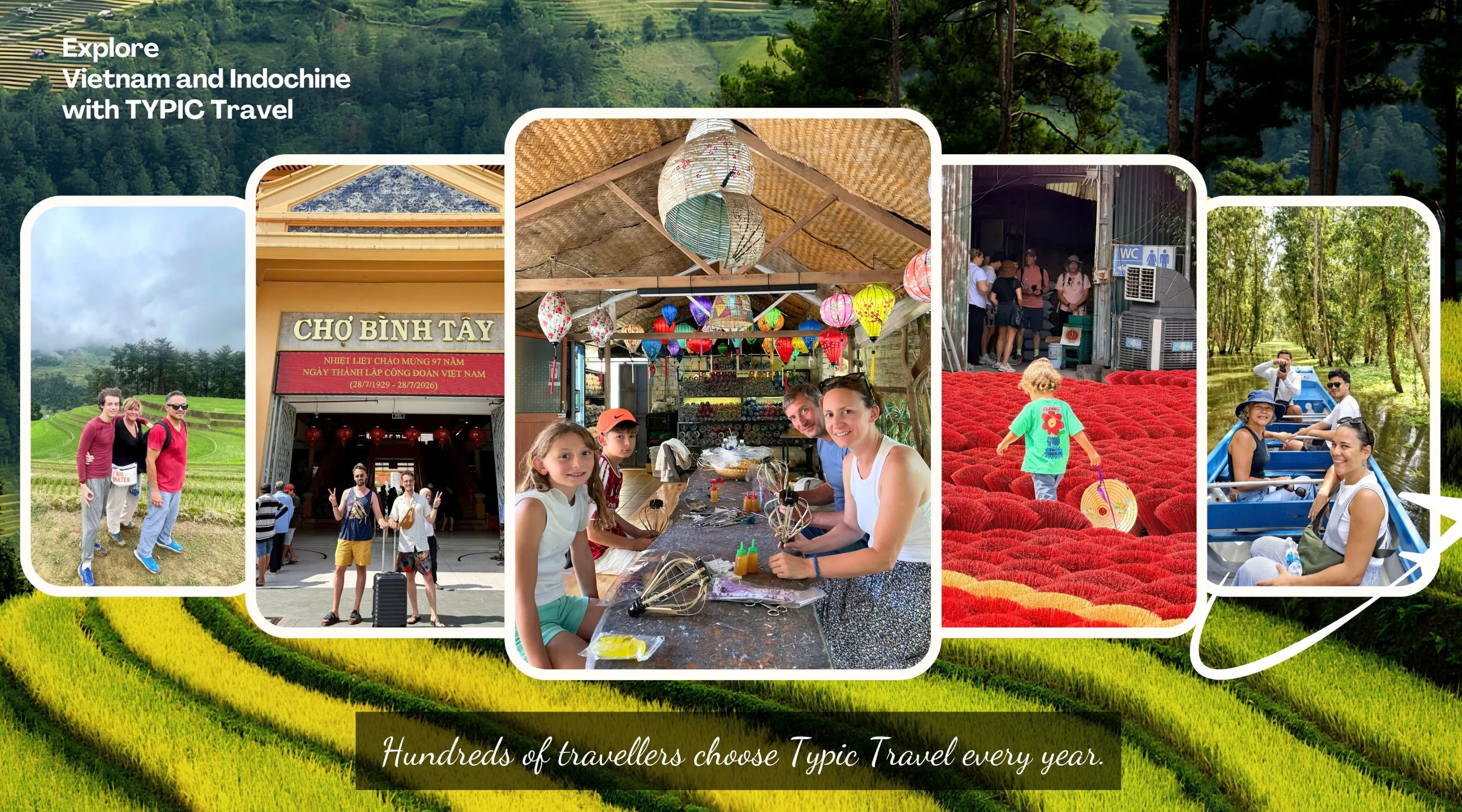
We've Been Doing This Since 2015
Most agencies spread themselves across multiple countries and markets from the start. We didn't. For nearly a decade, we built our entire reputation in the French-speaking market, designing private journeys for discerning French, Belgian and Swiss travellers who expected precision, authenticity and a level of personal attention that group tours simply cannot deliver. That focus meant we had to be very good at what we do. Word-of-mouth in a niche market is unforgiving: you either earn the next referral or you don't.
We are now bringing exactly the same approach to the English-speaking market. Not a pivot. Not a rebrand. The same team, the same standards, a new audience.
Every Itinerary Is Built From Scratch
We don't have a catalogue. When you come to us, we start with a conversation — about how you travel, what pace suits you, what you've already seen, what you're hoping to feel. The itinerary we build is a direct response to that conversation. Two clients travelling to Vietnam at the same time of year with the same budget will receive two entirely different proposals, because they are two entirely different people.
Our Guides Are the Product
We are unapologetically selective about the guides we work with. Not just knowledgeable — but genuinely curious, warm and perceptive enough to read what a traveller needs on a given day. A guide who notices you'd rather spend an extra hour in the market than rush to the next stop. One who has relationships in the villages you pass through — so that the invitation for tea at a local home is genuine rather than staged.
We Are Always On the Ground
When something changes such as a road washed out by rain, a festival that's moved dates, a guesthouse that's dropped in quality — we know before you arrive. Because we are here. Our team is based in Hanoi, operating year-round, with eyes on every destination we send clients to. We have a single point of contact for every journey, reachable by email or WhatsApp at any hour.
We've Walked the Routes We Recommend
Every destination we include is one we know personally from actual time on the ground, in different seasons, with different types of travellers. When Aline recommends a particular cruise on Lan Ha Bay, it's because she's been on the boat. When we suggest a homestay in Pu Luong over a hotel in the nearest town, it's because we've seen what the morning looks like from that particular terrace.
8. Start Planning Your Journey
If you've read this far, you're probably serious about getting Vietnam right. So are we.
Whether you have a fully formed idea or just a rough sense of when you'd like to travel and how long you have — reach out to Aline (Linh Chi) directly. She'll take it from there.
No cookie-cutter itineraries. No pressure. Just honest advice from someone who knows this country deeply and genuinely loves what she does.
|
Aline (Linh Chi) — Vietnam Travel Consultant, TYPIC Travel 📧 advisor.linhchi@typictravel.com 💬 WhatsApp: +84 348 075 912 Aline typically responds within 24 hours. TYPIC Travel has been designing private journeys across Vietnam, Cambodia, Laos, Thailand and Myanmar since 2015. |