


Hué, the ancient imperial capital: complete guide
Welcome to Hué, the ancient imperial capital located in central Vietnam. Here, time seems to have stood still: majestic palaces, secret gardens, facades weathered by years… It's the very soul of the country that unfolds along the alleys.

On your trip, you will: wander through the UNESCO-listed imperial city, marvel at the emperors' tombs, and savor delicate and fragrant royal cuisine. Hué is a bit like our Proustian madeleine for us, lovers of Asia. A unique place to visit with your eyes, but especially with your heart.
Ready to discover all its secrets? Follow the guide!
1. Essentials to know before you go
How to get there?
Located in the central region of Vietnam, Hué enjoys a privileged position halfway between Hanoi and Ho Chi Minh City. Bordered by the Truong Son mountains and the East Sea, the city benefits from an exceptional natural setting.
Phu Bai airport, 15 km away, welcomes direct flights from the capital and the southern city. The train is also a beautiful way to arrive in Hué, via the renowned North-South line that crosses superb landscapes. Those in a hurry can opt for the night bus from Hanoi or Hoi An.
When to go?
The best time to visit Hué is from February to April: dry weather, pleasant temperatures, and often clear skies. From May to August, the mercury and humidity rise, but it's bearable. The monsoon appears from September to January. To avoid: October and November, when the risk of typhoons is highest.
How long to stay?
Hué should be savored slowly to appreciate all its subtlety. You should allow at least 2 full days for a first approach and 4-5 days to really take your time and enjoy some unique experiences. But even a busy day will give you a good overview of the city's soul.
Where to stay in Hué?
To extend the immersion, opt for a charming typical hotel, ideally south of the Perfume River where the main points of interest are concentrated. Most accommodations are located there, with a wide choice of styles: from intimate boutique hotels to large international establishments and charming guesthouses.
2. Must-see sites
The Imperial City
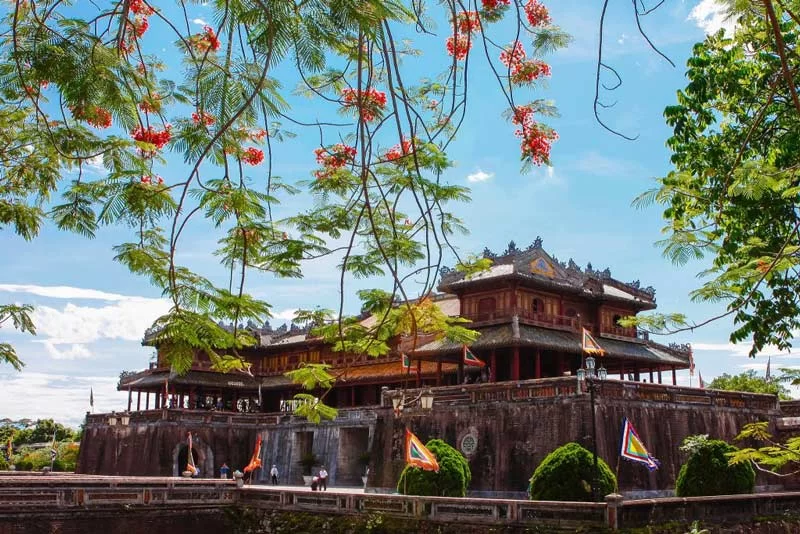
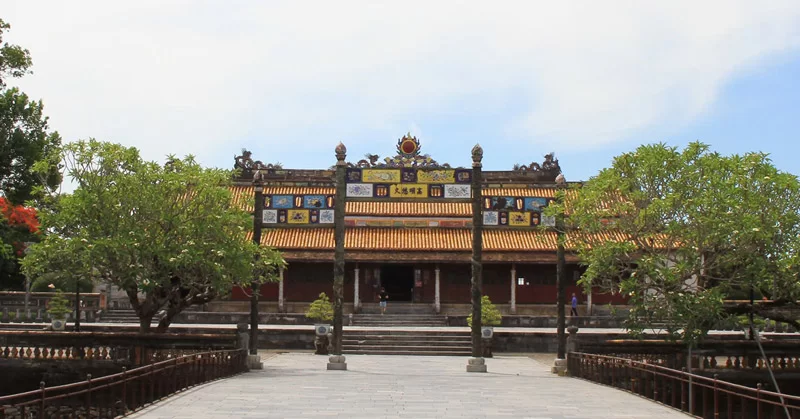
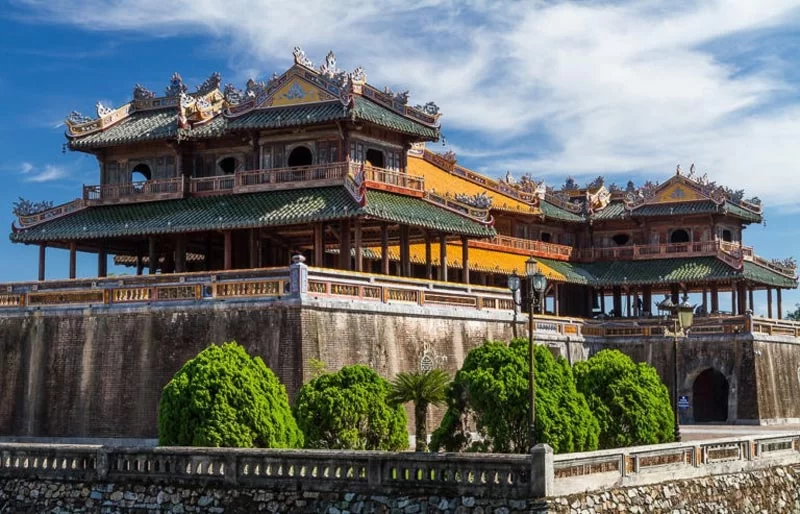
Impossible to miss. A UNESCO World Heritage site, the Imperial City bears witness to the past grandeur of the Nguyen dynasty, which reigned over Vietnam from 1802 to 1945. A majestic complex of palaces, pavilions, and gardens enclosed by high ramparts and bordered by wide moats.
Cross the threshold and go back in time. The Noon Gate and its 5 passages, the Palace of Supreme Harmony and its throne room, the royal theater, the temple of the dynasties... Each monument tells a part of imperial history. Photography enthusiasts will be delighted. Our advice: take a guide to not miss any of the secrets and anecdotes of the Forbidden City.
| Private guided tour: Enjoy the enlightened commentary of a passionate guide to uncover all the secrets of the Imperial City. He will tell you a thousand anecdotes about life at court and palace intrigues. |
Poetic stroll on the Perfume River
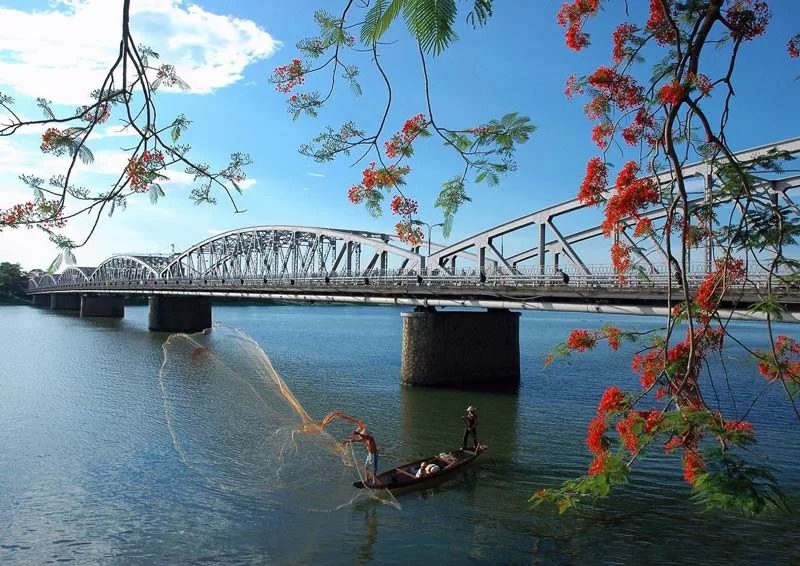
What would Hué be without its Perfume River (Song Huong)? A boat trip along the water is a must. Let yourself be carried away by the peaceful spectacle of the banks, between wooded hills, rice fields, colorful temples, and old houses. The gentle pace of life in Hué style.
The best time is to sail at the end of the day, to admire the ballet of sampans and the changing reflections of the sun on the monuments. Some boat-hotels even offer dinner and overnight stays on board, for an enchanting awakening in the morning mist.
Discovering the Tombs
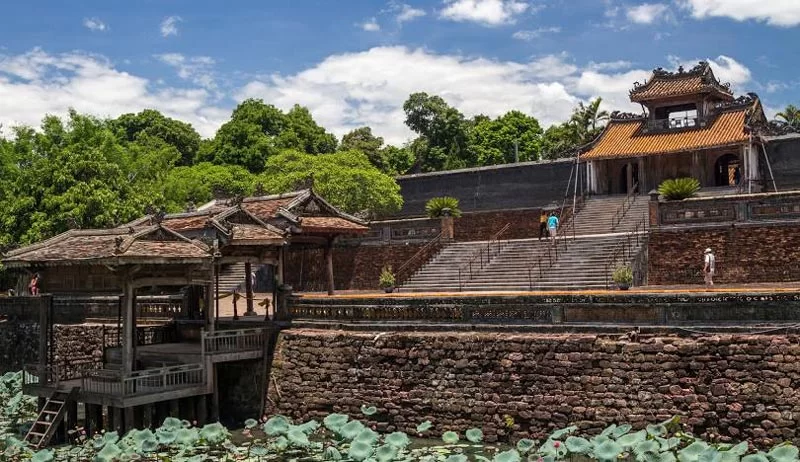
Head to the Hué countryside and its jealously guarded green settings: the tombs of the Nguyen emperors. Grandiose complexes that are a marriage of architecture, garden art, and symbiosis with nature. Each is unique, reflecting the sovereign who had it erected.
We succumb to the romanticism of the Tu Duc tomb, with its large lake where the emperor loved to fish. We are dazzled by the extravagant appearance of the Khai Dinh tomb, blending styles. We appreciate the elegant sobriety of the Minh Mang mausoleum, set in a beautiful pine forest. A must-do, preferably with a guide to learn everything.
| Tip: For a comfortable visit, opt for a private tour with a driver. You can admire these wonders nestled in the Hué countryside at your own pace. |
Iconic Pagodas
Pagodas are havens of serenity where it is good to immerse oneself in Vietnamese spirituality. The Pagoda of the Celestial Lady (Chua Thien Mu), with its tall octagonal tower, offers a beautiful view of the river. Not far away, one of Vietnam's largest Zen monasteries can be found: the Pagoda of Perfect Intelligence (Tu Hieu), with beautiful gardens conducive to meditation.
3. The Art of Living in Hué
Imperial Gastronomy
If there was only one thing to remember about Hué, it would be the city's unique culinary art, directly inherited from court banquets. A refined cuisine with a thousand flavors, served with ancient imperial etiquette. And a plethora of delicious specialties.
Treat yourself to a royal feast in a period residence, with delicate dishes, bronze tableware, costumed waiters, and traditional dancers. Or snack at the Dong Ba market stalls on crispy "banh", spicy "bun bo Hué", spring rolls, and fresh rolls... A delight! Aspiring chefs can get hands-on during a cooking class and its well-kept secrets.
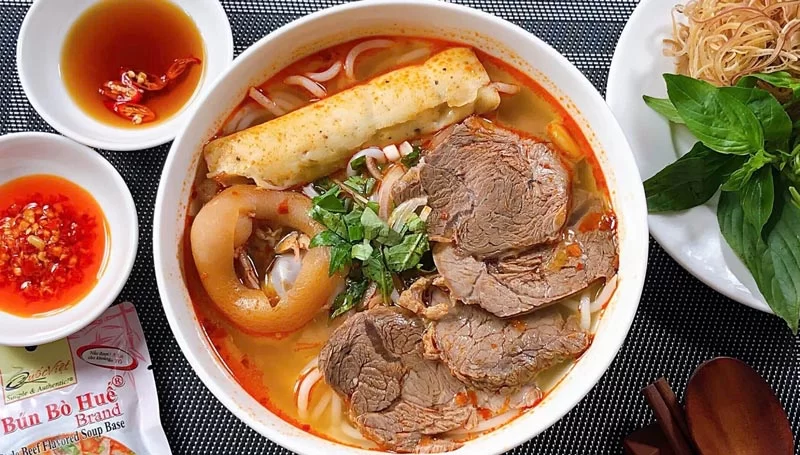
| The little extra from Typic: To learn the secrets of this royal cuisine, take a class with a passionate chef. And for an exceptional dinner, opt for a traditional gourmet meal, served in a period setting with dancers in Nguyen costumes. A timeless experience! |
Spirituality and Pagodas
Hué vibrates to the rhythm of its Buddhist pagodas and temples. The most famous is the Pagoda of the Celestial Lady (Thien Mu), a 17th-century jewel with its impressive octagonal tower. We also like the Pagoda of Perfect Understanding (Van Hanh), a large Zen monastery with soothing gardens. An opportunity to take your time and soak in the spirituality of the place.
As you wander through the alleys on foot or by bike, let yourself be captivated by the nonchalant atmosphere of the historic districts. Here, time seems suspended. You'll encounter nuns in saffron robes, a wedding procession... It smells of incense, jasmine, peaceful life. A wonderful way to disconnect!
Traditional Handicrafts
Lovers of beautiful objects and traditional craftsmanship will be delighted. Hué remains a hub of Vietnamese art handicrafts. Goldsmiths, embroiderers, woodcarvers, lacquer artists, ceramists... Workshops perpetuate ancestral techniques.
A visit to the bronze village of Phuong Duc is a must, which once supplied the court with ritual objects and refined utensils. Or to the conical hat village of Phu Cam, to see the skilled leaf weavers at work. The pleasure of meeting artisans and bringing back a beautiful, unique souvenir.
4. Around Hué: Nature and Discoveries
Tam Giang Lagoon
15 km northeast of Hué, the peaceful Tam Giang Lagoon offers another face of the region. This immense expanse of brackish water is a small paradise for nature lovers and those who enjoy waterside strolls.
People come here for a kayak trip in the heart of the mangrove swamps, to meet fishermen in their floating houses. Or to cycle along the dikes between rice fields, lakeside villages, and dunes. A timeless interlude, a world away from the hustle and bustle of cities.
Bach Ma National Park
Craving fresh air? Head to Bach Ma National Park, just 40 km south of Hué. A 22,000-hectare sanctuary harboring exceptional biodiversity, between tropical forest, waterfalls, and an old colonial-era mountain station.
Beautiful hikes will lead you through lush vegetation, encountering gibbons, saolas, or colorful birds. Up to the Do Quyen waterfalls, a beautiful torrent cascading in tiers against a jungle backdrop. A refreshing breath of fresh air and raw nature.
Thuan An Beach
Thuan An Beach is one of the beaches in Central Vietnam. From Hué, it's easy to enjoy a relaxing break with your feet in the water. In 15 minutes by car, you'll be on the long, pristine Thuan An beach. A line of coconut trees, fine sand, turquoise waters... A foretaste of Eden just 13 km from the city.
The place is ideal for lounging, swimming, and enjoying a seafood platter in the shade of areca trees. Sunsets are superb there, when the sky is tinged with orange and mauve over the deep blue of the South China Sea.
5. Tours and Itinerary
To not miss any of Hué's wonders, here are some itinerary ideas:
Hué in 2 days - The essentials to see:
- The majestic Imperial City and its beautiful gardens
- A cruise on the Perfume River at sunset
- A visit to one or two imperial tombs such as Tu Duc and Khai Dinh
- Strolling through the old quarter and a royal dinner.
Hué in 3 to 4 days - In-depth visit:
- Day 1 and 2: same as above
- Visit pagodas and historic cafes
- Excursion to the craft villages around Hué or the rice fields
- Day at the beach in Lang Co or Thuan An
| Tailor-made: Our team will create a 100% personalized private tour for you, according to your desires and pace - with a guide and driver. An ideal way to explore Hué intimately. |
Practical advice
- Best period: from February to May
- Getting around: on foot in Hué, by bike in the countryside. Opt for a tour with a driver for visits.
- Where to sleep: prefer a charming local address between the Perfume River and the Imperial City.
- Eating local: taste Hué specialties in traditional restaurants or at Dong Ba market.
- Experiences to live: sunset cruise, imperial dinner, bike ride, cooking class
As you will have understood, Hué has a flavor all its own. It is a unique city, a concentration of history and culture that is savored with delight. Every corner holds a surprise, an emotion, a meeting.
So, ready to discover imperial Hué? The entire Typic Travel team is here to guide you. Get inspired and contact us to experience Vietnam differently!