





Village and hamlet in Vietnam
Lang (village) is called XA (sometimes an XA can include several lang). XOM (Hamlet) is called THON (sometimes a THON can include several XOM).
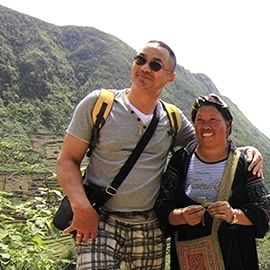
Hameaux et Villages from an administrative point of view. Lang (village) is called XA (sometimes a XA can include several lang). XOM (Hameau) is called THON (sometimes a THON can include several XOM).
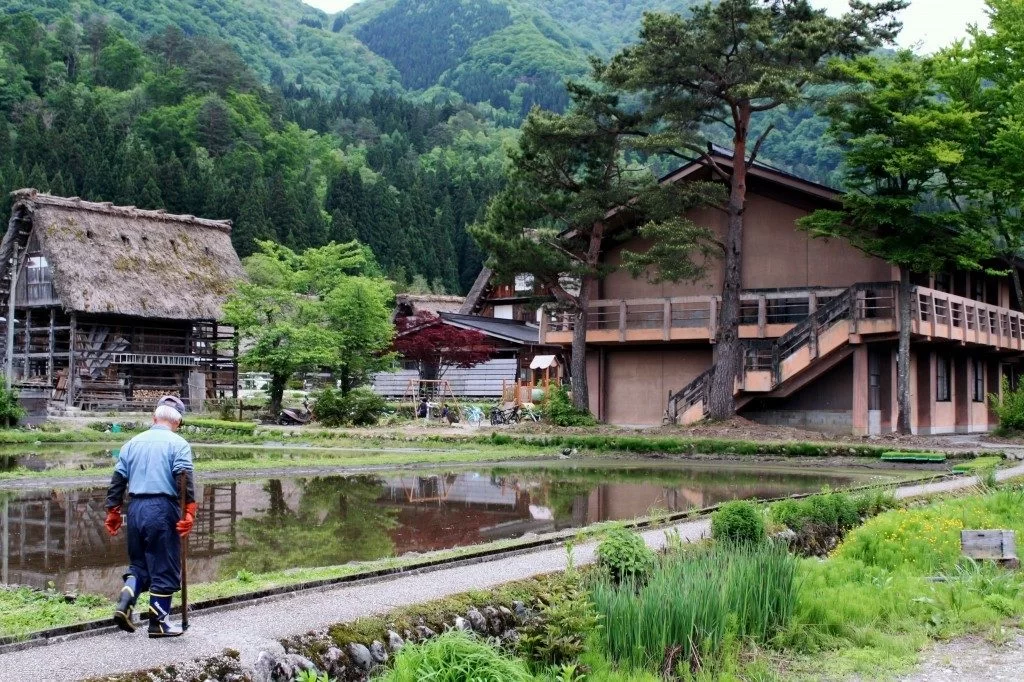
Within a XA, the clearest differentiation is the distinction between CHINH CU or NOI TICH (originaries or natives) and NGU CU or NGOAI TICH (residents or of external origin). Originaries are from the ancestral village, while residents come from elsewhere to settle there. This distinction is very strict; originaries have all rights, while residents have none: inability to register in the GIAP, obligation to live on the outskirts of the village, only being able to perform low-value jobs disdained by natives: day laborer, crier… and paying taxes and duties as well as responding to public service requisitions.
Many authors take this distinction between native and resident populations as a typical example of discrimination, of a misunderstanding of the human condition in feudal society. This viewpoint has always been supported by the fact that in popular works, resident people are often described as spiritual and quick-witted.
In reality, the opposition between native and non-native is not a product of feudalism, but a product of the agricultural cultural mechanism. It is a way to ensure the stability of villages. It tends to prevent people from abandoning their village to settle elsewhere and to limit the settlement of foreigners in the village. Any person, whoever they may be, who leaves their birthplace, will not be accepted anywhere, and risks falling into the unenviable situation of a non-native.
There is also talk of Vietnamese people, from generation to generation, being attached to their village, to the "que cha dat to" (paternal village, ancestral land), or "noi chon rau cat ron" (place where one's umbilical cord was cut and buried) as a special love for their birthplace. In reality, this is nothing other than a consequence of this distinction between native and foreigner, unconsciously felt in this need for peasant stability where one dares not leave their village, for fear of suffering the fate of foreign residents.
Today, this distinction no longer exists, but this visceral attachment to the place of one's ancestors remains strong despite the possibilities given to everyone to leave their village to settle anywhere.

The distinction between natives and foreign residents as an instrument for maintaining village stability is still manifested in the conditions for changing one's human condition to become an origin. To do this, the resident must satisfy two conditions: firstly, having resided in this village for at least three generations, and secondly, owning a minimum of real estate in the form of land or rice fields. The first condition guarantees good integration into the social environment, and the second guarantees attachment to the land: a piece of land cannot be carried away like luggage.
The CHINH CU (originary or native) population in the village is divided into 5 categories:
*/ Chuc Sac (graduated dignitaries), including laureates in competitions or those distinguished by the king.
*/ Chuc Dich (administrative dignitaries), including people with defined functions in the basic administrative apparatus.
*/ Lao (elders), including all elderly people in the village.
*/ Dinh (actives), including men in the prime of their lives in those years.
*/ Ti au (youngest), children of the village.
* If you find this article interesting and useful, please share it with your friends and those around you.
* If you wish to travel to Vietnam to discover all its beauty and charms with a 100% personalized trip, the agency TypicTravel, a local expert, offers to create a customized trip according to your wishes.
* If you are looking for travel ideas, Typic Travel allows itself to propose some main ideas according to the category of our trips:
- Essential Trips
- Off the Beaten Path
- Hiking - Trekking
- Multi-Country Tours
- Family Trips
- Themed Trips
- Photo Tours
- Deluxe Trips
- Honeymoon Trips
- Culinary Trips
- Cruises & Vacations
- Beach Stays & Short Tours
- Popular Trips
- New Favorites
You can send us an e-mail by clicking HERE or easily follow us on our social networks for permanent updates:
| Follow us on: | TripAdvisor | Facebook | Petit Futé | Youtube | Twitter | Instagram |


