




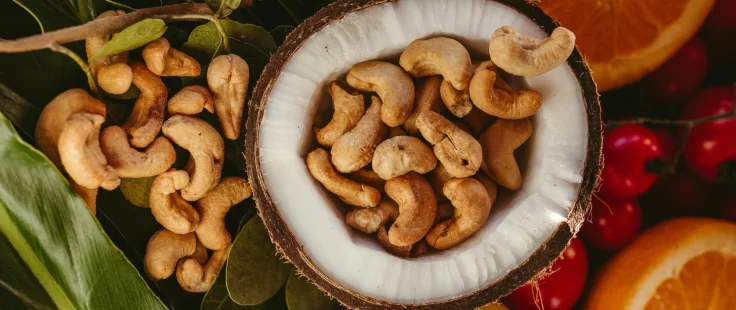
Cashew nut and its origin
The cashew nut, also known as Anacardium occidentale, is native to northeastern Brazil. The tree grows wild on beaches and some wild terrains. From the 16th century, cashew trees were brought by the Portuguese to grow in India, Malaysia, and some East African countries.

Table of Contents
Origin of the cashew tree: The cashew nut, also known as Anacardium occidentale, is native to northeastern Brazil. The tree grows wild on beaches and some wild terrains. From the 16th century, cashew trees were brought by the Portuguese to grow in India, Malaysia, and some East African countries. Today, the cashew nut is widely cultivated in tropical Asian countries
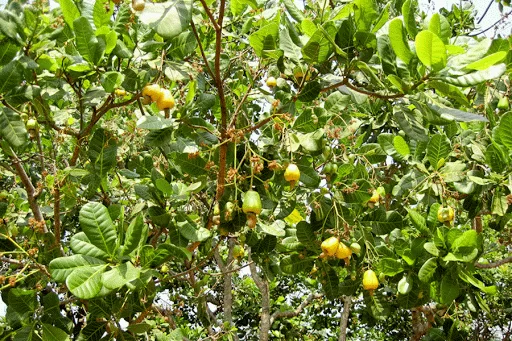
Origin of the cashew nut (noix de cajou)
The cashew tree is native to Brazil
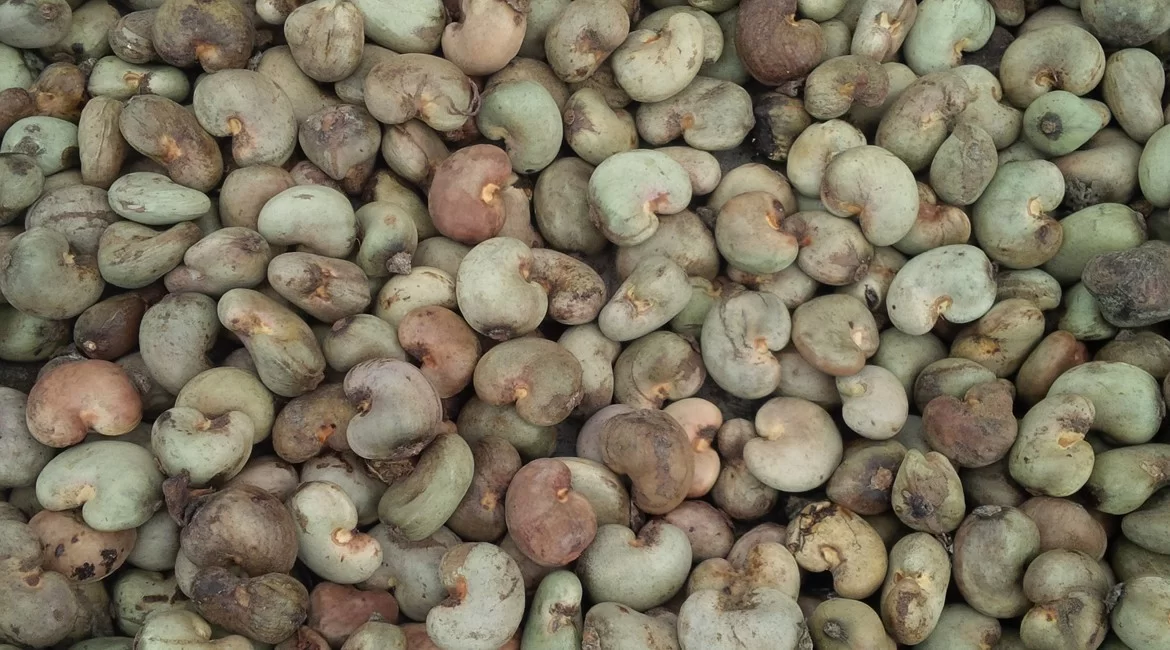
The cashew nut is generally cultivated in tropical climates with a latitude of 30 degrees north to 30 degrees south. The cashew nut is increasingly popular in up to 50 countries and the most cultivated are India, Mozambique, Brazil, Malaysia, Sri Lanka, the Philippines, Tanzania, Nigeria, and Kenya.
Vietnam is the largest exporter of cashew kernels in the world. The cashew nut is generally cultivated only in the southern provinces, especially the Central Highlands, Southeast provinces, and there are a few in the West. Currently, the provinces with the largest cashew production areas are Binh Phuoc, Dong Nai, Dak Lak, Binh Thuan, and Binh Dinh.
Nutritional value of the cashew nut
The cashew nut has a high economic value because cashew kernels contain many different nutrients, in which the fat content accounts for 44.9%, starch accounts for 19.82%, sugar is 13.48%, in addition, it also contains 2.49% calcium, iron, phosphorus, and vitamins such as B1, B2, D, E, PP,…. Cashew nuts can be processed into many different products such as cashew milk, cashew cake, salted cashews, cashew candies.
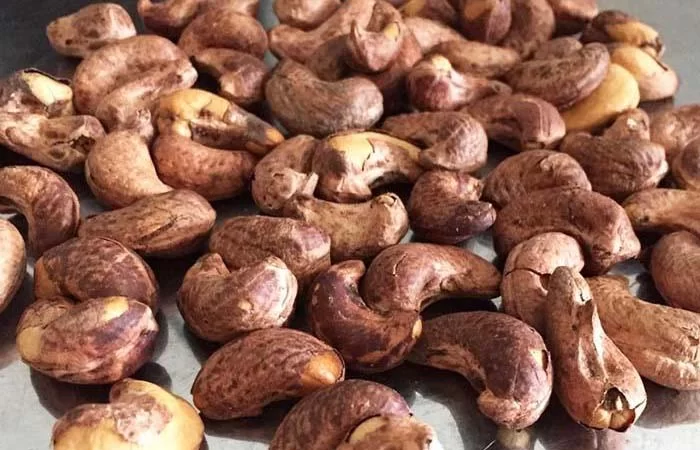
Cashew nuts are good for the cardiovascular system, bones, and joints. Eating cashew nuts every day helps reduce cholesterol, they are good for the brain too. It is a nutritious dish suitable for all ages, from the elderly, babies to pregnant women
Effects of cashew nuts
Cashew nuts contain many healthy nutrients
In addition to being used for processing instant dishes, the cashew nut can be pressed for oil, in the shell of the cashew nut generally contains 23 to 28% oil. Cashew oil is generally very flammable, has a beautiful color, so it is often used to make furniture varnishes, waterproof paints, or heat-resistant paints. In addition, cashew oil is also used in the dyeing or cosmetics industries
The cashew fruit is less exposed by many people. Only young people in the area where the cashew tree is planted can enjoy this dish, which has not been effectively exploited. According to studies on the cashew nut, the fruits contain 5 times more vitamin C than oranges, in addition to vitamin B2, minerals, proteins, sugar, and tannins are good for health. Some places have prepared things to make light wine or fermented drinks.
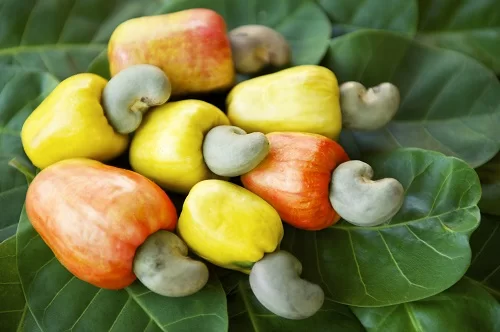
Cashew nuts have many beneficial effects on health. It is an essential dish for the family every day. Experts advise using about a small handful of cashew nuts per day (equivalent to 30 grams) is preferable.

| * If this article is interesting and useful, please share it with your friends and people around you by choosing the sharing channel below! * If you want to travel to Vietnam and truly discover it in depth with the most authentic places and the most typical cultures, we suggest you take a tailor-made trip to your wishes with a French-speaking travel agency in Vietnam like Typic Travel. Click our button "Free quote" or "Tailor-made trip" or send an email to Typic Travel * If you are simply looking for travel ideas in Vietnam or Indochinese countries, Typic Travel offers you some main ideas according to the category of our trips on "idea of our trips" or follow us on one of your social networks to get more permanent info: |
| Follow us on: | TripAdvisor | Facebook | Petit Futé | Youtube | Twitter | Instagram |


