


Hanoi, Vietnam: What to do and what to see?
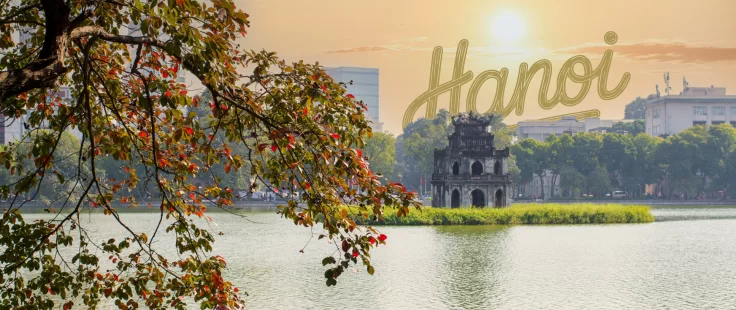
Hanoi, the capital of Vietnam, is a fascinating city that is well worth a visit. Visiting Hanoi in Vietnam means diving into the heart of a unique charm in Asia. With its long history, special culture, good cuisine, historical monuments, and welcoming inhabitants, Hanoi showcases all the charm of Vietnam.

And from this gateway to the North, you can easily discover other wonders. You can visit Sapa, Ha Giang, Ha Long Bay and Ninh Binh.
At Typic Travel, our travel agency in Vietnam based in Hanoi, we invite you to discover the historic districts. Admire the famous monuments and savor the street food. Live unforgettable experiences with us. Follow our experts so you don't miss any of the capital's must-sees!
Table of Contents
- 1. History and culture
- 2. Hanoi and its different neighborhoods to explore
- 3. What to do and what to visit in Hanoi: our must-sees
- 4. Paradise of street food and flavors
- 5. Where to sleep: our selection of accommodations
- 6. Excursions and destinations near Hanoi
- 7. When to come to Hanoi: weather and events by season
- 8. Practical tips and travel tricks
1. History and culture
Unlike Ho Chi Minh City which was founded only 300 years ago, Hanoi was chosen as the capital more than 1000 years ago. The city has experienced great historical periods. These periods have shaped its identity.
These include the reign of the Ly and Tran emperors, French colonization, and the wars of independence. Hanoi preserves a unique architectural heritage. This heritage blends Vietnamese, Chinese, and French influences.
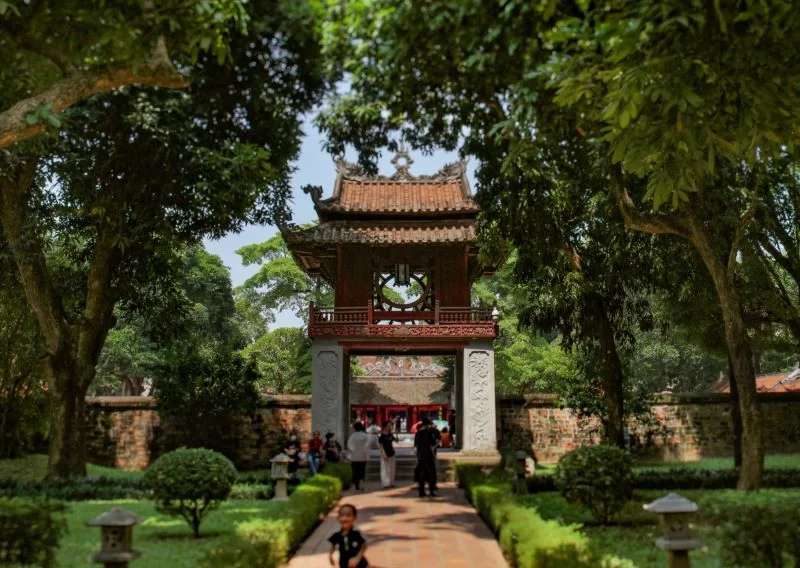
There are many historical sites to visit. The Temple of Literature is Vietnam's first university. It was built in the 11th century. Ho Chi Minh Mausoleum is where the father of independence rests. The Imperial Citadel was an ancient center of political power.
Hanoi also has many interesting museums. The Museum of Ethnology showcases the great cultural diversity of Vietnam.
| Did you know? The Temple of Literature is considered the cradle of Confucianism in Vietnam. Even today, Vietnamese students come here to make offerings before their exams to attract luck and success. |
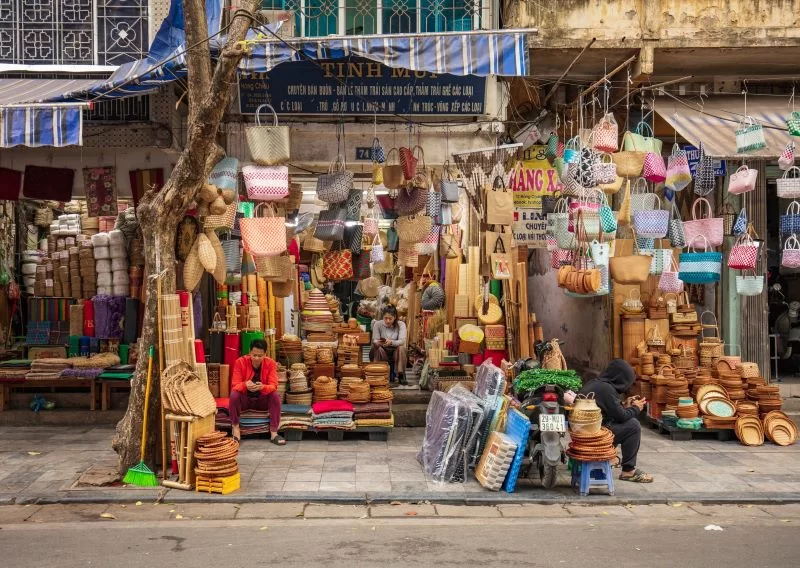
The capital is also the birthplace of traditional crafts and know-how passed down through generations. In the old quarters, you can still see artisans at work. There are lacquerware makers, embroiderers, and mother-of-pearl object makers. It is a living heritage to discover absolutely.
| Typic Travel Tip: For an immersion in local craftsmanship, we offer private meetings with master artisans. They will introduce you to their ancestral art during small group workshops. A privileged cultural experience to find with Typic Travel. |
2. Hanoi and its different neighborhoods to explore
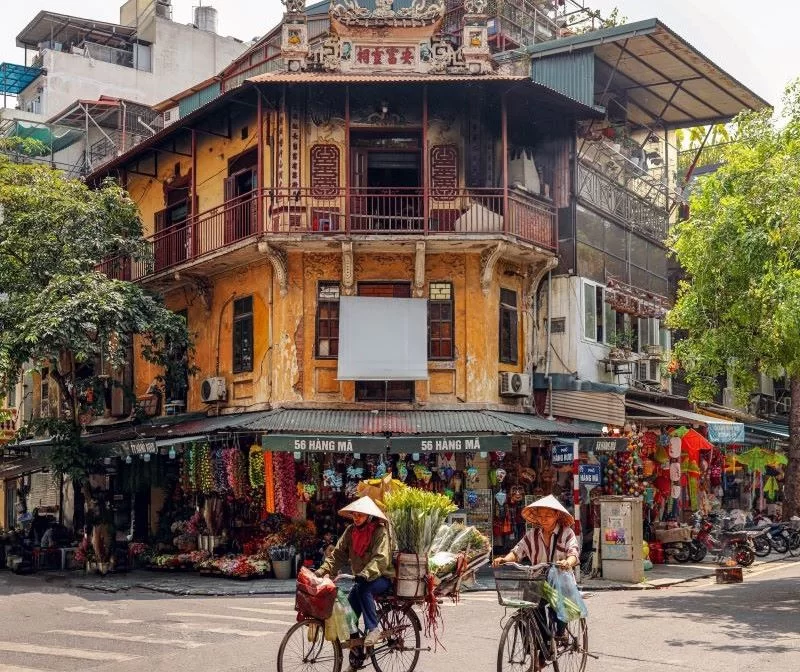
Hanoi is a city with many faces, each neighborhood having its own atmosphere and attractions. The most famous is surely the Old Quarter or the old city. It is a labyrinth of lively alleys, a legacy of the historic "36 streets and guilds" quarter where each street once corresponded to a trade. They are surrounded by traditional houses, called "tube houses", and small temples. It is the historical and commercial heart of Hanoi where you can soak up the hustle and bustle of local life.
| Did you know? The Old Quarter was once organized into trade guilds. Each street had a specific trade. This is why they bear names such as Silk Street, Cotton Street, and Paper Street. These trades have almost disappeared. However, the layout of the alleys near Hoan Kiem Lake is still there. |
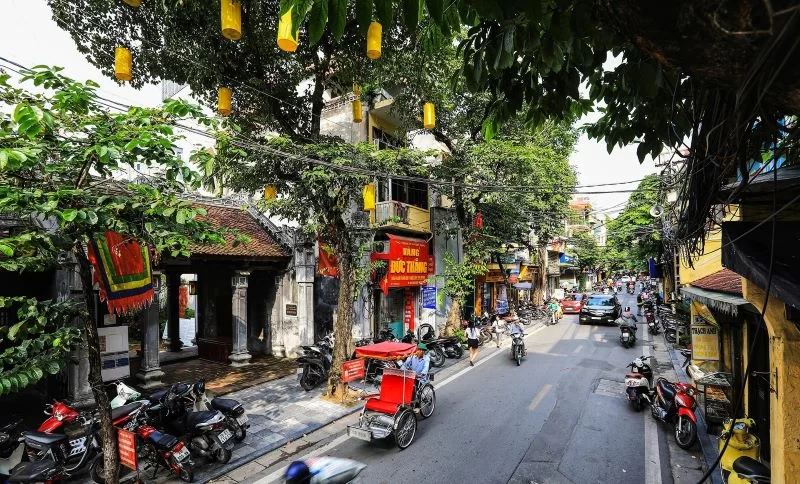
| Our tips: To learn all about the fascinating landscape of Hanoï, follow our tour Vietnam in the Dream of the World. Our experts will reveal how the city has developed over the centuries. Book quickly on our page Custom Quote. |
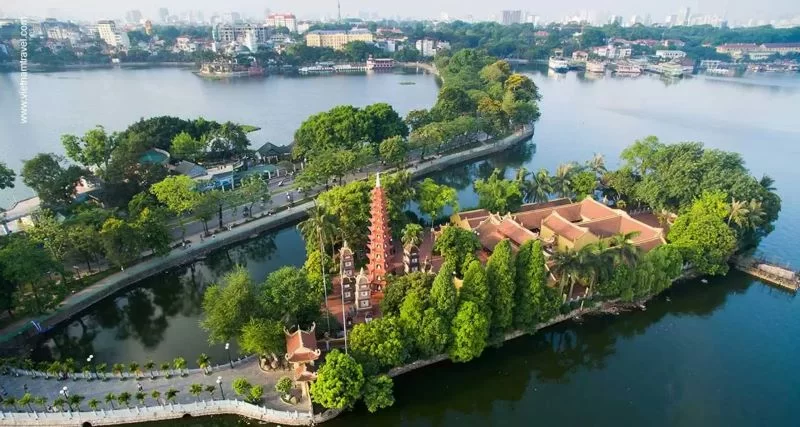
Hesitating between Hanoï or Ho Chi Minh City? Check out our blog now!
3. What to do and what to visit in Hanoï: our must-sees
Hanoï has a lot to offer. Among the must-sees in the city center, don't miss:
- The Temple of Literature, a splendid example of traditional architecture
- Ho Chi Minh Mausoleum, a place of pilgrimage for Vietnamese, next to the presidential palace and Ho Chi Minh's stilt house
- The One Pillar Pagoda, an architectural Buddhist jewel
- Ngoc Son Temple, on an islet of Hoan Kiem Lake
- The Fine Arts Museum in a colonial building
- The Central House of Ceramics and its pottery workshops
- The Museum of Ethnography and its life-size traditional houses
- Long Bien Bridge, a witness to history, the first bridge in Hanoï over the Red River.
| Our tips: To be sure not to miss anything, let us organize your day with Typic Travel including a private van, private guide and site entrances. Simple and efficient. |
As for activities, there's something for everyone:
- Attend a traditional water puppet show or Ca Tru (ancient singing)
- Take a cooking class to unlock the secrets of Vietnamese gastronomy
- Go for a bike ride in the bucolic surroundings of Hanoï
- Learn Vietnamese martial arts at a local club
- Go shopping at Dong Xuan covered market
| Did you know? Water puppets were a popular entertainment in the villages of the Red River Delta. They allowed farmers to relax after hard work in the rice fields. The lacquered wooden puppets seem to glide on the water, animated by master puppeteers hidden behind a curtain. |
Enough to create a rich and varied program so you don't miss anything in Hanoï!
4. Paradise of street food and flavors
Food lovers will not be disappointed: Hanoï is one of Asia's gastronomic capitals. Its renowned cuisine highlights fresh, fragrant, and balanced flavors between salty, sweet, and sour.
Start your culinary exploration with Hanoï's unmissable street food:
- Phở, beef noodle soup flavored with coriander and ginger
- Bánh Cuốn, rice crepes filled with minced pork and black mushrooms
- Bún Chả, grilled pork served with rice vermicelli and aromatic herbs
- Bánh Mì, delicious sandwiches in a crispy baguette
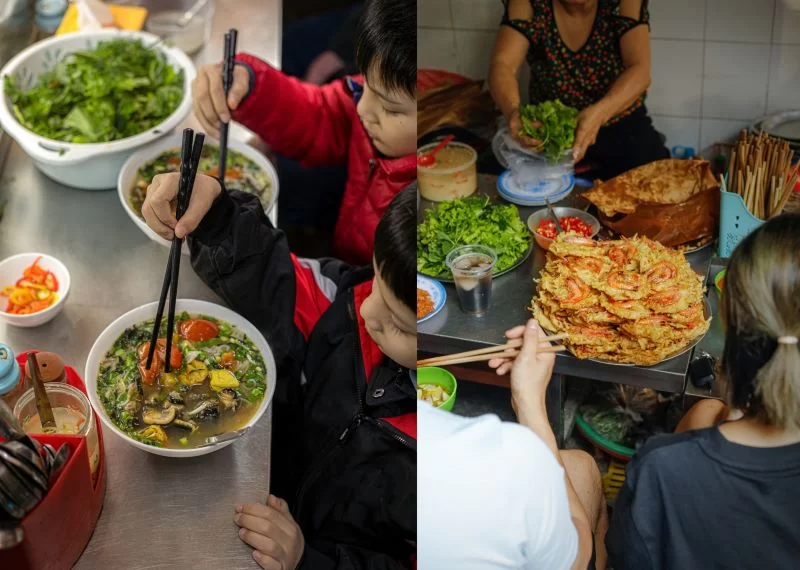
| Our tips: To taste the best local specialties without health risks, follow one of our gastronomic tours with a gourmet guide. You will discover the best addresses and family recipes, while exploring the city in a fun way. |
To taste these delights, follow the locals to small street restaurants. Especially go around the Old Quarter or Đồng Xuân market. You will discover the authenticity of savory popular cuisine. The bravest might try egg coffees (Cà Phê Trứng) or salted lemon juice coffees (Cà Phê Chanh Muối). These are amazing Hanoï specialties.
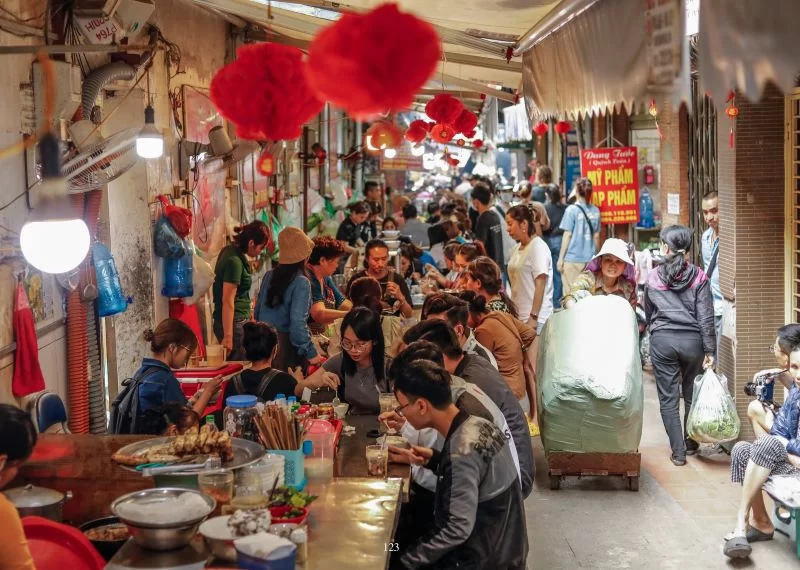
| Did you know? Coffee was introduced to Vietnam by the French at the end of the 19th century. Since then, the country has become the 2nd largest coffee producer in the world, developing unique roasting methods and recipes. Vietnamese people drink their coffee in tiny cups, sitting on small plastic stools and taking the time to chat. |
5. Where to stay: our selection of accommodations
Hanoï offers a wide choice of accommodations for all tastes and budgets. Fans of luxury hotels will love historic places like the Sofitel Legend Metropole. This hotel has hosted celebrities such as Charlie Chaplin and Jane Fonda.
| Our tips: For a high-end stay, discover our selection of the Best luxury hotels in Hanoï. The legendary French service and historic buildings will charm you. |
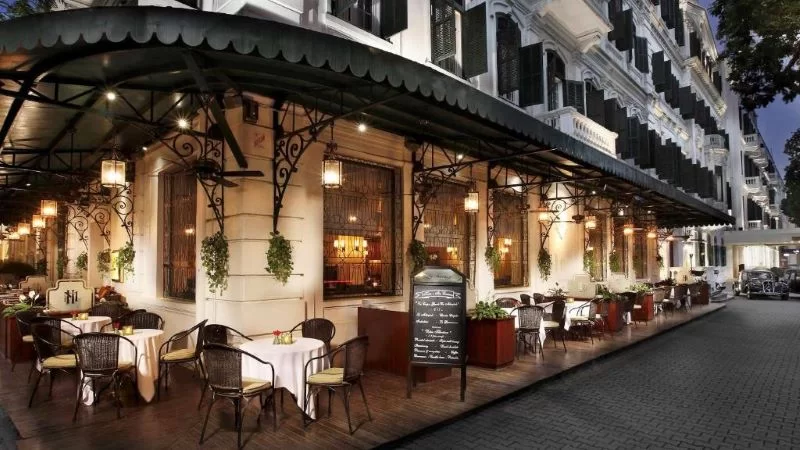
Travelers looking for typical experiences will opt for small family hotels in the Old Quarter, where warm hospitality takes precedence over luxury. Backpackers will find what they're looking for in the multitude of hostels, guesthouses, and guest houses offering dorms and rooms at low prices.
Finally, those who enjoy unique experiences can try a homestay with locals. They can also choose to sleep with Buddhist monks or spend a night on a traditional junk.
| Did you know? Many guesthouses in Hanoï are actually old "tube houses," traditional buildings that are very narrow but rise several stories. Stay there for an authentic and historic experience. |
6. Excursions and destinations near Hanoï
Hanoï is the ideal starting point for many exciting day trips or multi-day excursions. The must-see is of course Halong Bay, a sublime bay dotted with rocky peaks where you can sail on traditional junks. For a more private experience, head to Lan Ha Bay, equally breathtaking.
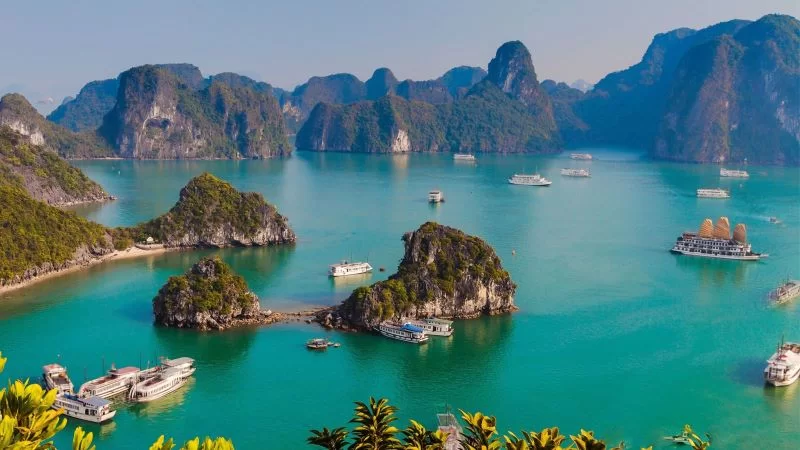
| Typic Travel's tip: Avoid mass cruises and opt for one of our Halong Bay cruises. Aboard small charming junks, discover private bays while enjoying exclusive activities (tai chi, kayaking in caves...). |
Nature lovers will be captivated by the terraced rice fields and mountainous landscapes of Sapa or Pu Luong, where you can hike to meet ethnic minorities. The sacred Buddhist site of Parfum Pagoda, located in the heart of a karst massif, will appeal to spirituality enthusiasts.
Not to mention Ninh Binh, with its spectacular rocky peaks emerging from the rice fields, nicknamed the "Halong Bay on land". A feast for the eyes.
7. When to visit Hanoï: weather and seasonal events
Hanoï enjoys a subtropical climate with 4 distinct seasons. Spring (February to April) offers mild temperatures (18-23°C) and nature in bloom, perfect for walks. It is also the period for festivals like the cherry blossom festival at West Lake.
| Our tips: Spring is high season in Hanoï. To avoid crowds, prefer a weekday stay and book your visits in advance. Our team can organize your trip from A to Z. |
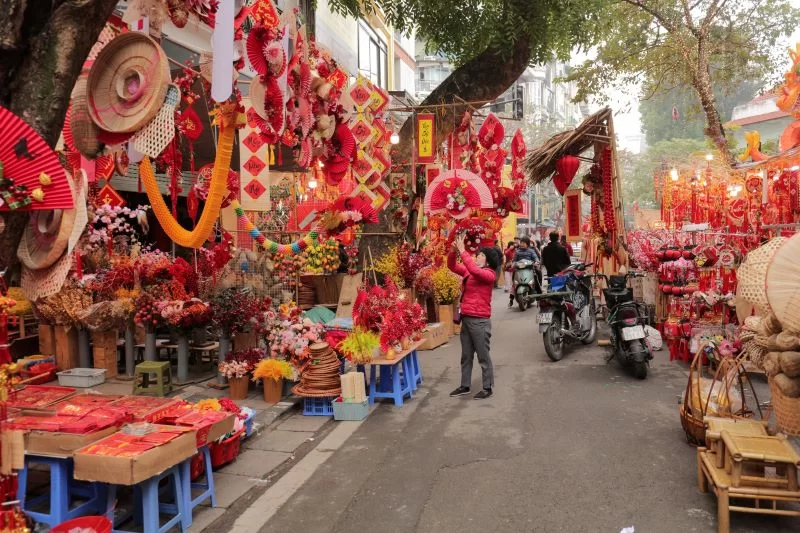
Summer (May to August) can be hot (28-35°C) and humid with sudden downpours. Parks then offer nocturnal activities to enjoy some coolness.
Autumn (September to November) is pleasant with sunny weather and mild temperatures (22-28°C). It is the ideal season to visit, with many cultural events such as the Mid-Autumn Festival.
| Our tips: To experience the Mid-Autumn Festival in Vietnam, contact our experts in tailor-made trips. It's a unique opportunity to attend the lantern festival and taste the famous "moon cakes". |
Winter (December to February) is cooler, sometimes foggy (15-20°C) with a poetic atmosphere, conducive to meditative strolls. The Lunar New Year at the end of January is an occasion for colorful festivities.
8. Practical advice and travel tips
What events and festivals are currently taking place in Hanoi?
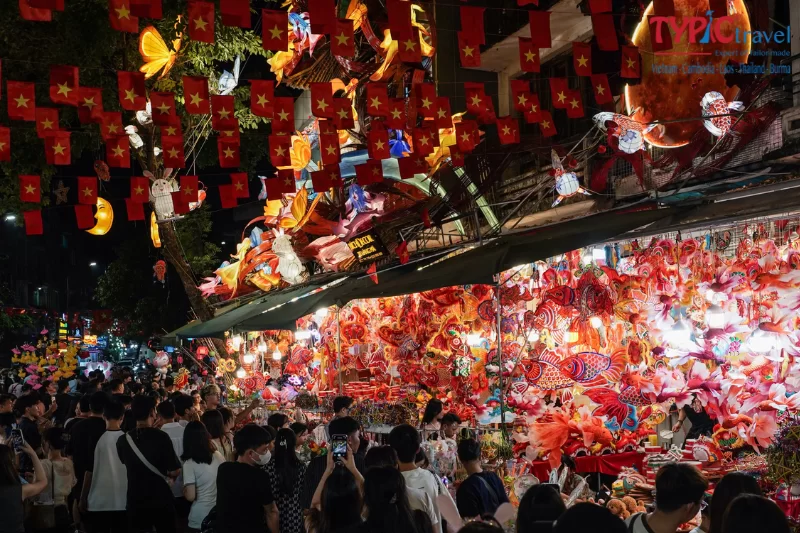
The Mid-Autumn Festival is one of the most important and traditional festivals in many Asian countries, including Vietnam. Historically, it was an occasion to celebrate the end of the harvest. Today, it is a festival for children in Vietnam: they go out on the full moon night, carry star lanterns, and enjoy moon cakes.
The Mid-Autumn Festival will take place annually on the 15th day of the 8th lunar month. In 2025, it will take place on Monday, October 6, 2025.
Some useful tips to prepare for your stay in Hanoi:
- Visa: most foreign nationals need a visa to enter Vietnam. It can be easily obtained online (e-visa) or at the embassy. For more information, consult our formalities and visas page.
- Getting around: traffic in Hanoi can be chaotic. Prefer a taxi (G7 group) or motorbike taxi (Grab application) for short distances. Our travel advisors can also book a vehicle with a driver for you.
- Health: plan for travel insurance covering medical expenses. Hanoi has hospitals of international standards (Hôpital français de Hanoi, ...)
| Did you know? Drinking coffee or beer is safer than tap water, which is still not very potable in Hanoi. Remember to use ice cubes for your drinks. And don't miss tasting Vietnamese iced coffee, a delight! |
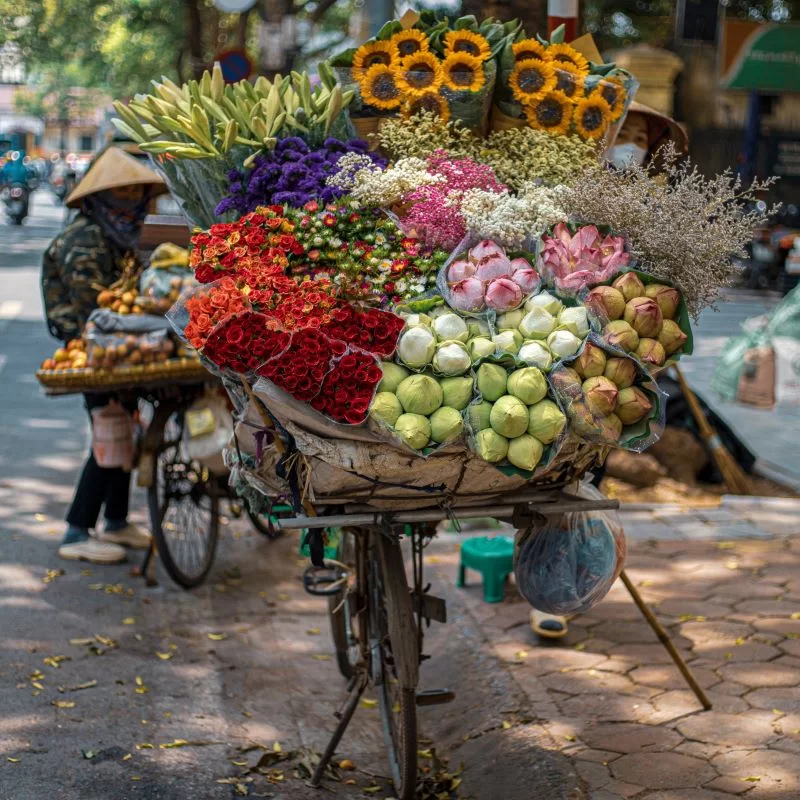
- Shopping: the Đồng Xuân market is full of local products at low prices (spices, coffee, silk, lacquer...). For an original gift, bring back lacquerware or embroideries. Our experts will advise you on the best shops.
- Applications: install Google Maps (navigation), Google Translate (with offline mode for Vietnamese), and Grab (local VTC) on your smartphone. Essential tools for your stay.
- Where is Hanoi and how to get around? To answer the question "where is Hanoi?", the capital is located in the north of the country, in the heart of the Red River Delta. To easily find your way, do not hesitate to use a map of Hanoi. Applications like Google Maps are very effective for navigating the labyrinth of the Old Quarter.
Map and central area of Hanoi
| Our tips: To travel with peace of mind, opt for our 7/7 French-speaking assistance service. A problem, a question? Our local experts are available to you at all times and can even come to you to help. A real plus. |
Follow our advice and let our experts guide you for an unforgettable stay in Hanoi!
The essentials about Hanoi
- Founded in the 11th century, Hanoi has been the capital of Vietnam since 1010
- With 8 million inhabitants, it is the 2nd most populous city in the country
- It is located in the north, in the Red River Delta
- The climate is humid subtropical with 4 seasons
- Nội Bài International Airport connects it to major cities in Asia and the world
- Hanoi is renowned for its cafes, a legacy of French colonization
In summary
The city of Hanoi is a place of striking contrasts: ancient temples defy glass towers, the hustle and bustle of the streets calms down by the lakes, and the city's agitation vanishes at the gates of a pagoda. A concentration of history, culture, and bustling life to experience intensely during a trip.
From the majestic beauty of Halong Bay to the emerald rice fields of the Mekong Delta, Vietnam boasts wonders. So take advantage of your stopover in Hanoi to explore the rest of this fabulous country. The Typic Travel team, your French-speaking travel agency in Hanoi, remains at your disposal to create a tailor-made trip perfectly adapted to your desires. See you soon for new Vietnamese adventures!


PJUpHhmDJpNASROz