

Buddhism
Vietnamese Buddhism: by far the leading religion in Vietnam. Its origins date back to the 2nd century AD, when it was introduced to Vietnam. Despite their pacifism and hostility to the government of the time, many bonzes were arrested and deported to "re-education" camps after the communist victory in 1975. Several bonzes are still imprisoned today. The repression continues, even if it has softened since the country opened up in 1992...
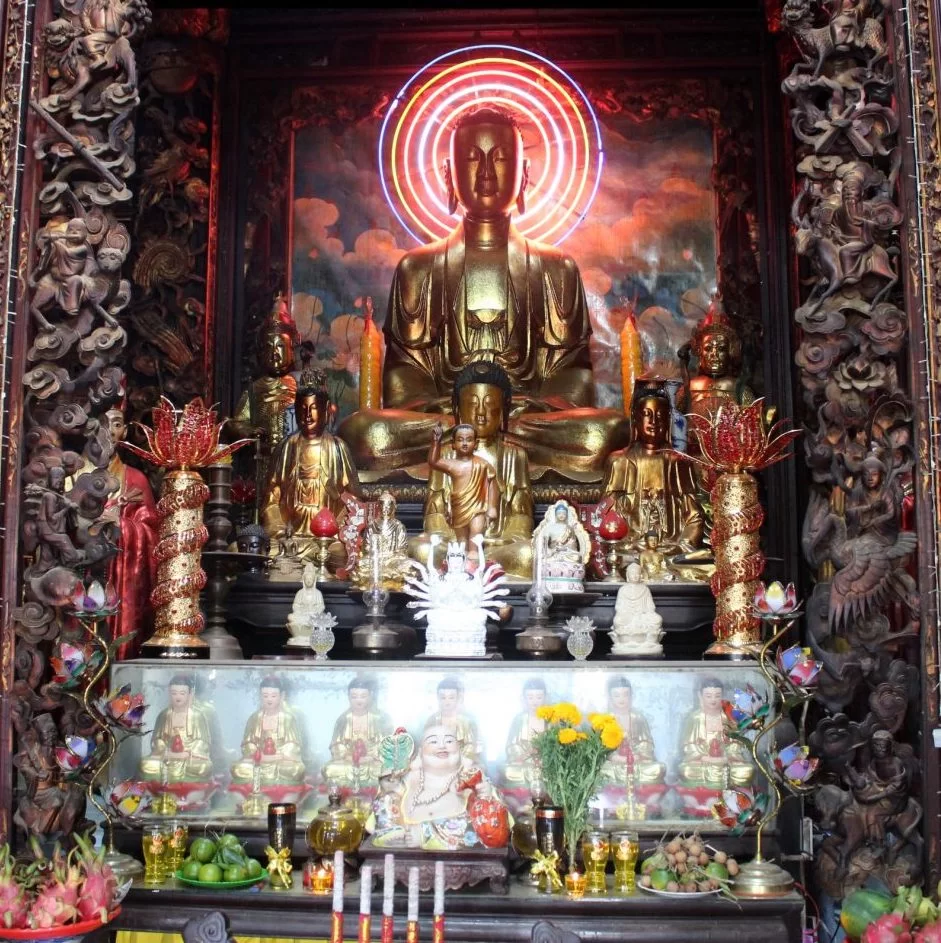
Buddhism has increasingly taken on a popular hue. Having entered daily life, it has lost much of its asceticism. The Tu Phap (Four Powers of the Doctrine) pagoda of Luy Lâu blended the worship of Buddha with the primitive cult of Fertility (goddesses of Rain, Clouds, Lightning, Thunder). This syncretism gave rise to architecture reserving the front of the pagoda for Buddhas and the back for non-Buddhist spirits. In the same building, all kinds of spirits keep good company.
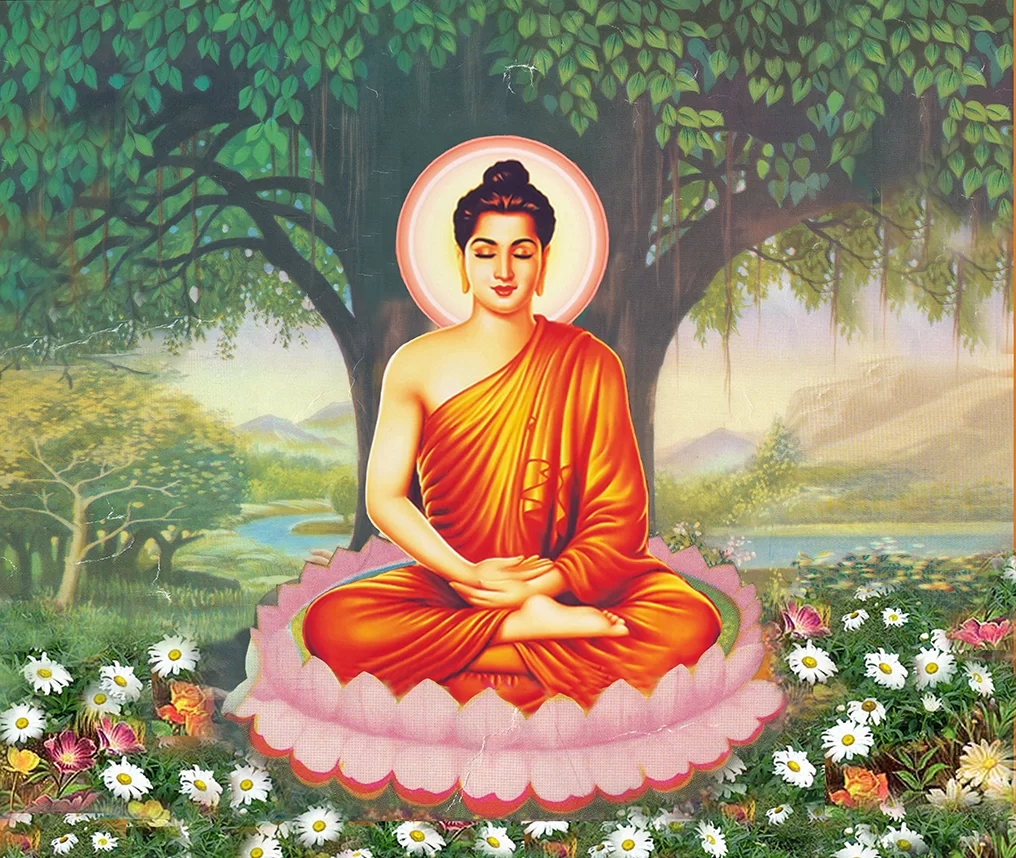
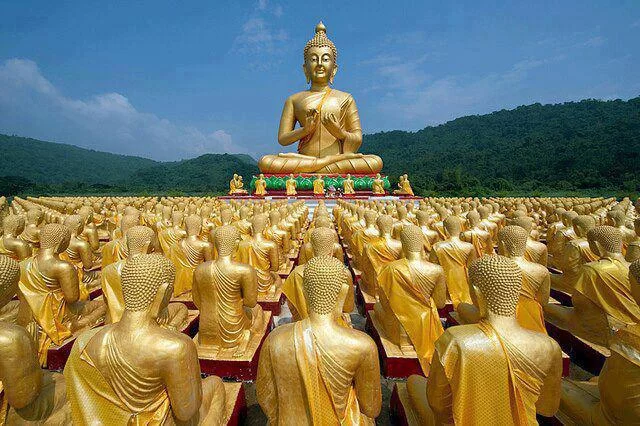
Vietnamese Buddhism, with a predominant Chinese influence, belongs to Mahayana (Great Vehicle).
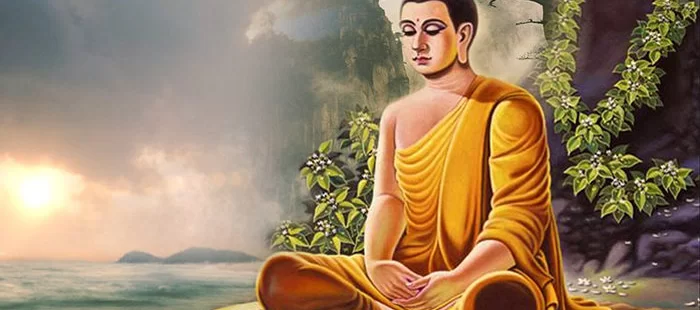
The word Buddha (in Sanskrit: the Awakened) becomes But in the language of the people (in Sino-Vietnamese terms: Phât Đà or Phât, in the Muong language: But duc, But cai). Far from being a supernatural being lost in the clouds, the But lives among the people, answers their call, and comes to the aid of the underprivileged.
Northern Buddhism (Bac Tông) was brought by Indian and Chinese missionaries. Three stages: 1) The Indian monk Vinaturic in 580; Phap Vân or Tri Phap pagoda. (Luy Lâu), 19 generations. 2) The Chinese monk Vô Ngôn Thông (in 820), Phu Đông village pagoda, 17 generations. 3) The Chinese monk Thao Duong (in 1069), Khaï Quôc pagoda (Thang Long, Hanoi), 6 generations.
These three currents bear the mark of Zen (Thiên, Dhyana) but also introduce Amidism (Tinh dô tông=Amitabha's Pure Land) and Tantrism (Mât tông). If Thiên is reserved for scholars, Amidism is suitable for the common people who are content to regularly go to the pagoda to repeat the name of A di dà (Amitabha). As for Tantrism, it is tinged with magic and superstitions.
From the 16th to the 19th century, we note the Lotus sect (Liên tôn) based at Bà Da pagoda (Hanoi) and Liên Phai pagoda (Hanoi).
The Ly-Trân period (11th-14th century) saw a great boom in Buddhism. The Vietnamese Thiên (Zen) sect was created by King Trân Nhân Tông (1258-1368) who was succeeded by the patriarchs Phap Loa and Huyền Quang. Beautiful pagodas from this period are preserved: Phât tich, Dam (Bac Ninh), One Pillar Pagoda (Hanoi), Quynh Lâm (Quang Ninh), Phô Minh (Nam Dinh).
Upon entering Vietnam, Buddhism became Vietnamese. More than one Indian Buddha transitioned from male to female. The goddess Quan Âm (Avalokiteshvara) is an example. Undoubtedly, the social position of women in the ancient matriarchal society of Vietnam played a role in these metamorphoses. Quan Âm Nam haï (of the South Seas) who protects navigators is also worshipped, along with the Mother Goddess Liêu Hanh, Man Nuong, Thi Kinh...
In the North, monks wear brown cassocks; in the South, they prefer yellow (sometimes also brown, blue) in the manner of the mendicant monks of Laos or Cambodia.
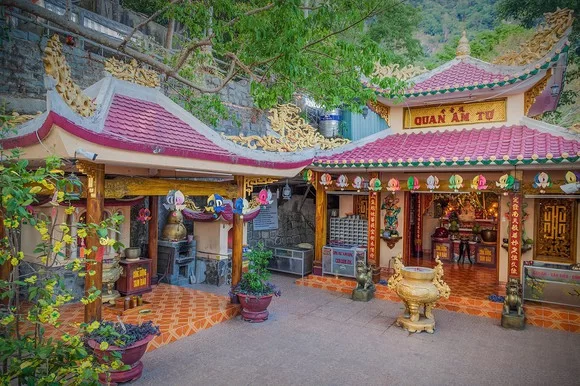
Buddhism coexists well with Confucianism and Taoism. Despite cultural exchanges with the West in the 19th and 20th centuries, it remains a popular and traditional religion. Compassion forms its spiritual core. The heart matters more than the outward manifestations of worship. Hasn't a proverb said: "Firstly, it's worship at home, secondly, at the market, and lastly, at the pagoda"? The number of Buddhists totally attached to the pagoda amounts to 3 million, those who frequent the pagoda 10 million, and sympathizers are much more numerous. The Vietnam Buddhist Sangha unites all the faithful in the country.
* If you are interested in this article and find it useful, please share it with your friends and people around you.
* If you wish to travel to Vietnam to discover religions and Buddhism, as well as all its beauty and charms with a 100% customized trip, the TypicTravel agency, a local expert, offers you a tailor-made trip according to your wishes.
* If you are looking for travel ideas, Typic Travel allows itself to propose some main ideas according to the category of our trips:
- Hiking - Trekking
- Multi-Country Tours
- Family Trips
- Themed Tours
- Photo Tours
- Deluxe Tours
- Honeymoon Trips
- Culinary Tours
- Cruises & Vacations
- Beach Stays & Short Tours
- Popular Tours
- New Discoveries
You can send us an email by clicking HERE or easily follow us on our social networks for permanent updates:
|
Follow us on:
|
TripAdvisor | Facebook | Petit Futé | Youtube | Twitter | Instagram
|