


Traditional musical instruments in Vietnam
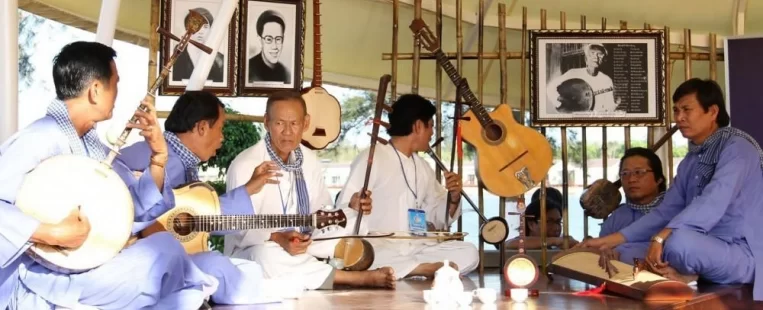
Throughout its life and history, Vietnam has preserved to this day many musical instruments of all kinds, from the simplest forms to those with quite advanced developments with sophisticated performance techniques. From north to south, there are distinct musical melodies that create an unmistakable characteristic of the identity of each region, bringing together innovative instruments with indigenous features.
Table of Contents
- 1. The "Dan Co" - traditional musical instrument
- 2. The bamboo flute
- 3. The Dan Tam Thap Luc (traditional Tam Thap Luc instrument, ancient guitar)
- 4. The Monochord (Dan Bau)
- 5. The Cong Chieng (Gongs and Chiengs)
- 6. The Khen (minority flute)
- 7. The T'rung (bamboo instrument of ethnic groups in the highlands)
- 8. The Dan Day (long-necked instrument, traditional guitar)
- 9. The Dan Da (stone instrument)
- 10. Song Loan (bell instrument)
- 11. The Senh Tien (hand percussion instruments)
Music is an indispensable spiritual trait in the life of the Vietnamese people. Throughout its life and history, Vietnam has preserved many musical instruments of all kinds, from the simplest forms to those with quite advanced developments and sophisticated performance techniques. From north to south, there are distinct musical melodies that create an unmistakable characteristic of the identity of each region, bringing together innovative instruments with indigenous characteristics. In addition, there are musical instruments that have been imported but have been nationalized and localized to suit Vietnamese musical aesthetics. Discover some traditional Vietnamese musical instruments with Typic Travel during your trip to Vietnam!
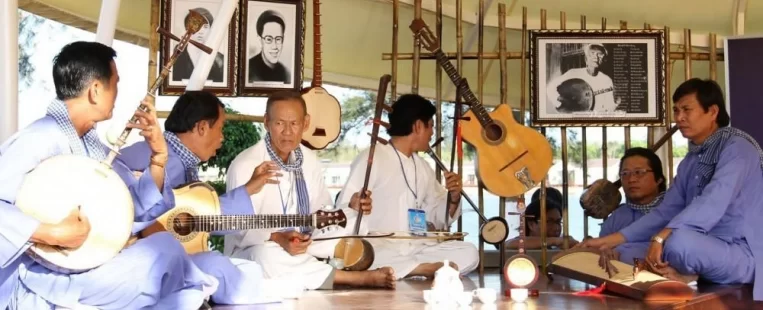
1. The "Dan Co" - traditional musical instrument
The Dan Co has a wider range than 2 octaves, the sound is clear, bright, soft, close to high-pitched singing (metallic voice). The stork plays a key role in Hat Xam, is a member of the eight sounds of the hall, elegant orchestra, chau van orchestra, amateurs and synthesizer orchestra.
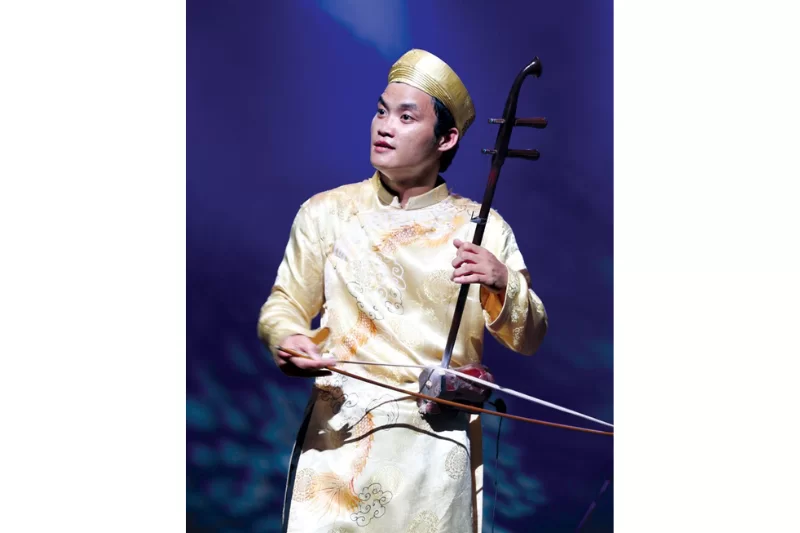
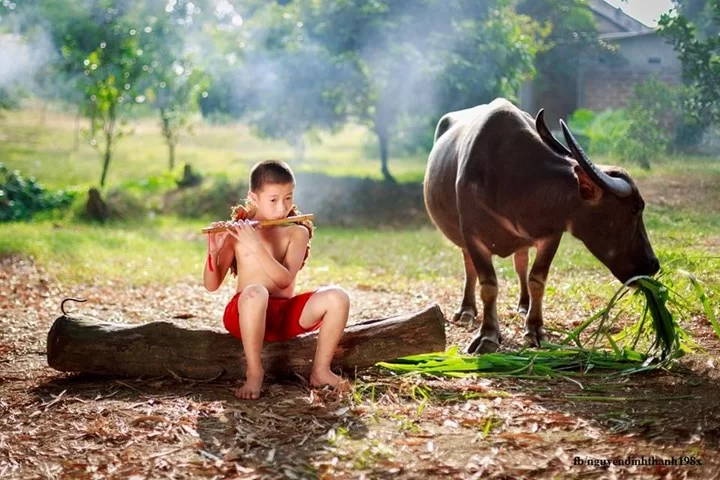
2. The bamboo flute
From the past to the present, the bamboo flute has always been attached to the cultural and spiritual life of the Vietnamese people. The bamboo flute can play solo in many complicated ways. It can also play with traditional orchestras, symphonies, soft music and chamber music. The material used to make this musical instrument is bamboo or bamboo with a diameter of about 1.5 cm and a length of 30 cm. The body of the tube is cut with a blowing hole with a reed, and has 6 or 10 finger holes. The bamboo flute can express many shades of emotions with a wide range of more than two octaves.
3. The Dan Tam Thap Luc (traditional Tam Thap Luc instrument, ancient guitar)
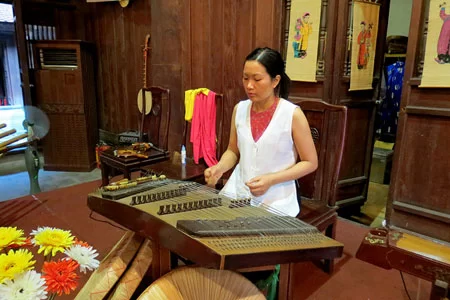
The Vietnamese Dan Tam Thap Luc originated in Persia, called santur, and was made around the 12th century, until about the 18th century, it was introduced to Southeast Asia. The instrument plays an important role in orchestras for the cheo and cai luong stage, it can accompany singing, solo and participate in the general national orchestra. The instrument has a trapezoidal surface made of light, porous wood. The piano, the wall made of hard wood. The left keyboard has 36 hooks for hanging, the right neck has 36 axes for tuning. The string is made of metal, the string is composed of two thin bamboo bars. The sound of the three hexagons is quite wide, about 4 octaves.
4. The Monochord (Dan Bau)
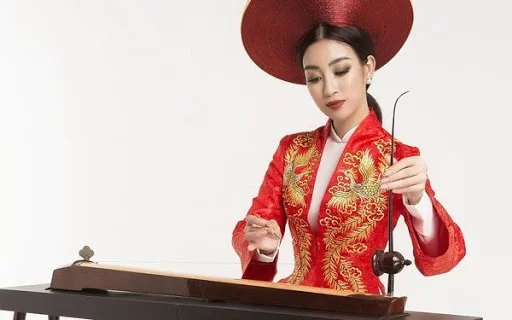
The Monochord is popular in traditional Vietnamese orchestras. The instrument is divided into two categories: instruments with bamboo bodies and wooden boxes. The instrument has only one string, the length of which runs through the body. The string was made of silk, later replaced by wire, the neck was formerly made of bamboo, now often replaced by buffalo horn. The gourd is made from the bark of a dry gourd or convenient wood, shaped like a gourd. The string is made of bamboo or wood and is placed near the player's side. The picking stick is heeled by stretching or parallel, pointed and made of cotton. It is this cotton fiber that makes the sound warmer.
5. The Cong Chieng (Gongs and Chiengs)
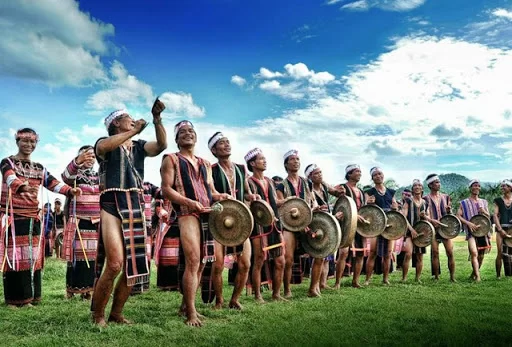
The Cong Chieng is present in most ethnic groups in Vietnam, dating back to the Dong Son bronze culture. The Cong Chieng is associated with the Central Highlands as an indispensable part of each person's life cycle; the gong music of the Central Highlands is an artistic value that has asserted itself in socio-cultural life. The timbre is cast with copper and a lead alloy. The type with a knob is called Cong Chieng, without a knob, it is called Chieng; the lower the sound, the lower the voice, the higher the sound.
6. The Khèn (minority flute)
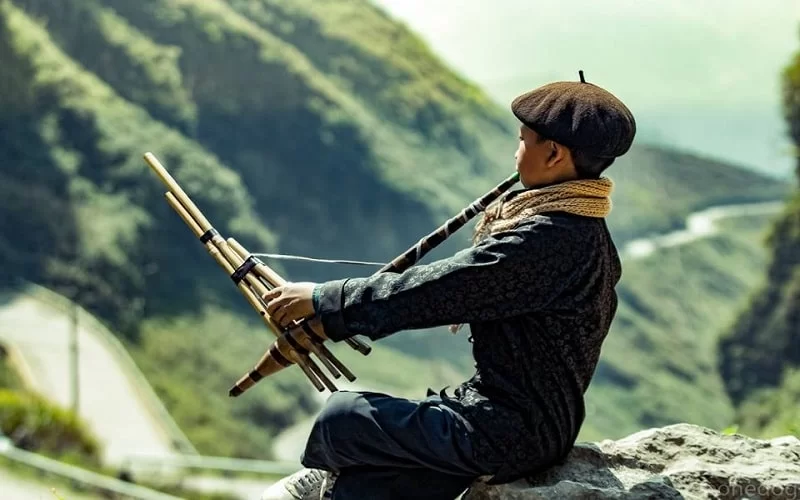
Both a musical instrument and an accessory, as well as a means of connecting the community, sharing emotional feelings, and helping cultural subjects sublimate with a spirit of optimism and love for life. The steam adjustment nut has a rather complex structure, composed of many structural pipes side by side. One end plugs through the corn-shaped colony to form a resonance box. The raft is thin and sharp, and each tube emits a certain tone. Inside the tube is a thin copper or silver reed. The khèn is a polyphonic musical instrument with a wide range of about 1.5 octaves and a long-lasting sound.
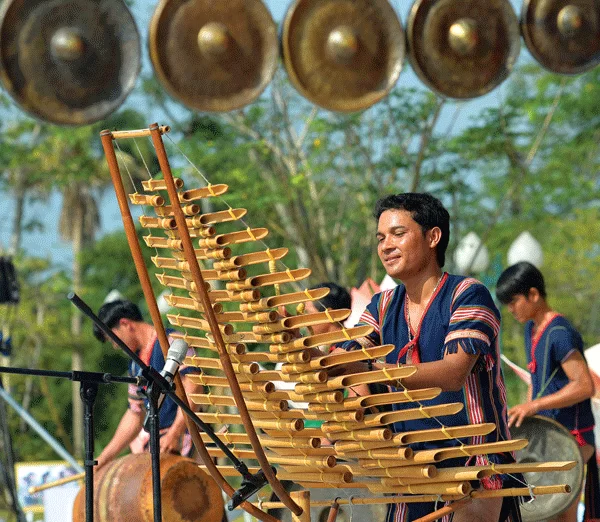
7. The T'rung (bamboo instrument of ethnic groups in the highlands)
T'rung is a popular percussion instrument in the Central Highlands, Vietnam, composed of a number of bamboo tubes of different sizes. In folklore, the herd has only 5 to 7 giant umbrellas of different lengths and short cuts. A professional T'Rung has about 12-16 tubes aligned on the shelf. When you use the stick to strike the tubes, it will create different highs and lows depending on the volume, small, long, and short of the tube. The large and long tubes emit bass, while the small and short tubes have the treble. The timbre of T'rung is a little murky, the sound does not resonate loudly, resonates far but is quite special.
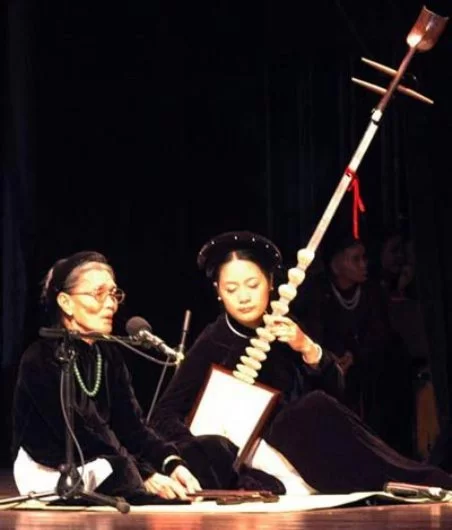
8. The Dan Day (long-necked instrument, traditional guitar)
The Dan Day is a traditional Vietnamese musical instrument, not only unique in its shape and sound, but also combined with other instruments such as the beat and drum, creating a famous type of ca tru. The Dan Day has 3 strings, the neck is very long and the back of the soundboard has a large hole, there are 4 main parts: gourd, neck, head, strings. The Dan Day has a vocal range wider than 2 octaves, the warm tone is soft and can express deep feelings.
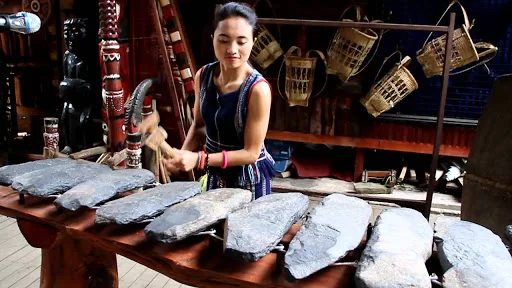
9. The Dan Da (stone instrument)
The Dan Da is the oldest percussion instrument in Vietnam and one of the oldest in humanity. The piano is composed of stone bars of different sizes: long, short, thick, and thin. The long, large, and thick stone bar has a low range, while the short, small, and thin stone has the sound. Inanimate and inanimate stones are transformed into wonderful musical instruments. From these stones, the great voice of the Central Highlands still resonates today.
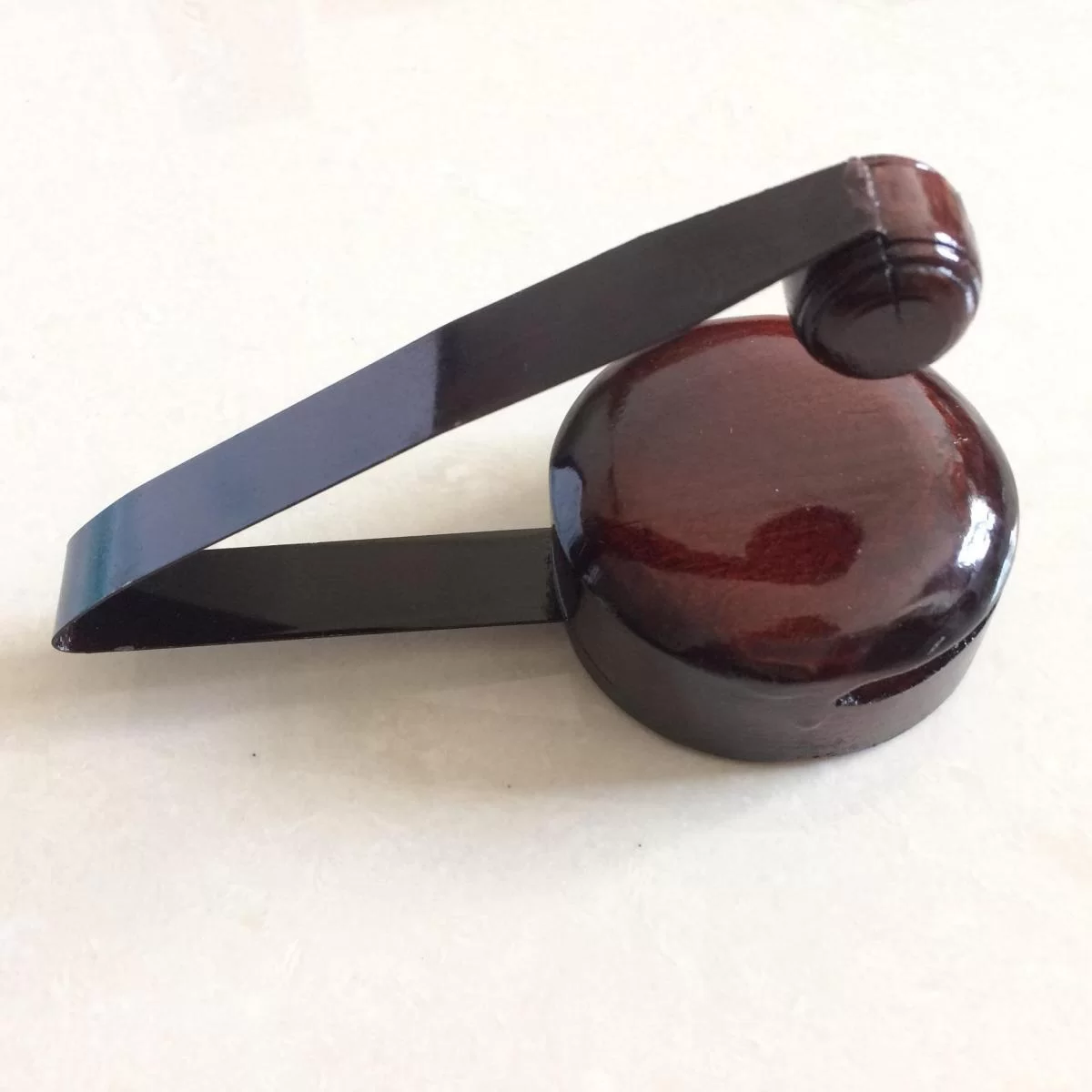
10. Song Loan (bell instrument)
Song Loan (also known as song lang, song lan) is a symbol in amateur and reform orchestras; it plays a very important role in keeping time for other instruments that keep the rhythm. All musicians must follow the song lang's signal, but keep the orchestra's rhythm (which keeps the song lang) and signal to finish a piece. The sound of the song loan is clear, with the highest notes and a wide range of sounds.
11. The sênh tiền (hand percussion instruments)
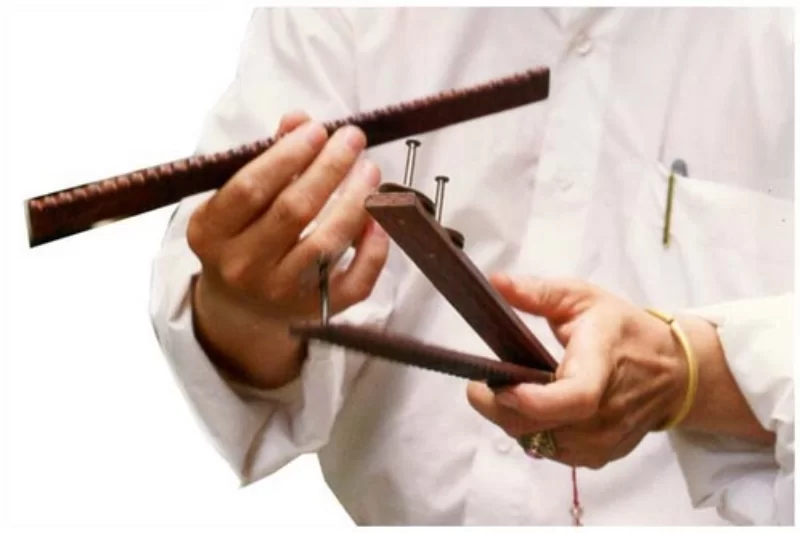
The sênh tiền is a unique percussion instrument that appeared in Vietnam at least a few hundred years ago. Its old name is a deep beat or a beat of the front bar. This musical instrument is a type of immense currency that attaches coins to it, so it is called a money channel. Money is used in royal orchestras, literature worship, Hue singing, ... People use it to harmonize, keep rhythm or make dance accessories.
|
* If you are interested in this article and find it useful, please share it with your friends and people around you using the social icons below. * If you wish to travel to Vietnam and discover more interesting Vietnamese cultures, we suggest you take a customized trip, which will allow you to learn more on site. * If you are looking for travel ideas Typic Travel allows itself to propose some main ideas according to the category of our trips:You can send us an e-mail by clicking HERE or easily follow us on our social networks for permanent info. |
|
Follow us on:
|
TripAdvisor | Facebook | Petit Futé | Youtube | Twitter | Instagram
|