


Vietnamese Pho: The Complete Guide (History, Recipe and Good Addresses)
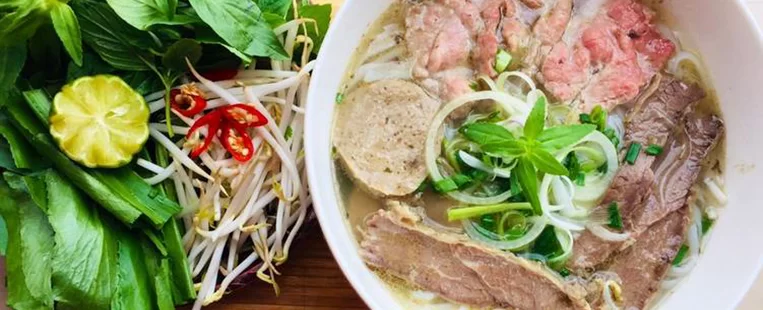
The phở is considered the Vietnamese national dish, it fascinates with its disarming simplicity and its simultaneously subtle and complex flavor. The undisputed king of street food, it is also the symbol of this Vietnamese art of living, a mirror of a people.

Table of Contents
- Pho Preamble
- Pho Introduction
- History of Pho
- Hanoi Beef Pho Recipe with its Sweet and Delicate Broth
- Pho Ga - Chicken Pho / Recipe
- Essential Pho Addresses in Hanoi
Pho Preamble
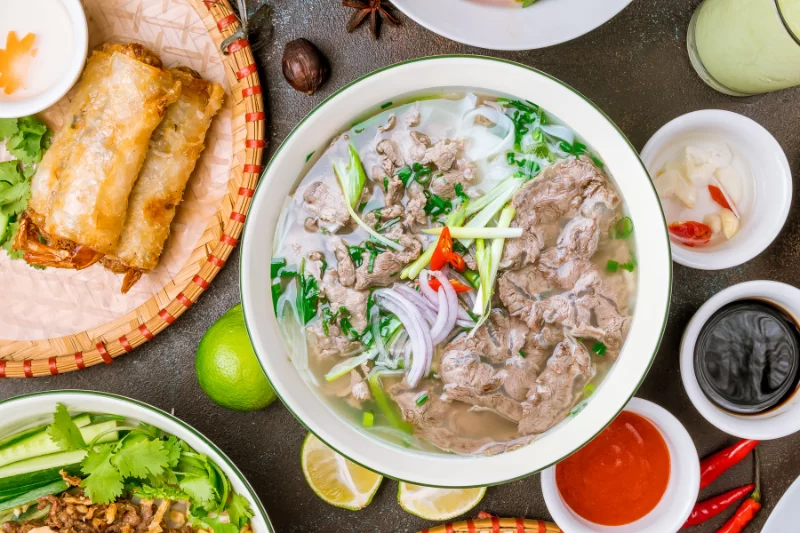
One can read here and there that Pho is a traditional Vietnamese soup composed of a broth accompanied by slices of beef or chicken with noodles, seasoned with different spices, flavored with herbs. This reductive vision does not do justice to the intense aroma of bone marrow simmered over low heat for hours in the broth. Nor does it evoke the subtle layers of flavors created by the spices and herbs or the different textures combining between the softness of the rice noodles, the tenderness of the beef slices, and the crunchiness of the bean sprouts...
Pho Introduction
Pho is considered the Vietnamese national dish, it fascinates with its disconcerting simplicity and its simultaneously subtle and complex flavor. The undisputed king of street food, it is also the symbol of this Vietnamese art of living, a mirror of a people.
Why propose Pho as intangible cultural heritage of humanity?
Rooted in tradition, Pho closely embraces the history of Vietnam, up to the fall of Saigon which propelled it to all continents, thus enriching the cultural heritage of many peoples. While the history of Pho spans only about a hundred years, these years have shaped Vietnam as we know it today. It is the symbol of an entire people: proud of its traditions and open to change. Its global influence makes it a multicultural symbol.
History of Pho

Three key dates in the history of Vietnam that marked the history of Pho can be noted:
1. The unification of Vietnam under French rule in 1887
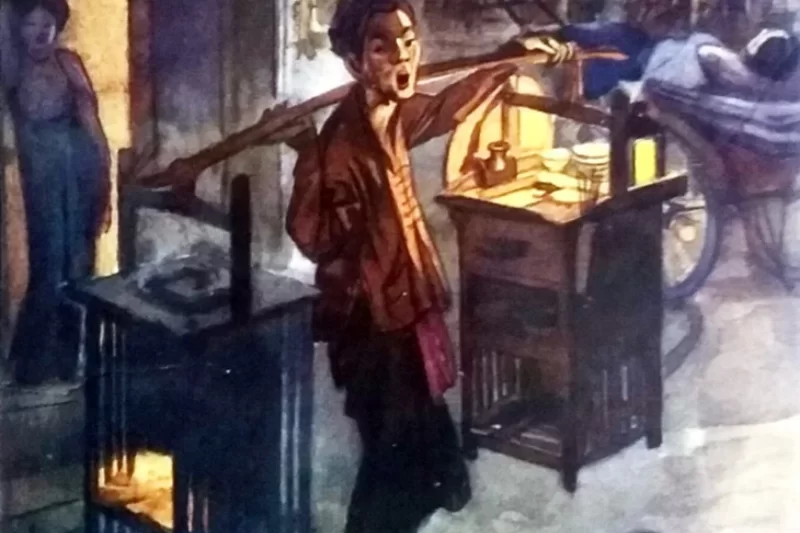
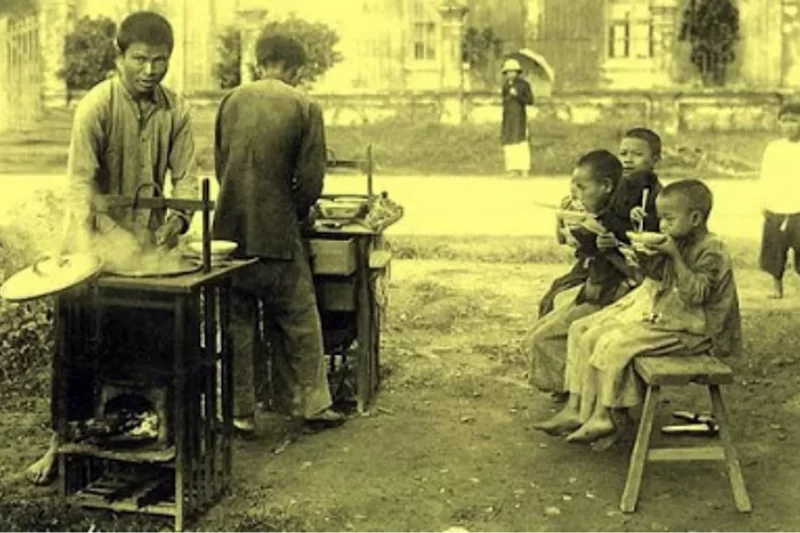
At the beginning of the 20th century, Vietnam was still part of French Indochina. Different peoples interacted in the area: French, Vietnamese, but also Chinese from border provinces. Beef, then used for agriculture, was quickly requisitioned by the French for its meat. The colonists then sold the leftover bones and cartilage at ridiculously low prices to butchers in Hanoi. Soup vendors saw in this new cheap food an opportunity to diversify their recipes. The popular soup, called xao trau, adapted, and Chinese merchants sold it to their compatriots who gradually disseminated the dish throughout Vietnam. This seems to be the most commonly accepted origin of Pho Bac, Northern Pho.
2. The division of the country into North and South Vietnam in 1954
The history of Pho then took a more political turn. The French left the country in 1954 after the defeat of Dien Bien Phu and Vietnam was divided.
In 1964, the United States intervened in Vietnam, which led to a new impact on the dish. In wartime, there was almost no meat left to make phở. Vendors called this denatured phở khong nguoi lai: "pilotless phở". Indeed, the American army sent their first drones to photograph the north of the country, and for Vietnamese people, phở without meat was as absurd as these pilotless planes!
3. The Fall of Saigon in 1975.
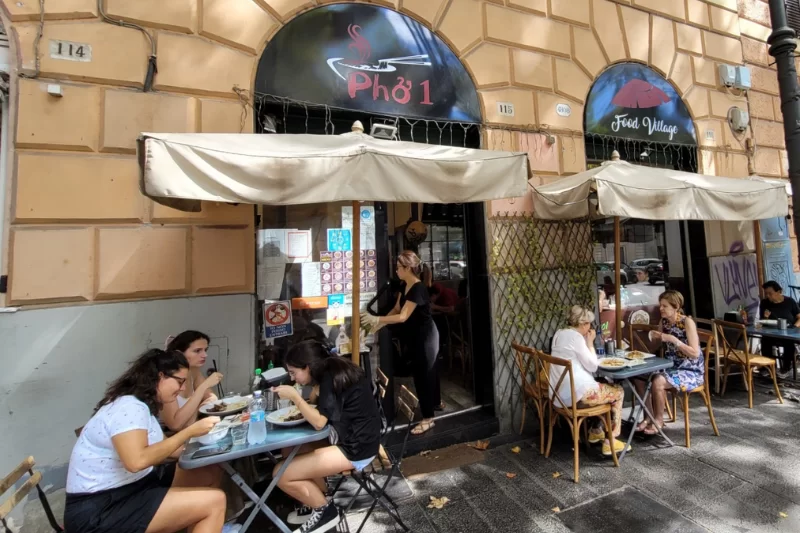
Once again, at the end of the war in 1975, food was rationed, but portions were reduced and phở became more refined. The fall of Saigon saw the exodus of Vietnamese people to the United States from 1975 or swelled the flow of boat people. These same uprooted people would create communities in their host countries. Among their treasures was the famous phở recipe from their native village. Southern Vietnamese (which includes those from the North who migrated to the South from 1954) represented by far the majority of refugees, which explains the "southern" version of phở that began to spread in non-Vietnamese restaurants.
Although Southern pho is more popular abroad than Northern pho, in countries like Russia, the Czech Republic, Slovakia, and other European countries, many Northerners came to trade and spread Northern pho there.
As time passes, phở continues its evolution…
These small stories within History show the unwavering attachment of Vietnamese people to their dish. Throughout the country's history, it has adapted to influences: colonial, migratory, etc. It is the image of this people who combine tradition and change.
4. Phở, a "French connection"?
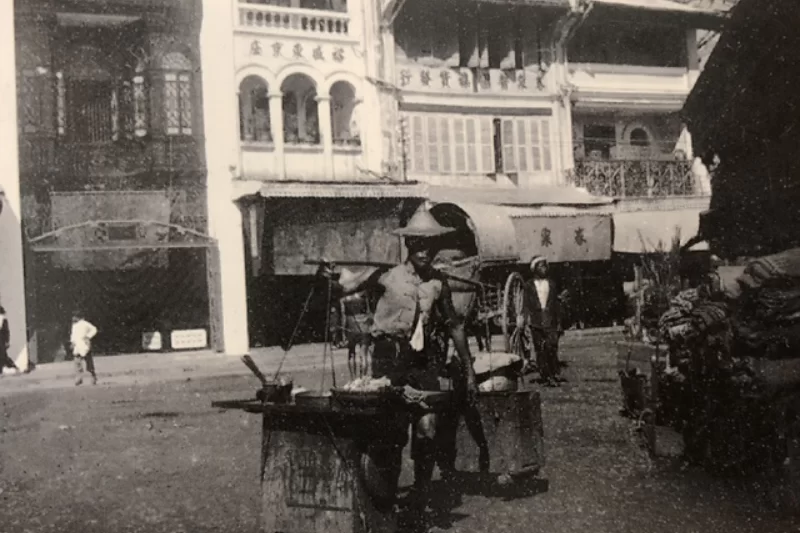
Appearing in the 20th century, phở is relatively new given Vietnam's 3,500 years of history. And, although it is a mirror of Vietnamese culture and history, no one really knows its origin. There are few writings on its origin, only oral traditions passed down by elders remain. However, it is admitted by many experts that the history of phở began in Nam Định/Hà Nội (Northern Vietnam region) around the late 1880s during the French colonization.
Legend has it that the term phở derives from the French "feu" as in "pot-au-feu".
However, Nam Định is a 750-year-old city but also very early occupied by French colonizers. There may have been a cultural mix. There was a Vauban-style citadel probably dating from the 18th century, like all strongholds in Vietnam, and streets with guild names "rue des potiers" (potters' street), "rue des cordonniers" (cobblers' street), like in Hà Nội, and also a "rue des Chinois" (Chinese street). A good situation for a culinary melting pot... And it is said that phở was created in Nam Định to offer factory workers a nutritious and cheap soup.
However, if this term really comes from "pot-au-feu", the Vietnamese would have called it "phơ" instead of "phở". Just like the word "bơ" comes from "beurre". It also appears on pages 814-815 of Đại Nam quấc âm tự vị (1895) by Huỳnh-Tịnh Paulus Của.
The debate is far from settled!
Hanoi Beef Pho Recipe with its Sweet and Delicate Broth
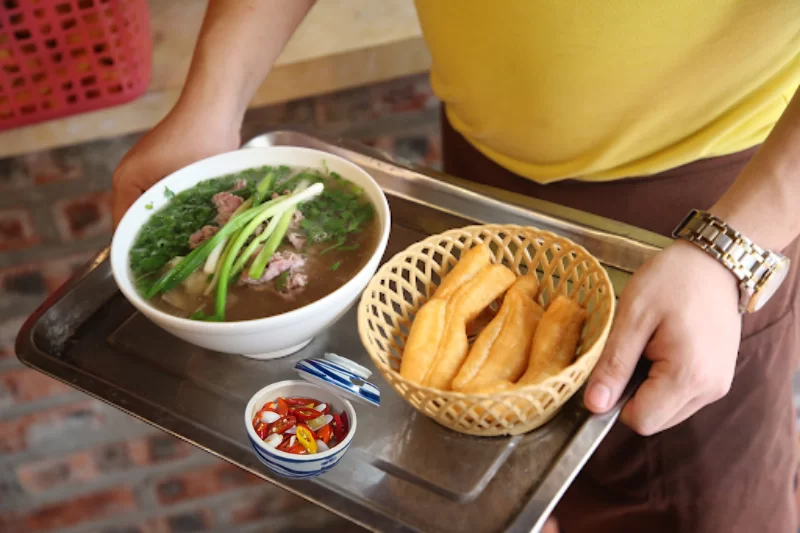
What distinguishes Hanoi Phở bò from other regions is its clear broth, its delicately sweet taste (a "thanh" flavor), and its characteristic aroma. It is traditionally enjoyed accompanied only by chives, onions, and cilantro.
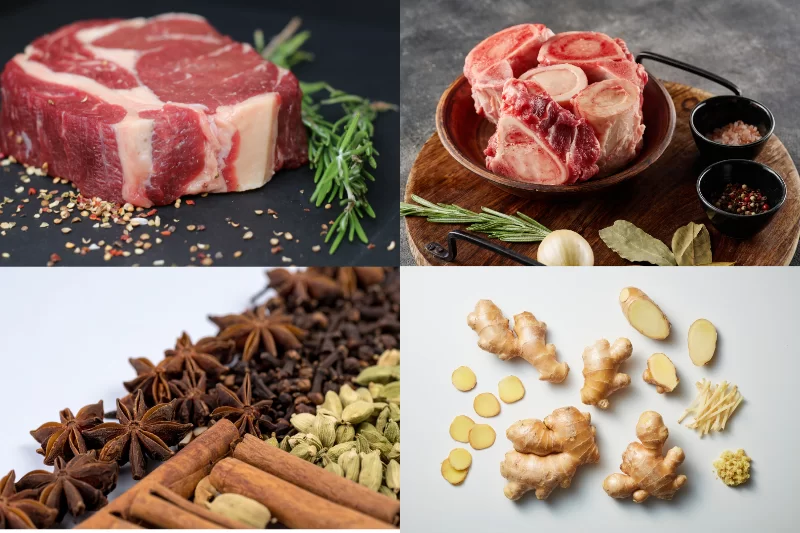
Ingredients for Hanoi Beef Pho (for 6 people):
- Beef marrow bones: 1 kg
- Meaty beef bones: 1 kg
- Beef shank: 0.8 kg (for the well-cooked beef garnish)
- Premium beef (such as rump steak or fillet): 0.8 kg (for the rare beef garnish)
- Onions: 2 bulbs
- Ginger: 1 small tuber
- Black cardamom: 2 fruits
- Star anise: 10 stars
- Cinnamon stick: 1 small stick
- Fresh rice noodles
- Garlic vinegar, lemon, chili (to be consumed with pho)
Preparing Hanoi Pho Bo: Key Steps:
1. Blanch the bones
- Wash the beef bones. Put them in a pot, cover with water, add 1/2 spoon of salt, 1 spoon of vinegar, and crushed ginger.
- Bring to a boil, then turn off the heat and let cover for 10-15 minutes.
- Discard this first water, wash the bones and the pressure cooker.
2. Prepare the raw beef
- Take 0.8 kg of prime beef. Slice very thinly.
- Marinate with chopped ginger, salt, sugar, and pepper. Mix and refrigerate.
3. Prepare the broth
- Dry roast the spices: star anise, black cardamom (crushed), and cinnamon. Remove.
- Roast (blacken) the quartered onions and halved ginger.
- Return the bones, beef shank (0.8 kg), and roasted spices to the pot. Add the roasted ginger (slightly crushed).
- Cover with water, add salt and powdered broth.
- Bring to a boil and skim very carefully for a clear broth.
- Reduce heat and simmer gently for 2 hours.
4. Prepare the cooked beef
- After 2 hours, remove the beef shank.
- Let it cool completely (ideally in an ice bath) before slicing it thinly.
5. Finish the broth
- Remove all aromatics (onion, ginger, spices) from the broth (you can filter the broth).
- Return the broth to the heat and continue to simmer over very low heat for an additional 2 to 6 hours. The longer the time, the better the broth will be.
- Adjust the final seasoning to your taste with fish sauce, sugar, and salt (or powdered broth).
6. Prepare the garnishes and noodles
- Hanoi Pho uses only: chives, cilantro, and white onion. Slice everything thinly.
- Quickly blanch fresh rice noodles (Bánh phở) in boiling water (1 min), then rinse with cold water to keep them firm.
7. Serve and enjoy
- In a bowl, place the noodles, a few slices of cooked beef (shank), and a few slices of raw beef (marinated).
- Add the sliced herbs.
- Pour the boiling broth directly over the raw meat to sear it.
- Enjoy immediately.
Pho Ga - Chicken Pho / Recipe
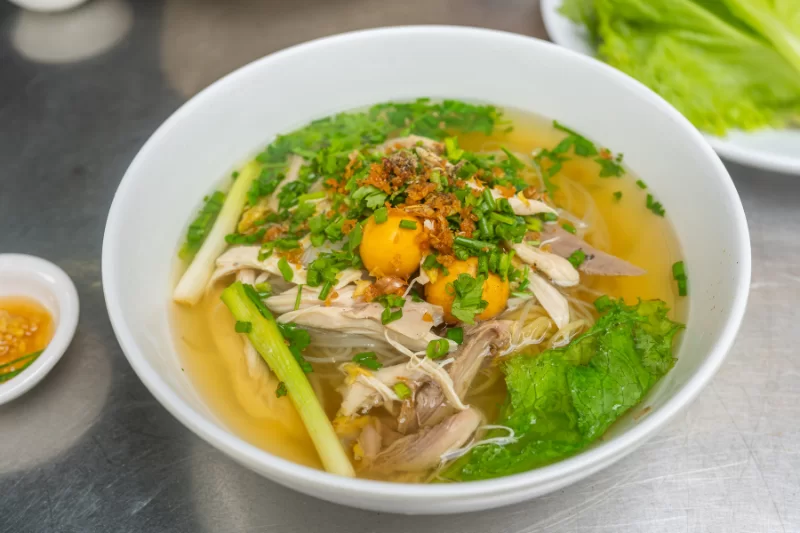
Chicken Pho (Pho Ga) originated in the 1940s when the government restricted beef supply. This popular variant is just as good as beef Pho, but it's quicker to prepare. If you're short on time or simply want to try another version of Pho, here's a Pho Ga recipe:
Chicken Pho Ingredients:
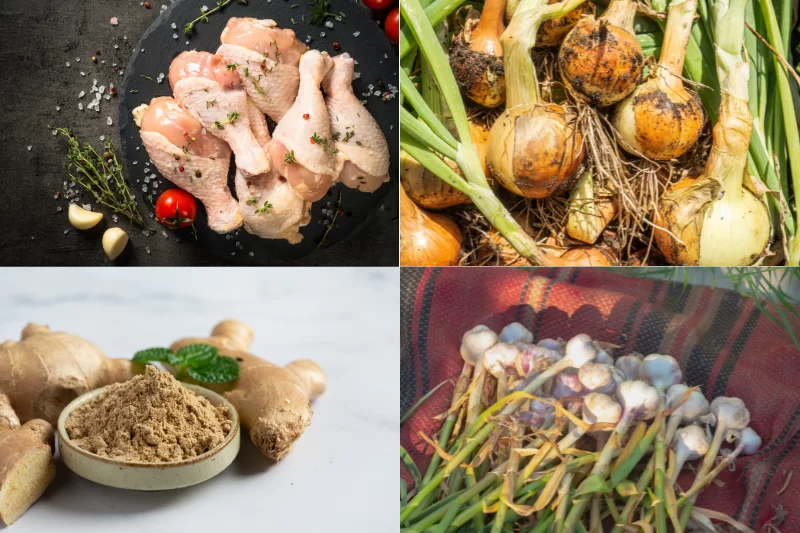
- 1 chicken (2 kg)
- 2 chicken bones (if available) (for cooking the broth)
- Spices: Dried onion, onion, ginger, arrowroot, green onion root, coriander seeds
- Seasoning: Fish sauce, salt, sugar
- Vegetables: Green onion, cilantro, lime leaves
- Fresh pho noodles
- Garlic vinegar, lemon, chili (to be consumed with pho)
Preparing Pho Ga (Hanoi Style): Key Steps
1. Ingredient Preparation
- Chicken: Clean thoroughly with salt and lemon (or ginger and alcohol) to remove odors.
- Aromatics (Hanoi Style): Grill onions, shallots, and ginger until blackened. Dry roast coriander seeds. Put everything (except the grilled onion) in a spice bag with coriander roots.
- Bones: Carefully blanch chicken bones (or lightly grill them) to ensure a clear broth.
- Garnishes: The key ingredient is lime leaf (lá chanh), sliced very thinly. Also prepare: chives, cilantro, sliced white onion, chili, and lime.
2. Cooking and Preparing the Chicken
- Cooking: Quickly blanch the chicken. Place it in a pot of cold water with ginger and shallot, bring to a simmer. Skim.
- Infusion (The trick): Simmer for 5 minutes, then turn off the heat. Cover and let the chicken poach in the hot water for 25-30 minutes. It will be perfectly cooked, juicy, and without red bones.
- Cooling: Remove the chicken and immediately plunge it into a large bowl of ice water. This makes the skin firm and crispy.
- Carving: Once cooled, debone the chicken and slice the meat.
3. Preparing the Broth (Nước dùng)
- Base: Strain the chicken cooking broth. Add the chicken bones you just deboned, as well as 2 additional chicken carcasses (previously blanched).
- Simmering: Simmer over very low heat, uncovered, so the broth remains clear.
- Finishing: Towards the end, add the grilled onion (set aside in step 1) for flavor. Do not add it too early to prevent the broth from becoming acidic.
- Seasoning: Adjust with salt, a little fish sauce, and sugar to sweeten the taste.
4. Assembly and Serving
- Quickly blanch the Phở noodles (bánh phở) and place them in a bowl.
- Arrange the sliced chicken, chives, cilantro, and sliced onion harmoniously.
- Pour the very hot broth over the top.
- Serve immediately with sliced kaffir lime leaves, garlic and chili vinegar, lime, and, if desired, quẩy (fried dough sticks).
Must-Visit Phở Addresses in Hanoi
Here is a list of pho restaurants you should try when you come to Hanoi.
Phở Thìn (Bờ Hồ)
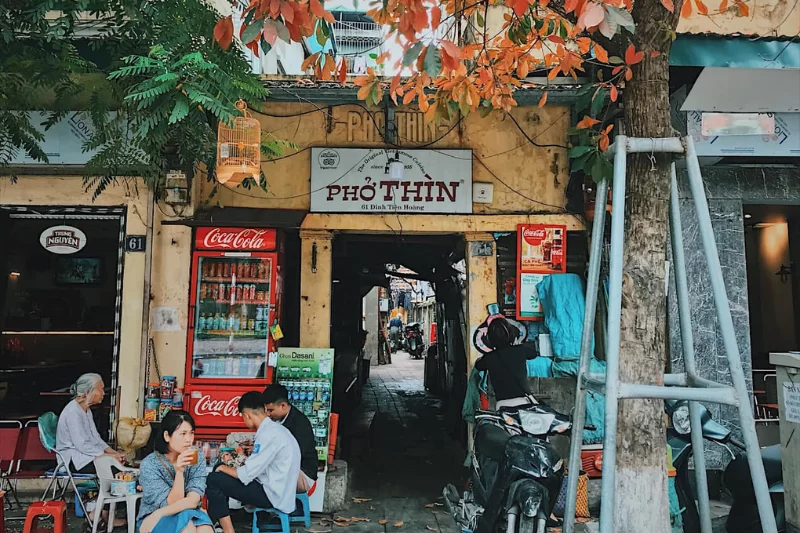
Located at 61 Đinh Tiên Hoàng and passed down through three generations since 1955, this restaurant stands out for its unique technique: the beef is extensively flattened before being seared by the boiling broth, making it exceptionally tender.
Phở Lâm (48 Hàng Vải)
Located at 48 Hàng Vải, this family restaurant, over 30 years old, is a morning institution (open from 5:30 AM to 10 AM). Awarded a Michelin Bib Gourmand this year, Phở Lâm is famous for its phở lõi (beef muscle heart), a tender and crispy cut that is often sold out after only three hours of opening. Its broth is renowned for being particularly clear, with a light and subtle sweetness, typical of the traditional Hanoi style.
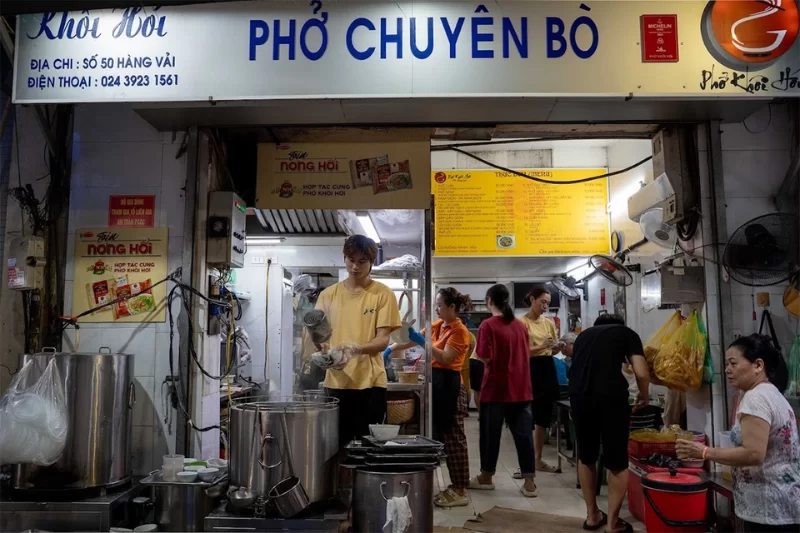
Phở Khôi Hói (50 Hàng Vải)
Right next door, at number 50, Phở Khôi Hói has been serving its bowls for about 30 years and has been featured in the Michelin Bib Gourmand since 2024. While both restaurants share a passion for lõi bò, Khôi is also highly appreciated for its gầu giòn (crispy flank). Unlike its neighbor, its broth is famous for being rich, fatty, and "đậm đà" (strong in flavor), the result of over 20 hours of cooking according to a recipe dating back to the old "subsidy period." The restaurant is open all day (6 AM-9 PM).
Phở Thìn (Lò Đúc)
For 30 years, 13 Lò Đúc has served only one dish: phở bò tái lăn (Phở with stir-fried beef). Although its taste is sometimes debated (some love it, others hate it), it is undeniably one of the most frequented in Hanoi and its reputation has even spread internationally.
Phở Lý Quốc Sư
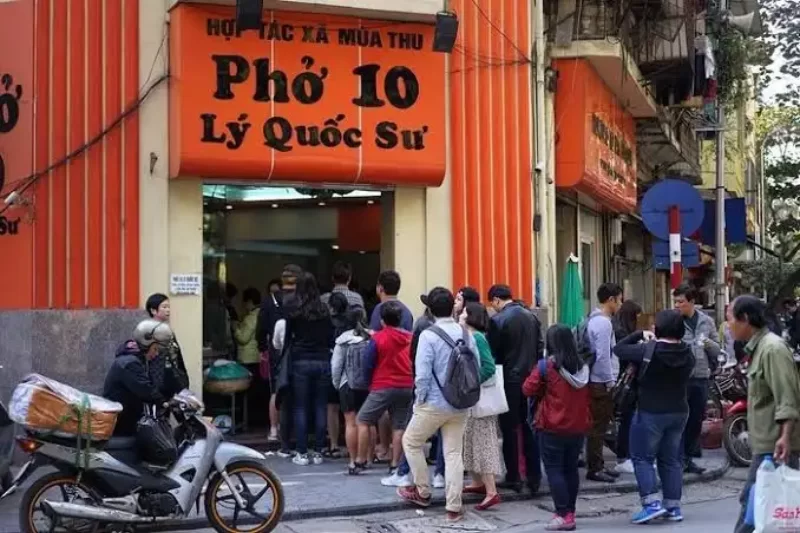
An iconic Hanoi brand, Phở Lý Quốc Sư is renowned for its characteristic broth, very fragrant with spices but not greasy, thanks to a secret family recipe. The restaurant specializes exclusively in beef Phở (rare, cooked, flank...) and serves delicious quẩy (fried dough sticks) as an accompaniment.
Phở gà Nguyệt
At 5B Phủ Doãn, this is the absolute reference for chicken Phở (phở gà). From a simple street stall, Ms. Nguyệt now sells between 600 and 800 bowls a day. Her meticulously prepared golden chicken stalls are impressive and have earned her recognition from the Michelin Guide.
Phở Tư Lùn
A simple but historic family restaurant, serving Phở for 80 years on Hai Bà Trưng street. The name "Tư Lùn" (the fourth short one) comes from the founding grandfather. Now in its third generation, this institution maintains tradition, with other locations in Ấu Triệu and Hàng Mã.
Phở bò (Bà Tâm) - Mai Anh Tuấn
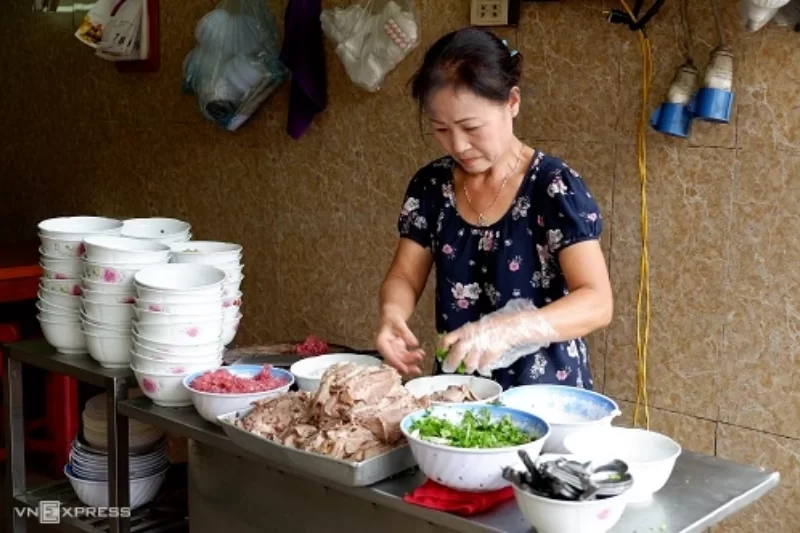
At 52 đường Mai Anh Tuấn, this restaurant, without a sign for 42 years, is famous for its "thời bao cấp" (subsidy period) atmosphere. Customers must patiently queue and take a number to be served in order, a system created by the 67-year-old owner to avoid chaos.

| * If this article is interesting and useful please share it with your Friends and people around you by choosing the sharing channel below! * If you want to travel to Vietnam and truly discover it in depth with the most authentic places and the most typical cultures, we suggest you take a tailor-made trip to your wishes with a French-speaking travel agency in Vietnam like Typic Travel. Click our button "Free quote" or "Tailor-made trip" or send an email to Typic Travel * If you are simply looking for travel ideas in Vietnam or Indochinese Countries, Typic Travel offers some main ideas according to the category of our trips on "our travel ideas" or follow us on one of your social networks to get more permanent info: |
|
Follow us on:
|
TripAdvisor | Facebook | Petit Futé | Youtube | Twitter | Instagram
|

Cela nosu donne l'envie de retourner dans votre magnifique pays. On a bien aimé tous les plats que vous nous aviez mangé .. quelle bonne saveur !