


Rice in Vietnam: at the heart of culture and traditions
Dive into the heart of Vietnamese culture through rice: from ancient traditions to modern gastronomy. Discover how this cereal shapes the identity of a nation.

Vietnam, an S-shaped country bordered by the East Sea, has been intimately linked to rice cultivation for millennia. Far more than just a cereal, rice is deeply rooted in the cultural identity, traditions, and daily life of the Vietnamese people. This article explores in detail how rice shapes Vietnamese culture, from the table to beliefs, language, and arts.
1. Rice in Vietnamese daily life
At the heart of the diet
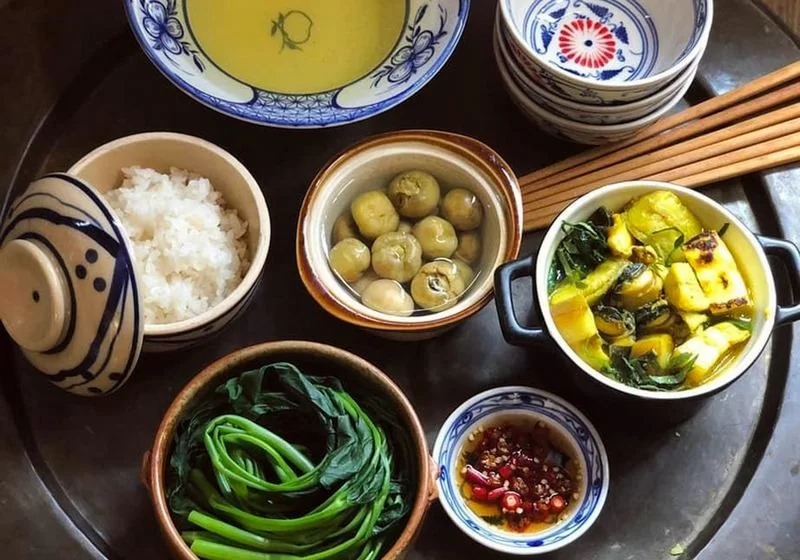
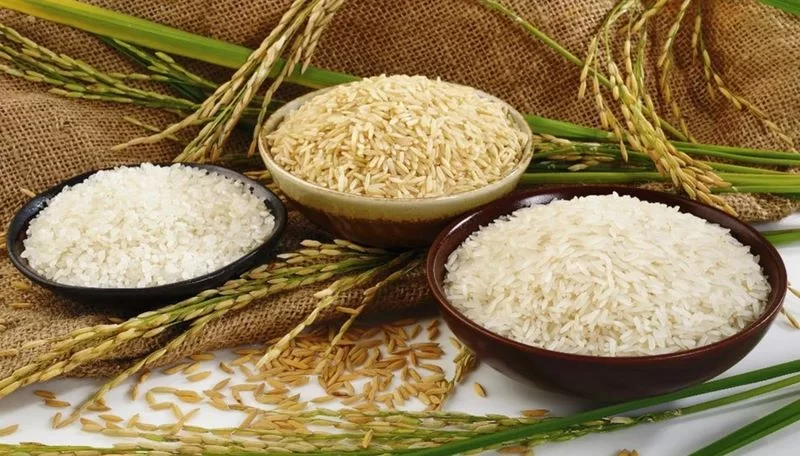
Rice is the staple food par excellence in Vietnam. Its presence is so central to the diet that the Vietnamese term for "to eat" - "ăn cơm" - literally means "to eat rice". This omnipresence is reflected in eating habits:
- Three meals a day: Rice is consumed at breakfast, lunch, and dinner, often accompanied by meats, fish, and vegetables.
- Diversity of preparations: From steamed white rice to rice noodles, and rice cakes, the versatility of this cereal is manifested in a multitude of dishes.
- Nutritional symbolism: Rice is considered the main source of energy and vitality, reflecting a deep belief in its nutritional virtues.
In language and expressions
The Vietnamese language is dotted with expressions and proverbs referring to rice, testifying to its cultural importance:
- "Có cơm ăn, áo mặc" (To have rice to eat and clothes to wear): An expression referring to the basic necessities of life.
- "Ăn cơm trước kẻng" (To eat rice before the gong): Equivalent to the English expression "to eat one's white bread first".
- "Đói ăn dọc, no ăn ngang" (When hungry, one eats lengthwise; when full, one eats widthwise): A proverb about how to eat rice according to one's level of satiety.
These expressions are just a glimpse of the linguistic richness related to rice, reflecting its omnipresence in Vietnamese thought and culture.
2. Rice in traditions and beliefs
Festivals and rituals
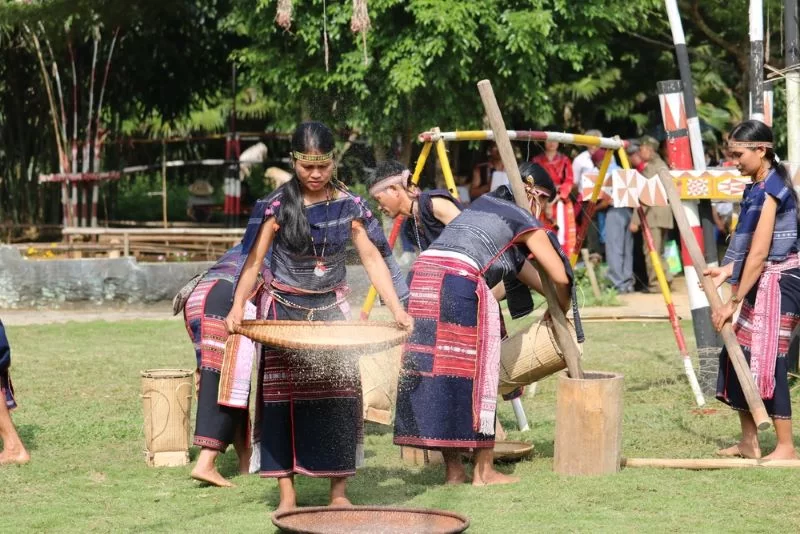
The rice cultivation cycle punctuates the spiritual and festive life of Vietnam. Many celebrations are directly linked to this cereal:
- Lễ cúng lúa mới (New Rice Ceremony): Organized after the harvest to thank the gods and ancestors for abundance.
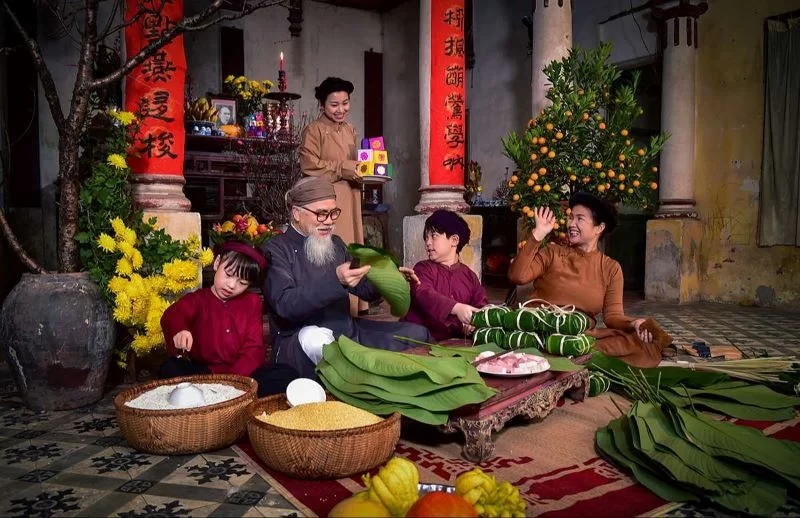
- Tết Nguyên Đán (Lunar New Year): Glutinous rice is used to prepare the traditional bánh chưng and bánh giầy cakes, symbols of earth and sky.
- Lễ hội Cầu Bông (Flower Prayer Festival): Celebrated in many regions to pray for a good rice harvest.
- Lễ hội xuống đồng (Festival of going down to the fields): Marks the beginning of the rice planting season in several northern regions.
These festivities are not mere traditions; they strengthen the bond between the community and the land, and perpetuate respect for this vital cereal.
Legends and myths
Rice holds a central place in Vietnamese folklore. Among the most well-known legends:
- The legend of King Hùng: It tells how Prince Lang Liêu created the bánh chưng and bánh giầy cakes from rice, thus winning the throne and establishing a millennia-old culinary tradition.
- The myth of the origin of rice: According to this legend, rice is a gift from the gods, brought to earth by a sacred bird to nourish humanity.
These stories transmit deep cultural values and reinforce the sacred status of rice in Vietnamese society.
3. Rice in Vietnamese Art and Craft
The influence of rice extends far beyond food and beliefs, inspiring various forms of artistic expression:
Visual Arts
- Rice paintings: A unique technique where artists create intricate paintings on thin sheets of rice paper.
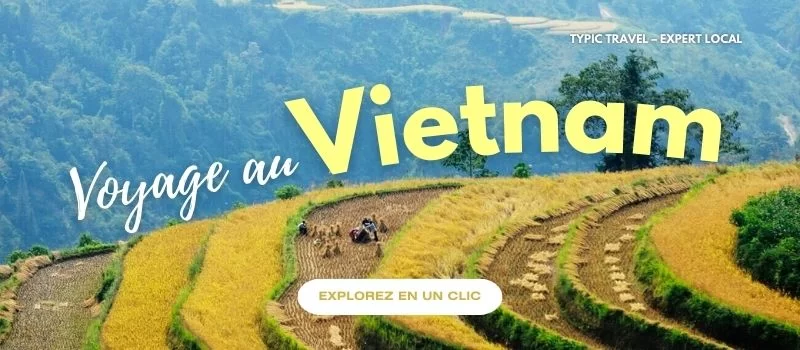
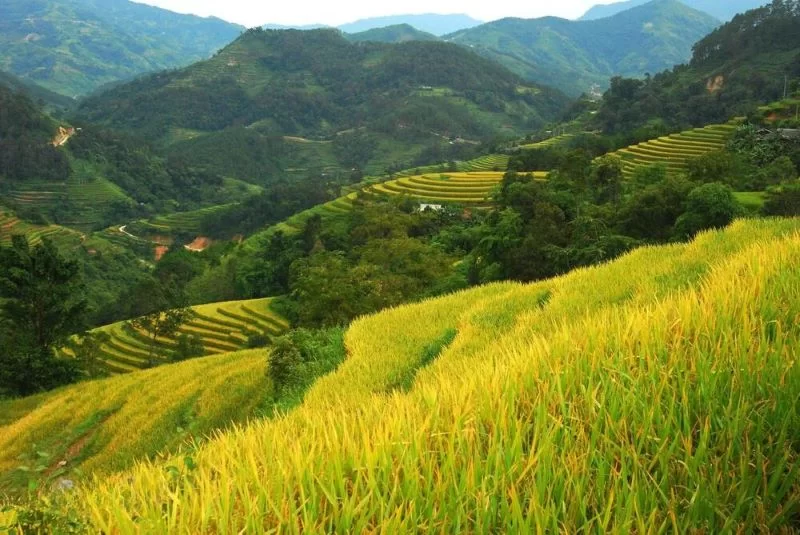
- Photography: Rice paddy landscapes, particularly the terraces in the North, are popular subjects for local and international photographers.
Crafts
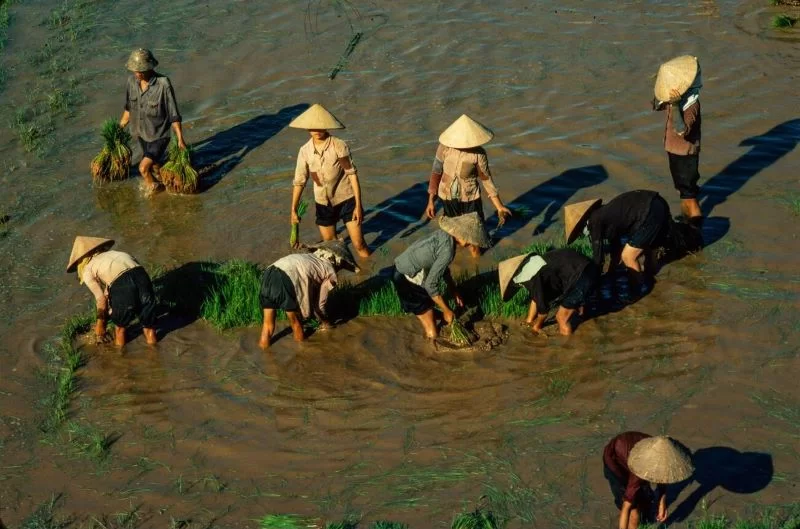
- Conical hats (nón lá): Made from palm leaves sewn onto a bamboo frame, they are emblematic of rice field workers.
- Rice straw objects: Baskets, mats, and other utilitarian objects demonstrate the ingenious use of every part of the plant.
Literature and Poetry
Many Vietnamese poems and novels evoke the beauty of rice fields or use rice as a metaphor for the life and resilience of the Vietnamese people.
4. Rice as a Social Link
Rice cultivation has shaped social structures and community values in Vietnam:
Collective Work
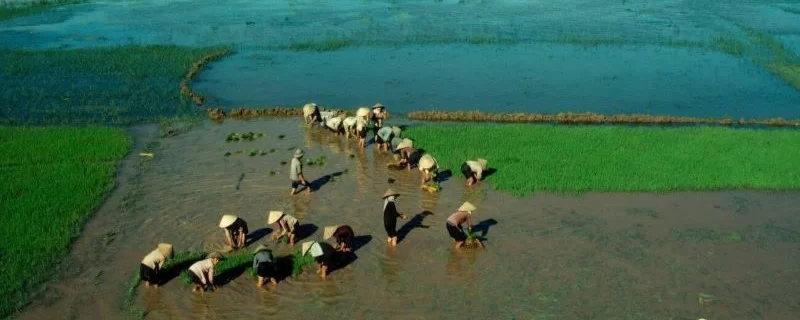
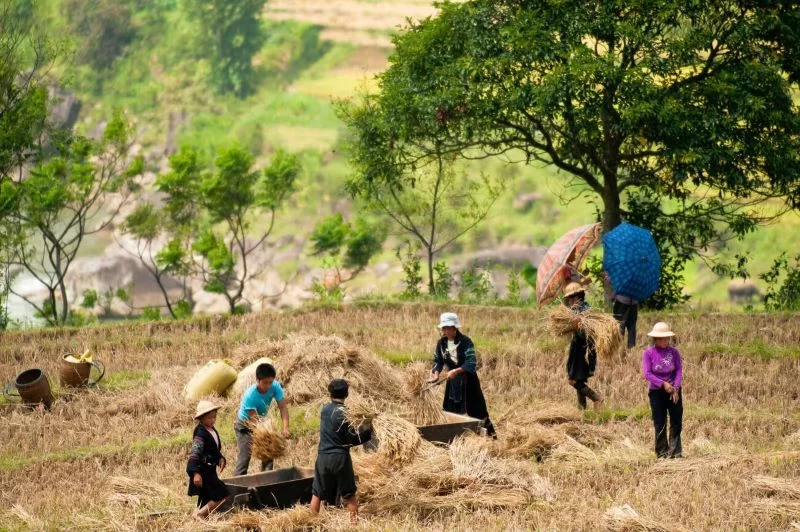
Rice cultivation requires close cooperation, especially during planting and harvesting. This need for collective work has strengthened community bonds and the spirit of mutual aid in villages.
Social Hierarchy
Historically, land ownership of rice fields was a marker of social status. Landowners enjoyed significant prestige, while landless peasants formed the base of the social pyramid.
Family Values
Sharing a rice meal is a sacred moment that strengthens family bonds. Tradition dictates that all family members gather around the table to share rice, a symbol of unity and respect.
Learn more about: Rice Cultivation in Vietnam: An Ancient Art
5. Rice in Gastronomy: A Reflection of Cultural Diversity
Vietnamese cuisine, rich and varied, uses rice in multiple forms, reflecting the country's regional diversity:
Emblematic Dishes
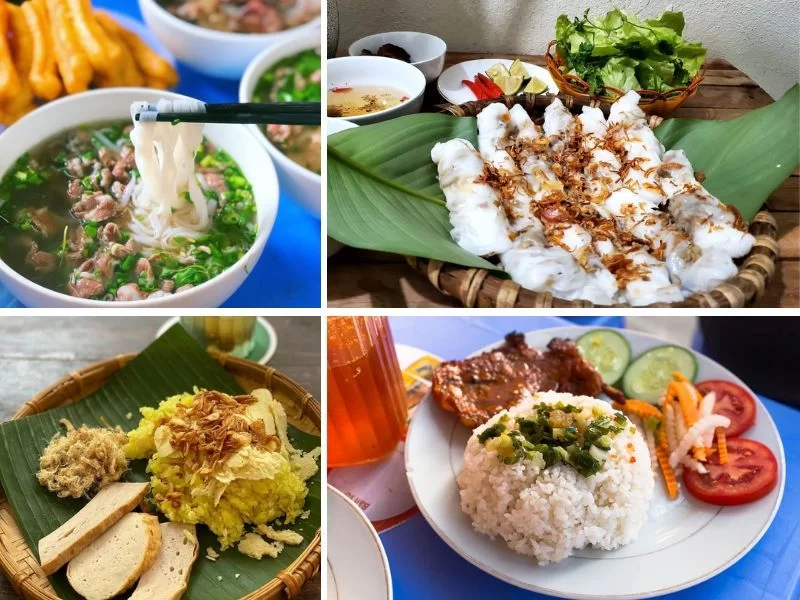
- Phở: Although famous for its rice noodles, this iconic dish illustrates how rice can be transformed into delicate noodles.
- Bánh cuốn: These delicate rice rolls, originating from the North, are stuffed with minced pork and mushrooms.
- Cơm tấm: A specialty of the South, this "broken rice" dish is served with grilled pork, illustrating how even broken grains are valued.
- Xôi: Sticky rice, prepared in various ways (sweet or savory), is often eaten for breakfast or as a ritual offering.
Drinks
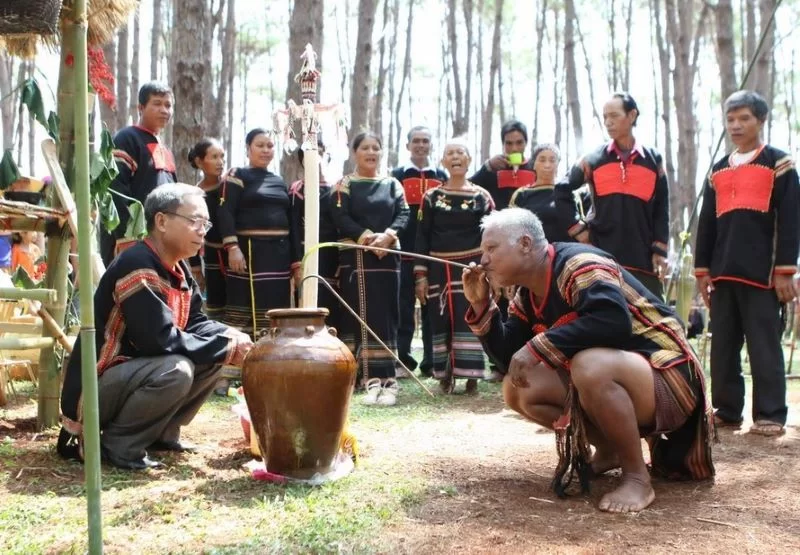
- Rượu cần: Traditional rice wine from mountainous regions, drunk with straws from large jars during ceremonies.
- Nước cơm: Rice cooking water, appreciated for its rehydrating and nutritious properties.
The diversity of these preparations testifies to Vietnamese culinary ingenuity and the adaptability of rice to different cultural and geographical contexts.
6. Rice and National Identity
Rice is intimately linked to Vietnamese national identity:
Symbol of Resilience
Vietnam's history is marked by periods of war and hardship. The ability to cultivate rice and ensure food self-sufficiency is seen as a symbol of the resilience and perseverance of the Vietnamese people.
National Pride
Vietnam's status as one of the world's leading rice exporters is a source of national pride, symbolizing the country's transition to modernity while maintaining its agricultural traditions.
Rice Diplomacy
The Vietnamese government sometimes uses rice as a diplomatic tool, offering food aid to other countries, thereby strengthening its image on the international stage.
Challenges and Evolution of Rice Cultivation
Despite its cultural importance, rice cultivation in Vietnam faces modern challenges:
Climate Change
The Mekong and Red River deltas, the country's main rice bowls, are threatened by rising water levels and salinization, posing major challenges for the future of rice cultivation.
Rural Exodus
Increasing urbanization and the appeal of industrial jobs lead many young people to leave rural areas, threatening the transmission of traditional knowledge related to rice cultivation.
Modernization of Techniques
The adoption of new agricultural technologies modifies traditional practices, raising questions about the preservation of cultural heritage related to rice.
Conclusion
Rice is much more than just a cereal in Vietnam; it is the common thread of culture, traditions, and national identity. From the family table to religious ceremonies, from linguistic expressions to art forms, rice permeates all aspects of Vietnamese life.
As the country navigates between tradition and modernity, the challenge is to preserve the cultural heritage related to rice while adapting to contemporary realities. How Vietnam meets this challenge will shape not only its agricultural future but also the evolution of its unique cultural identity.
For visitors, understanding the central place of rice in Vietnamese culture offers a valuable key to grasping the soul of this fascinating country. Every grain of rice tells a millennial story of resilience, innovation, and tradition, inviting a deeper exploration of Vietnam's rich cultural tapestry.