

Vietnam: 5 historical traces still visible today ✍
Discover how Vietnam's history continues to live through its architecture, traditions, gastronomy, and iconic sites.

Vietnam, a country where history is still alive.
Table of Contents:
French colonization: an ambiguous legacy
Dynasties: the imperial soul of Vietnam
The invisible legacy: what still influences Vietnamese people
Mentality: resistance, pride, and family.
The economy: lessons from the past for the future
In Hanoi, between two modern buildings, an old Confucian temple stands the test of time. In Ho Chi Minh City, motorbikes slalom past French colonial villas, while a veteran sells postcards on the sidewalk. Vietnam is a country where history never truly fades: it hides in the walls, in the dishes, in the smiles, and even in the way people fight for the future.
But what exactly are these traces? How have wars, colonizations, and dynasties marked today's Vietnam? And above all, how do Vietnamese people live with this heritage, between pride and modernity?
Let's dive together into this journey where every street, every tradition, tells a story.
The visible scars of history
Wars: wounds still open..
Vietnam has experienced centuries of conflicts: against the Chinese, the French, the Americans... And today, these wars are still everywhere, before our eyes.
The Củ Chi Tunnels: a 200 km underground network, dug by the Viet Cong during the Vietnam War. Today, it is a tourist site, where visitors can crawl through the narrow passages. For Vietnamese people, it is a place of memory, a reminder of their people's resilience.
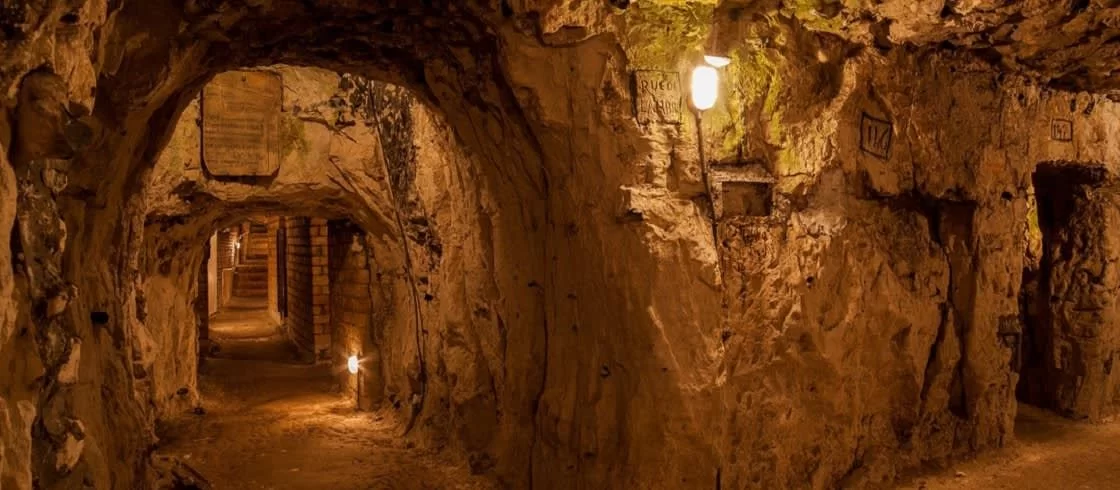
Củ Chi Tunnels
The War Remnants Museum in Ho Chi Minh City: with its photos, planes, and tanks, it shows the brutality of the war. Yet, outside, life goes on: people eat ice cream, buy souvenirs... How to reconcile the duty of remembrance with the present?
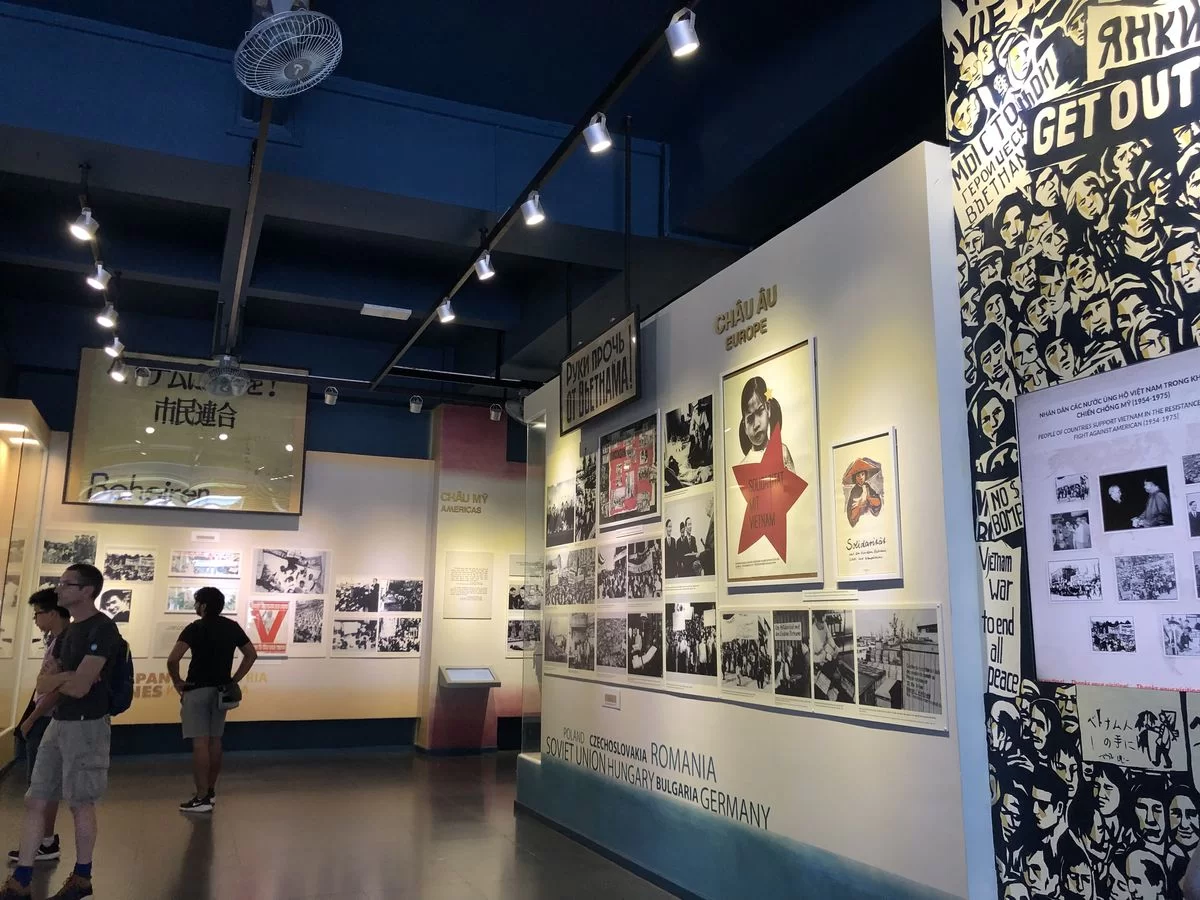
War Remnants Museum Ho Chi Minh City
Veterans in the streets: we still encounter former soldiers, some with prosthetics, selling postcards or books. Their discreet presence reminds us that war is not just a chapter in history books.
French colonization: an ambiguous legacy
The French left in 1954, but their imprint is still everywhere:
Architecture: in Hanoi, the Opera House, St. Joseph's Cathedral, or the colonial villas of Da Lat recall the French era. Today, these buildings house cafes, hotels... or government offices. The irony of history: the symbols of colonialism have become places of Vietnamese power.
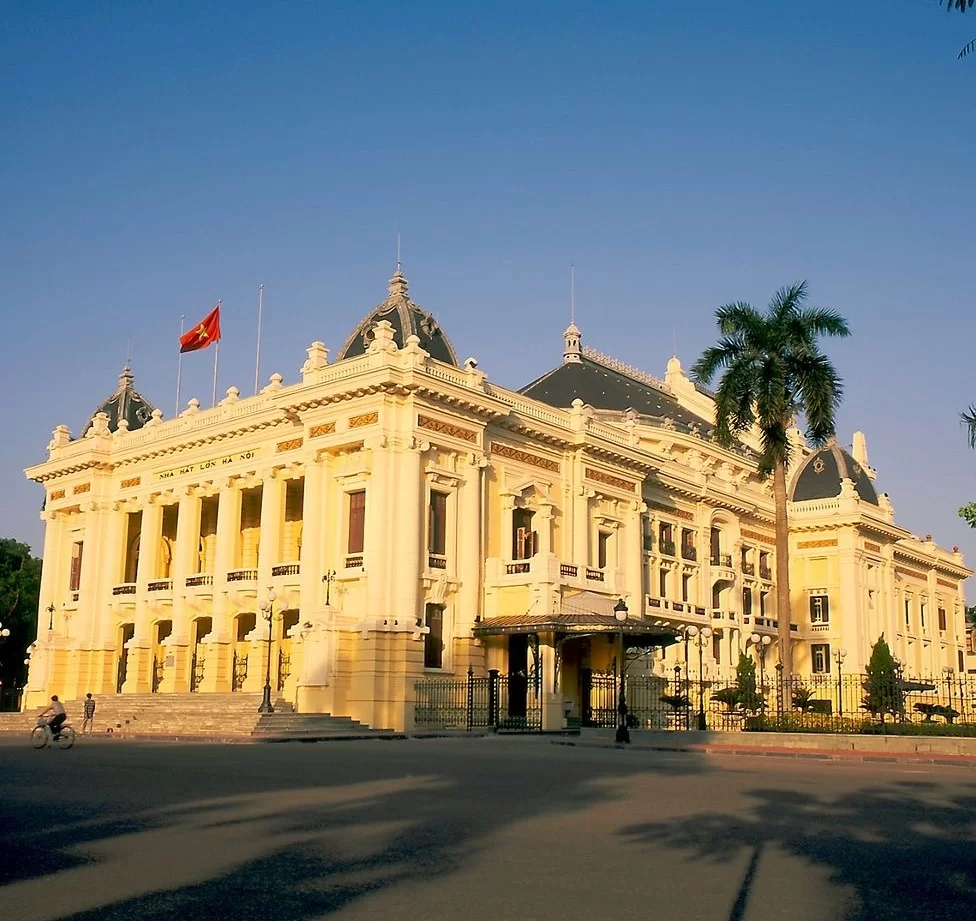 Hanoi Opera House St. Joseph's Cathedral
Language: French is still spoken by a minority, and words like "cà phê" (coffee) or "bánh mì" (sandwich) have remained. Modern Vietnamese is full of French terms!
Cuisine: bánh mì is now a symbol of Vietnamese street food... even though it was born from the fusion of French bread and local ingredients. A perfect example of how Vietnam has transformed its colonial heritage into something of its own.
Want to taste these flavors on a trip? You will find here! several tours exploring Vietnam culinarily.
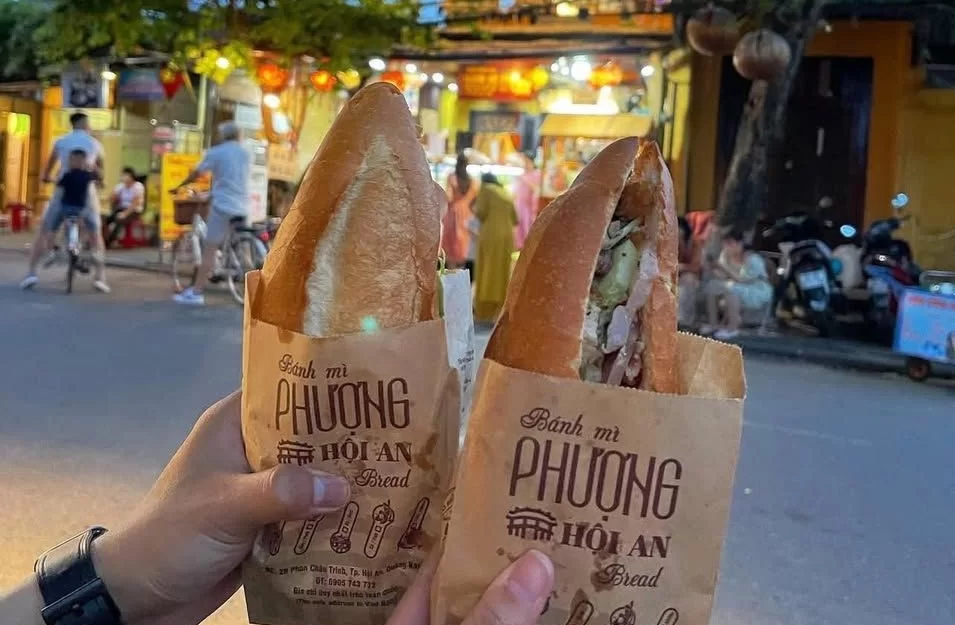
The Dynasties: Vietnam's Imperial Soul
Before wars and colonizations, Vietnam was a prosperous kingdom, with dynasties like the Nguyễn (the last imperial dynasty, until 1945). Their legacy is still visible:
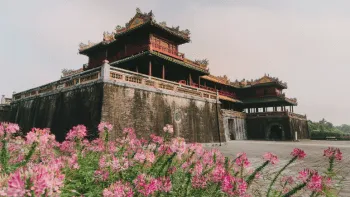
The Imperial City of Hué: former capital under the Nguyễn, today partly in ruins due to wars… but still a sacred place. Vietnamese people come here to remember their pre-colonial history.
The Imperial City of Hué is a must-see to understand the country's imperial soul.
Temples and pagodas: such as the Temple of Literature in Hanoi (founded in 1070), where students still touch the heads of stone turtles for good luck in exams.
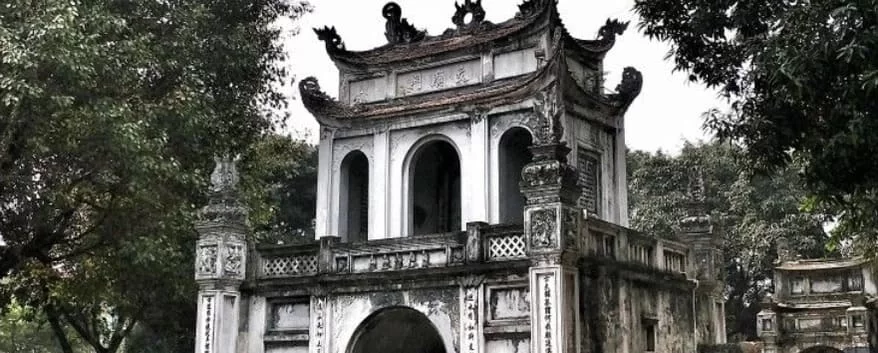
Temple of Literature, Hanoi
Did you know?
The dragon and the phoenix, symbols of the dynasties, are still everywhere: on temples, or even company logos. Even Vietnamese modernity is inspired by its imperial past.


Vietnamese companies featuring these dynastic symbols
The Invisible Heritage: What Still Influences Vietnamese People
The Mentality: Resistance, Pride, and Family.
Vietnamese people have a proverb: "Con rồng cháu tiên" ("Children of the dragon, grandchildren of the fairy"). This perfectly summarizes their pride in being Vietnamese, despite the hardships.
The spirit of resistance: after centuries of struggles, Vietnamese people have developed a survivor's mentality. Today, this is seen in their hard work (Vietnam is one of Asia's most entrepreneurial countries) and their resilience in the face of crises (like the COVID-19 pandemic).
The importance of family: in a country where the individual matters less than the group, decisions are made within the family, and ancestors are always honored. This is a Confucian legacy… but also a response to wars, which broke so many homes.
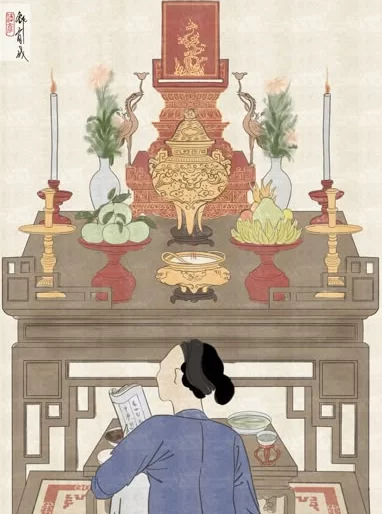
Altar and Confucian symbol
Mistrust of foreigners: after centuries of invasions, some Vietnamese people remain wary… but at the same time, they are incredibly welcoming once trust is established. A mix of caution and generosity.
The Economy: Lessons from the Past for the Future
Today's Vietnam is a country in full economic boom… but this success is based on lessons from the past:
Agriculture: formerly, Vietnam was the rice bowl of Asia. Today, it is still a major exporter of rice, but also of coffee, cashew nuts… Agriculture remains a pillar.
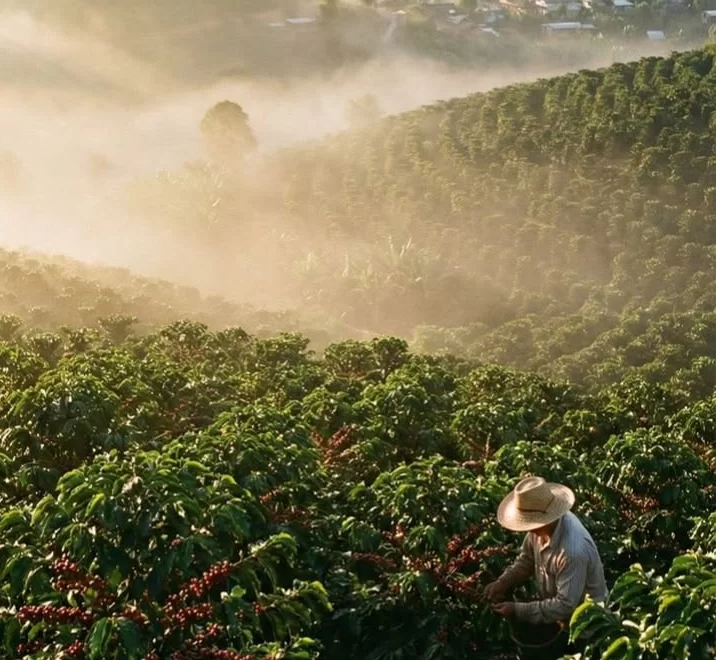
Industry: after the wars, Vietnam focused on light industry (textiles, shoes). Today, it attracts factories from Samsung, Intel, or Nike… a revenge on its past as a poor country.
Tourism: historical sites (like Ha Long Bay or Hoi An) attract millions of visitors. The past becomes an economic resource… but it must be preserved.
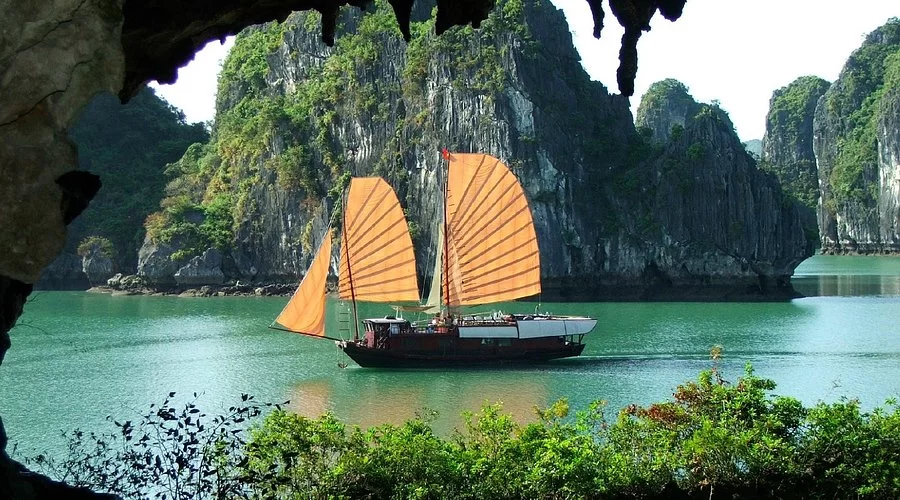
Ha Long Bay
And you, which aspect of Vietnamese history intrigues you the most? If these stories make you want to discover these traces for yourself, Typic Travel offers tailor-made trips to explore Vietnam differently. Discover our tours and let history guide you.