



Vietnam in October - A Practical Guide for First Time Visitors
Vietnam in October offers cooler northern landscapes, rainy-season escapes and southern adventures. Discover where to go, what to pack and how to plan your trip.

Vietnam in October offers a mix of autumn scenery, changing weather, and different travel experiences from north to south. In the North, cooler conditions create a comfortable setting for exploring cities, mountains, and rice terraces, while Central Vietnam can experience more rain and stormy weather. The South remains warm and humid, with showers still part of the seasonal pattern. If you plan to travel to Vietnam in October, understanding these regional differences can help you choose destinations and activities that suit your plans. This guide from Typic Travel covers the key weather patterns, places to visit, things to do, and practical planning tips to help you build a Vietnam trip in October with realistic expectations. Whether you are interested in culture, nature, food, or scenic journeys, October can offer rewarding experiences when your itinerary allows for changing conditions.
Vietnam in October - A Practical Guide for First Time Visitors
I. Vietnam weather in October by region
Is October a good time to visit Vietnam? It can be, but conditions vary by region. Northern Vietnam generally becomes cooler and less rainy, Central Vietnam enters a wetter period with a higher risk of storms and flooding, while the South remains hot, humid and rainy. When planning Vietnam in October, choose destinations and activities based on regional conditions and short-term forecasts.
1. Northern Vietnam weather in October
Northern Vietnam becomes cooler and more comfortable as the month progresses. Hanoi, Ninh Binh, Ha Long Bay and Cat Ba typically experience temperatures of around 22-30°C, with lower rainfall and humidity than summer, although heavy showers and tropical systems are still possible.
Sapa, Ha Giang and Mu Cang Chai are cooler, with Sapa generally around 14-22°C. A light jacket is useful in the morning and evening, while fog and rain can make mountain roads and trekking trails slippery.

Typical conditions :
- Hanoi and Ninh Binh: Warm days, cooler evenings and decreasing rainfall.
- Ha Long Bay and Cat Ba: Pleasant autumn weather is possible, but marine conditions can change.
- Sapa and Ha Giang: Cooler, with possible mist and slippery trails.
- Humidity: Lower than in summer but still noticeable after rain.
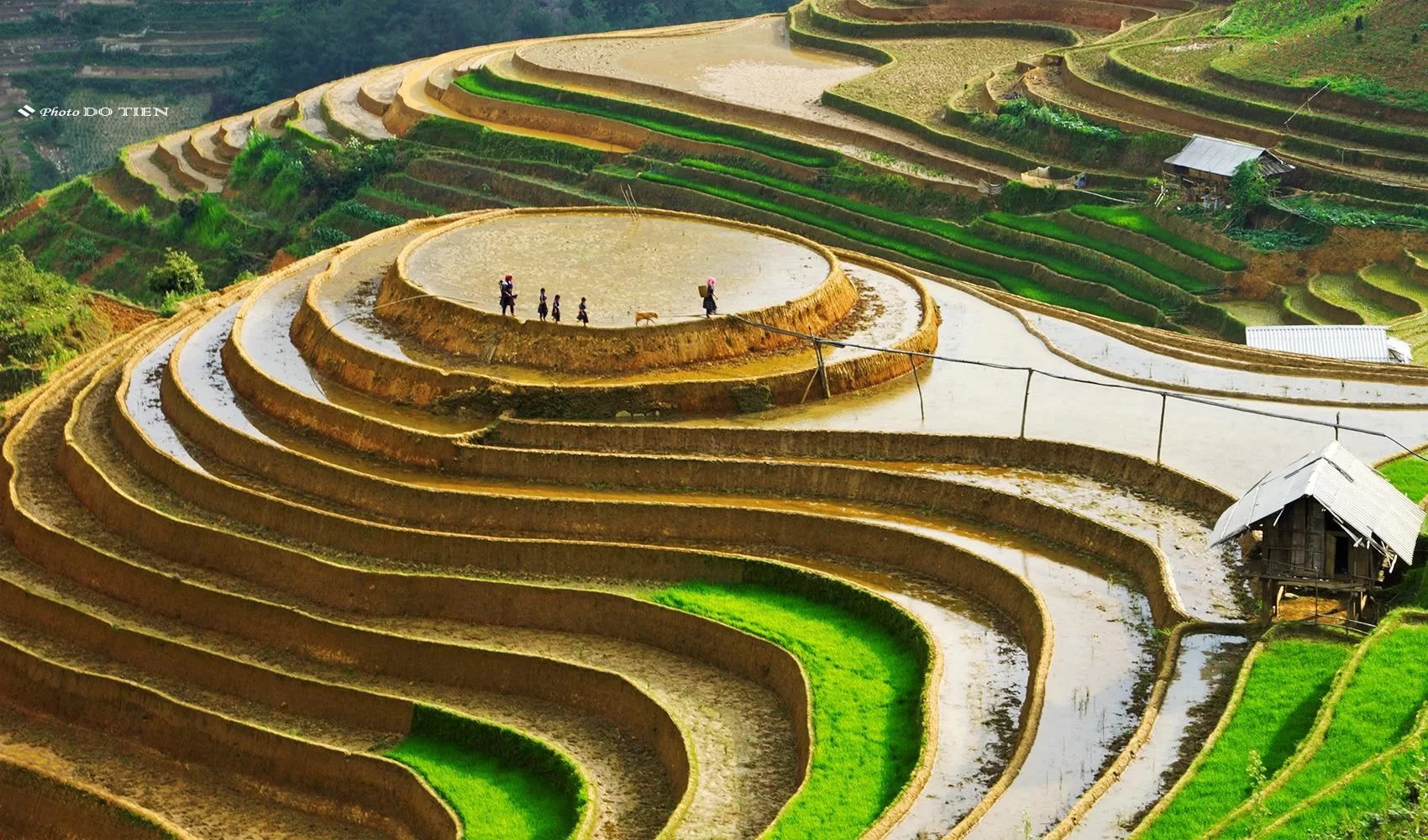
Early October can still offer golden rice terraces in Sapa, Mu Cang Chai and Hoang Su Phi, although many fields may be harvested by mid- or late October. Harvest timing varies by altitude and year. Ha Giang’s buckwheat flowers also begin appearing around October, with peak blooming dates varying.
Ha Long Bay can have clear autumn days, but tropical storms may affect the Gulf of Tonkin and cause cruise cancellations. Leave some flexibility if a cruise is an important part of your itinerary.
2. Central Vietnam weather in October
Central Vietnam is generally warm but much wetter. Hue, Da Nang and Hoi An typically experience temperatures of around 23-30°C, with high humidity and frequent rain. October is one of the wetter periods on the central coast, and storms can bring heavy rain, flooding and transport disruption.

Typical conditions :
- Hue, Da Nang and Hoi An: Warm, humid and rainy, with possible flooding.
- Phong Nha: High water may restrict access to some caves.
- Quy Nhon and Nha Trang: Warm, but rough seas can affect island activities.
- Dalat: Around 15-24°C, with cloudy conditions, mist and rain.
- Road conditions: Rain can reduce visibility and make mountain roads slippery.
If you are deciding where to go in Vietnam in October, keep Central Vietnam flexible. Hue and Hoi An can still offer sightseeing opportunities between rainy periods, but conditions can change quickly.
In Phong Nha, high water may restrict access to some caves and adventure routes during the rainy period from October to December. Conditions vary by cave and water level, so check the specific tour before visiting.
Nha Trang’s rainy season generally runs from September to December. Dalat also remains relatively wet in October, so museums, heritage sites, food tours and workshops can be useful alternatives during rainy periods.
3. Southern Vietnam weather in October
Southern Vietnam remains hot and humid. Ho Chi Minh City typically records temperatures of around 24-32°C, with a monthly mean close to 28°C. The rainy season usually continues through November, so October is not a dry month. Showers often arrive in bursts, while heavy rain can cause temporary flooding and traffic delays.
Typical conditions :
- Ho Chi Minh City: Approximately 24-32°C, hot, humid and rainy.
- Mekong Delta: Warm and green, with changing water levels in some areas.
- Phu Quoc: Approximately 24-30°C, with rain and rough seas still possible.
- Con Dao: Approximately 25-30°C, with occasional rain and changing sea conditions.
City sightseeing, food tours and flexible river excursions are practical things to do in Vietnam in October. Boat trips in the Mekong Delta remain possible, but conditions vary between provinces.
Phu Quoc is in the final month of its rainy season. Its average temperature is around 27°C, but rain, wind and rough seas can still affect ferries, snorkeling and island tours. Weather may improve toward the end of October, while more reliable dry-season conditions generally begin in November.
Con Dao follows a different seasonal pattern from Phu Quoc. October can still bring rain, although stronger seasonal winds are more commonly associated with later in the year. Flights and boats should still be checked close to departure.
Vietnam weather in October at a glance :
|
Region |
General conditions |
Main risks |
Suitable for |
|
Northern Vietnam |
Around 22-30°C in the lowlands and 14-22°C in Sapa |
Tropical systems, fog, slippery trails and cruise disruption |
Cities, culture, landscapes and flexible trekking |
|
Central Vietnam |
Around 23-30°C on the coast, warm, humid and rainy |
Heavy rain, flooding, rough seas and restricted cave access |
Heritage, food, workshops and indoor activities |
|
Southern Vietnam |
Around 24-32°C, hot, humid and rainy |
Heavy showers, local flooding and traffic delays |
Cities, food, culture and flexible Mekong trips |
|
Phu Quoc |
Around 24-30°C, final month of the rainy season |
Rough seas and boat disruptions |
Flexible resort stays and island activities when conditions permit |
Temperature ranges are approximate historical averages and may vary according to location, elevation and current weather systems.
Overall, Vietnam in October has very different weather from north to south. The North generally enjoys more comfortable autumn temperatures, Central Vietnam is more exposed to rain and storms, while the South remains warm and humid. Phu Quoc is still in the final part of its rainy season, although the weather may improve later in the month. Check regional forecasts before each stage of your trip so you can adjust your plans when necessary.
II. Where to go in Vietnam in October ?
Vietnam in October offers different experiences from north to south. The North is suited to autumn landscapes, mountain scenery and cultural visits. Central Vietnam requires more flexibility because of rain, while the South combines city life, river experiences and island stays. Instead of trying to cover the whole country, choose destinations that match your interests and leave time for weather-related changes.
1. Northern Vietnam
Northern Vietnam generally offers more comfortable outdoor conditions in October. Autumn becomes more noticeable in the lowlands, while mountain areas bring cooler temperatures, seasonal flowers and the final stage of the rice harvest.
Hanoi and Ninh Binh - Culture, Food and Countryside
Vietnam weather in October generally becomes more comfortable in Hanoi, making it easier to explore the Old Quarter, Hoan Kiem Lake, West Lake, temples and museums. Seasonal cốm is worth trying, alongside pho, bun cha and egg coffee. Museums, cafés and food tours are useful alternatives when it rains.

From Hanoi, continue to Ninh Binh for Trang An, Tam Coc, Hang Mua and the surrounding countryside. October is practical for boat trips, cycling and visits to Hoa Lu and Bich Dong Pagoda. Staying overnight gives you more time, while local crop cycles mean golden rice fields at Tam Coc are not guaranteed.
Mai Chau and Pu Luong - Villages and Terraced Landscapes
If you want to travel to Vietnam in October at a slower pace, Mai Chau and Pu Luong offer quieter countryside experiences. Mai Chau suits cycling, village walks and homestays, while Pu Luong combines terraced landscapes, water wheels and traditional stilt-house communities.
Some valleys may still be in the autumn rice harvest period in early October, although timing varies. Rain can make rural roads and walking trails slippery, so local guidance is useful in remote areas.
Sapa, Mu Cang Chai and Ha Giang - Rice Terraces and Mountain Scenery
For seasonal things to do in Vietnam in October, the northern mountains offer rice terraces, trekking, village visits and scenic road journeys. Early October gives you a better chance of seeing golden fields around Sapa and Mu Cang Chai, while many fields may be harvested by mid- or late October.
Sapa is easier to reach and has more accommodation and guided walks. Mu Cang Chai feels more rural and suits road trips and landscape photography. Check recent local conditions if the rice harvest is a main reason for visiting.
Ha Giang offers the Dong Van Karst Plateau, Ma Pi Leng Pass, local markets and ethnic villages. Buckwheat flowers usually begin appearing in October, although peak blooming varies. Allow at least three or four days and consider an experienced driver if you are unfamiliar with steep roads, fog or mountain traffic.
Ha Long Bay, Bai Tu Long Bay and Lan Ha Bay - A Flexible Cruise
These bays share dramatic limestone scenery but offer different experiences. Ha Long Bay has the widest selection of cruises, Bai Tu Long Bay is generally quieter, while Lan Ha Bay is commonly accessed through Cat Ba.
October can bring cooler temperatures and clear days for cruising, kayaking and cave visits. Tropical systems can still affect the Gulf of Tonkin, and cruises may be delayed or canceled when port authorities consider conditions unsafe. Avoid placing an overnight cruise immediately before an international flight.
2. Central Vietnam and the Central Highlands
October is one of the wetter periods across much of Central Vietnam. Cultural sites, food experiences and indoor activities remain possible, but beach, cave and road-trip plans should stay flexible.
Phong Nha, Hue, Da Nang and Hoi An - Heritage with Flexible Plans
A Vietnam trip in October can include Central Vietnam, but the schedule should not depend entirely on outdoor activities. In Phong Nha, high water may restrict access to some caves and adventure routes from October to December. Confirm the specific cave tour before visiting.
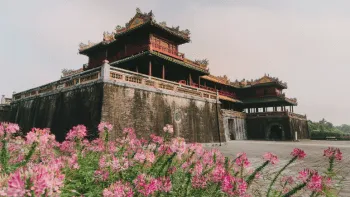
Hue remains appealing for its Imperial City, royal tombs, pagodas and regional food. October is rainy, and flooding becomes more likely later in the year, so plan outdoor visits around the forecast. In Hoi An, ancient houses, museums, cooking classes, cafés and lantern-making workshops are easier to adapt around wet weather. Rainy days and storms may occur from October to January.
Da Nang is a convenient transport base, but beaches and mountain roads remain weather-dependent.
Quy Nhon and Nha Trang - Coastal Breaks with Weather Flexibility
Quy Nhon combines coastal scenery, Cham heritage and regional seafood. Ky Co, Eo Gio and nearby islands are popular, but October does not guarantee clear water or calm seas. If marine conditions are unsuitable, visit Banh It Towers, explore the city or focus on local cuisine.
Nha Trang remains warm, but its rainy season generally runs from September to December. Island tours, diving and snorkeling depend on sea conditions. Po Nagar Cham Towers, museums, mud baths and wellness facilities provide useful alternatives.
Da Lat - Cooler Highland Weather
Da Lat offers cooler temperatures, pine forests, cafés and countryside scenery. Typical October temperatures are around 15-24°C, but the month is still part of the rainy period. Mist and showers may affect waterfalls, mountain roads and outdoor viewpoints.
A flexible stay can combine Xuan Huong Lake, local markets and coffee experiences with countryside visits when conditions are suitable. Bring a light jacket and waterproof layer, particularly for mornings and evenings.
3. Southern Vietnam
Southern Vietnam remains hot and humid in October, and the rainy season is still active. Cities, food experiences and flexible river journeys are practical, while beach and island activities depend more heavily on local forecasts.
Ho Chi Minh City - Food, History and Nightlife
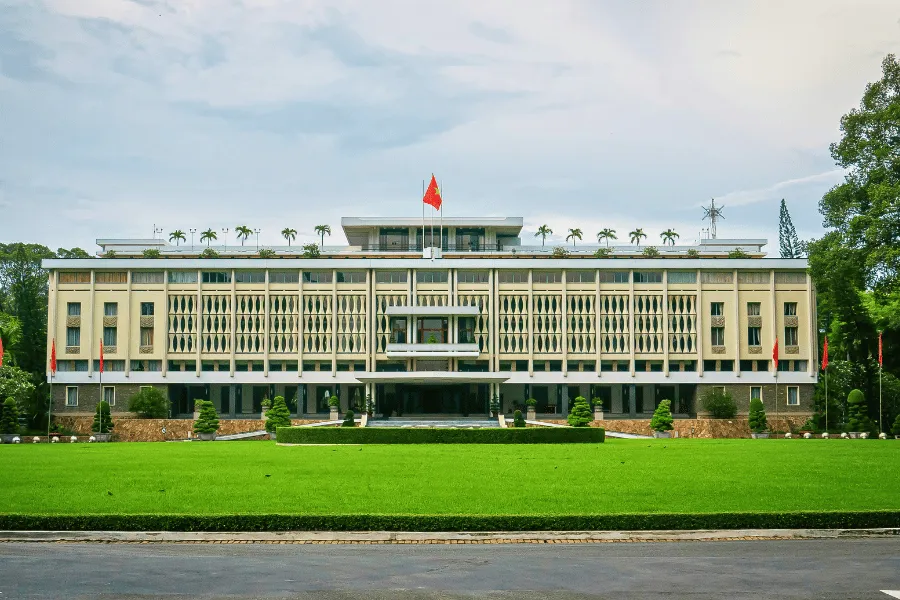
Ho Chi Minh City is easy to explore because sightseeing can be adjusted around the weather. The War Remnants Museum, Independence Palace, markets, cafés and central landmarks provide options during rainy periods. Street-food tours and rooftop bars add variety after dark.
The Cu Chi Tunnels are also possible when road conditions are suitable. Carry a lightweight raincoat and allow extra transfer time during thunderstorms or temporary flooding.
Phan Thiet and Mui Ne - Sand Dunes and Coastal Scenery
Phan Thiet and Mui Ne begin moving toward drier conditions in October, but showers and changing sea conditions remain possible. Sand dunes, fishing villages and local seafood provide alternatives when swimming or water sports are unsuitable.
Check wind and wave conditions before marine activities. The journey from Ho Chi Minh City is manageable, but staying at least two nights creates a more comfortable schedule.
Mekong Delta - Can Tho, Ben Tre, Vinh Long and An Giang
The Mekong Delta is suitable for experiencing river life, orchards, canals and local communities. October falls within the high-water period in some areas, but conditions vary between provinces and river branches.
Can Tho is a convenient base for an early visit to Cai Rang Floating Market, and staying overnight is more practical than returning to Ho Chi Minh City the same day. Ben Tre and Vinh Long offer smaller canals, orchards, cycling routes and homestays, while An Giang offers Chau Doc, Sam Mountain and Tra Su Cajuput Forest. Boat access and water levels vary each year, so confirm local conditions before visiting forest areas.
Phu Quoc and Con Dao - Flexible Island Stays
Phu Quoc remains in the final part of its rainy season, with typical temperatures of around 24-30°C. Weather may improve toward the end of October, but rain, wind and rough seas can still affect ferries, snorkeling and island tours.
Choose accommodation with indoor facilities and treat boat trips as optional. Beaches, sunsets, seafood, fishing villages and the night market can still make the stay enjoyable. More reliable dry-season weather generally begins in November.
Con Dao combines former prison sites, memorials, beaches and protected natural areas. October can still bring rain, so check flights, ferries and marine activities close to departure. Wildlife experiences, when available, must follow local conservation schedules.
III. Suggested itineraries for a Vietnam trip in October
The right Vietnam trip in October depends mainly on how much time you have and how much flexibility you want. A short route can cover the country’s major highlights, while a longer itinerary gives you more time for Sapa, Northern Vietnam and additional stops along the Central Coast.
|
Trip length |
Route |
Suitable for |
October consideration |
|
9 days |
Hanoi → Ninh Binh → Ha Long Bay → Hue → Hoi An → Ho Chi Minh City → Mekong Delta |
First-time visitors with limited time |
Fast pace and limited flexibility |
|
15 days |
Ho Chi Minh City → Mekong Delta → Hoi An → Hue → Hanoi → Sapa → Ha Long Bay → Ninh Binh → Hanoi |
Those who want more time in the North |
Rice-harvest timing, trekking conditions and Central Vietnam rain |
|
20 days |
Hanoi → Sapa → Ha Long or Bai Tu Long Bay → Ninh Binh → Phong Nha → Hue → Hoi An → Quy Nhon → Nha Trang → Da Lat → Ho Chi Minh City → Mekong Delta → Ho Chi Minh City |
Active visitors who enjoy longer journeys |
Greater exposure to Central Vietnam weather |
1. A 9-Day classic Vietnam tour
For those planning to travel to Vietnam in October with limited time, this classic route covers many of the country’s main highlights without requiring a long stay. The journey begins in Hanoi before continuing to Ninh Binh’s limestone landscapes and an overnight Ha Long Bay cruise. It then passes through Hue and Hoi An before ending in Ho Chi Minh City and the Mekong Delta.
This is the most compact option, so expect frequent transfers and limited free time. Hue and Hoi An can experience heavy rain, while Ha Long Bay cruises remain dependent on weather and decisions by local port authorities. Keep the schedule flexible where possible.
Planning a shorter trip? Explore our [9-day Vietnam tour].
2. A 15-day Vietnam tour with Sapa
If things to do in Vietnam in October include mountain scenery and trekking, adding Sapa gives the itinerary a different character. After visiting Ho Chi Minh City, the Mekong Delta, Hoi An and Hue, you can head north to Hanoi and spend several days around Sapa before continuing to Ha Long Bay and Ninh Binh, then returning to Hanoi to end the trip.
Early October offers a better chance of seeing golden rice terraces, although harvest timing varies. Trekking trails can become wet, muddy or slippery after rain. This route suits you if Northern Vietnam is a priority and you want more time for villages, landscapes and local experiences.
Want more time in the North? Explore our [15-day Vietnam tour with Sapa].
3. A 20-day grand Vietnam journey
A longer route allows you to see more of Vietnam in October, from northern mountain scenery to the Central Coast and the Mekong Delta. Adding Phong Nha, Quy Nhon, Nha Trang and Da Lat creates a broader journey combining caves, heritage sites, coastal scenery, highlands, cities and river landscapes.
The trade-off is greater weather exposure. Phong Nha may have restricted cave access during the rainy season, while heavy rain can affect Hue and Hoi An. Beach and boat activities along the Central Coast also depend on sea conditions. Long transfers make this route more demanding, so a buffer day can be useful.
Planning a longer journey? Explore our [20-day Vietnam tour].
Whichever route you choose, check the latest Vietnam weather in October before departure and leave enough flexibility for cruises, mountain trips and the Central Vietnam section.
IV. Practical tips for your trip to Vietnam in October
Because Vietnam weather in October varies by region, pack for heat, rain and cooler mountain evenings. Keep transport and outdoor activities flexible, especially in Central Vietnam and coastal areas.
1. What to pack for Vietnam in October
If you travel to Vietnam in October, pack lightweight items that dry quickly and can be layered when temperatures change.
- Clothing: Breathable clothes for the South and northern lowlands, plus a light jacket for Sapa, Ha Giang and Da Lat. Bring modest clothing for temples.
- Rain protection: A waterproof jacket or poncho, compact umbrella and waterproof pouch for electronics and documents.
- Footwear: Walking shoes with good grip, quick-drying sandals and spare socks.
- Sun and insects: Sunscreen, sunglasses, a hat and mosquito repellent.
- Documents and essentials: Digital copies of your passport, visa and flight details, plus medication and one change of clothes in your hand luggage.
A heavy winter coat is generally unnecessary unless you plan to visit high mountain areas or are particularly sensitive to cold.
2. Costs and booking tips
Once you decide where to go in Vietnam in October, book limited-capacity services early but keep weather-dependent activities flexible.
- Book in advance: Ha Long Bay cruises, domestic flights, mountain homestays, Ha Giang tours and boutique hotels.
- Budget for: Accommodation, transport, food, entrance fees, tours and possible weather-related changes.
October is not uniformly cheap or expensive. Northern mountain destinations may be busier during the rice and flower seasons, while some Central Vietnam hotels may have more availability during wetter periods.
3. Getting around Vietnam in October
- Flights: Useful for long journeys such as Hanoi to Hue, Hanoi to Da Nang and Central Vietnam to Ho Chi Minh City. Allow extra time before international connections.
- Trains: Connect major destinations including Hanoi, Hue, Da Nang, Nha Trang and Ho Chi Minh City. Severe weather may cause delays.
- Buses and shared vans: Practical for Hanoi to Ninh Binh, Sapa and other nearby destinations. Mountain journeys may take longer after rain.
- Private transfers: Convenient for families, small groups and routes with several stops.
- Ride-hailing and taxis: Grab, Be and Xanh SM operate in major cities. Established taxi companies include Mai Linh, Vinasun in the South and G7 Taxi in Hanoi. Availability is limited in remote areas.
- Motorbikes: Only ride independently with suitable experience, valid documentation and protective equipment. Avoid rain, fog, landslide warnings and road closures.
- Connections: Do not schedule a cruise or long mountain transfer immediately before an international flight.
4. Preparing for weather disruptions
- Weather checks: Review the forecast three to seven days before each stage and again on the day of departure. Check marine forecasts separately before cruises, ferries, snorkeling and island tours.
- Official updates: Follow local authority announcements about port closures, road restrictions and attraction suspensions.
- Useful contacts: Download offline maps and save the contact details of hotels, tour operators and airlines.
The most practical approach is to keep weather-sensitive plans flexible and allow extra time between major connections.
Vietnam in October rewards careful planning with autumn scenery in the North, rich cultural experiences across the country and plenty of local food to discover. Conditions vary, however, so your route should reflect the weather in each region rather than follow a fixed nationwide plan. A Vietnam trip in October can combine Hanoi, mountain landscapes, heritage towns, the Mekong Delta or an island stay, provided you leave room for rain and transport changes. From trekking and cruises to cooking classes and river excursions, the best things to do in Vietnam in October depend on current conditions and your preferred pace. Typic Travel can help you build a practical itinerary, choose suitable destinations and organize each stage with confidence and flexibility.