


Hanoi: Atmosphere, Climate and Life in the Vietnamese Capital
Dive into the heart of Hanoï, Vietnam's fascinating thousand-year-old capital. Between colonial architecture, unmissable gastronomy, and urban challenges related to air quality, discover an honest guide written by local experts to help you prepare your stay and travel serenely.

TYPIC TRAVEL · Local expert in Vietnam & Indochina · typictravel.com · contact@typictravel.com
VIETNAM TRAVEL GUIDE
Hanoi : Atmosphere, Climate
and Life in the Vietnamese Capital
By the Typic Travel team · Local expert in Vietnam for over 20 years · Updated: May 2026
Hanoi is one of the most fascinating destinations in Southeast Asia. The thousand-year-old capital of Vietnam, it combines history, gastronomy, colonial architecture, and human warmth in a way that rarely leaves travelers indifferent. Like any rapidly growing major Asian metropolis, it also presents some realities to be aware of before you go — especially concerning air quality. This guide, written by our Hanoi-based team, gives you an honest and balanced view to prepare for your stay in the best conditions.
? Table of Contents
- ? Table of Contents
- 1. City Portrait: Hanoi, the Capital of a Thousand Faces
- 2. Air Quality in Hanoi: What You Need to Know
- 3. Where Does Pollution Come From? Sources Explained
- 4. Living in Hanoi: A City That Beats Strong
- 5. When to Go? The Seasonal Calendar
- 6. Our Practical Tips for a Serene Trip
- 7. Hanoi Reinventing Itself: Projects for a Greener Future
- 8. Discover Our Tours for Inspiration
- ? Useful Resources
1. City Portrait: Hanoi, the Capital of a Thousand Faces
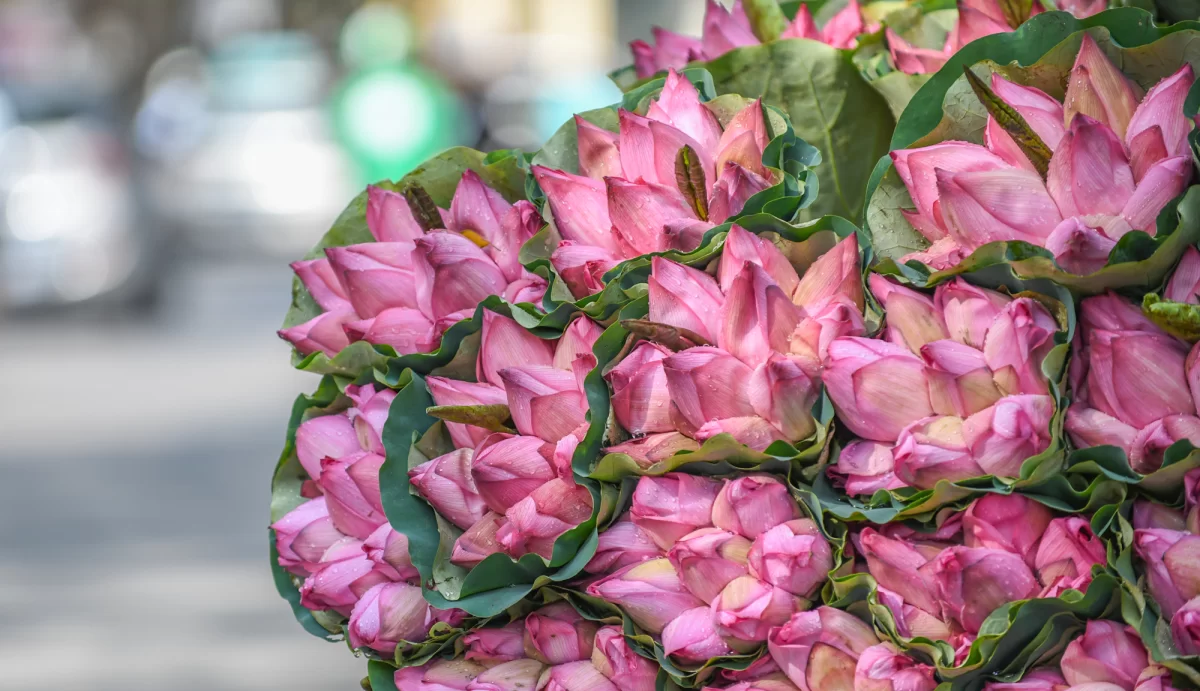
Founded over a thousand years ago on the banks of the Red River, Hanoi is a city that never ceases to surprise. French colonial architecture alongside ancient Buddhist pagodas, the smell of phở bò mingling with the aroma of roasted robusta coffee, scooter horns and morning bird songs: the Vietnamese capital is a sensory experience in itself.
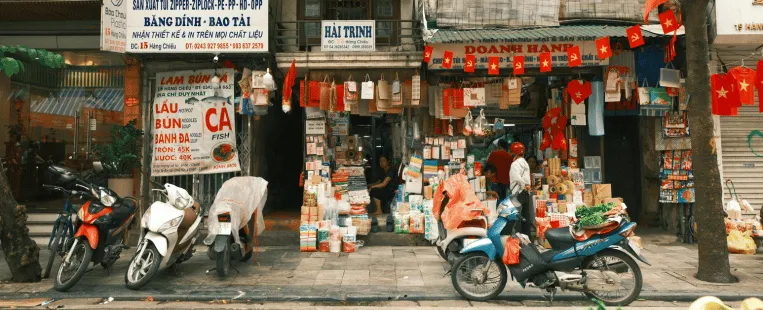
With its 9 million inhabitants, Hanoi is one of Southeast Asia's most dynamic metropolises. Its Old Quarter with its 36 guild streets — ranked among the best-preserved historic centers in the region — remains the living heart of the city. Each alley still bears the name of the craft once practiced there: the street of goldsmiths, silk merchants, stationers. A living heritage that one explores with wonder, on foot, as encounters unfold.
It is a city in full transformation, certainly — cranes punctuate the horizon and new neighborhoods emerge from the ground — but this energy is also what makes Hanoi so captivating. A witness to an emerging Asian modernity, it retains its soul, between incense-smoking temples and lively cafe terraces.
2. Air Quality in Hanoi: What You Need to Know
|
⚠ Air quality info: Like many major Asian capitals, Hanoi faces an air quality challenge. In 2024, the city had an average AQI of 125 according to IQAir. The good news: with a few simple precautions, this factor in no way prevents you from fully enjoying your stay. |
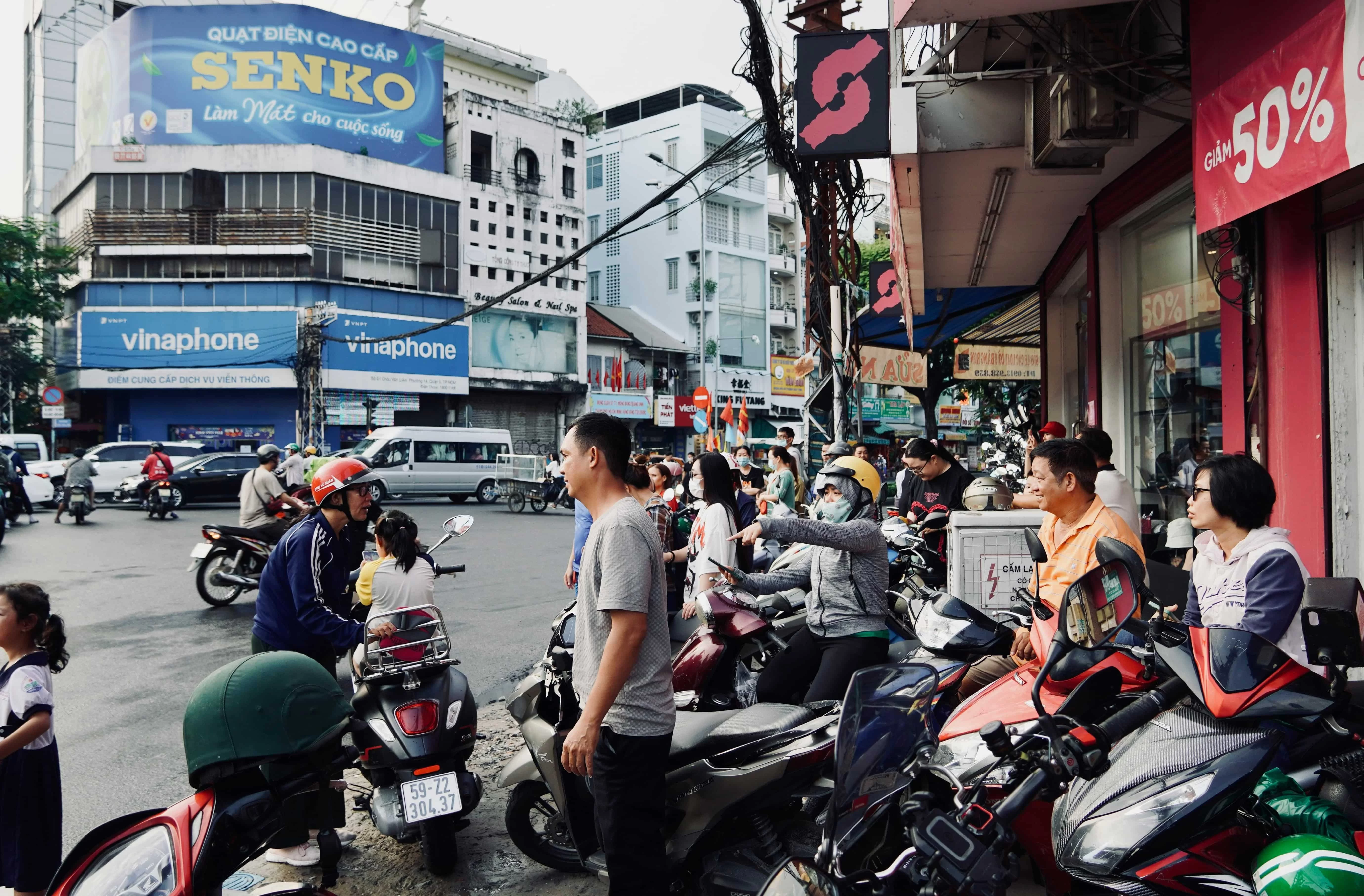
Hanoï is among the Asian cities concerned about air quality according to the annual IQAir ranking. It is important to put these figures into perspective: millions of travelers visit Hanoï every year without any particular health problems, and the city remains a major and magnificent tourist destination.
|
45 µg/m³ of PM2.5 Annual average 2024 |
8× above WHO threshold (5 µg/m³ recommended) |
Oct–Nov Best period for the purest air |
These data primarily concern PM2.5 fine particles, which are the reference pollutants for urban air quality. The situation is particularly more difficult between November and March, during winter thermal inversions. In contrast, in autumn (September to November), air quality in Hanoï significantly improves and the city then offers its best visiting conditions.
|
"Air quality in Hanoï varies greatly depending on the seasons. In October and November, conditions are much more favorable, comparable to those of other major Asian capitals." — Typic Travel · Local Vietnam Expert, IQAir data 2024 |
3. Where Does the Pollution Come From? Sources Explained
To understand and anticipate, it is useful to know the main sources of pollution in Hanoï. Here's what our teams on the ground observe daily:
|
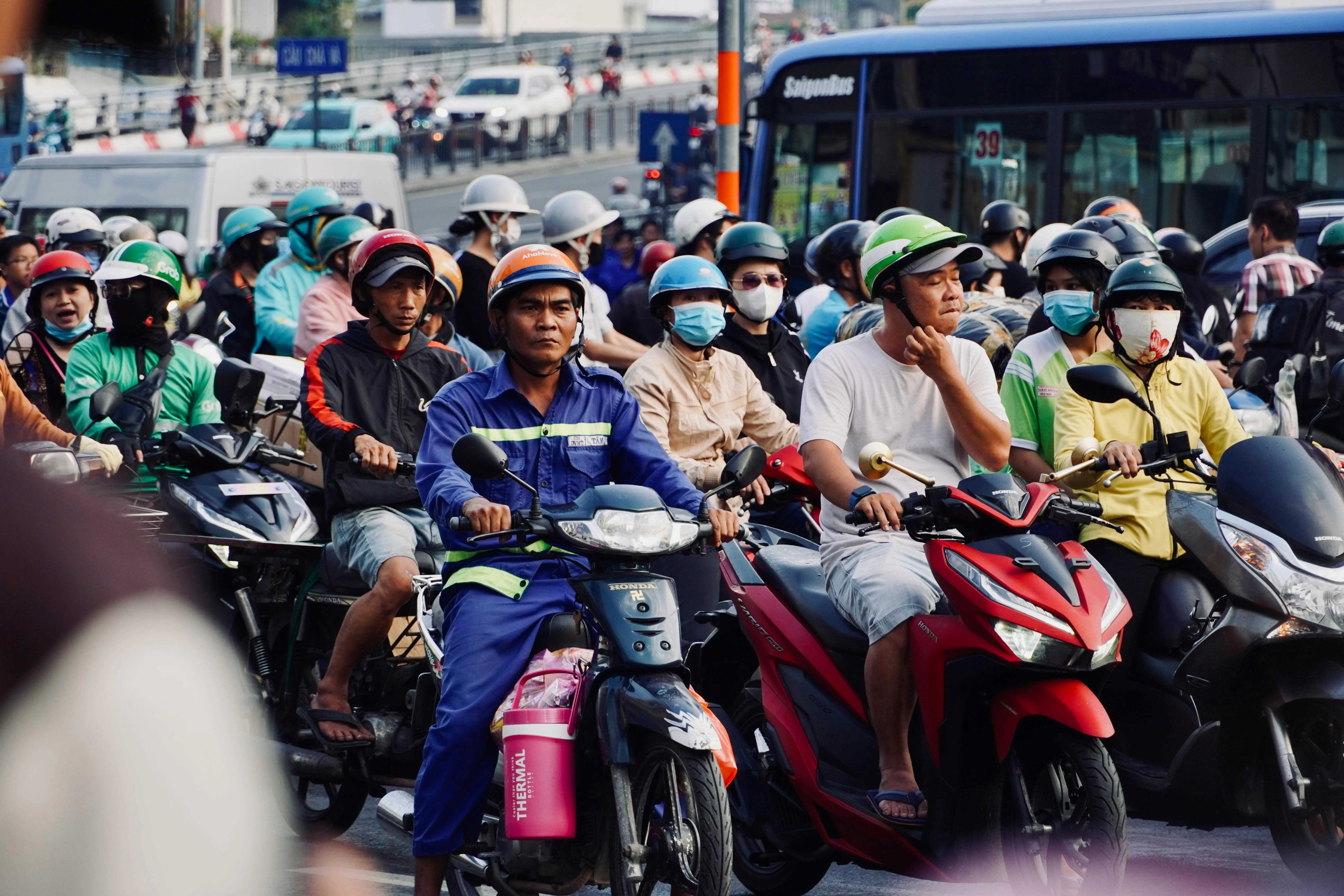
? Urban traffic More than 5 million motorcycles circulate in Hanoï. Main contributor to local pollution, especially during peak hours (7 am–9 am and 5 pm–7 pm). The transition to electric vehicles is underway. |
? Industry & construction sites Vietnam's strong economic growth is accompanied by industrial expansion in the Red River Delta. Stricter regulations are gradually being implemented. |
|
? Agricultural burning After rice harvests (June and October), burning straw residues can cause temporary pollution peaks. These episodes are limited in time. |
? Winter weather In winter, thermal inversions trap pollutants close to the ground. This phenomenon is specific to Hanoï's geography and climate, and naturally subsides in spring. |
4. Living in Hanoï: A City That Beats Strong
Beyond statistics, Hanoï is above all an extraordinarily vibrant city. Hanoïans have a remarkable capacity for adaptation and a communicative joy of life that captivates travelers from the very first hours. The city awakens before dawn, when the first street vendors push their carts through the still-sleeping alleys.
? One of Asia's most refined gastronomies
Hanoï cuisine is a reason to travel in itself. The phở bò — beef noodle soup with fresh herbs — is of incomparable subtlety. The bún chả (grilled pork patties with vermicelli, Barack Obama's favorite dish during his visit to Hanoï), the bánh cuốn (steamed rice rolls), the egg coffee cà phê trứng served on a low stool: each address is a discovery. Gastronomy here is a daily art of living.
? An exceptional historical and cultural heritage
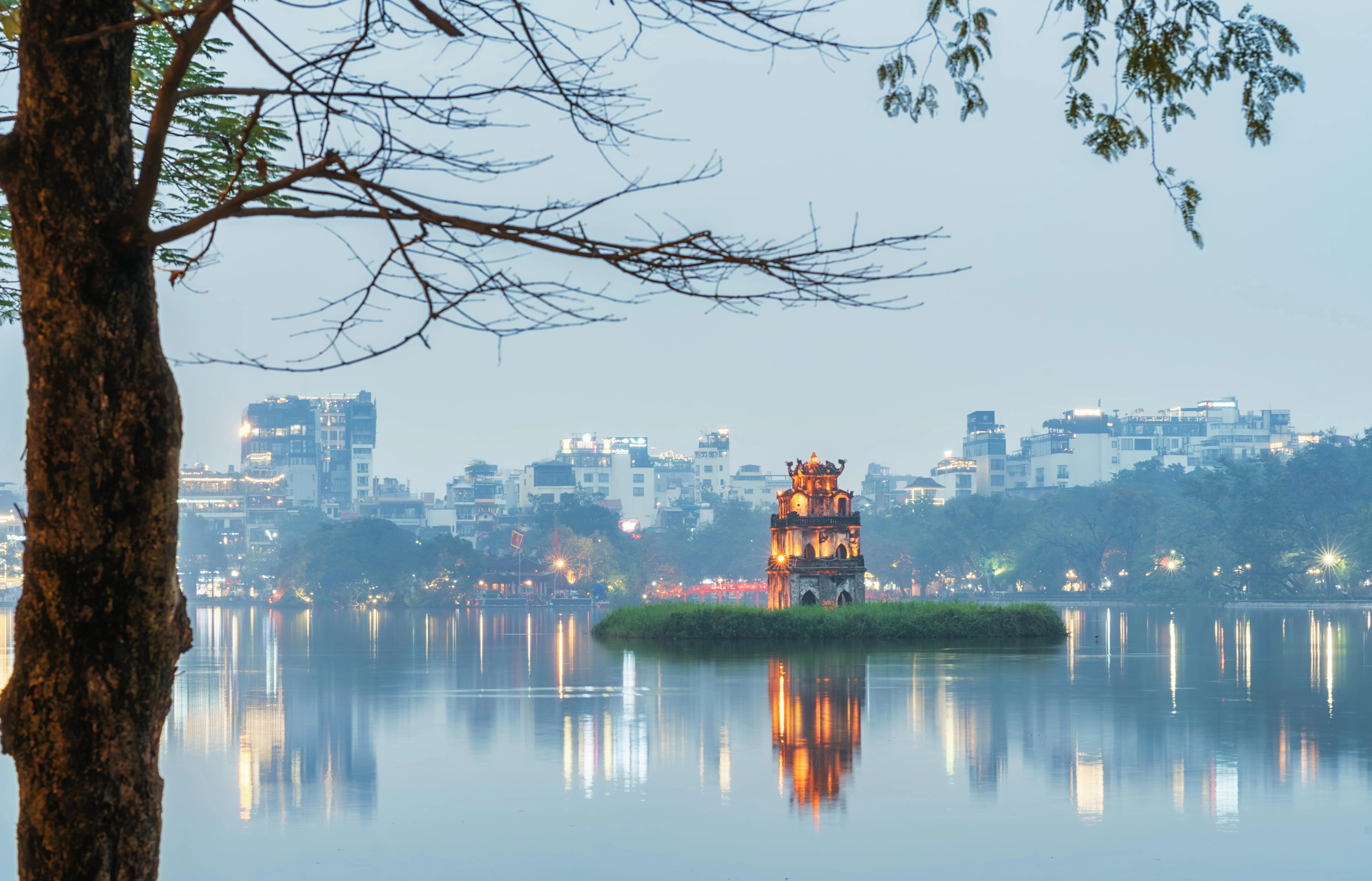
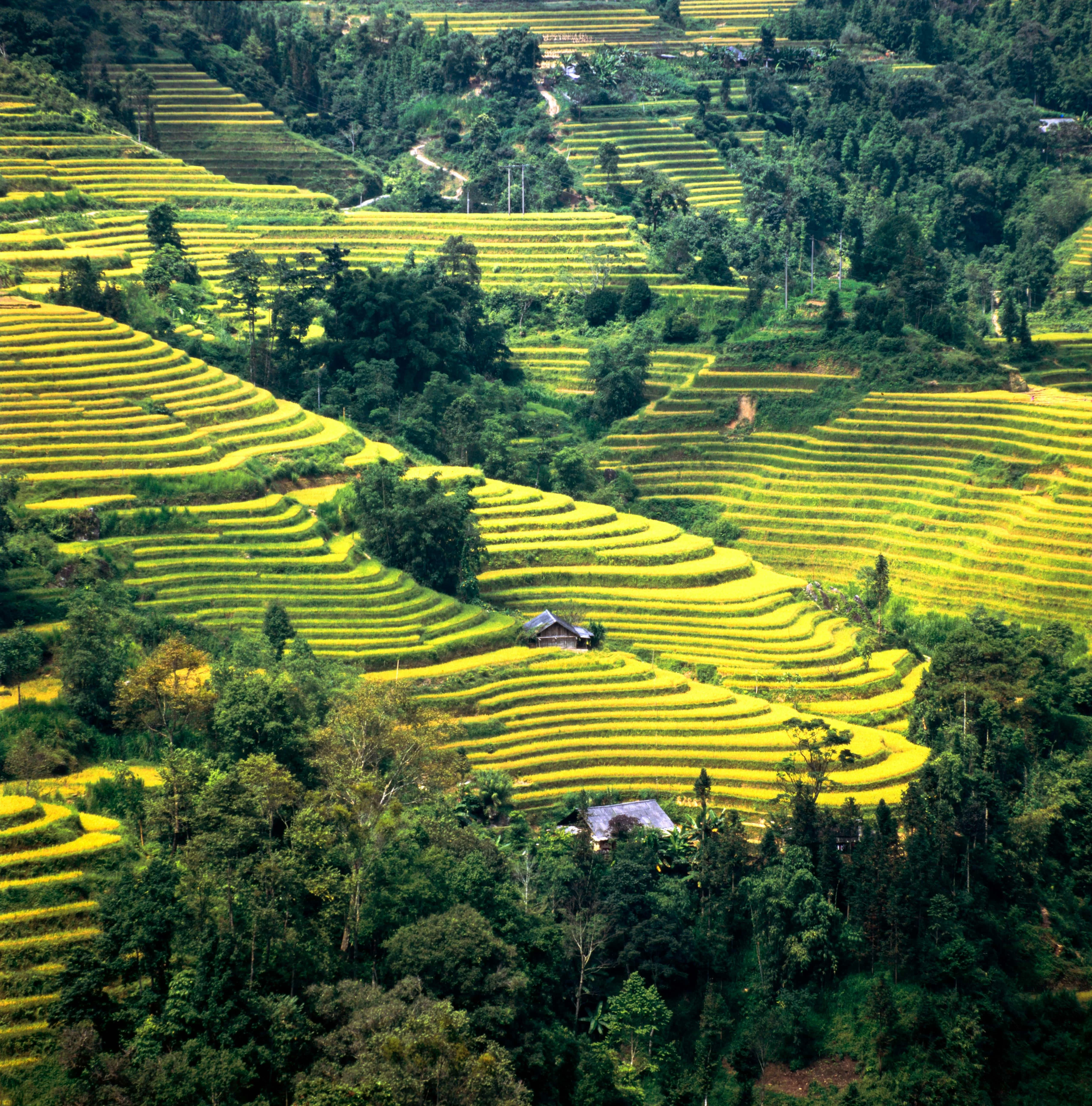
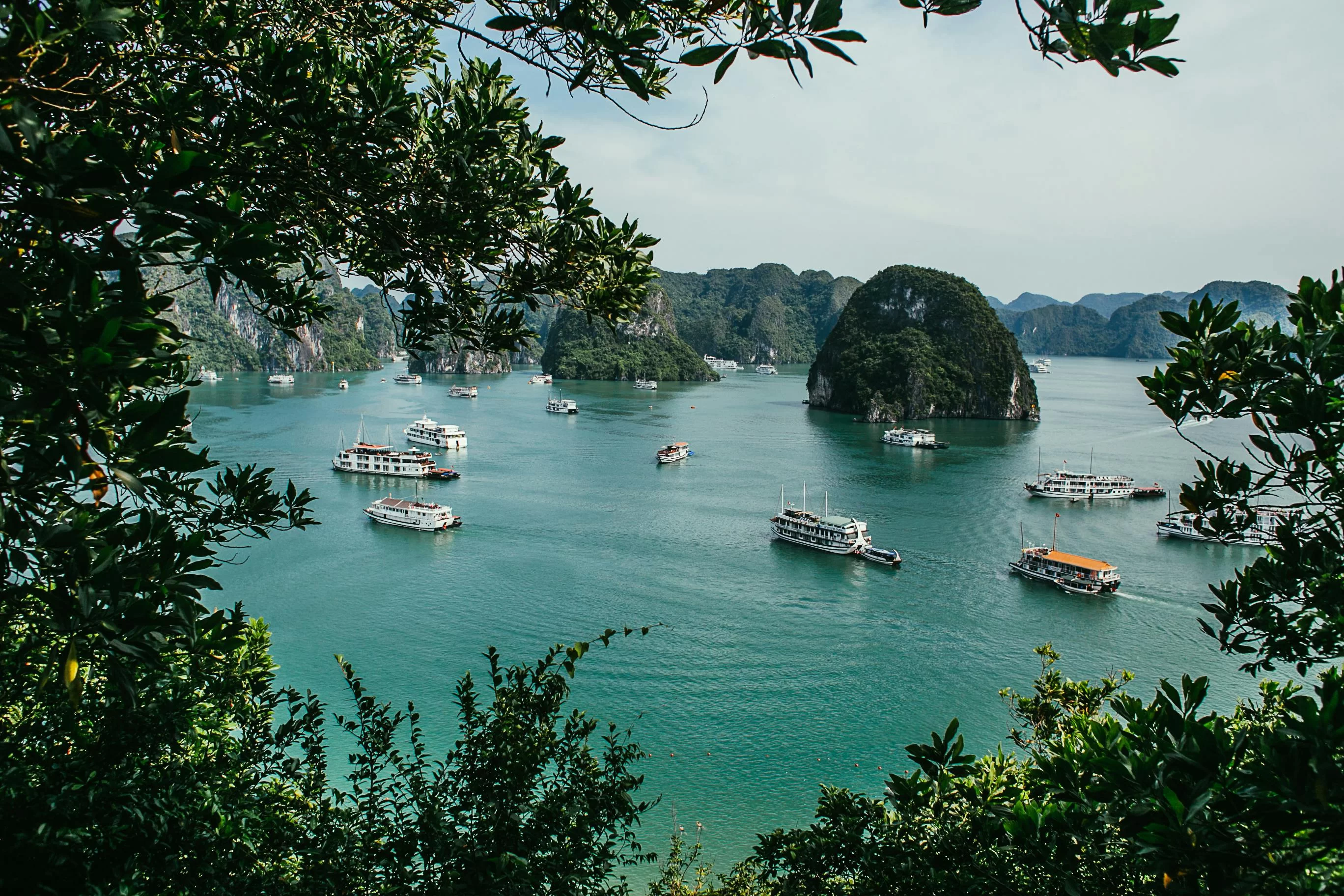
Hanoï abounds with sites of striking beauty. The Hoan Kiem Lake and its temple in the middle of the water, the One Pillar Pagoda, the Ho Chi Minh Mausoleum, the Vietnam Museum of Ethnology, the paved streets of the Old Quarter... not to mention the many colonial museums that bear witness to the complexity of the country's history. Less than 3 hours from the city, Ha Long Bay — a UNESCO World Heritage site — and the rice fields of Sapa offer unforgettable excursions.
? Green spaces, the city's lungs
Hanoï has many lakes and parks that offer cooler air and a peaceful atmosphere. The large West Lake (Hồ Tây), Thống Nhất Park and the botanical garden are all green refuges where you can experience local life. In the morning, you'll see locals practicing tai-chi or playing badminton — a spontaneous invitation to integrate into the city's rhythm.
|
✈ Want to discover Hanoï with a local expert? Our French-speaking guides will help you experience Hanoï from the inside — its secret addresses, the best times for each neighborhood, off-the-beaten-path experiences. → Request a free quote on typictravel.com |
5. When to Go? The Seasonal Calendar
Hanoï enjoys a humid subtropical climate with four distinct seasons — a rare characteristic in Vietnam. The choice of period influences both your climatic comfort and air quality. Here is our on-the-ground analysis:
|
? Autumn Sep – Nov ⭐ IDEAL PERIOD 24–30°C · Clear skies, purer air, golden light. The best season to visit Hanoï. Perfect for combining with Ha Long or Sapa. |
? Spring Feb – Apr ◆ VERY PLEASANT 23–33°C · Peach blossoms, Tết Festival. Festive atmosphere, decent air quality. Very good period to visit. |
|
❄ Winter Dec – Feb ⚠️ MASK RECOMMENDED 15–22°C · Festive atmosphere (Tết). Possible pollution peaks in January. KN95 mask recommended for prolonged outings. |
☀ Summer June – August — LESS RECOMMENDED 30–36°C, high humidity, tropical rains. Fairly clean air (rains wash the atmosphere) but difficult heat. Experienced travelers only. |
Our recommendation: October and November remain the two best months to visit Hanoï — more breathable air, ideal temperatures (24–28°C), magnificent photographic light. It is also the high season to combine with a cruise in Ha Long Bay or the terraced rice fields of Sapa.
6. Our Practical Tips for a Serene Trip
Millions of tourists visit Hanoï every year without particular problems. Here are the simple precautions we recommend to our travelers to fully enjoy their stay:
|
✅ Health & Comfort Checklist for Hanoï ✔ KN95 or FFP2 mask: to bring, useful in winter (Nov–Mar) during pollution peaks. In autumn, rarely necessary. ✔ IQAir app: check real-time air quality index before your outings. Free and open. ✔ Prefer accommodation with filtering air conditioning for long stays in winter. ✔ Enjoy mornings (5am–9am): the air is better and the city is at its most beautiful, between market and tai-chi. ✔ Asthmatic or cardiac people: consult your doctor before departure and bring your treatments. ✔ Hydrate well: at least 2 liters of water per day in hot weather or during long walks. ✔ Avoid main arteries during rush hours (7am–9am / 5pm–7pm) for your walks or bike rides. ✔ Explore the parks and the shores of West Lake to enjoy fresher air. |
|
? French Embassy in Vietnam The French Embassy in Hanoï publishes updated travel advice, particularly regarding health and air quality. Consult: vn.diplomatie.gouv.fr before your departure. |
7. Hanoï Reinventing Itself: Projects for a Greener Future
Hanoï is not a city that suffers: it is a city that acts. The Vietnamese government has approved a National Air Quality Plan 2026–2030 with ambitious PM2.5 reduction targets. Several projects are already transforming the face of the capital:
-
? Hanoï metro expanding: The Cát Linh–Hà Đông line has been in service since 2021. Several new lines are under construction to offer a real alternative to motorbikes by 2030.
-
? Restriction of thermal motorbikes: From July 2026, Hanoï will begin the progressive restriction of gasoline-powered two-wheelers in the city center — a historic decision welcomed by residents.
-
? Urban greening: Thousands of trees are planted every year as part of the capital's greening program. Lake shores and public parks are renovated and expanded.
-
⚡ Rise of electric vehicles: Electric scooters are multiplying in the streets, encouraged by government subsidies. The VinFast brand, based in Vietnam, is experiencing spectacular growth.
|
"Traveling to Hanoï today is to be a privileged witness to a historic urban transformation — a city reinventing itself while preserving its soul." — Typic Travel Team · Local Vietnam Expert |
8. Discover Our Tours for Inspiration
Ready to explore Hanoï and Vietnam with an expert who knows the area? Here are some ideas for tailor-made, fully private tours with a French-speaking guide:
|
? North Vietnam Tour Hanoï · Sapa · Ha Long · Ninh Binh 10–15 days From 890 € / pers. |
? North to South Vietnam Private tour · French-speaking guide 15–21 days From 1,299 € / pers. |
? Hanoï & Ha Long Bay Excursion & private cruise 7 days From 599 € / pers. |
|
→ Ready to plan your trip to Vietnam? Contact our team for a free and personalized quote typictravel.com · contact@typictravel.com · +84 9 79 37 46 58 → Request a free quote on typictravel.com |
? Useful Resources
Tags : Hanoï · Vietnam · Air Quality · Responsible Tourism · Southeast Asia · Travel Tips · Vietnam Climate
© 2026 Typic Travel Co., Ltd. · All rights reserved · typictravel.com