



Northern Vietnam: Complete Guide & Itinerary for an Unforgettable Trip

Nord Vietnam is a destination that promises a complete change of scenery and precious memories. For travelers seeking a journey that is authentic, comfortable, and rich in discoveries, this region is an ideal choice. Far from the hustle and bustle of the south, the north opens the doors to a world where nature reigns supreme, where traditions are alive, and where history has left a fascinating imprint. This comprehensive guide will reveal all the secrets to organizing a memorable trip to the heart of the majestic mountains, terraced rice fields, and ancestral traditions of Tonkin.
Table of Contents
Why visit Nord Vietnam?
Opting for Nord Vietnam means choosing a deep and diverse travel experience. This region, the cradle of the Vietnamese nation, concentrates a palette of landscapes and cultures that will appeal to curious minds and nature lovers. It is an immersion into an authentic Vietnam, where time sometimes seems to have stood still.
The natural assets of Nord Vietnam
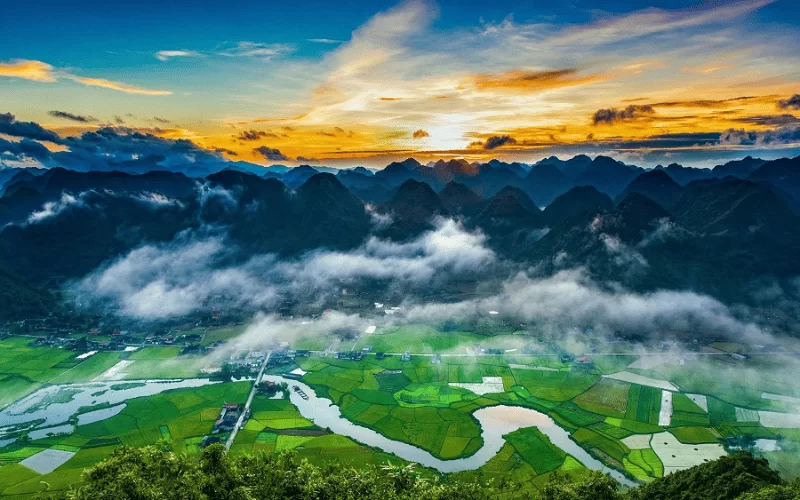
Nature in the north of the country is simply spectacular. This is one of the main reasons that attracts travelers from all over the world. From the misty peaks of Haut-Tonkin to the emerald waters of Halong Bay, nature unfolds in all its splendor.
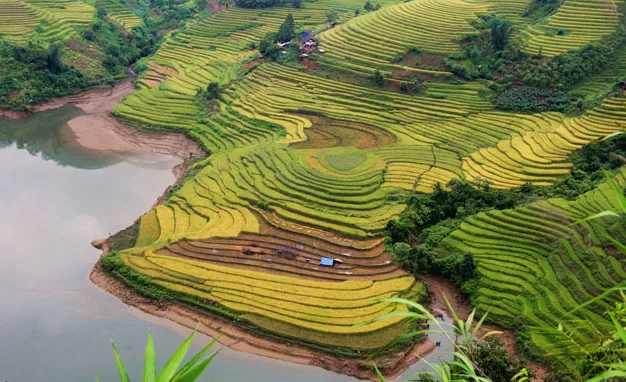
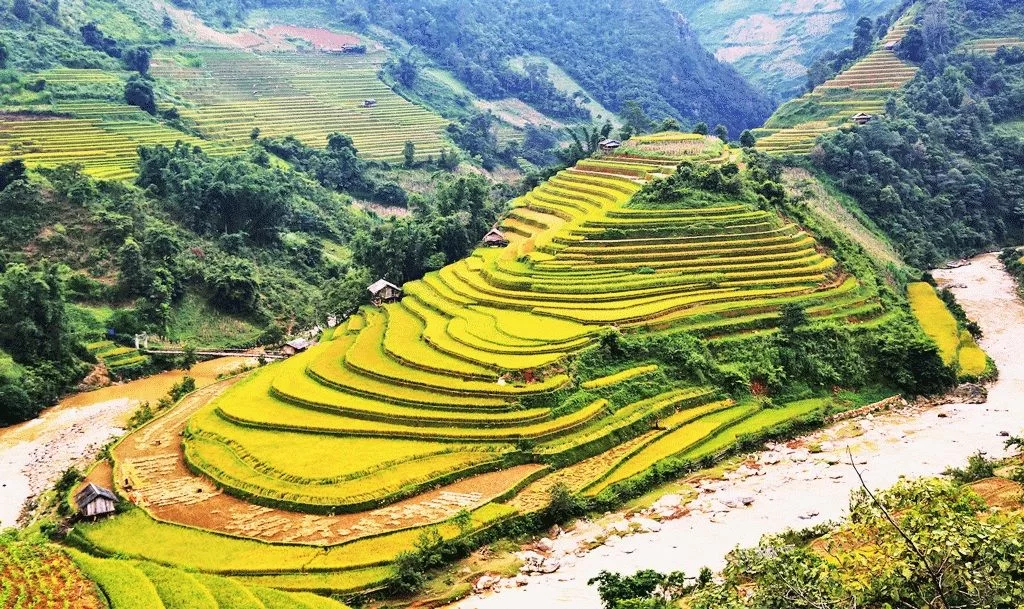
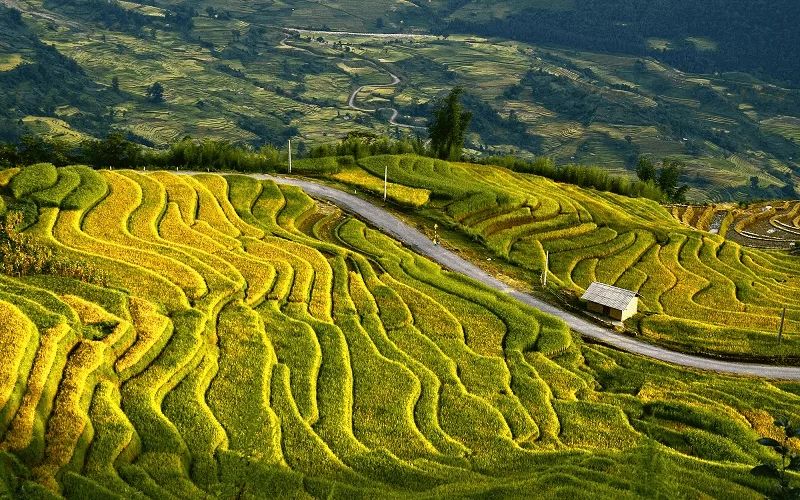
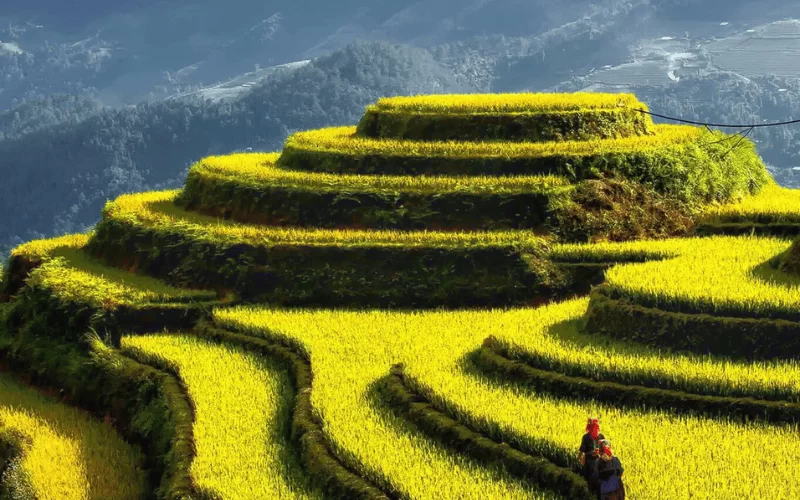
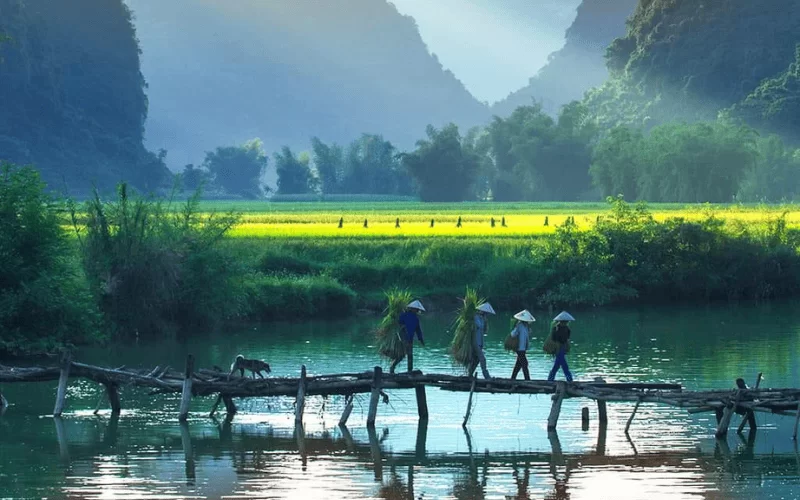
The terraced rice fields, carved into the mountainside by generations of farmers, offer a fascinating visual spectacle, particularly in the regions of Sapa, Mu Cang Chai, or Hoang Su Phi. Depending on the season, they adorn themselves with a tender green or a golden yellow, creating panoramas worthy of the most beautiful prints. These landscapes are not only aesthetic; they bear witness to the patient work of local peoples.
The karst mountains and dense tropical forests form another face of Nord Vietnam. Places like Ha Giang province, with its famous loop, or Ba Be National Park, home to the country's largest natural lake, are paradises for hiking and gentle adventure enthusiasts. These limestone reliefs, pierced by caves and underground rivers, create unique settings in the world, such as in Ninh Binh, nicknamed the "terrestrial Halong Bay".
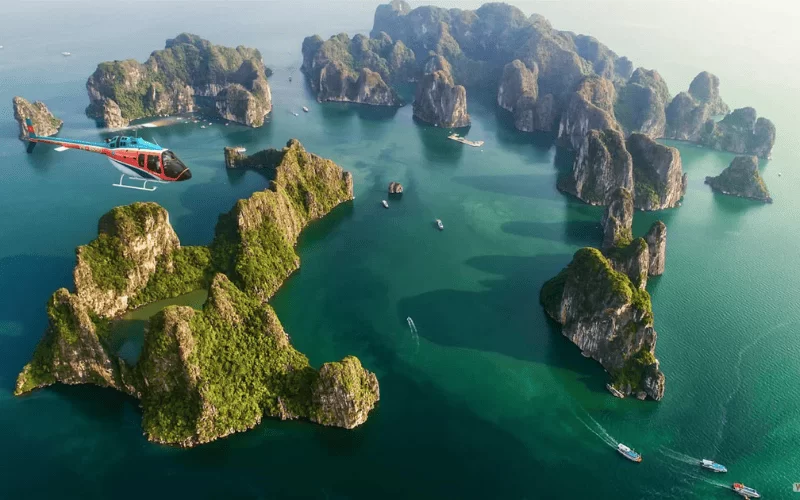
Among the must-sees, Halong Bay, a UNESCO World Heritage site, remains an absolute wonder. Sailing amidst its thousands of rocks emerging from the water is a magical experience. For those seeking more tranquility, Lan Ha or Bai Tu Long bays offer similar landscapes with fewer crowds.
The history and culture of Nord Vietnam
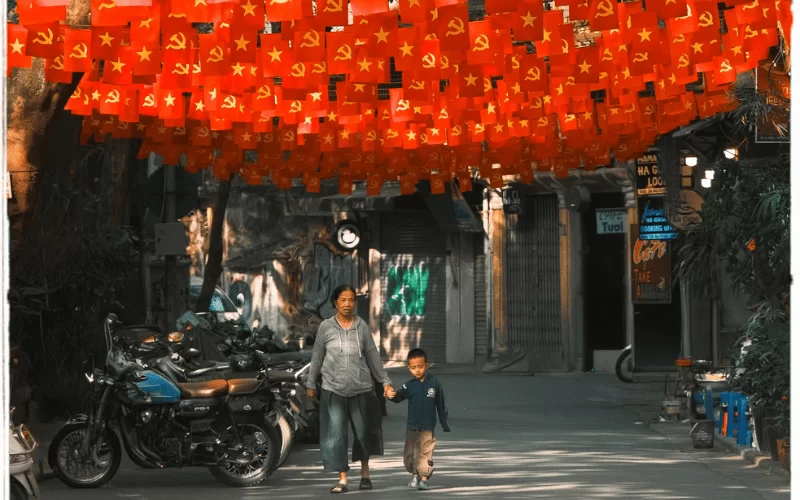
A trip to Nord Vietnam is also a dive into the country's history and culture. It is here, in the Red River Delta, that Vietnamese civilization took root. Hanoi, the millennial capital, is its living witness with its colonial architecture, ancient temples, and unique atmosphere.
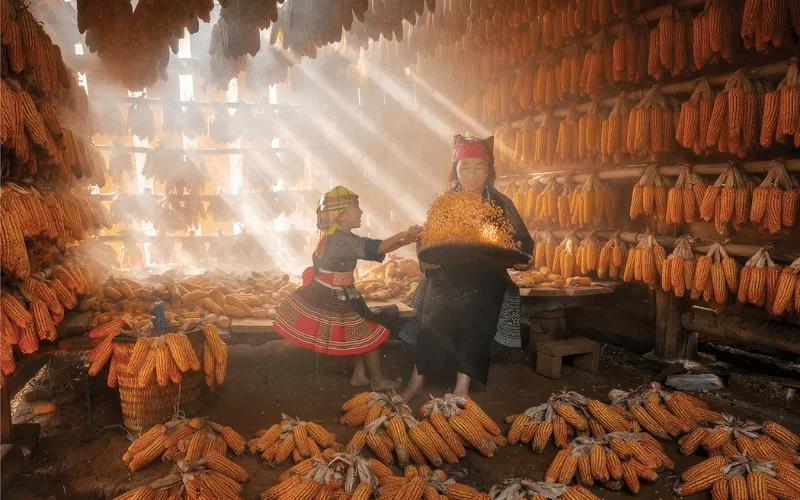
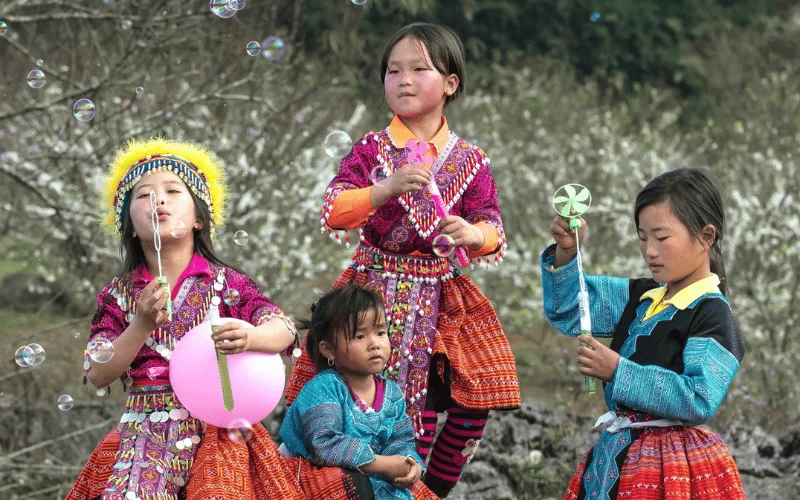
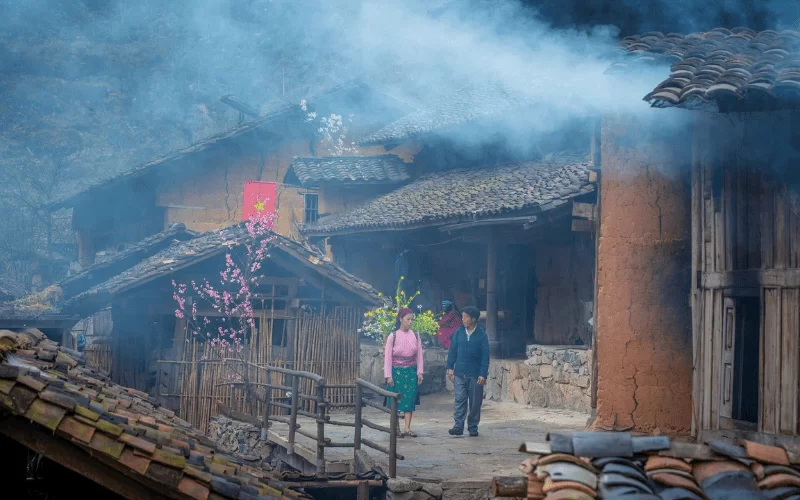
The region is also a melting pot of cultures, home to more than thirty ethnic minority groups. The Hmongs, Daos, Tays, Nungs... each has its own language, colorful traditional costumes, and ancestral customs. A trip to the mountains of the North is an exceptional opportunity to meet these peoples, share a moment in their villages, and discover a way of life in harmony with nature.

History has left a deep imprint, from the vestiges of the imperial citadel of Thang Long in Hanoi to the memories of the French colonial period, visible in the architecture of many cities. The battlefields of Dien Bien Phu, meanwhile, recall a more recent and tumultuous past, that of the struggle for independence.
Finally, the Nord calendar is punctuated by numerous festivals and traditions. Tet (Lunar New Year), mid-autumn festivals, or weekly ethnic markets are all opportunities to immerse oneself in local culture, taste culinary specialties, and attend colorful celebrations.
| For travelers over 50: Nord Vietnam is a particularly suitable destination. The warm welcome from locals, the possibility of organizing comfortable private transfers, the richness of cultural visits, and the soothing beauty of the landscapes make it an ideal setting for a stress-free and culturally enriching trip. Many local French-speaking agencies, notably Typic Travel, specialize in creating tailor-made itineraries, combining comfort, safety, and authenticity. |
When to go and how to prepare for a trip to Nord Vietnam?
Good preparation is the key to a successful trip. Knowing the climate and what to pack will allow you to fully enjoy your stay in this multifaceted region.
The climate of Nord Vietnam: When to go?
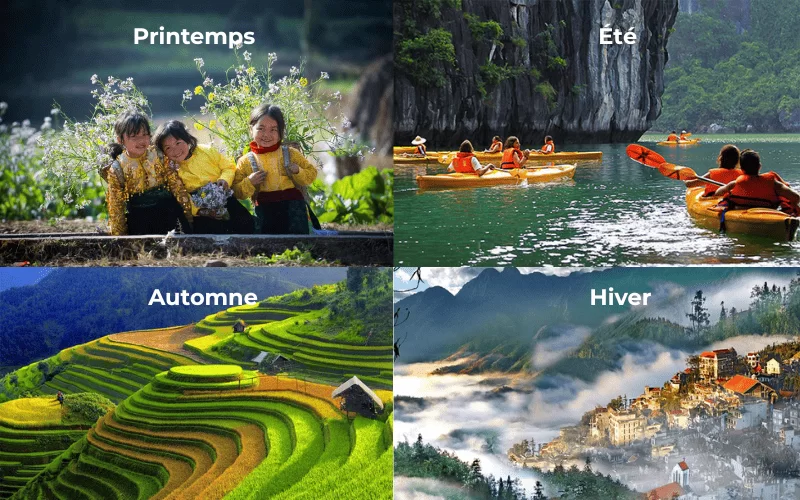
Nord Vietnam experiences four distinct seasons, unlike the South which only has two (dry season and rainy season).
- Spring (March to May): This is undoubtedly one of the best periods. The weather is generally dry and sunny, with pleasant temperatures. Nature is in full bloom, and it's the ideal time for hiking and discovering the landscapes.
- Summer (June to August): This season is hot and humid, with frequent rains, sometimes in the form of intense but short downpours. It is also the period when the rice fields are a vibrant green. However, one must be vigilant about the risks of typhoons, especially on the coasts and in Halong Bay.
- Autumn (September to November): This is the second ideal period. Temperatures become mild again, the sky is often clear, and rains become scarcer. It is the harvest season, and the terraced rice fields are adorned with a magnificent golden color.
- Winter (December to February): Winter is cool, even cold in the mountains, where temperatures can drop below 10°C. Fog and persistent drizzle are frequent. This season is less suitable for long hikes but gives the landscapes a mystical atmosphere. Hanoi and Halong Bay can be gray and cool.
| The best month to visit: For a comfortable trip, the months of September, October, November, April, and May are to be preferred. They offer the best compromise between mild temperatures and low precipitation. |
>> Learn more about: When to go to Vietnam? The best season to travel
Preparing your trip: Practical tips and mistakes to avoid
A well-prepared trip is a serene trip. Here are some tips to help you.
Travel tips:
- Health: Consult your doctor before departure to check your vaccinations. Take out travel insurance covering medical expenses and repatriation. Pack a basic first aid kit. Consult our essential health guide for your trip to Vietnam
- Money: The currency is the Vietnamese Dong (VND). Plan to have some cash for small purchases, but credit cards are accepted in hotels and restaurants in tourist areas. All about the Dong (VND)
- For seniors: Opt for a tailor-made itinerary with not too long stages, comfortable hotels, and a private vehicle with a driver. This avoids the fatigue of public transport and allows for total flexibility.
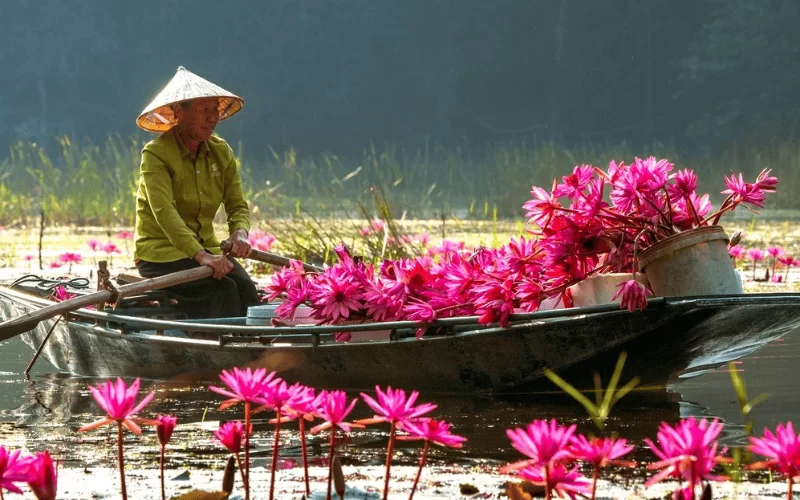
| Do not hesitate to ask for an itinerary with shorter journeys, comfortable and well-located hotels, and especially the services of a private driver to travel with complete peace of mind. |
Mistakes to avoid:
- Overloading your itinerary: Vietnam is best savored slowly. Trying to see everything in a short time is the best way to miss out on the essentials.
- Underestimating distances and travel times: Mountain roads can be winding and travel times longer than expected.
- Neglecting to protect yourself from the sun and mosquitoes: Hat, sunglasses, sunscreen, and repellent are essential.
Essential accessories to pack:
- Light clothing made of cotton or linen.
- Waterproof and breathable rain gear, regardless of the season.
- A fleece or warm sweater for evenings and mountainous regions, especially in winter.
- Good, comfortable walking shoes.
- A personal first-aid kit.
- An electrical adapter (type A/C).
>> Planning a trip to the North? Don't close your suitcase before reading this: What to pack in your suitcase for a trip to North Vietnam?
Map of North Vietnam & unmissable regions
Visualizing the region's geography is essential for building a coherent itinerary. The North revolves around the Red River Delta, with Hanoi as its central point, and extends towards the Northwest and Northeast mountains.
Interactive map
Suggestions for tailor-made itineraries
The possibilities for itineraries are endless. Here are two suggestions, adaptable to your desires and pace.
7-day itinerary in North Vietnam: The essentials
This condensed itinerary allows you to discover the major sites without rushing.
- Days 1-2: Hanoi, the historical heart
- Arrival and check-in. Visit the Old Quarter and Hoan Kiem Lake. Water puppet show. The next day, discover the Temple of Literature, Ho Chi Minh's mausoleum (exterior), and the Museum of Ethnography.
- Day 3: Ninh Binh, the terrestrial Halong Bay
- Drive to Ninh Binh. Flat-bottom boat ride in Trang An or Tam Coc, amidst rice paddies and karst formations. Ascent of Hang Mua peak for a panoramic view.
- Days 4-5: Halong Bay, the natural wonder
- Journey to Halong Bay. Embark on a 2-day, 1-night cruise aboard a traditional junk. Seafood meals, kayaking, swimming, and cave visits. Overnight on board, in the heart of the bay.
- Day 6: Return to Hanoi
- Morning navigation in the bay. Disembark after lunch and drive back to Hanoi. Free evening for last-minute shopping or to savor the capital's gastronomy.
- Day 7: Departure
- Free time depending on your flight schedule, then transfer to the airport.
Longer itinerary: 10 to 14 days for a deep immersion
This itinerary allows you to go off the beaten path and immerse yourself more deeply in the local culture.
- Days 1-2: Hanoi (similar to the 7-day itinerary)
- Day 3: Mai Chau, the valley of the Thai ethnic groups
- Drive to Mai Chau. Check into a stilt house (comfort version available). Bike ride through the rice paddies and villages of the White Thai ethnic group. Traditional dinner and dance performance.
- Day 4: Pu Luong Reserve
- Discover the Pu Luong Nature Reserve, less touristy than Mai Chau, with its terraced rice fields and bamboo waterwheels. Easy hike and overnight stay in an eco-lodge with breathtaking views.
- Day 5: Return to Hanoi via Ninh Binh
- Possibility to revisit a site in Ninh Binh or discover the ancient capital of Hoa Lu before returning to Hanoi.
- Day 6: Overnight train to Lao Cai (Sapa)
- Free day in Hanoi. In the evening, embark on an overnight train to Lao Cai, a typical travel experience.
- Arrival in Lao Cai and transfer to Sapa. Hike adapted to your level through the Muong Hoa valley, meeting the Black Hmong and Red Dao ethnic groups. Overnight stay with locals for an authentic immersion (or in a comfortable hotel in Sapa).
- Visit a colorful local market (depending on the day: Bac Ha on Sunday, Can Cau on Saturday...). Return to Lao Cai for the overnight train to Hanoi.
- Morning arrival in Hanoi. Departure for Lan Ha Bay, a more intimate alternative to Halong. Cruise, kayak in secret lagoons, overnight on board.
- Morning in the bay and return to Hanoi in the late afternoon.
- Day dedicated to more in-depth visits, strolling or shopping. Departure.
| Good to know: Itineraries are fully customizable. You can replace Sapa with Ha Giang province (for the more adventurous), or add an extension to Ba Be Lake. The important thing is to build a trip that suits you, prioritizing the quality of experiences over the quantity of sites visited. |
Where to go and what to do? The must-sees of Northern Vietnam
Where to go in Northern Vietnam? The choices are numerous, but some destinations are truly unmissable.
The best destinations in Northern Vietnam
- Sapa and Mu Cang Chai: Trekking and cultural immersion In the heart of the Hoang Lien Son mountains, Sapa is the ideal starting point for hikes through the terraced rice fields. It is the privileged place to meet the many ethnic groups of the region and, for those who wish, share an authentic night with locals.
- Ha Long Bay: Cruise and water activities Unmissable, a cruise on Halong Bay is a magical moment. Beyond contemplation, you can kayak, explore caves, visit floating fishing villages or simply swim in its jade-colored waters.
- Ninh Binh: Bike explorations and temples Easily accessible from Hanoi, Ninh Binh seduces with its landscapes of "terrestrial Halong Bay". Boat trips in Trang An and bike explorations along the rice fields and rocky peaks are gentle and rejuvenating activities, punctuated by visits to ancient temples and pagodas.
Activities not to miss in Northern Vietnam
- Trekking and hiking: Whether it's an easy few-hour walk in Mai Chau valley or a multi-day trek in Ha Giang, hiking is the best way to soak up the beauty of the landscapes.
- Cruise: An overnight stay on a junk in Halong Bay or Lan Ha Bay is an essential experience to appreciate the majesty of the site.
- Visit local markets: The weekly mountain markets (Bac Ha, Dong Van...) are bustling and colorful places where ethnic groups come to exchange their products. It's a fascinating spectacle.
- Savor the gastronomy: Northern cuisine is renowned for its finesse. Don't miss tasting a traditional Pho in Hanoi, a Cha Ca La Vong (grilled fish with dill) or mountain specialties. Participating in a cooking class is an excellent way to discover its flavors.
- Meet ethnic minorities: Meeting local communities, whether during a village visit or an overnight stay with locals, is a profoundly enriching human experience, to be approached with respect and humility.
Itineraries and tours: our typical suggestions and local secrets
For a truly unique experience, it is advisable to seek local expertise that can create a balanced itinerary, mixing must-see sites and confidential discoveries.
Our tailor-made tours for every traveler profile
A good tour must adapt to your expectations.
- Tour Local Adventure: Journey along the mythical Red River: Charming hotels, private vehicle, experienced French-speaking guides, relaxed pace, emphasis on cultural visits, gastronomy, and well-being.
- Tour Vietnam, Eastern Tonkin to Ha Long Bay: Alternating comfortable hotels and overnight stays with locals in traditional converted houses, moderate hikes, discovery of less frequented regions like Hoang Su Phi or Ba Be Lake.
- Tour Northern Vietnam, High Mountains & High End: For travelers with more time and an adventurous spirit, an itinerary in the remote province of Lao Cai or the rice terraces of Mu Cang Chai offers some of the most spectacular landscapes in the country and total immersion.
Tips for ethical travel
A successful trip is also a responsible trip. Tourism can and must be a positive force for local communities and the environment.
- Choose eco-responsible accommodations: More and more hotels, lodges, and guesthouses are committed to a sustainable approach (waste management, water saving, local employment). Prioritize these establishments.
- Respect local cultures: Adopt appropriate attire, especially when visiting temples or villages (shoulders and knees covered). Always ask permission before photographing people. Learn a few Vietnamese words ("Xin chào" for hello, "Cảm ơn" for thank you), it will be greatly appreciated.
- Support local initiatives: Buy your souvenirs from artisan cooperatives or directly from producers in the markets. Eat in small local restaurants.
- Protect the environment: Refuse plastic bags, bring a reusable water bottle to limit bottle waste, and leave no trace of your passage during hikes.
How to get to Northern Vietnam?
Organizing transportation is a central element of planning your trip.
The best means of access: plane, train, bus
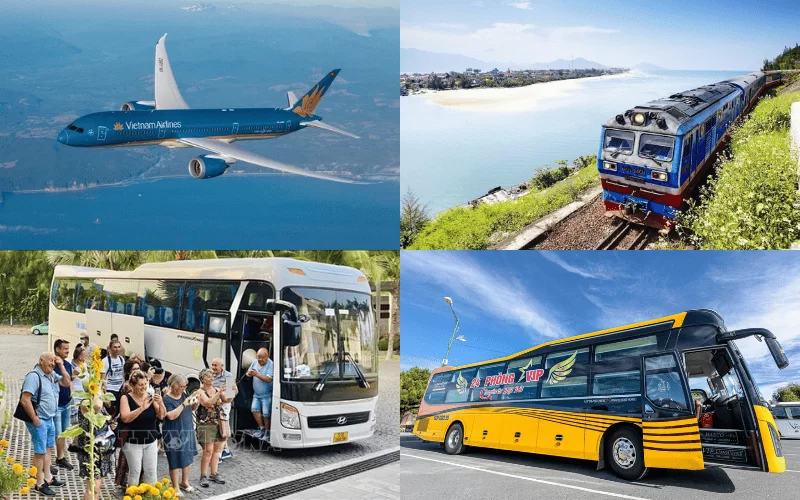
- Plane: The international airport of Noi Bai (HAN) in Hanoi is the main gateway to Northern Vietnam. It is served by many international airlines. It is also a hub for domestic flights if you wish to quickly reach cities like Dien Bien Phu.
- Train: The train is a pleasant mode of transport for long distances, especially the overnight journey between Hanoi and Lao Cai (for Sapa). It offers relative comfort (by choosing "soft sleeper" cabins) and a local travel experience.
- Private car with driver: For travelers seeking comfort, flexibility, and safety, this is the ideal solution. It allows you to stop wherever you want, travel at your own pace, and access sites not served by public transport.
- Bus: The bus network is very developed and economical. There are classic day buses and sleeper buses for long overnight journeys. Comfort can be basic for older travelers.
Tips for a Smooth Trip
- Book in advance: For domestic flights, train tickets, and Halong Bay cruises, it is imperative to book well in advance, especially during peak season.
- Confirm your tickets: Always check departure times the day before.
- Be patient: Unexpected events are part of travel. Stay calm in case of delays; it's often an opportunity for unexpected encounters.
- Trust a local agency: Managing logistics (transport, accommodation, guides) can be complex. Entrusting this task to a local French-speaking agency guarantees a stress-free, perfectly optimized, and secure trip. Typic Travel is a reputable French-speaking local agency known for its expertise and personalized approach. Specializing in creating tailor-made tours, they will design an authentic and comfortable journey for you, perfectly adapted to your desires for discovery in Nord Vietnam.
Nord Vietnam is a land of promises, a place where the majesty of nature combines with the richness of cultures. It is a destination that leaves a lasting impression and unforgettable memories. By taking the time to discover it, by letting yourself be guided by its poetry and the kindness of its inhabitants, you will experience much more than a simple trip: a true encounter with the soul of Vietnam.
Contact us to design together a tailor-made and stress-free trip, discovering the hidden treasures of Nord Vietnam.