

Vietnam Tourist Map version 2026 - to better plan your trip
Vietnam is a country of incredible diversity, both geographically and culturally. To make the most of your stay, a good understanding of the tourist map of Vietnam is essential.

In this article, we will guide you through the main regions and attractions, give you tips for planning your itinerary according to your preferences and constraints, and share practical advice for getting around and fully enjoying your trip. Get ready to dive into the beauty and authenticity of Vietnam!
Table of Contents
1. Overview of Vietnam
Essential Geographical Data
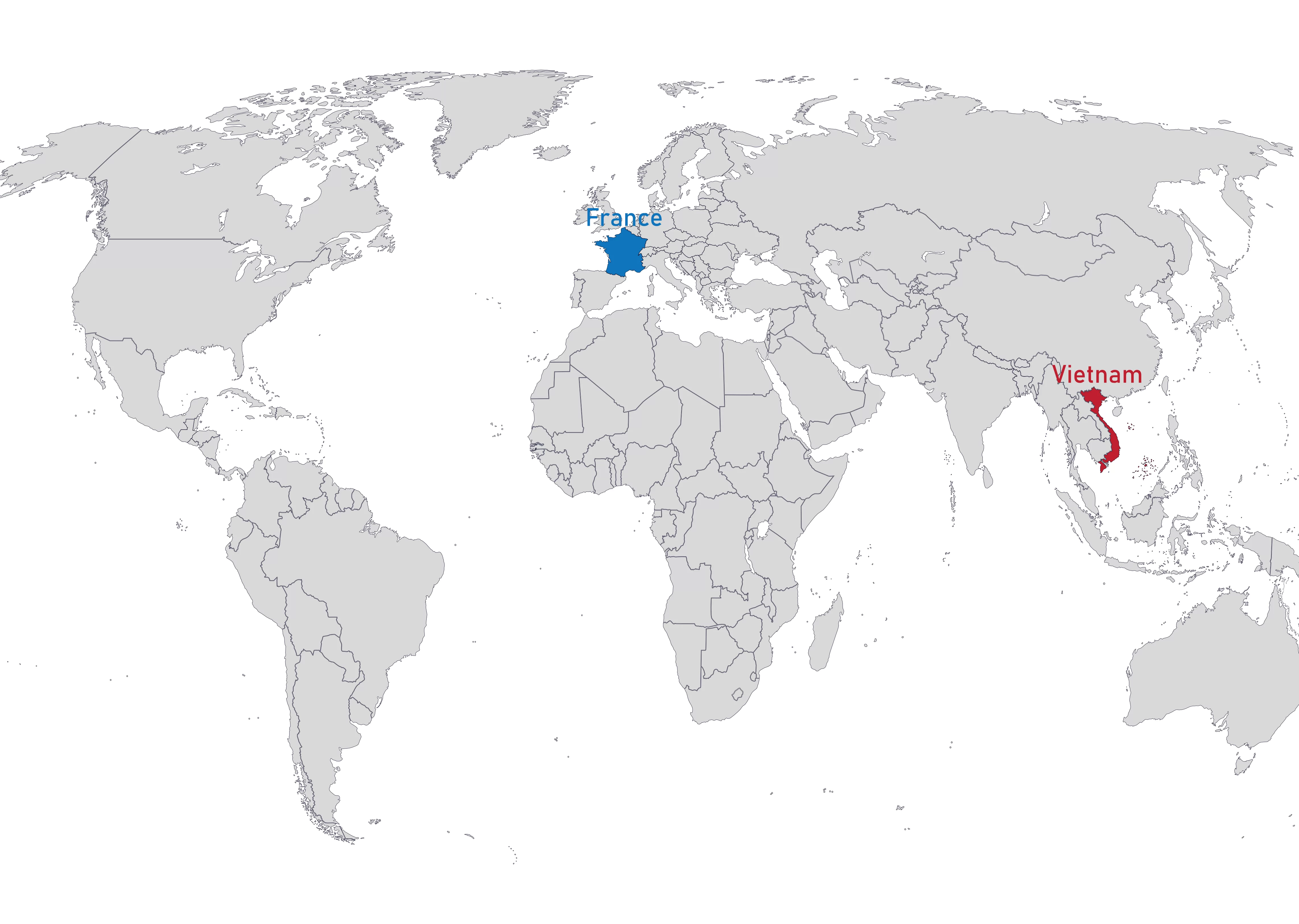
Located in Southeast Asia, Vietnam stretches over 1,600 km from North to South, bordered by China, Laos and Cambodia. The country boasts a 3,260 km coastline along the East Sea. The terrain is varied, with fertile plains in the Red River and Mekong deltas in the North and South respectively, and imposing mountain ranges like the Truong Son in the Center. The climate is predominantly tropical, with marked regional variations.
Administrative and Tourist Division
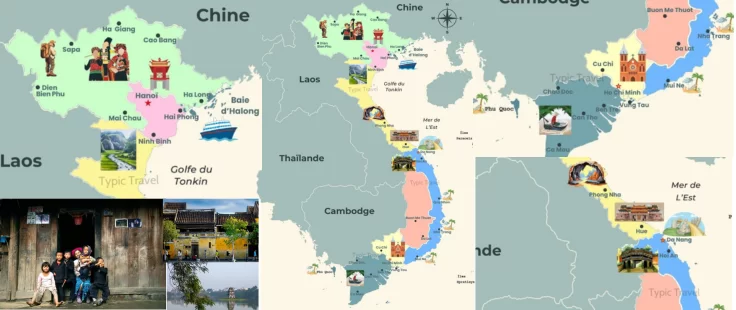
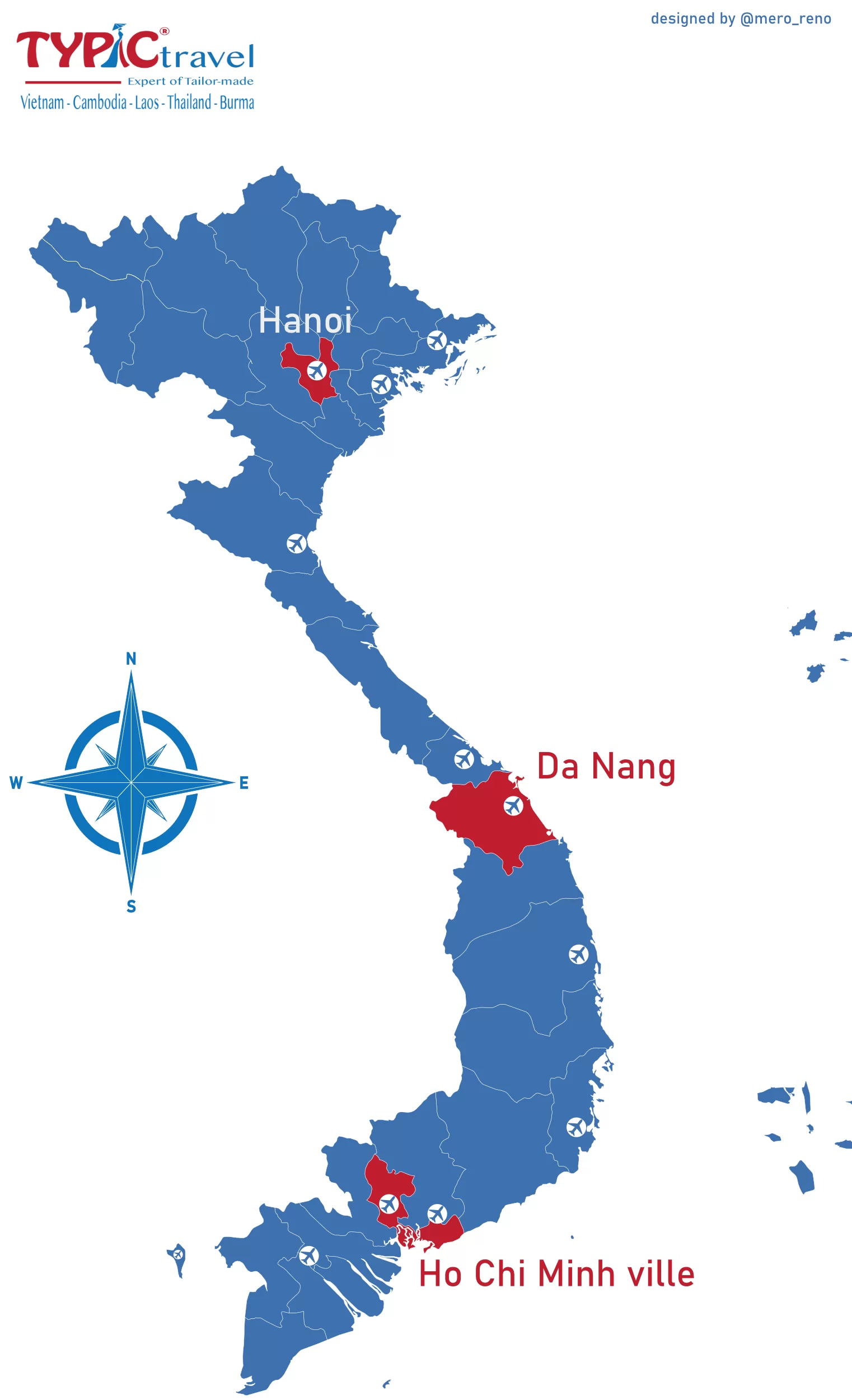
Vietnam is divided into 28 provinces and 6 municipalities, but it is generally distinguished into three major tourist regions:
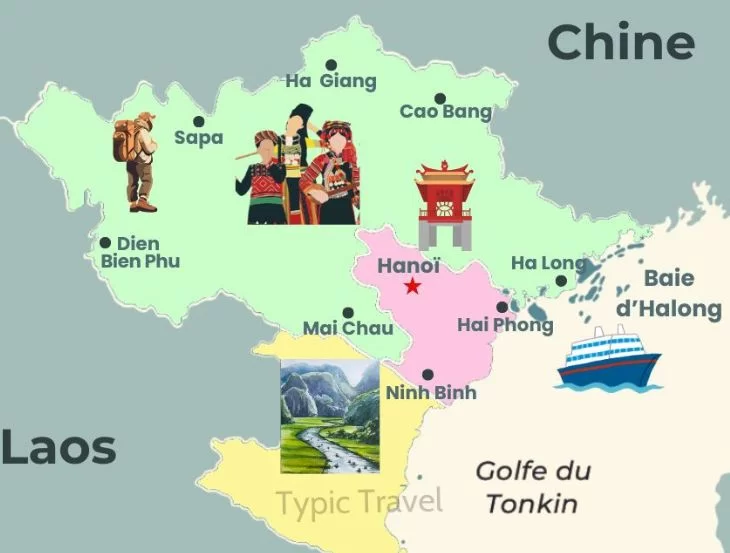
- The North, with Hanoi, Ha Long Bay, Ninh Binh, Sapa, Ha Giang and ethnic minorities
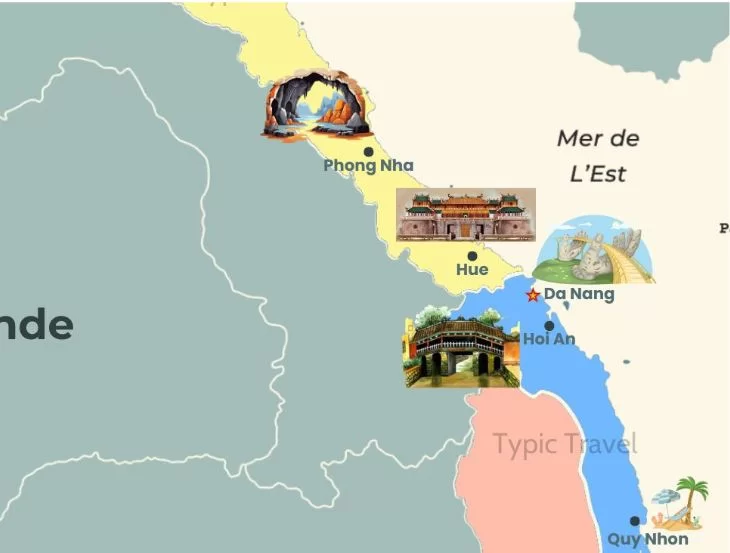
- The Center, with the historic cities of Hue and Hoi An, and the beaches of Da Nang
- The South, with the bustling Ho Chi Minh City, the Mekong Delta and the paradise islands.
2. Tourist Map of Vietnam
At over 1,600 km long, understanding the tourist map of Vietnam is not just about finding your way, but especially about avoiding costly logistical errors.
Unlike a simple administrative map, a good travel map should help you decipher the three major regions (North, Center, South), visualize the real distances between Hanoi and Ha Long Bay, or decide if an internal flight to Phu Quoc is necessary.
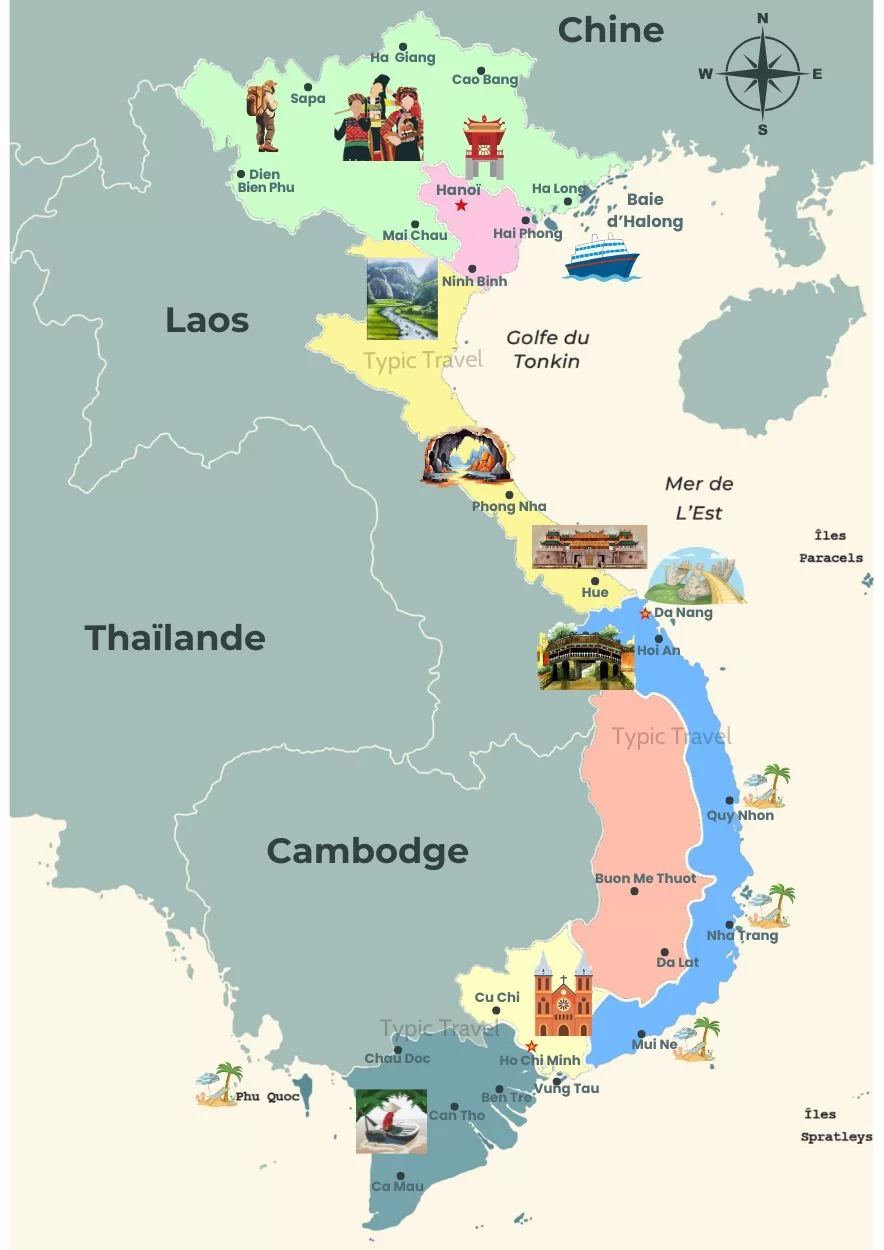
We will break down the geography of Vietnam for you with the eye of a local expert, so you can build a coherent itinerary, optimized according to the weather and your desires, without wasting time on transportation.
3. North Vietnam Tourist Map: Mountains and Bays
Hanoi and its surroundings
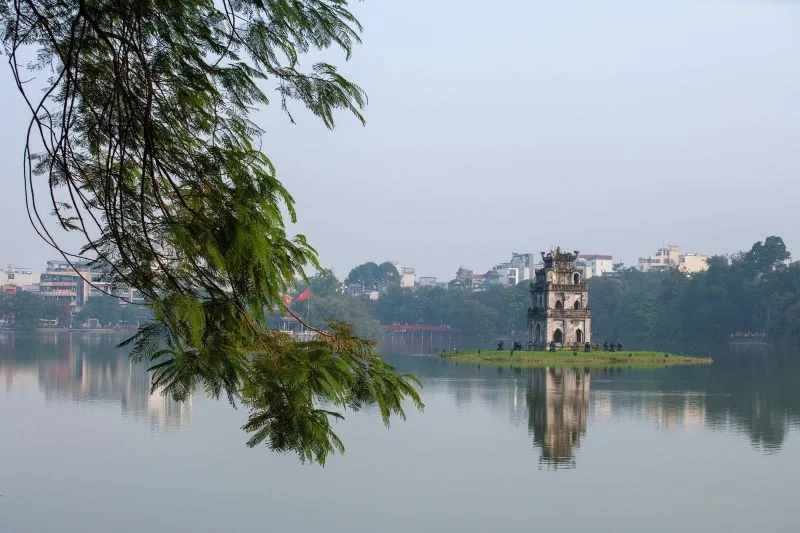
Hanoi, the millennial capital, is the cultural and historical heart of the country. Stroll through the alleys of the Old Quarter, visit the Ho Chi Minh Mausoleum and the Temple of Literature, then relax by Hoan Kiem Lake. Nearby, don't miss the charming Duong Lam and the sublime landscapes of Tam Coc, the "Halong Bay on land".
| Hesitating between visiting Ho Chi Minh City or Hanoi? Check out our blog: Hanoi or Ho Chi Minh City |
Halong Bay and Lan Ha Bay
A UNESCO World Heritage natural wonder, Halong Bay and its 1,600 karst islands is a must-see. Opt for a traditional junk cruise to admire the caves, floating villages, and magical sunsets. For a more intimate experience, prefer the neighboring Lan Ha Bay, still preserved from mass tourism.
The mountainous regions
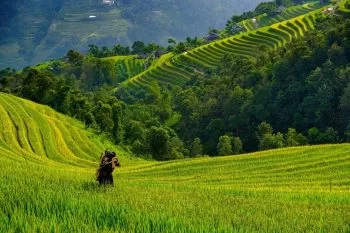
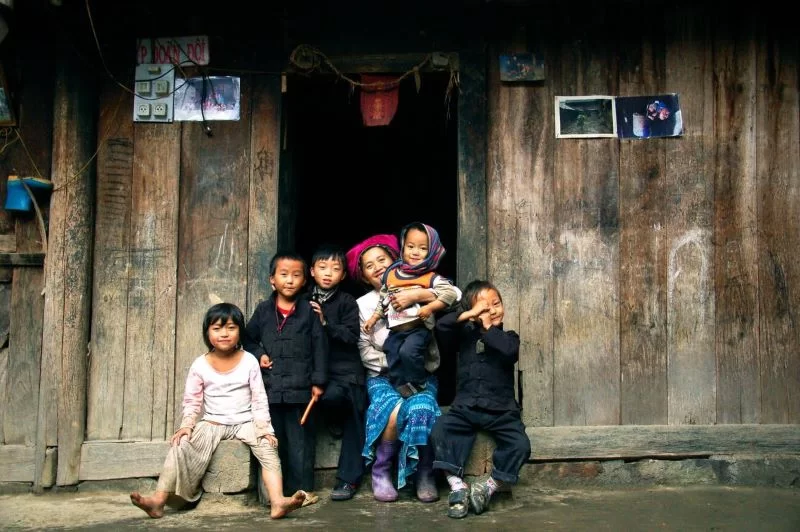
For an immersion in nature and traditional cultures, head to the mountains of the Northwest. In Sapa, Ha Giang, go hiking through the majestic terraced rice fields and meet the Hmong and Dao ethnic groups. Further South, Mai Chau, Ninh Binh, Pu Luong offer enchanting landscapes of lush valleys and limestone peaks, perfect for bike rides and homestays.
4. Central Vietnam Tourist Map: Sea and Culture
Hue and its imperial heritage
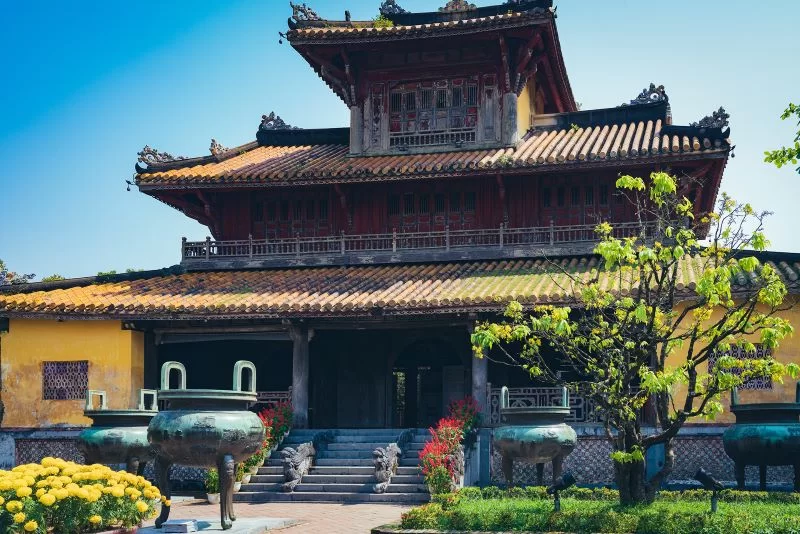
Former imperial capital, Hue is home to the monumental Imperial City, a UNESCO World Heritage architectural marvel. Explore the temples, pagodas, and palaces of this vast complex, then visit the majestic tombs of the Nguyen emperors, nestled in splendid natural settings. Don't forget to taste the refined culinary specialties of the imperial court!
Hoi An and its surroundings
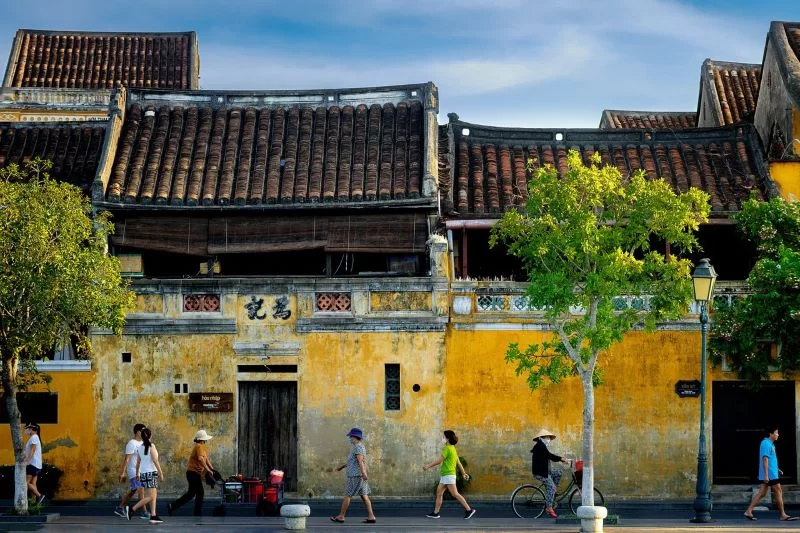
Hoi An is a jewel of Vietnamese heritage, with its unique charm as an old port city. Wander through the narrow streets lined with ancient houses, have a custom-made garment tailored, or savor a typical dish in a traditional restaurant. Enjoy the beautiful beaches and islands nearby, such as An Bang or Cham, and attend a workshop with local artisans.
Da Nang and the central coast
Da Nang, the country's third-largest city, combines historical sites and modernity on the central coast. Climb the picturesque Marble Mountains, relax on the long Non Nuoc beach, and admire the impressive Dragon and Cau Vang bridges. Attend a fireworks display during the annual international festival. In terms of infrastructure, the city now rivals international standards.
5. South Vietnam Tourist Map: Modernity and Dynamism
Ho Chi Minh City and region
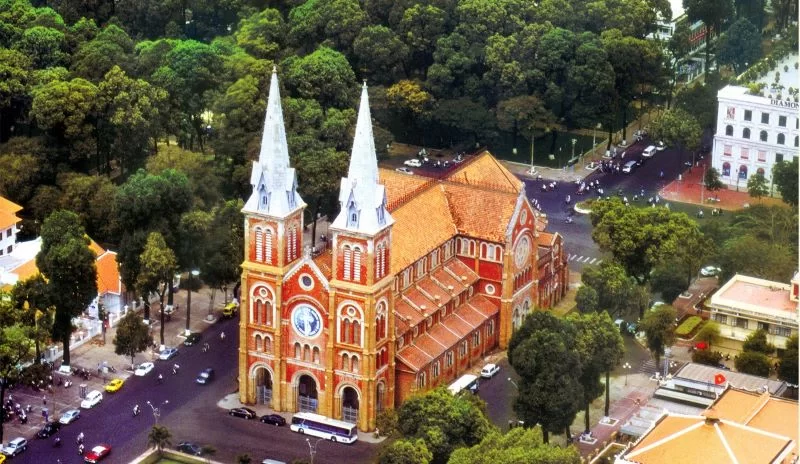
Formerly Saigon, Ho Chi Minh City is the bustling metropolis of the South. Explore historical sites like the Reunification Palace, Notre-Dame Cathedral, or the French-architecture Central Post Office. Immerse yourself in the vibrancy of Cholon's Chinese quarters or the nightlife of Bui Vien Street. Nearby, the famous Cu Chi Tunnels offer a dive into war history.
Mekong Delta
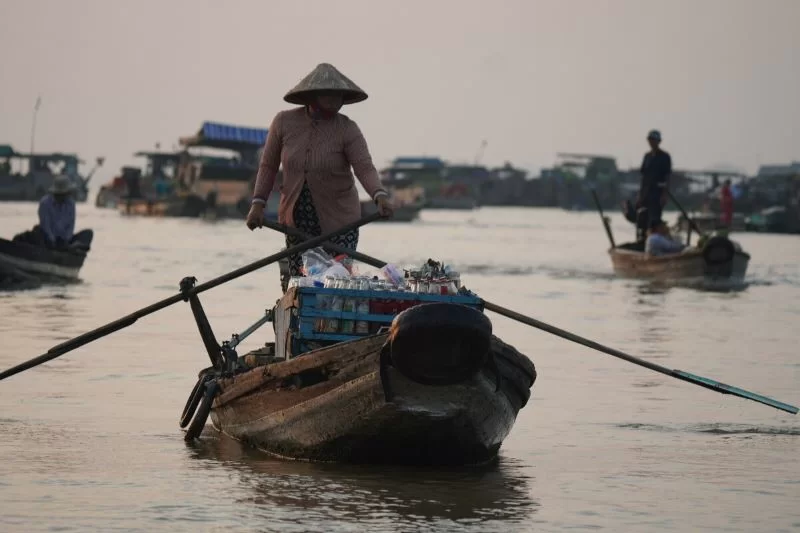
The fascinating Mekong Delta is Vietnam's rice bowl. Cruise the canals on a sampan, admire colorful floating markets like Cai Be or Cai Rang, visit temples, pagodas, and traditional villages off the beaten path. Taste exotic fruits from orchards and stop at a traditional stilt house to better understand the lives of the locals.
Southern Beaches
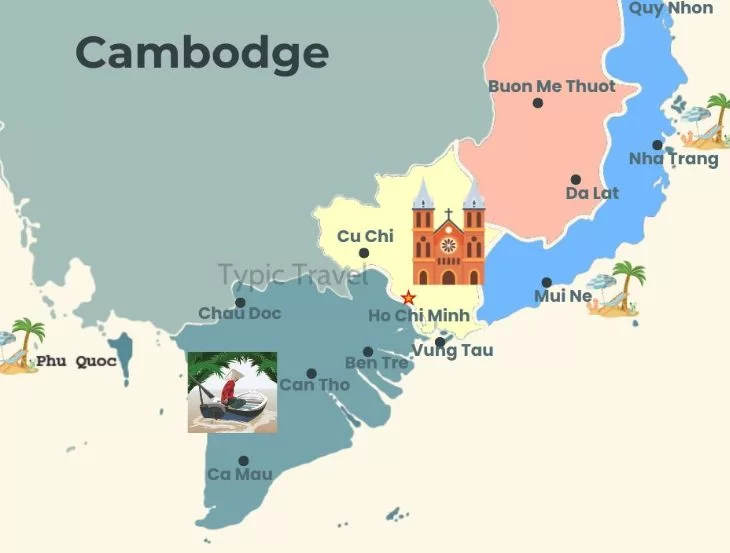
For a dream beach holiday, head to the paradisiacal islands and beaches of the South. Phu Quoc, Vietnam's largest island, offers turquoise waters, pristine beaches, and lush tropical nature. Mui Ne attracts with its dunes and kitesurfing spot, while the Con Dao archipelago, a former political prison turned nature reserve, promises an exclusive getaway between jungle, diving, and sea turtles.
6. Planning your itinerary
By season
- North: prefer March-May and September-November for mild weather, avoid December-February (cold) and June-August (rain)
- Center: prefer January-August for dry weather, especially February-May
- South: visit from November to April to escape the rain and enjoy the sun
Take into account major festivals (Tet in February, Mid-Autumn in September) which punctuate local life but can saturate transportation.
Learn more about the best season to visit Vietnam: When to go to Vietnam? The best season to travel
By duration of stay
- 1 week: focus on one region, for example Hanoi, Halong Bay, and Sapa in the North
- 2 weeks: combine two hubs like the North (Hanoi and minorities) and the Center (Hue, Hoi An, Danang)
- 3 weeks and +: cross the country from North to South for a complete overview, adding a beach extension
By type of trip
- Cultural tour: Hanoi, Hue, Hoi An, My Son temples, Ho Chi Minh City
- Family trip: Hanoi, Ninh Binh, Halong Bay, Hoi An, Mui Ne beach
- Adventure and nature: Sapa, Cao Bang, and Ha Giang mountains, Mekong Delta
7. Transportation and travel
Between regions
The best way to travel between major cities is by plane, with Vietnam Airlines, VietJet Air, and Jetstar Pacific. For a more local experience, opt for the overnight train between Hanoi, Hue, Danang, and Ho Chi Minh. Long-distance buses are cheap but less comfortable.
Local transportation
In large cities, taxis and apps like Grab (similar to Uber) are convenient. Scooter rental is ideal for exploring the surroundings freely. Between villages, try cycling! For an immersive experience, dare to use traditional transport like the cyclo-pousse or the sampan boat. A better option is to book a private car with a driver with Typic Travel.
| Looking for a private driver in Vietnam? Consult our detailed article (prices, locations, vehicle types, etc.). |
8. Practical tips
Budget and costs
Vietnam is a cheap destination, but the budget varies by region:
- North and Center: 40-70€/day
- South: 50-70€/day
- Beach holiday: 50-100€/day
With homestay accommodation, local transport, and meals at street food stalls, you can reduce your expenses. Expect more for a customized organized trip.
Safety and health
Vietnam is generally a safe country, but some border areas should be avoided (Laos/China). As everywhere, beware of pickpocketing in the city. For health, avoid tap water, prioritize cooked food, and bring mosquito repellent. Take out travel insurance, and note useful contacts (embassy, international hospitals).
Conclusion
Whether it's history, nature, adventure, or relaxation, Vietnam offers a thousand faces to discover from one region to another. Thanks to this comprehensive guide to the Vietnam tourist map, you now have all the keys to imagine the trip of your dreams. Don't wait any longer, escape to this fascinating country where authenticity and beauty compete at every moment. And to accompany you on this unique adventure, trust the expertise of Typic Travel, the local French-speaking travel agency that promises you an unforgettable tailor-made and eco-responsible trip!